프로필

내 사진
I'm piano bachelor, piano music lover, CD collector and classical music information's translator. Also KakaoTalk character Tube mania!Naver Blog: http://blog.naver.com/neige1984Youtube Channel: https://www.youtube.com/channel/UCDPYLTc4mK7dOXYTQEOiPew?view_as=subscriber

2022년 2월 13일 일요일

DG / Daniil Trifonov Plays Bach - The Art of Life 2021


https://www.youtube.com/watch?v=ztdlzh2WQbA&list=OLAK5uy_l_sXUk3E-34zHb55yoxYA4Fn6gXKj7a5I

https://www.youtube.com/watch?v=LrEKm3m5tmw

https://www.youtube.com/watch?v=bLRHf_j1dLI

https://www.youtube.com/watch?v=lDAqyl6C-Do

https://www.youtube.com/watch?v=wEJruV9SPao


바흐 푸가의 기법, 안나 막달레나를 위한 음악 수첩 외

섬세한 터치와 함께 초절기교를 선보이며 평단의 절찬과 대중적 인기를 한 번에 끌어모으고 있는 다닐 트리포노프가 바흐를 연주한다! 우선 요한 크리스티안 바흐의 소나타, 빌헬름 프리데만 바흐의 폴로네즈, 카를 필리프 에마누엘 바흐의 론도, 요한 크리스토프 프리드리히 바흐의 변주곡과 <안나 막달레나를 위한 음악 수첩>, 그리고 브람스 편곡의 "샤콘느 D단조"를 통해 바흐 일가가 이루어낸 위대한 음악 유산을 전체적으로 조명하고 있다.


무엇보다 바흐의 미완성 <푸가의 기법>을 트리포노프가 새롭게 마지막 푸가를 완성한 연주를 놓쳐서는 안 되며, <예수, 인간 소망의 기쁨>으로 위대한 거목 바흐, 그 뒤를 이은 수많은 나무와 숲, 그리고 그 밑에 앉은 트리포노프의 이야기를 마무리한다.


오푸스 클래식 어워드 2021 올해의 연주자

다닐 트리포노프가 연주하는 바흐


"이 앨범은 사랑에 대한 헌사입니다." - 다닐 트리포노프


다닐 트리포노프는 이번 앨범에서 바흐의 가족, 사랑, 상실, 신앙을 통해 ‘인간 바흐’의 삶을 조명한다. 앨범은 바흐가 남긴 위대한 유산, 그의 아들들이 작곡한 곡들로 시작한다. 요한 크리스티안 바흐의 소나타, 빌헬름 프리데만 바흐의 폴로네즈, 카를 필리프 에마누엘 바흐의 론도, 요한 크리스토프 프리드리히 바흐의 변주를 수록했다.


이어지는 ‘안나 막달레나를 위한 음악 수첩’은 바흐가 두 번째 아내에게 바치는 소품 모음집으로, 가족을 향한 바흐의 깊은 사랑을 조명한다. 한편 함께 수록된 ‘샤콘느 D단조’ 브람스 편곡 버전을 통해 첫 번째 부인의 죽음 이후 바흐가 느꼈던 애절한 감정을 느낄 수 있다.


앨범의 기둥이라고 할 수 있는 ‘푸가의 기법’에 대해 트리포노프는 “바흐가 쌓아온 개인적, 영적, 과학적, 인문학적 지식을 고스란히 음악으로 담아낸 지극히 귀중한 보물”이라고 설명하며 섬세한 연주로 보여준다. 미완성인 이 작품에 직접 작곡한 마지막 푸가를 추가하며 자신만의 방식으로 푸가를 완성한다. 마지막으로 트리포노프는 마이라 헤스가 편곡한 ‘예수, 인간 소망의 기쁨’을 담아 앨범을 끝맺는다.


CD1

01 Johann Christian Bach Sonata No. 5 in A, Op. 17/5: I. Allegro / 요한 크리스티안 바흐 소나타 5번

02 Johann Christian Bach Sonata No. 5 in A, Op. 17/5: II. Presto

03 Wilhelm Friedemann Bach Polonaise No. 8 in e, Fk 12/8 / 빌헬름 프리데만 바흐 폴로네즈 8번

04 Carl Philipp Emanuel Bach Clavier-Sonaten und freye Fantasien nebst einigen Rondos fur Kenner und Liebhaber, Vol. 5: IV. Rondo in c, Wq 59/4 (H. 283) / 카를 필리프 에마누엘 바흐 론도

05 Johann Christoph Friedrich Bach Allegretto con variazioni ('Ah, vous dirai-je, maman'), Wf 12/2: Thema (Allegretto) / 크리스토프 프리드리히 바흐 <아, 어머니 당신께 말씀드릴게요>에 의한 변주곡

06 Johann Christoph Friedrich Bach Allegretto con variazioni ('Ah, vous dirai-je, maman'), Wf 12/2: Var. 1

07 Johann Christoph Friedrich Bach Allegretto con variazioni ('Ah, vous dirai-je, maman'), Wf 12/2: Var. 2

08 Johann Christoph Friedrich Bach Allegretto con variazioni ('Ah, vous dirai-je, maman'), Wf 12/2: Var. 3

09 Johann Christoph Friedrich Bach Allegretto con variazioni ('Ah, vous dirai-je, maman'), Wf 12/2: Var. 4 Minore

10 Johann Christoph Friedrich Bach Allegretto con variazioni ('Ah, vous dirai-je, maman'), Wf 12/2: Var. 5 Maggiore

11 Johann Christoph Friedrich Bach Allegretto con variazioni ('Ah, vous dirai-je, maman'), Wf 12/2: Var. 6 Tempo di minuetto

12 Johann Christoph Friedrich Bach Allegretto con variazioni ('Ah, vous dirai-je, maman'), Wf 12/2: Var. 7

13 Johann Christoph Friedrich Bach Allegretto con variazioni ('Ah, vous dirai-je, maman'), Wf 12/2: Var. 8 Schwabisch (non allegro)

14 Johann Christoph Friedrich Bach Allegretto con variazioni ('Ah, vous dirai-je, maman'), Wf 12/2: Var. 9 Minore (tranquillo)

15 Johann Christoph Friedrich Bach Allegretto con variazioni ('Ah, vous dirai-je, maman'), Wf 12/2: Var. 10 Maggiore (Tempo I)

16 Johann Christoph Friedrich Bach Allegretto con variazioni ('Ah, vous dirai-je, maman'), Wf 12/2: Var. 11

17 Johann Christoph Friedrich Bach Allegretto con variazioni ('Ah, vous dirai-je, maman'), Wf 12/2: Var. 12 Alla Siciliano

18 Johann Christoph Friedrich Bach Allegretto con variazioni ('Ah, vous dirai-je, maman'), Wf 12/2: Var. 13

19 Johann Christoph Friedrich Bach Allegretto con variazioni ('Ah, vous dirai-je, maman'), Wf 12/2: Var. 14

20 Johann Christoph Friedrich Bach Allegretto con variazioni ('Ah, vous dirai-je, maman'), Wf 12/2: Var. 15 (piu andante)

21 Johann Christoph Friedrich Bach Allegretto con variazioni ('Ah, vous dirai-je, maman'), Wf 12/2: Var. 16 (Tempo I)

22 Johann Christoph Friedrich Bach Allegretto con variazioni ('Ah, vous dirai-je, maman'), Wf 12/2: Var. 17 Minore

23 Johann Christoph Friedrich Bach Allegretto con variazioni ('Ah, vous dirai-je, maman'), Wf 12/2: Var. 18 Maggiore (allegro)

24 Johann Sebastian Bach Musette in D, BWV Anh. 126 (Notebook for Anna Magdalena Bach 1725) / 요한 제바스티안 바흐 <안나 막달레나 바흐를 위한 음악 수첩> 중 뮈제트

25 Johann Sebastian Bach Aria 'Gedenke doch, mein Geist, zurucke', BWV 509 (Notebook for Anna Magdalena Bach 1725) / 요한 제바스티안 바흐 <안나 막달레나 바흐를 위한 음악 수첩> 중 <기억하라, 나의 영혼이여, 돌아가라>

26 Johann Sebastian Bach Minuet in a, BWV Anh. 120 (Notebook for Anna Magdalena Bach 1725) / 요한 제바스티안 바흐 <안나 막달레나 바흐를 위한 음악 수첩> 중 미뉴에트 a단조

27 Johann Sebastian Bach Minuet in F, BWV Anh. 113 (Notebook for Anna Magdalena Bach 1725) / 요한 제바스티안 바흐 <안나 막달레나 바흐를 위한 음악 수첩> 중 미뉴에트 F장조

28 Johann Sebastian Bach Polonaise in F, BWV Anh. 117b (Notebook for Anna Magdalena Bach 1725) / 요한 제바스티안 바흐 <안나 막달레나 바흐를 위한 음악 수첩> 중 폴로네즈 F장조

29 Johann Sebastian Bach (Polonaise) in d, BWV Anh. 128 (Notebook for Anna Magdalena Bach 1725) / 요한 제바스티안 바흐 <안나 막달레나 바흐를 위한 음악 수첩> 중 (폴로네즈) d단조

30 Johann Sebastian Bach Choral 'Gib dich zufrieden und sei stille', BWV 511 (Notebook for Anna Magdalena Bach 1725) / 요한 제바스티안 바흐 <안나 막달레나 바흐를 위한 음악 수첩> 중 코랄 <자족하고 신 안에서 잠잠하라>

31 Christian Petzold Minuet in G, BWV Anh. 114 (Notebook for Anna Magdalena Bach 1725) / 크리스티안 페촐트 <안나 막달레나 바흐를 위한 음악 수첩> 중 미뉴에트 G장조

32 Johann Sebastian Bach Minuet in G, BWV Anh. 116 (Notebook for Anna Magdalena Bach 1725) / 요한 제바스티안 바흐 <안나 막달레나 바흐를 위한 음악 수첩> 중 미뉴에트 G장조

33 Carl Philipp Emanuel Bach Polonaise in g, BWV Anh. 125 (Notebook for Anna Magdalena Bach 1725) / 카를 필리프 에마누엘 바흐 <안나 막달레나 바흐를 위한 음악 수첩> 중 폴로네즈 g단조

34 Johann Sebastian Bach Minuet in c, BWV Anh. 121 (Notebook for Anna Magdalena Bach 1725) / 요한 제바스티안 바흐 <안나 막달레나 바흐를 위한 음악 수첩> 중 미뉴에트 c단조

35 Gottfried Heinrich Stolzel: Bist du bei mir (Formerly Attrib. J.S. Bach as BWV 508, Notebook for Anna Magdalena Bach 1725) / 고트프리트 하인리히 슈퇼첼 <안나 막달레나 바흐를 위한 음악 수첩> 중 <당신이 내 곁에 계신다면>

36 Brahms 5 Studies, Anh. 1a/1: V. Chaconne for the Left Hand (after Violin Partita No. 2 in d, BWV 1004 by J.S. Bach) / 브람스 왼손을 위한 샤콘느 (요한 제바스티안 바흐 무반주 바이올린 파르티타 2번 5악장 편곡)

37 Johann Sebastian Bach: The Art of Fugue, BWV 1080 - Contrapunctus 1 / 요한 제바스티안 바흐 <푸가의 기법>

38 Johann Sebastian Bach: The Art of Fugue, BWV 1080 - Contrapunctus 2

39 Johann Sebastian Bach: The Art of Fugue, BWV 1080 - Contrapunctus 3

40 Johann Sebastian Bach: The Art of Fugue, BWV 1080 - Contrapunctus 4

41 Johann Sebastian Bach: The Art of Fugue, BWV 1080 - Contrapunctus 5


CD2

01 Johann Sebastian Bach: The Art of Fugue, BWV 1080 - Contrapunctus 6 [per Diminutionem] in Stylo Francese

02 Johann Sebastian Bach: The Art of Fugue, BWV 1080 - Contrapunctus 7 per Augmentationem et Diminutionem

03 Johann Sebastian Bach: The Art of Fugue, BWV 1080 - Contrapunctus 8

04 Johann Sebastian Bach: The Art of Fugue, BWV 1080 - Contrapunctus 9 alla Duodecima

05 Johann Sebastian Bach: The Art of Fugue, BWV 1080 - Contrapunctus 10 alla Decima

06 Johann Sebastian Bach: The Art of Fugue, BWV 1080 - Contrapunctus 11

07 Johann Sebastian Bach: The Art of Fugue, BWV 1080 - Contrapunctus [12] [rectus]

08 Johann Sebastian Bach: The Art of Fugue, BWV 1080 - Contrapunctus 12 inversus

09 Johann Sebastian Bach: The Art of Fugue, BWV 1080 - Contrapunctus [13] [rectus]

10 Johann Sebastian Bach: The Art of Fugue, BWV 1080 - Contrapunctus [13] inversus

11 Johann Sebastian Bach: The Art of Fugue, BWV 1080 - Canon [in Hypodiatessaron] per Augmentationem in Contrario Motu

12 Johann Sebastian Bach: The Art of Fugue, BWV 1080 - Canon in Hypodiapason (Canon alla Ottava)

13 Johann Sebastian Bach: The Art of Fugue, BWV 1080 - Canon alla Decima in Contrapunto alla Terza

14 Johann Sebastian Bach: The Art of Fugue, BWV 1080 - Canon alla Duodecima in Contrapunto alla Quinta

15 Johann Sebastian Bach: The Art of Fugue, BWV 1080 - [Contrapunctus 14] (Fuga a 3 Soggetti) [fragment, completed by Daniil Trifonov] / (다닐 트리포노프 완성)

16 Johann Sebastian Bach/Myra Hess: Jesu, Joy of Man's Desiring (Chorale from the Cantata 'Herz und Mund und Tat und Leben', BWV 147) / 요한 제바스티안 바흐 <예수, 인간 소망의 기쁨> (마이라 헤스 편곡)


Bach – a Life in Polyphony / 바흐 – 다성음악의 삶

Daniil Trifonov’s new album, “Bach: The Art of Life”, explores the scientific, emotional and spiritual dimensions of Johann Sebastian Bach’s cosmos. Centred around Bach’s late, mystical masterpiece, “The Art of Fugue”, Trifonov’s project investigates the man behind the myth – a genius of humility and humour, whose family, loves, losses, and devotion inspired what Daniil Trifonov calls “some of humanity’s most emotionally rich and fascinatingly sophisticated expressions in music”.


다닐 트리포노프의 새로운 앨범 <바흐 : 삶의 예술>은 요한 제바스티안 바흐의 세계에 대한 과학적, 정서적, 영적 차원을 탐구한다. 바흐 후기의 신비로운 걸작 <푸가의 예술>에 초점을 맞추는 트리포노프의 프로젝트는 신화 뒤에 숨은 사람들을 조사한다. 가족, 사랑(연애), 상실, 헌신(믿음)에 영감을 받은 겸손과 유머의 천재는 다닐 트리포노프가 “음악에서 인류의 가장 감동적이고 매력적인 작품 중 일부”라고 부르는 것에 영감을 주었다.


“Bach is of course a legend, an icon, a musical brand,” says Trifonov. “History sets him, like many geniuses, on a pedestal – untouchable and unmoving, like a sculpture.” He continues: “We know Bach was a pious man, and that he worked very hard. Yet we also know that Bach was a family man, and that he fell in love (more than once); his music tells us he had a sense of humour, a sense of melancholy, and a sense of pride. He knew how to have fun. There are many indications of a real, personal biography to a composer whose creativity was fired by a passionate soul.” The repertoire selected for this album is arranged to enrich that human appreciation.


트리포노프는 다음과 같이 말한다. “바흐는 물론 전설이자 우상이자 음악 브랜드입니다. 많은 천재처럼 역사는 그를 받침대로 끌어올렸는데, 그는 조각품처럼 만질 수 없고 움직일 수 없는 곳에 서 있죠.” 그는 계속한다. “우리는 바흐가 경건한 사람이었으며 매우 열심히 일했다는 것을 알고 있습니다. 그러나 우리는 바흐가 가장이었으며, 그가 (한 번 이상) 사랑에 빠졌다는 것도 알고 있는데, 그의 음악은 그의 유머 감각, 우울함, 자부심을 보여줍니다. 그는 즐기는 방법을 알고 있었죠. 정열적인 영혼으로 창조성을 발휘한 작곡가에 대한 실제로 개인적인 전기에 대한 언급이 많이 있어요.” 이 앨범에 수록된 레퍼토리는 바흐의 인간적인 면이 강조되도록 의도적으로 짜였다.


“At the same time,” Trifonov explains, “in Bach’s pre-Enlightenment era composing music was not considered an expression of individual imagination, it was rather an act of devotion – of revelation.” The dominant philosophy of Bach’s age indeed regarded music as equivalent to mathematics and science as a means of uncovering the laws of nature, or, in the language of the day, revealing God’s plan of the universe – “Complex structural relationships in music,” says Trifonov, “in particular those expressed through polyphony, were seen as a miracle of the universe, and a means to help us understand it.”


트리포노프는 다음과 같이 설명한다. “동시에 바흐의 계몽 시대 이전의 작곡은 개인적인 상상의 표현이 아니라 오히려 헌신의 표시, 즉 계시로 이해되었어요.” 바흐 시대의 지배적인 철학은 참으로 음악을 수학과 과학에 해당하는 자연법칙을 밝히는 수단으로, 또는 당시의 언어로 우주에 대한 신의 계획을 계시하는 수단으로 간주했다. (현대의 견해에 따르면 당시의 음악은 수학과 과학과 대등한 수준으로, 그것들은 자연법칙을 이해하거나 당시의 언어로 신의 계획을 계시하는 수단으로 여겨졌다.) – “음악에서 복잡한 구조적 관계, 특히 다성음악을 통해 표현되는 관계는 우주의 기적이자 우리가 세상을 이해하는 데 도움이 되는 수단으로 여겨졌죠.” 트리포노프가 말한다.


Similar to Johannes Kepler’s celestial physics and Isaac Newton’s calculus, Bach musical polyphony was for Bach and his German Baroque contemporaries the tool of logic by which to construct, in Trifonov’s words, “a sonic image of God’s natural laws, in all their complexity. Music’s purpose was in that sense the same as that of religion: to explain and exalt the mysterious, divine order of nature.”


요하네스 케플러의 천체 물리학 및 아이작 뉴턴의 미적분학과 유사하게, 바흐의 다성음악은 바흐와 그의 독일 바로크 동시대인들에게 있어서, 트리포노프의 말에 따르면 “모든 복잡성 속에서, 신의 자연법칙의 음향적 이미지”를 구성하는 역할을 하는 논리적 도구였다. “그런 의미에서 음악은 종교와 같은 목적을 지니고 있는데, 신비하고 신성한 자연의 질서를 설명하고 찬양하기 위해서요.”


Because of Bach’s incomparable intellectual mastery of western music’s formal and harmonic possibilities, his art offers the most comprehensive synthesis of this purpose. As Trifonov puts it, “Bach’s music combines compelling logical depictions of the mechanics of nature with an intensity of human emotion unique for his age.” The result provides a glimpse of a flesh-and-blood Bach, a timeless study in the Art of Life.


서양 음악의 형식적, 화성적 가능성에 대한 바흐의 비할 데 없는 지적인 장악 덕분에, 그의 예술은 이러한 목적을 가장 포괄적으로 종합한다. 트리포노프가 말하듯이 “바흐의 음악은 자연의 역학에 대한 설득력 있는 논리적 묘사와 그의 시대에 독특했던 인간의 강렬한 감정을 결합합니다.” 그 결과 <삶의 예술>에 대한 시대를 초월한 연구를 제공하는, 평범한 인간 바흐를 엿볼 수 있게 해준다.


Trifonov’s album locates Bach firmly in the midst of his sprawling family. The youngest of eight children, Johann Sebastian was born in 1685 into a musical dynasty in Eisenach, a prosperous, medieval German town on the Hörsel river between the Thuringian forests and the Hainich mountains. For Bach, the sense of growing up in a bustling home, full of music and musicians, was natural. After marrying Maria Barbara Bach (1684–1720) in 1707, Johann Sebastian continued this tradition, fathering seven children with Maria Barbara, and, following her untimely death in 1720, another thirteen with his second wife, Anna Magdalena (born Wilcke, 1701–1760). “We think of Bach as a deeply serious, Protestant man dedicated only to his music,” says Trifonov, “but Bach was also clearly a devoted husband and father. The Bach home was certainly a boisterous place, full of love and laughter.”


트리포노프의 앨범에서 바흐는 그의 대가족에 확고하게 뿌리를 두고 있다. 8형제 중 막내인 요한 제바스티안은 1685년 튀링겐 숲과 하이니히 산맥 사이의 회르젤 강변에 있는 번영한(부유한) 중세 독일 마을인 아이제나흐의 음악가 집안에서 태어났다. 바흐가 음악과 음악가로 가득한 활기찬 가정에서 자라는 것은 자연스러운 일이었다. 1707년에 마리아 바르바라 바흐(1684~1720)와 결혼한 후 요한 제바스티안은 이 전통을 이어받아 그녀와 함께 7명의 자녀를 두었고, 1720년 그녀가 사망하자 두 번째 부인인 안나 막달레나(빌케 출생, 1701~1760)와 함께 또 다른 13명의 자녀를 두었다. 트리포노프는 다음과 같이 말한다. “우리는 바흐를 자신의 음악에만 전념하는 매우 진지한 개신교 신자라고 생각하지만, 바흐는 분명히 헌신적인 남편이자 아버지이기도 했죠. 바흐의 집은 확실히 사랑과 웃음이 가득한 떠들썩한 곳이었어요.”


Thirty-four years separated the births of Johann Sebastian’s eldest child, Catharina Dorothea (1708–1774) and his youngest, Regina Susanna (1742–1809). With father Bach working prodigiously as organist, Kapellmeister and composer in the ducal courts of Weimar and Köthen, and later as cantor at the Thomas kirche in Leipzig, the eldest children helped their parents raise the youngest. Both the boys and the girls received musical instruction, and the album that Johann Sebastian compiled to that end, the so-called “Anna Magdalena Bach Notebook” is a deeply personal album of musical vignettes that, like a scrapbook, brings together family favourites, tokens of affection, inside jokes, and pieces evidently from the children’s studies.


요한 제바스티안의 장녀 카타리나 도로테아(1708~1774)와 막내 레기나 주잔나(1742~1809) 사이에는 34년의 세월이 있다. 아버지 바흐와 함께 바이마르와 쾨텐의 공국 궁정에서 오르간 연주자, 악장, 작곡가로 훌륭하게 일했으며, 나중에는 라이프치히의 토마스 교회에서 성가대의 선창가로 일했으므로, 큰아이들은 부모님이 어린아이들을 키울 수 있도록 지원했다. 소년과 소녀 모두 음악적 지도를 받았고, 이를 위해 요한 제바스티안이 편찬한, 이른바 <안나 막달레나 바흐를 위한 음악 수첩>은 스크랩북처럼 가족이 좋아하는 음악, 애정의 표시, 내면의 농담, 분명히 아이들의 수업에서 나온 곡들이 하나의 앨범처럼 뭉쳐서 구성되어 있다.


Anna Magdalena was herself an accomplished singer and keyboard player and had a significant hand in the musical education of the Bach children. There has been musicological speculation that some anonymous pieces in the “Anna Magdalena Bach Notebook” (not all the works are by Johann Sebastian) could have actually been by Anna Magdalena herself. “The fact of the matter is,” as Trifonov says, “that between them, Johann Sebastian and Anna Magdalena must have been phenomenal teachers and have nurtured the family musical tradition. Together, they influenced more than a century of music to come: Johann Christian Bach (1735–1782) had an important influence on Mozart. Carl Philipp Emanuel Bach’s (1714–1788) musical language, in conscious opposition to the style of his father, jumps directly to the world of Beethoven. In his tender vulnerability, Wilhelm Friedemann Bach (1710–1784) is a precursor to Chopin. And lastly, the music of Johann Christoph Friedrich Bach (1732–1795) bears infectious playfulness that we can hear later in the music of Rossini.”


안나 막달레나는 그녀 자신이 뛰어난 가수이자 건반악기 연주자였으며 바흐 아이들의 음악 교육에 중요한 역할(지대한 공헌)을 했다. <안나 막달레나 바흐를 위한 음악 수첩>(모든 작품이 요한 제바스티안의 작품은 아님)에 있는 익명의 일부 곡들이 실제로 안나 막달레나 자신의 작품일 수 있다는 음악학적 추측(가정)이 있었다. 트리포노프가 말하듯이 “사실상 요한 제바스티안과 안나 막달레나는 훌륭한 교육자였으며 가족의 음악적 전통을 키웠음이 틀림없어요. 그들은 함께 한 세기가 넘는 음악에 영향을 미쳤는데, 요한 크리스티안 바흐(1735~1782)는 모차르트에게 큰 영향을 미쳤습니다. 카를 필리프 에마누엘 바흐(1714~1788)의 음악적 언어는 그의 아버지 스타일에 의식적(의도적)으로 반대되는 방식으로 우리를 베토벤의 세계로 직접 안내합니다. 빌헬름 프리데만 바흐(1710~1784)는 그의 섬세한 취약성에서 쇼팽의 선구자입니다. 그리고 마지막으로 요한 크리스토프 프리드리히 바흐(1732~1795)의 음악은 우리가 훗날 로시니의 음악에서 들을 수 있는 전염성 있는 장난기를 담고 있죠.”


In recognition of Anna Magdalena’s unmistakable imprint on Johann Sebastian’s life and legacy, Trifonov includes in this album the playful variations on “Ah, vous dirai-je, maman” by Johann Christoph Friedrich Bach, placed between characteristic compositions by the aforementioned sons and extracts from the “Anna Magdalena Notebook”. “Interestingly,” observes Trifonov, “the aria ‘Bist du bei mir’ (No. 25 in the ‘Notebook’) was composed by Gottfried Heinrich Stölzel. Johann Sebastian and Anna Magdalena’s first son was named Gottfried Heinrich. It is possible to speculate that this piece was their love song, making its inclusion in the Notebook (and the heart of this album) particularly poignant.”


안나 막달레나가 요한 제바스티안의 삶과 유산에 미친 영향을 인정하여, 트리포노프는 이 앨범에 요한 크리스토프 프리드리히 바흐의 <아, 어머니 당신께 말씀드릴게요>에 의한 장난스러운 변주곡을, 앞서 언급한 아들들의 특징적인 작품들과 "<안나 막달레나 바흐를 위한 음악 수첩>의 발췌곡들 사이에 넣었다. 트리포노프는 다음과 같이 관찰한다. “흥미롭게도 아리아 ‘당신이 내 곁에 계신다면’(‘안나 막달레나 바흐를 위한 음악 수첩’ 25번)은 고트프리트 하인리히 슈퇼첼이 작곡했는데요. 요한 제바스티안과 안나 막달레나의 첫째 아들의 이름이 고트프리트 하인리히였죠. 이 곡이 그들의 사랑 노래였을 것이라고 짐작할 수 있는데, ‘안나 막달레나 바흐를 위한 음악 수첩’(그리고 이 앨범의 핵심)에 수록되어 특히 감동적입니다.”


Anna Magdalena was not Bach’s only love. Little is known about Bach’s first wife (and second cousin), Maria Barbara, or the life they shared. The cause of her premature death is not recorded. Yet we know Johann Sebastian was away at the time and that his grief upon learning of her passing was immense. Bach’s Chaconne (from the D minor Partita for solo violin), which Trifonov describes as “one of the most powerful, sorrowful and tragic pieces ever written”, was composed very shortly after Maria Barbara’s death, and is credibly thought to be a widower’s brooding lament.


안나 막달레나는 바흐의 유일한 사랑이 아니었다. 바흐의 첫 번째 아내(그리고 육촌)인 마리아 바르바라나 그들이 함께 살았던 삶에 대해서는 알려진 바가 거의 없다. 그녀의 조기 사망 원인은 기록되어 있지 않다. 그러나 우리는 요한 제바스티안이 그 당시에 자리를 비웠고(여행 중이었고) 그녀의 죽음을 알게 된 그의 슬픔이 엄청났다는 것을 알고 있다. 트리포노프가 “지금까지 쓰인 가장 강렬하고 슬프며 비극적인 곡 중 하나”라고 묘사한 바흐의 샤콘느(무반주 바이올린을 위한 파르티타 2번 d단조)는 마리아 바르바라가 죽은 직후에 작곡되었으며 깊이 슬퍼하는 남편의 한탄으로 설득력 있게 묘사된다.


Against this anguished personal backdrop, the Chaconne provides an illustration of “the confluence of Bach’s inner and outer worlds”, as Trifonov calls it, “a moment of profound personal introspection expressed in a language of divine veneration and penetrating logical rigour. In other words, a polyphonic prayer.”


이 고통스러운 개인적 배경에서 샤콘느는 “바흐의 내적 세계와 외적 세계의 합류점(내부 세계와 외부 세계가 함께 성장하는 것)”을 보여주는데, 트리포노프가 부르듯이 “신의 숭배와 설득력 있는 논리적 엄밀함의 언어로 표현된 심오한 개인적인 성찰의 순간입니다. 다른 말로 하면, 다성부의 기도입니다.”


Such confluence and spiritual meditation also form the basis for Bach’s late masterpiece, “The Art of Fugue”. “For Bach,” Trifonov states, “polyphony was the most powerful tool to both describe and express nature. And Bach’s favourite form of polyphony was the fugue.” Written in sequence during the last decade of the composer’s life, ‘The Art of Fugue’ “represents the seminal musical expression of Bach’s personal, spiritual, scientific and humanistic knowledge”.


이러한 합류(세계의 동반성장)와 영적 명상은 바흐의 후기 걸작 <푸가의 예술>의 기초이기도 하다. 트리포노프는 다음과 같이 말한다. “바흐에게 다성음악은 자연을 묘사하고 표현하는 가장 강력한 도구(효과적인 수단)였어요. 그리고 바흐가 가장 좋아하는(선호한) 다성음악 형식은 푸가였죠. 작곡가의 생애 마지막 10년 동안 순서대로 작곡된 ‘푸가의 예술’은 바흐가 쌓아온 개인적, 영적, 과학적, 인문학적 지식을 고스란히 음악으로 담아낸 지극히 귀중한 보물입니다.”


An extended set of fourteen fugues of increasing polyphonic complexity, and four related canons, all in a single key based on the same four-bar theme, “The Art of Fugue” is a masterful study that reaches into the furthest dimensions of polyphony within the strictest possible formal parameters. “As with many of Bach’s greatest works,” Trifonov explains, “the piece can be understood as both architecture and allegory, on both physical and metaphysical planes – appreciable in this life and the next.”


다성부의 복잡성이 증가하는 14개의 푸가와 4개의 관련된 카논으로 구성된 확장된 모음집인 <푸가의 예술>은 모든 곡이 동일한 4마디 주제를 기반으로 하는 단일 조성이므로, 가장 엄격한 형식의 가능한 한도 내에서 다성음악의 모든 차원에 도달하는 거장다운 연구를 형성한다. 트리포노프는 다음과 같이 설명한다. “바흐의 많은 위대한 작품과 마찬가지로 이 곡은 형이상학적 수준뿐 아니라 물리적 수준에서도 구조적으로나 비유적으로나 이해될 수 있는데, 내세와 마찬가지로 이 세상에서도 중요합니다.”


“The Art of Fugue” is partly an exploration of the application of various sophisticated mathematical principles and other scientific concepts to techniques of musical development. “As a description of time through space,” Trifonov argues, “the vision and insight is extraordinary. The canons can be seen as a masterful artistic illustration of quantum entanglement; the mirror fugues are a musical description of matter-anti-matter theory, the diminished fugues as an analogy of gravitational time bending, and so on.”


<푸가의 예술>은 부분적으로 복잡한 수학적 원리와 기타 과학적 개념을 대위법 기법에 적용하는 방법을 탐구한다. 트리포노프는 다음과 같이 주장한다. “공간을 통한 시간의 묘사로서 비전과 통찰력이 비범해요. 카논은 양자 얽힘에 대한 뛰어난 예시로 볼 수 있는데, 물질-반물질 이론에 대한 음악적 묘사인 반사(거울) 푸가, 중력의 시간 확장과 유사한 반음 줄인 푸가 등이 있죠.”


“At the same time,” maintains Trifonov, “Bach understood that purely polyphonic music can lack a certain emotional magnetism. And it is not”, he continues, “simply abstract. ‘The Art of Fugue’ was written to be played and heard. For an interpreter, the music is of such emotional power and indescribable beauty, that one is compelled to imagine each piece in sequence as a response to its predecessor.” As a cohesive narrative, the cycle can be an expression of theological exegesis. According to Trifonov, “The first seven fugues recall the seven days of Creation. Then on the eighth (day/fugue) Bach introduces a new theme – with a tritone, which was of course a symbol of the Devil. The ninth fugue is the most angry and conflicted one, telling the story of the banishing from Eden.” Another theory suggests the first twelve fugues as portraits of the twelve Apostles, with Jesus and perhaps Mary, or even God himself completing the set.


트리포노프는 다음과 같이 덧붙인다. “동시에 바흐는 순수한 다성음악에는 감정적 호소력이 부족할 수 있다는 것을 이해했어요.” 그는 계속한다. “그리고 그건 단순히 추상적이지 않아요. ‘푸가의 예술’은 연주하고 듣기 위해 작곡되었는데요. 해석자에게 이 음악은 감정의 힘과 형언할 수 없는 아름다움을 가지고 있어서 이전 것에 대한 반응으로 각각의 곡을 순서대로 상상할 수밖에 없죠.” 응집력 있는 묘사(서술)로서 이 전곡은 신학적 주석의 표현이 될 수 있다. 트리포노프에 따르면 “첫 7개의 푸가는 창조의 7일을 회상(의미)합니다. 그런 다음 8번째(날/푸가)에서 바흐는 새로운 주제를 소개하죠. – 물론 악마의 상징인 3온음으로요. 9번째 푸가는 가장 멀고도 갈등적인 곡으로, 에덴에서 추방된 이야기를 담고 있죠.” 또 다른 이론에 따르면, 처음 12개의 푸가는 열두 사도를 묘사하며 예수와 아마도 마리아, 또는 신 자신이 이 시리즈를 완성한다.


The cycle can also be interpreted in a broader sense of spiritual devotion. “After listening to the work at home and in concert for more than two years,” Trifonov says, “my wife suggested another narrative: each fugue can be a different person entering a church, each a complex psychological emotional portrait of that person and their individual motivation for being drawn to prayer.” One fugue after another offers a window into the pilgrim’s soul. “Especially in slow, soft fugues,” he continues, “we can hear how vulnerable, sensitive, nostalgic and even wounded these humans are. There is fear and insecurity about one’s forgiveness in front of God. Seen in this way, ‘The Art of Fugue’ is a deeply psychological work.”


이 전곡은 또한 더 넓은 의미의 영적 헌신으로 해석될 수 있다. 트리포노프는 다음과 같이 말한다. “2년 넘게 집과 콘서트에서 작품을 들은 후, 아내가 또 다른 이야기를 제안했는데, 따라서 모든 푸가는 교회에 들어가는 사람을 나타내며, 각각 그 사람의 복잡한 심리의 정서적 초상화와 기도하고 싶은 개인적인 이유를 그리죠.” 따라서 각각의 푸가는 순례자의 영혼을 들여다볼 수 있는 새로운 창을 제공한다. 그는 계속한다. “특히 느리고 부드러운 푸가들에서 우리는 이 사람들이 얼마나 취약하고 민감하며 향수를 불러일으키거나 심지어 상처를 입기까지 하는지 들을 수 있습니다. 그들에게는 신 앞에서의 용서에 대한 두려움과 불안이 있죠. 이런 의미에서 ‘푸가의 예술’은 심오한 심리적 작품입니다.”


Through whichever prism one interprets the first thirteen fugues and their corresponding canons, there is no mistaking the act of breathtaking audacity and gripping humanity embedded in the culminating fourteenth fugue. There, this most perfectly scientific manifestation of sacred iconography and devotional narrative coalesces in autobiographical form – with the composer self-consciously transforming the theme into an inscription of his own name. The final revelation of Bach’s polyphonic mastery is B – A – C – H (B flat – A – C – B natural), deliberately and repeatedly intoned in the final fugue, one that Bach left unfinished at his death.


어떤 프리즘을 사용하여 첫 13개의 푸가와 이에 관련된 카논을 해석하든지, 절정을 이루는 14번째 푸가의 숨 막힐 듯한 대담함과 감동적인 인간성은 의심할 여지 없이 인상적이다. 여기에서 신성한 도해법과 경건한 이야기의 가장 완벽하게 과학적인 표현이 자전적 형식으로 합쳐진다. – 작곡가는 자신의 이름을 자신 있게 새겨서 주제를 바꾼다. 바흐의 다성부 장악에 대한 마지막 계시는 B – A – C – H(B플랫 – A – C - B내추럴)이며, 바흐가 죽을 때 미완성으로 남겨둔 마지막 푸가에서 의도적으로 반복하여 불린다.


Is Bach, at the end of “The Art of Fugue”, at the end of his life, the final pilgrim to enter the church, approaching the altar to plead for his eternal soul? Or are each of the preceding fugal variations manifestations of different aspects of the composer’s own nature, in all its human complexity? Is it Bach’s pious confession or an act of defiance? Is the fugue’s unfinished nature indicative of Bach succumbing to mortal frailty, a commentary on our imperfect nature as a species, or the composer, as in the Garden of Eden, recoiling upon recognizing his own naked image? The mystery magnifies the work’s fascination.


바흐는 <푸가의 예술>의 끝자락, 삶의 마지막에 교회에 입성하는 마지막 순례자이며, 자신의 영원한 영혼을 위해 제단에 다가가는 것일까? 아니면 이전의 각각의 푸가 변주는 모든 인간의 복잡성 속에서 작곡가 자신의 본성의 다양한 측면을 나타내는 것일까? 바흐의 경건한 고백인가 아니면 반항의 행동인가? 푸가의 미완성인 성격은 바흐가 인간의 불완전한 본성에 대한 흔적인 필멸의 나약함에 굴복하고 있음(바흐의 나약함과 임박한 죽음)을 나타내는 것인가 아니면 에덴동산에서처럼 작곡가가 자신의 벌거벗은 이미지를 인식하고 움츠러드는 것을 나타내는 것인가? 신비로움이 작품의 매력을 더욱 돋보이게 한다. (그 비밀은 이 작품에서 흘러나오는 매력을 높인다.)


Trifonov completes Bach’s last fugue applying the same logic and mechanical dexterity to the thematic material Bach prescribes throughout the cycle, then offers “Jesu, Joy of Man’s Desiring” as an epilogue, dissolving worldly polyphonic structures with a cathartic chorale depicting Bach’s eternal deliverance on wings of love.


트리포노프는 이 전곡에 걸쳐 바흐가 규정하는 것과 같은 논리와 장인 정신으로 주제의 소재를 처리하여 바흐의 마지막 푸가를 완성하고 나서 에필로그로 <예수, 인간 소망의 기쁨>을 연주하는데, 사랑의 날개 위에서 바흐의 영원한 구원을 묘사하는 카타르시스의 코랄(정화의 합창)로 세속적인 다성부의 구조를 녹인다.


Indeed, Trifonov concludes, “This album is, in many ways, about love: the romantic love between husband and wife; familial love between parents and their children; and love for the Creator.” At the conclusion of “The Art of Fugue”, at the climax of this infinitely sophisticated composition and emotional journey, at the destination of this album, those loves are united in an outpouring of boundless passion. With the B – A – C – H motif (which is subtly prefigured in the eleventh fugue), Bach breaks free of the self-effacing Platonic shackles of his age and, if not for the first time, then in the most bold and bare form, locates the artist himself as the thematic subject of his art.


실제로 트리포노프는 다음과 같이 결론짓는다. “이 앨범은 여러 면에서 사랑에 관해 이야기하는데, 남편과 아내 사이의 낭만적인 사랑, 부모와 자녀 사이의 가족적인 사랑, 그리고 창조주에 대한 사랑입니다.” <푸가의 예술>의 끝자락에서, 이 정교한 작품과 감성적 여정의 절정에서, 이 앨범의 목적지에서, 그 사랑들이 하나로 뭉쳐 무한한 열정이 솟구친다. B – A – C – H 모티프(11번째 푸가에서 미묘하게 미리 형상화)를 통해 바흐는 자기 시대의 정신적인 사랑의 족쇄를 풀고, 처음이 아니더라도, 그런 다음 가장 대담하면서도 벌거벗은(가장 과감하게 그리고 가장 직접적인) 형식으로 예술가 자신을 그의 예술의 주제와 관련된 대상으로 놓는다.


In so doing, Johann Sebastian carves his mark on the tree-trunk of humanity, not just in his own name, but that of all the Bachs – immortalized in the Art of Life.


그렇게 함으로써 요한 제바스티안은 인류의 나무줄기에 자신의 이름뿐만 아니라 바흐의 모든 작품에 “삶의 예술”에 의한 불후의 명성을 새겼다.


Oscar Alan / 오스카 앨런 글


Daniil Trifonov Plays Bach - The Art of Life [Encore Edition] 2022

Daniil Trifonov - Canon (Counter-Retrograde, based on Bach's 'The Art of Fugue') [bonus track] / 다닐 트리포노프 - 카논


영어와 독어를 절충하여 번역했다. 뮤직비디오에서는 파치올리 피아노로 연주하는데 나머지 다른 맛보기 동영상에서는 스타인웨이 피아노로 연주한다. <기억하라, 나의 영혼이여, 돌아가라>라는 제목은 정확한 뜻을 찾지 못해서 내가 번역한 것이다. 앙코르 에디션을 받게 되어 음반을 하나 더 가지게 되었는데, 이전에 작성했던 포스팅을 지우고 다시 만들었다. 디지털 음원으로 보너스 트랙이 하나 더 있다.

2022년 2월 6일 일요일

Seong-Jin Cho & Lahav Shani - Live in Dortmund (5 December 2021)


https://www.youtube.com/watch?v=Eab-Fn2TVxk


12월 5일 16시 도르트문트 콘서트

Seong-Jin Cho, piano / 조성진, 피아노

Rotterdam Philharmonic Orchestra / 로테르담 필하모닉 오케스트라

Lahav Shani, conductor / 라하브 샤니 지휘

Konzerthaus Dortmund (replaced Yuja Wang) / 도르트문트 콘체르트하우스 (유자 왕 대체)


Program

Tchaikovsky Piano Concerto No. 1 in b flat, Op. 23 / 차이코프스키 피아노 협주곡 1번

I. Allegro non troppo e molto maestoso - Allegro con spirito

II. Andantino semplice - Allegro vivace assai - Prestissimo

III. Allegro con fuoco


Tchaikovsky: The Seasons, Op. 37a No. 10 October. Autumn Song (encore) / 차이코프스키 사계 중 10월 <가을 노래>


Intermission


Rachmaninov Symphonic Dances, Op. 45 / 라흐마니노프 <교향적 무곡>

I. (Non) Allegro

II. Andante con moto (Tempo di valse)

III. Lento assai - Allegro vivace


유튜브에서도 볼 수 있다.

Seong-Jin Cho & Lahav Shani - Live in Rotterdam (3 December 2021)


https://www.youtube.com/watch?v=xrVUC3oY_SM


12월 3일 14시 15분 로테르담 콘서트

Seong-Jin Cho, piano / 조성진, 피아노

Rotterdam Philharmonic Orchestra / 로테르담 필하모닉 오케스트라

Lahav Shani, conductor / 라하브 샤니 지휘

De Doelen in Rotterdam (replaced Yuja Wang) / 로테르담 둘렌 콘서트홀 (유자 왕 대체)


Program

Tchaikovsky Piano Concerto No. 1 in b flat, Op. 23 / 차이코프스키 피아노 협주곡 1번

I. Allegro non troppo e molto maestoso - Allegro con spirito

II. Andantino semplice - Allegro vivace assai - Prestissimo

III. Allegro con fuoco


Schumann Waldszenen, Op. 82: III. Einsame Blumen (encore) / 슈만 <숲의 정경> 중 3번 <고독한 꽃>


Intermission


Berlioz Symphonie fantastique in C, Op. 14 / 베를리오즈 환상 교향곡

I. Rêveries - Passions (Visions and Passions). Largo - Allegro agitato e appassionato assai - Religiosamente / 꿈, 정열

II. Un bal (A Ball). Valse. Allegro non troppo / 무도회

III. Scène aux champs (A Scene in the Country). Adagio / 들 풍경

IV. Marche au supplice (March to the Scaffold). Allegretto non troppo / 단두대로의 행진

V. Songe d'une nuit de sabbat (Dream of a Witches' Sabbath). Larghetto - Allegro / 마녀들의 밤의 향연과 꿈


Seong-Jin Cho, Ivan Fischer & Budapest Festival Orchestra - Ravel Piano Concerto - Live in Budapest (15 May 2021)

Seong-Jin Cho, Kent Nagano & DSO Berlin - Beethoven Piano Concerto No. 2 - Live in Berlin (25 June 2021)

Seong-Jin Cho, Kent Nagano & DSO Berlin - Beethoven Piano Concerto No. 2 - Live in Bad Kissingen (27 June 2021)

Seong-Jin Cho - Live in Rome (8 November 2021)

Seong-Jin Cho, Cristian Macelaru & Orchestre National de France - Live in Paris (31 December 2021)

Seong-Jin Cho, Vladimir Jurowski & Rundfunk-Sinfonieorchester Berlin - Live in Berlin (16 January 2022)


나머지 음원들을 각각 따로 포스팅하려면 내 성격상 전체 프로그램을 정리해야 한다. 그런데 조성진에 대해 정리하는 걸 별로 즐기지 않는 편이라서 어떻게 할까 하다가 여기에 열거하였다. 유튜브에서 받은 음원들도 일부 있다. 나중에 찾아보니 대부분 지워진 상태. 2020년부터 새로운 음원이 나한테 없다시피 하다. 약발이 2019년에 끝났다.

Seong-Jin Cho & Leonard Slatkin at the Auditorium Rainier III in Monaco (31 May 2019)


Auditorium Rainier III in Monaco / 2019년 5월 31일 20시 30분 모나코 레니에 3세 강당 콘서트

Seong-Jin Cho, piano / 조성진, 피아노

Orchestre Philharmonique de Monte-Carlo / 몬테카를로 필하모닉 오케스트라

Leonard Slatkin, conductor / 레너드 슬래트킨 지휘


Program

Cindy McTee: Adagio pour cordes et orchestre [Monte-Carlo Premiere] / 신디 맥티 - 현악과 오케스트라를 위한 아다지오 [몬테카를로 초연]


Prokofiev Piano Concerto No. 2 in g, Op. 16 / 프로코피에프 피아노 협주곡 2번

I. Andantino

II. Scherzo (Vivace)

III. Intermezzo (Allegro moderato)

IV. Allegro tempestoso


Schubert Moment Musical in f, D. 780 No. 3 (encore) / 슈베르트 <악흥의 한때> 3번


Intermission


Brahms Symphony No. 4 in e, Op. 98 / 브람스 교향곡 4번

I. Allegro non troppo

II. Andante moderato

III. Allegro giocoso

IV. Allegro energico e passionato


모나코 데뷔 공연... 2021년에 음원이 생겼다.

Alexander Malofeev & Peter Feranec - Live in Moscow (26 November 2021)


https://meloman.ru/concert/kzch-2021-11-26/


Tchaikovsky Concert Hall in Moscow / 2021년 11월 26일 19시 모스크바 차이코프스키 콘서트홀

Alexander Malofeev, piano / 알렉산더 말로페예프, 피아노

Russian National Orchestra / 러시안 내셔널 오케스트라

Peter Feranec, conductor (replaced Leonard Slatkin) / 페테르 페라네츠 지휘 (레너드 슬래트킨 대체)


Program

Rachmaninov: The Rock, Op. 7 / 라흐마니노프 교향시 <바위>


Rachmaninoff Rhapsody on a Theme of Paganini, Op. 43 / 라흐마니노프 <파가니니의 주제에 의한 랩소디>


Intermission


Gershwin Piano Concerto in F / 거슈윈 피아노 협주곡

I. Allegro

II. Adagio - Andante con moto

III. Allegro agitato


Medtner: Forgotten Melodies, Op. 38 No. 6 Canzona Serenata (encore) / 메트너 <잊힌 멜로디> 작품 38-6 <밤의 노래>


Gershwin: An American in Paris / 거슈윈 <파리의 미국인>

Google Drive / 2022. 02. Nutcracker TV Competition Winners


호두까기 인형 국제텔레비전콩쿠르는 모스크바 Kultura TV 채널에서 2000년부터 매년 열리는 어린이-청소년 국제음악콩쿠르로 피아노, 현악기, 관악기, 타악기 부문이 있고 참가연령은 14세 이하이며 대회 입상자에게는 금, 은, 동 호두까기 인형을 수여한다.


제2회 2001

2위 Irina Chistyakova (Moscow) / 이리나 치스티아코바 (모스크바)

Andrei Gavrilov Plays Prokofiev, Rachmaninov & Shostakovich 2000 DVD

안드레이 가브릴로프가 연주하는 프로코피에프, 라흐마니노프, 쇼스타코비치 DVD


이라 치스티아코바와 니키타 믄도얀츠의 어린 시절이 나온다.


제4회 2003

1위 및 그랑프리 Daniil Trifonov (Nizhny Novgorod) / 다닐 트리포노프 (니즈니노브고로드)

Daniil Trifonov - Live at Carnegie Hall (9 December 2014)

다닐 트리포노프 - 2014년 12월 9일 카네기홀 동영상


Daniil Trifonov - Live at Verbier Festival (28 July 2013)

다닐 트리포노프 - 2013년 7월 28일 베르비에 페스티벌 동영상


Daniil Trifonov - Live at Verbier Festival (31 July 2013)

다닐 트리포노프 - 2013년 7월 31일 베르비에 페스티벌 동영상


Daniil Trifonov - Live in Berlin (21 February 2019) Part 1

Daniil Trifonov - Live in Berlin (21 February 2019) Part 2

Daniil Trifonov - Live in Berlin (21 February 2019) Part 3

Daniil Trifonov - Live in Berlin (21 February 2019) Part 4

Daniil Trifonov - Live in Berlin (21 February 2019) Part 5

다닐 트리포노프 - 2019년 2월 21일 베를린 필하모니 동영상


Daniil Trifonov - Verbier Festival 2012 Part 1

Daniil Trifonov - Verbier Festival 2012 Part 2

Daniil Trifonov - Verbier Festival 2012 Part 3

Daniil Trifonov - Verbier Festival 2012 Part 4

Daniil Trifonov - Verbier Festival 2012 Part 5

Daniil Trifonov & Masaaki Suzuki - Live at Verbier Festival 2012

다닐 트리포노프, 베르비에 페스티벌 실내악단, 마사아키 스즈키 지휘 - 2012 베르비에 페스티벌 동영상


Daniil Trifonov - XIV Tchaikovsky Competition Final Orchestra Rehearsal (25 June 2011)

Daniil Trifonov - XIV Tchaikovsky Competition Round I (18 June 2011)

Daniil Trifonov - XIV Tchaikovsky Competition Round II Phase I (21 June 2011)

Daniil Trifonov - XIV Tchaikovsky Competition Round II Phase II (24 June 2011)

Daniil Trifonov - XIV Tchaikovsky Competition Round III Part 1 (27 June 2011)

Daniil Trifonov - XIV Tchaikovsky Competition Round III Part 2 (30 June 2011)

Daniil Trifonov - XIV Tchaikovsky Competition Semifinal Orchestra Rehearsal (24 June 2011)

Daniil Trifonov - XIV Tchaikovsky Competition Winners' Gala Concert in Moscow (1 July 2011)

Daniil Trifonov - XIV Tchaikovsky Competition Winners' Gala Concert in St. Petersburg (2 July 2011)

다닐 트리포노프 - 2011 차이코프스키 콩쿠르 1~3라운드, 준결선 리허설, 결선 리허설, 입상자 갈라 콘서트 동영상


Daniil Trifonov & Alan Gilbert - Live in Hamburg (5 February 2021)

다닐 트리포노프, 북독일 방송 엘프필하모니 관현악단, 앨런 길버트 지휘 - 2021년 2월 5일 함부르크 엘프필하모니 콘서트 동영상


Daniil Trifonov & Kent Nagano - Live in Tel Aviv (30 June 2014)

다닐 트리포노프, 이스라엘 필하모닉 오케스트라, 켄트 나가노 지휘 - 2014년 6월 30일 텔아비브 콘서트 동영상


Daniil Trifonov & Sergei Babayan - Live at Verbier Festival 2015

다닐 트리포노프와 세르게이 바바얀 - 2015 베르비에 페스티벌 동영상


Daniil Trifonov & Valery Gergiev - Live in Moscow (15 April 2012)

다닐 트리포노프, 마린스키 오케스트라, 발레리 게르기에프 지휘 - 2012년 4월 15일 모스크바 음악원 대강당 콘서트 동영상


Daniil Trifonov & Valery Gergiev - Live in Munich (8 October 2021)

다닐 트리포노프, 뮌헨 필하모닉 오케스트라, 발레리 게르기에프 지휘 - 2021년 10월 8일 뮌헨 이자르 필하모니 개관 콘서트 동영상


Daniil Trifonov & Valery Gergiev - Live in Munich (14 July 2019)

다닐 트리포노프, 뮌헨 필하모닉 오케스트라, 발레리 게르기에프 지휘 - 2019년 7월 14일 뮌헨 오데온 광장 콘서트 동영상


Daniil Trifonov & Valery Gergiev at La Salle Pleyel in Paris (1 December 2013)

다닐 트리포노프, 마린스키 극장 오케스트라, 발레리 게르기에프 지휘 - 2013년 12월 1일 파리 플레이엘 홀 콘서트 동영상


Daniil Trifonov & Zubin Mehta - Rachmaninov Rhapsody on a theme by Paganini

다닐 트리포노프, 주빈 메타 지휘 - 라흐마니노프 <파가니니의 주제에 의한 랩소디> 동영상


Daniil Trifonov at the Yellow Lounge Berlin (4 October 2016)

다닐 트리포노프 - 2016년 10월 4일 옐로우 라운지 베를린 동영상


Daniil Trifonov performs a solo Chopin-themed recital - Live from Yellow Lounge Berlin 2018

다닐 트리포노프 - 2018 옐로우 라운지 베를린 <쇼팽을 주제로 한 리사이틀> 동영상


Daniil Trifonov Plays La Campanella (Liszt) at Fazioli Concert Hall

다닐 트리포노프가 연주하는 리스트 <라 캄파넬라> - 파치올리 콘서트홀 동영상


Daniil Trifonov Plays Liszt 12 Transcendental Etudes in Lyon 2015

다닐 트리포노프 - 2015 리옹 리스트 초절기교 연습곡 동영상


Daniil Trifonov Plays Tchaikovsky, Rachmaninov & Schumann - Medici (Verbier Festival 2014)

다닐 트리포노프 - 2014 베르비에 페스티벌 동영상


Daniil Trifonov Recital at Carnegie Hall (7 December 2016)

다닐 트리포노프 - 2016년 12월 7일 카네기홀 동영상


Daniil Trifonov Recital at Louvre Auditorium in Paris (10 January 2013)

다닐 트리포노프 - 2013년 1월 10일 파리 루브르 강당 리사이틀 동영상


Daniil Trifonov Recital at Verbier Festival (20 July 2014)

다닐 트리포노프 - 2014년 7월 20일 베르비에 페스티벌 동영상


Daniil Trifonov spielt Trifonov - Rheingau Musik Festival 2019

다닐 트리포노프가 연주하는 트리포노프 - 2019 라인가우 음악제 동영상


Daniil Trifonov, Andris Nelsons & Berliner Philharmoniker - Live in Berlin (22 June 2019) Part 1

Daniil Trifonov, Andris Nelsons & Berliner Philharmoniker - Live in Berlin (22 June 2019) Part 2

다닐 트리포노프, 베를린 필하모닉 오케스트라, 안드리스 넬손스 지휘 - 2019년 6월 22일 베를린 필하모니 동영상


Daniil Trifonov, Maris Jansons & Berliner Philharmoniker - Live in Berlin (27 January 2018) Part 1

Daniil Trifonov, Maris Jansons & Berliner Philharmoniker - Live in Berlin (27 January 2018) Part 2

다닐 트리포노프, 베를린 필하모닉 오케스트라, 마리스 얀손스 지휘 - 2018년 1월 27일 베를린 필하모니 동영상


Daniil Trifonov, Selina Ott & Semyon Bychkov - Live in Prague (24 September 2020)

다닐 트리포노프, 셀리나 오트, 세미온 비쉬코프 지휘 - 2020년 9월 24일 프라하 콘서트 동영상


Daniil Trifonov, Yuri Simonov & Moscow PO - Chopin Concerto No. 2 (16 December 2013)

다닐 트리포노프, 모스크바 필하모닉 오케스트라, 유리 시모노프 지휘 - 2013년 12월 16일 쇼팽 피아노 협주곡 2번 동영상


Denis Matsuev, Daniil Trifonov & Valery Gergiev - Live at Verbier Festival (23 July 2015)

데니스 마추예프, 다닐 트리포노프, 베르비에 페스티벌 오케스트라, 발레리 게르기에프 2015년 7월 23일 베르비에 페스티벌 동영상


Jean-Efflam Bavouzet & Daniil Trifonov - Live at Verbier Festival (4 August 2018)

장-에플랑 바부제와 다닐 트리포노프 - 2018년 8월 4일 베르비에 페스티벌 동영상


Zaryadye Concert Hall Grand Opening in Moscow (8 September 2018) - Daniil Trifonov

Zaryadye Concert Hall Grand Opening in Moscow (8 September 2018) - Denis Matsuev

데니스 마추예프, 다닐 트리포노프, - 2018년 9월 8일 모스크바 자리야드예 콘서트홀 그랜드 오프닝 콘서트 동영상


제5회 2004

1위 Dmitry Shishkin (Moscow) / 드미트리 시쉬킨 (모스크바)

Dmitry Shishkin Plays Medtner, Scriabin & Rachmaninoff - Montres Breguet & Concours de Geneve 2020

드미트리 시쉬킨이 연주하는 메트너, 스크리아빈, 라흐마니노프 - 2019 제네바 콩쿠르 우승 기념 음반


Lukas Geniusas & Dmitry Shishkin - Chopin Piano Concertos Nos. 2 & 1

루카스 게뉴샤스와 드미트리 시쉬킨이 연주하는 쇼팽 피아노 협주곡 동영상

Polish Baltic Philharmonic Orchestra / 폴리시 발틱 필하모닉 오케스트라

Tadeusz Wojciechowski, conductor / 타데우쉬 보이체호프스키 지휘


제6회 2005

Semifinalist (Top 9) Arseny Tarasevich (Moscow) / 아르세니 타라세비치 (모스크바)

Arseny Tarasevich-Nikolaev Plays Rachmaninov, Medtner, Scriabin, Prokofiev & Nikolayeva - Reflections 2018

아르세니 타라세비치-니콜라예프가 연주하는 라흐마니노프, 메트너, 스크리아빈, 프로코피에프, 니콜라예바 - 반영


제7회 2006

1위 및 1라운드 어린이 심사위원단 특별상 (Children's Jury Special Prize of 1st Round) Kanon Matsuda (Takamatsu) / 카논 마쓰다 (다카마쓰)

Kanon Matsuda - Debut 2014

카논 마쓰다가 연주하는 베토벤, 쇼팽, 슈만, 라흐마니노프, 스크리아빈, 파헬벨 - 데뷔


Semifinalist (Top 8) Daniel Kharitonov (Moscow, Special Prize for the youngest participant) / 다니엘 하리토노프 (모스크바, 최연소 참가자 특별상)

Daniel Kharitonov - XV Tchaikovsky Competition 2015 Round I

Daniel Kharitonov - XV Tchaikovsky Competition 2015 Round II

Daniel Kharitonov - XV Tchaikovsky Competition 2015 Round III Final

다니엘 하리토노프 - 2015 차이코프스키 콩쿠르 녹음 mp3


Daniel Kharitonov - Live at Mariinsky Hall 2015

다니엘 하리토노프 - 2015년 12월 29일 마린스키 콘서트홀 동영상


Daniel Kharitonov - Rachmaninov Piano Concerto No. 1 Mov. 1

다니엘 하리토노프 - 라흐마니노프 피아노 협주곡 1번 1악장 동영상

The Sino-Russian Youth Orchestra / 중국-러시아 청소년 오케스트라

Valery Gergiev, conductor / 발레리 게르기에프 지휘


Daniel Kharitonov - XV Tchaikovsky Competition Round I (19 June 2015)

Daniel Kharitonov - XV Tchaikovsky Competition Round II Stage 1 (22 June 2015)

Daniel Kharitonov - XV Tchaikovsky Competition Round II Stage 2 (25 June 2015)

Daniel Kharitonov - XV Tchaikovsky Competition Round III Final (30 June 2015)

다니엘 하리토노프 - 2015 차이코프스키 콩쿠르 동영상


Daniel Kharitonov at Tchaikovsky Concert Hall in Moscow (18 June 2018)

다니엘 하리토노프 - 2018년 6월 18일 모스크바 차이코프스키 콘서트홀 동영상


International Festival 'Vladimir Spivakov Invites' Final Concert 2012

2012 <블라디미르 스피바코프가 초대하는> 국제 음악제 폐막 콘서트 동영상


Vladimir Spivakov & Moscow Virtuosi at the Annecy Classic Festival (24 August 2012)

블라디미르 스피바코프, 모스크바 비르투오시 - 2012년 8월 24일 안시 클래식 페스티벌 동영상


제11회 2010

1위 Daniel Kharitonov (Moscow) / 다니엘 하리토노프 (모스크바)

위에 있으므로 생략


제16회 2015

2위 Varvara Kutuzova (Moscow) / 바르바라 쿠투조바 (모스크바)

Sunwook Kim, Sanja Bizjak, David Kadouch & Yulianna Avdeeva - Annecy Classic Festival (26 August 2013)

김선욱, 사냐 비지아크, 다비드 카두쉬, 율리아나 아브제예바 - 2013년 8월 26일 안시 클래식 페스티벌


바르바라 쿠투조바는 성인 연주자들에 앞서 연주했다. 2011년에는 차이코프스키 콩쿠르를 관람하기도 했다. 지난달에 용량 때문에 들어가지 못한 다닐 트리포노프의 동영상들은 여기에 넣었다.


I will change files on 1-10 March 2022.

2022년 1월 29일 토요일

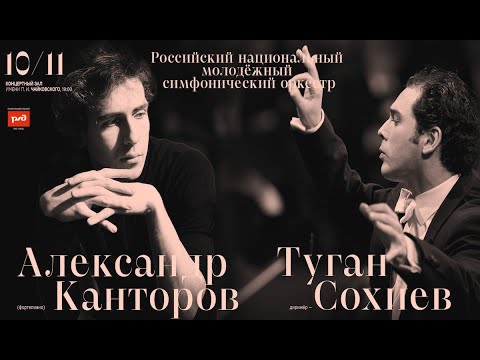
Alexandre Kantorow & Tugan Sokhiev - Live in Moscow (10 November 2021)


https://meloman.ru/concert/rnyso-sohiev-aleksandr-kantorov/

https://www.youtube.com/watch?v=NaBFwQ3ejWM


2021년 11월 10일 19시 모스크바 차이코프스키 콘서트홀

Alexandre Kantorow, piano / 알렉상드르 캉토로프, 피아노

Russian National Youth Symphony Orchestra / 러시아 국립 청소년 심포니 오케스트라

Tugan Sokhiev, conductor / 투간 소히에프 지휘


Program

Berlioz: Roman Carnival Overture, Op. 9 / 베를리오즈 <로마의 사육제> 서곡


Liszt Piano Concerto No. 2 in A, S. 125 / 리스트 피아노 협주곡 2번


Liszt Sonetto del Petrarca No. 104 (encore 1) / 리스트 <페트라르카의 소네트 104>

Stravinsky/Guido Agosti: The Firebird - III. Finale (encore 2) / 스트라빈스키 불새 중 <피날레> (귀도 아고스티 편곡)


Intermission


Rimsky-Korsakov: Scheherazade, Op. 35 / 림스키코르사코프 <셰헤라자데>

I. Largo e maestoso - Allegro non troppo (The sea and Sinbad's ship) / 바다와 신드바드의 배

II. Lento - Allegro molto (The tale of Prince Kalendar) / 칼렌다르 왕자 이야기

III. Andantino quasi allegretto (The young prince and the princess) / 젊은 왕자와 공주

IV. Allegro molto (The festival at Bagdad - The sea - The ship goes to pieces on a rock) / 바그다드의 축제 - 바다 - 난파당하는 배


Encore

Elgar Enigma Variations, Op. 36: Variation IX. Adagio "Nimrod" / 엘가 <수수께끼 변주곡> 중 님로드


오케스트라 앙코르곡이 뭔지 모를 뻔했으나 다행히 유튜브 댓글에서 찾았다.

Alexandre Kantorow - Live in Moscow (11 May 2021)


https://meloman.ru/concert/alexander-kantorov2021-04-09/

https://www.youtube.com/watch?v=rriZIbM9_eU&t=58s


알렉상드르 캉토로프 - 2021년 5월 11일 19시 모스크바 차이코프스키 콘서트홀

Brahms 4 Ballades, Op. 10 / 브람스 4개의 발라드 작품 10

No. 1 in d: Andante

No. 2 in D: Andante

No. 3 in b: Intermezzo. Allegro

No. 4 in B: Andante con moto


Bach/Brahms Chaconne in d for the left hand / 바흐 샤콘느 (브람스의 왼손을 위한 편곡)


Brahms Sonata No. 3 in f, Op. 5 / 브람스 소나타 3번

I. Allegro maestoso

II. Andante - Andante espressivo

III. Scherzo. Allegro energico

IV. Intermezzo. Andante molto

V. Finale. Allegro moderato ma rubato


Saint-Saëns/Liszt/Horowitz: Danse macabre / 생상스/리스트/호로비츠 <죽음의 무도>


Mompou Cançons i danses No. 6 (encore) / 몸푸 <노래와 춤> 6번


앙코르곡은 유튜브 댓글을 통해 알 수 있었다.

Alexandre Kantorow & Alexander Lazarev - Live in Moscow (15 March 2021)


https://meloman.ru/concert/rnyso-sohiev-aleksandr-kantorov/#webcast

https://www.youtube.com/watch?v=X-tiOOxZxcg&t=1s


2021년 3월 15일 19시 모스크바 차이코프스키 콘서트홀

Alexandre Kantorow, piano / 알렉상드르 캉토로프, 피아노

Russian National Youth Symphony Orchestra / 러시아 국립 청소년 심포니 오케스트라

Alexander Lazarev, conductor / 알렉산더 라자레프 지휘


Program

Prokofiev Piano Concerto No. 2 in g, Op. 16 / 프로코피에프 피아노 협주곡 2번

I. Andantino

II. Scherzo. Vivace

III. Intermezzo. Allegro moderato

IV. Finale. Allegro tempestoso


Brahms Sonata No. 3 in f, Op. 5: V. Finale. Allegro moderato ma rubato (encore 1) / 브람스 소나타 3번 5악장

Brahms Ballade in d, Op. 10 No. 1 (encore 2) / 브람스 발라드 작품 10-1


Intermission


Shostakovich Symphony No. 7 in C, Op. 60 "Leningrad" / 쇼스타코비치 교향곡 7번 <레닌그라드>

I. Allegretto

II. Moderato (poco allegretto)

III. Adagio

IV. Allegro non troppo


유튜브에서도 전체를 볼 수 있다.

2022년 1월 28일 금요일

Alexandre Kantorow & Simone Young - Live in Stockholm (28 October 2021)


https://www.konserthuset.se/en/play/liszt-bruckner/

https://www.youtube.com/watch?v=Z-9GpHjPCnc


2021년 10월 28일 18시 스톡홀름 콘서트

Alexandre Kantorow, piano / 알렉상드르 캉토로프, 피아노

Royal Stockholm Philharmonic Orchestra / 스톡홀름 왕립 필하모닉 오케스트라

Simone Young, conductor / 시몬 영 지휘

Konserthuset Stockholm: Stora Salen / 스톡홀름 콘서트홀 본관


Program

Liszt Piano Concerto No. 2 in A, S. 125 / 리스트 피아노 협주곡 2번


Stravinsky/Guido Agosti: The Firebird - III. Finale (encore 1) / 스트라빈스키 불새 중 <피날레> (귀도 아고스티 편곡)

Brahms 4 Ballades, Op. 10 No. 1 in d: Andante [after the Scottish ballad "Edward"] (encore 2) / 브람스 4개의 발라드 작품 10-1


Intermission


Bruckner Symphony No. 6 in A / 브루크너 교향곡 6번

I. Maestoso

II. Adagio. Sehr feierlich

III. Scherzo. Nicht schnell - Trio. Langsam

IV. Finale. Bewegt, doch nicht zu schnell


Interview with Alexandre Kantorow

Göran Persson, musikskribent / 예란 페르손, 음악 작가


Göran Persson: Now welcome to Konserthuset Stockholm, Alexandre Kantorow. As the first... first French pianist ever you won the prestigious Tchaikovsky Piano Competition in Moscow. That was 2019.


Göran Persson: Välkommen till Konserthuset, Stockholm, Alexandre Kantorow. Som den första franske pianisten nånsin-vann du den prestigefulla Tjajkovskij-tävlingen i Moskva. Det var 2019.


예란 페르손 : 스톡홀름 콘서트홀에 오신 것을 환영합니다, 알렉상드르 캉토로프. 최초의... 최초의 프랑스 피아니스트로서 모스크바에서 열린 권위 있는 차이코프스키 피아노 콩쿠르에서 우승했는데요. 2019년이었군요.


Alexandre Kantorow: Yeah, true.


Alexandre Kantorow: Ja.


알렉상드르 캉토로프 : 예, 맞아요.


Göran Persson: You were only 22 at the time. After that, a classical music magazine called you a "young tsar" of the piano.


Göran Persson: Du var bara 22 år då. Efter det kallade en musiktidning dig för "pianots unge tsar".


예란 페르손 : 그때 당신은 겨우 22세였는데요. 그 후 클래식 음악 잡지는 당신을 “피아노의 젊은 차르”라고 불렀지요.


Alexandre Kantorow: That sticks, yeah.


Alexandre Kantorow: Det har fastnat.


알렉상드르 캉토로프 : 딱 붙는 말이네요, 맞아요.


Göran Persson: And your name also looks a little bit Russian, or Polish maybe. How come?


Göran Persson: Ditt namn ser också lite ryskt eller polskt ut. Hur kommer det sig?


예란 페르손 : 당신의 이름은 또한 약간 러시아나 폴란드계 같아요. 어째서인가요?


Alexandre Kantorow: Yeah, it is Russian. It's sort of a Jewish Russian name of the singer in the synagogue, Kantorow and it's at least going back, I think, more than one century ago now. It was at the end of the 19th century, beginning of the 20th century that ancestors came to France and basically there was a V at the beginning at the end of Kantorov, like the normal way of doing it. French administration as usual managed to have problems and we ended up with a W. And basically from there the language, the culture got cut out during the war. So basically none of my parents, grandparents speak Russian or have sort of really Russian culture. So in a way, I feel quite close to Russia more because I think I have had Russian teachers in my life to sort of open me to the sounds, to the music, maybe some part of the blood also is there and I still feel an attachment. I don't know. But it's true, I really like this country and I really like sort of all the older culture and all the long tradition that keeps very alive. It's impressive to see how preserved the heritage is being transmitted from teacher to teacher and you can quickly have direct connections with most Russian composers and very fast if you speak to them.


Alexandre Kantorow: Ja, det är ryskt. Det är ett judiskt-ryskt namn-som betyder ungefär "synagogans sång". Det går tillbaka till över ett sekel sen. I slutet av 1800-talet, början av 1900-talet kom släkten till Frankrike. Först var det ett V i slutet av namnet Kantorov. Franska myndigheter fick förstås svårigheter med det-och satte dit ett W. Sen trängdes språket och kulturen bort under kriget. Varken mina föräldrar, far- eller mor- föräldrar talar ryska-eller prägas av rysk kultur. På ett sätt känne jag mig närbesläktad med Ryssland. Men främst för att jag har haft ryska lärare under mitt liv-som invigt mig i musiken... Jag kanske har det i blodet också. Jag vet inte. Men jag tycker verkligen om det landet-hela dea kultur och hur de håller liv i sin långa tradition. Det är imponerande hur väl de bevarar och förmedlar sitt arv-från lärare till lärare. Man får lätt komtakt med ryska kompositörer om man talar med dem.


알렉상드르 캉토로프 : 예, 러시아계입니다. 유대교 회당에 있는 유대계 러시아 가수의 이름인 칸토로프와 비슷하며, 적어도 지금으로부터 1세기 전으로 거슬러 올라가는 것 같아요. 19세기 말, 20세기 초에 조상들이 프랑스에 왔고, 보통 칸토로프라는 이름 끝에는 V가 붙어요. 물론 프랑스 당국은 이에 어려움을 겪었고 결국 우리는 W로 끝나게 되었죠. 그리고 기본적으로 거기에서 언어와 문화가 전쟁 중에 단절되었지요. 그래서 기본적으로 제 부모님, 조부모님 중 누구도 러시아어를 하지 않으시며 러시아 문화의 영향을 받지도 않으셨죠. 그래서 어떤 면에서 저는 러시아에 더 가깝게 느끼는데, 주로 제 인생에서 러시아 선생님들이 계셨기 때문에 제게 음악을 소개했고... 제 피에도 있을 거예요. 모르겠어요. 하지만 사실인데, 실제로 저는 이 나라를 정말 좋아하고 매우 오래된 문화와 아주 오래 계속되는 모든 전통을 정말 좋아해요. 그들이 교사에서 교사에게 유산을 얼마나 잘 보존하고 전달하는지가 인상적이며, 러시아 작곡가들과 이야기를 나누다 보면 쉽게 접할 수 있어요.


Göran Persson: So you find yourself in a line of tradition going back to centuries back, so to speak.


Göran Persson: Så du befinner dig i ett led av traditioner-som går århundraden tillbaka.


예란 페르손 : 따라서 당신은 수백 년 전으로 거슬러 올라가는 전통의 한가운데에 있군요.


Alexandre Kantorow: I'm not sure of myself but I think that's the main interest in their culture is that you can quickly grab onto that and then you can go back in time very easily if we have enough, yeah, information and preserved heritage, so you can really get, I think, a very good image and good clarity on the past a lot more than in other countries.


Alexandre Kantorow: Jag vet inte om jag själv gör det. Men det intressanta i kulturen är att man snabbt kan gå in i den-och lätt röra sig bakåt i tiden-om man har tillräckligt med information och bevarat arv. Man kan verkligen få... en väldigt bra bild och uppfattning omdet förflutna, mer än i andra länder.


알렉상드르 캉토로프 : 직접 해보면 모르겠어요. 그러나 문화에 대한 흥미로운 점은 충분한 정보와 보존된 유산이 있다면 빠르게 그 문화 속으로 들어갈 수 있고 쉽게 과거로 돌아갈 수 있다는 것입니다. 정말로... 다른 나라들보다 과거에 대한 아주 좋은 그림과 인식을 얻을 수 있죠.


Göran Persson: After you've won this competition in Moscow, it's a big thing to win this competition.


Göran Persson: Efter att du vann den här tävlingen i Moskva... Det är riktigt stort att vinna den.


예란 페르손 : 모스크바에서 열린 이 콩쿠르에서 우승하셨는데, 이 대회에서 우승하시다니 정말 대단합니다.


Alexandre Kantorow: Yeah, it's a big thing.


Alexandre Kantorow: Ja, det är det.


알렉상드르 캉토로프 : 예, 그렇습니다.


Göran Persson: What happened after that?


Göran Persson: Vad hände efter det?


예란 페르손 : 그 후 어떻게 되었나요?


Alexandre Kantorow: Oh, it's even hard to remember exactly. It's very sudden, it's one of the big competitions of music in the world, so it's very followed. The whole organisation and Valery Gergiev, they did a whole lot of pushing so that it would be very watched, it would have an impact on the people that would present the competition. So there was organisers from the whole world, agents from the whole world, the record companies, what not, from the whole world watching and musicians. It was very impressive for the whole competition. We were sort of shut out of the impact otherwise and suddenly from the next day everything opened and you had even people that were there in Moscow, so many people came for the finals. And the next day after the prize was revealed, there was so many agents, people that were there just having sort of wanting to chat, wanting to talk, wanting to put... My agent got so many sort of... It was pretty intense at that moment. It was quite funny because it was so fast that I didn't, I think, realise a lot. I just went with it and I didn't even get back to Paris after the competition because Gargeyev already took me on the tour for a few concerts immediately afterwards. So, yeah, it was just in the thrown in the tornado and you just go with it. So I took a lot of time to actually realise what was going on for the next year before actually COVID happened, I was playing a lot and... and a lot and I was really trying to adjust, trying to... But it was a very new rhythm of life. Everything is faster, you have less time for everything, you have less time to work on new pieces, you have to learn to work very quick and efficient, you have to keep your inspiration intact, you have to still enjoy what you're doing and you keep having stories to tell. So having also a personal life that's which having to... Also I'm very bad with mails, telephones and all that. So having to answer and know what you want to do in the future, what you want to play in two years, it's a new organisation so I had a rough time I know just after the competition and to adjust to that. And, yeah, no, I mean, the only good thing I can feel about COVID was the fact that someday we had time and this time, I mean, the lucky ones that sort of were okay financially to just support themselves, then you had time to think and at least I got time to adjust myself to what I wanted to do, centre myself, have a bit more time to prepare for the next things. And now, yeah, it feels a lot more part of my life now in the DNA and just the rhythm is better.


Alexandre Kantorow: Oj! Det kommer jag knappt ihåg. Den blev plötsligt en av världens största musiktävlingar. Den är väldigt uppmärksammad. Hela organisationen och Valerij Gergijev arbetade hårt-för att den skulle bli synliggjord-så att de som var med i den skulle få stor publicitet. Arrangörer och agenter från hela världen-och skivbolag och musiker bevakade den. Det var ett imponerande arrangemang. Vi var på sätt och vis avskärmade från alla yttre intryck. Sen från en dag till nästa var vi ute ur bubblan. Många kom till finalen i Moskva och dagen efter att priset tillkännagivits-kom det många agenter och andra som ville prata... Min agent fick massor av... Det blev ganska intensivt. Det var lustigt för det gick så fort att jag inte fattade så mycket. Jag följde bara med. Jag åkte inte ens tillbaka till Paris efter tävlingen. Gergijev tog med mig på turné på några konserter direkt efteråt. Jag kastades rakt in i stormen och följde bara med. Det tog tid innan jag fattade vad som hade hänt. Året därpå, innan allt med covid hände-spelade jag bara mer och mer. Jag tror att jag försökte anpassa mig till den här nya livsrytmen. Allt gick fortare, jag fick mindre tid till allt. Man fick mindre tid till verken, måste arbeta snabbare och effektivare. Man måste hålla inspirationen levande-men fortfarande tycka att det är roligt och ha saker att berätta. Man får ett privatliv som förändras. Jag är dålig på att svara på mejl och telefonsamtal-om vad jag vill göra i framtiden, var jag spelar om två år. Det var ett nytt upplägg. Tiden efter tävlingen var tuff och jag tvingades anpassa mig till det. Och, ja... Det enda bra med covid-var att man fick lite andrum. Vi som hade turen att ha de ekonomiska möjligheterna att klara oss-fick tid att tänka. Jag fick tid att ställa in mig på vad jag ville göra-och förbereda mig inför framtiden. Nu är allt mer i fas med mitt dna. Livsrytmen är bättre.


알렉상드르 캉토로프 : 아! 거의 기억나지 않네요. 매우 갑작스러운데, 세계에서 가장 큰 음악경연대회 중 하나이기 때문에 매우 주목받죠. 조직위원회 전체와 발레리 게르기에프는 대회를 지켜보고 참가하는 많은 사람이 많은 홍보를 받을 수 있도록 노력을 많이 기울였어요. 그래서 전 세계의 주최자들, 전 세계의 에이전트들, 음반사들, 뭔가, 전 세계에서 시청하는 사람들과 음악가들이 있었어요. 대회 내내 매우 인상적이었죠. 그 외에 우리는 일종의 충격(모든 외부의 인상)에서 차단(보호)되었고, 다음날부터 갑자기 우리는 거품에서 벗어났는데, 많은 사람이 모스크바의 결선을 보러 왔어요. 그리고 수상이 발표된 다음 날, 너무 많은 에이전트가 있었고, 사람들은 그저 잡담하고 싶고, 이야기하고 싶고, 하고 싶은 말을 하고 있었는데... (많은 에이전트와 다른 사람들이 이야기하려고 왔는데...) 제 에이전트는 많은 것을 얻었고... 그 순간은 꽤 강렬했어요. 너무 빨리 지나가서 이해가 잘 안 가서 웃겼죠. 저는 상을 가지고 갔고 게르기에프가 직후의 몇 차례 콘서트를 위해 이미 저를 투어에 데려갔기 때문에 대회가 끝난 후 파리로 돌아가지 않았어요. 따라서 토네이도(회오리바람)에 던져진 것이므로 그냥 따라갔죠. 그래서 코로나19 사태가 실제로 발생하기 전에 내년에 무슨 일이 일어나고 있는지 깨닫는 데 많은 시간이 걸렸는데, 많이 연주하고... 그리고 이 새로운 삶의 리듬에 적응하려고 노력했던 것 같아요. 모든 것이 더 빨리 진행되었고, 모든 것을 할 수 있는 시간이 줄어들고, 새로운 곡들에 착수할 시간이 줄어들고, 매우 빠르고 효율적으로 작업해야 하고, 영감을 그대로(생생하게) 유지해야 하지만, 여전히 재미있고 할 말이 있다고 생각해요. 그래서 사생활이 변하는데... 저도 우편물, 전화, 모든 것에 대해 매우 서툴거든요. 그래서 답변을 하고 앞으로 하고 싶은 것, 2년 뒤에 연주하고 싶은 것, 새로운 접근 방식이다 보니 콩쿠르 직후에 시간이 촉박했고 적응하느라 힘든 시간을 보냈죠. 그리고 코로나19 사태의 유일한 좋은 점은 잠시 쉴 수 있다는 것이었는데, 운 좋게도 관리할 수 있는 재정적 기회가 있었던 우리는 생각할 시간을 가졌어요. 하고 싶은 일에 적응하고 미래를 준비하는 시간을 가졌죠. 이제 모든 것이 제 DNA와 더 일치하네요.


Göran Persson: You were actually scheduled for a concert here in Konserthuset Stockholm.


Göran Persson: Du skulle ha gjort ett framträdande här i Konserthuset i Stockholm.


예란 페르손 : 당신은 실제로 여기 스톡홀름 콘서트홀에서 연주회가 예정되어 있었는데요.


Alexandre Kantorow: Yeah, it's true.


알렉상드르 캉토로프 : 예, 맞아요.


Göran Persson: A recital, yeah. You should have been playing Brahms.


Göran Persson: Du skulle ha spelat Brahms-men det ställdes in på grund av covid.


예란 페르손 : 예, 독주회였죠. 당신은 브람스를 연주하려던 것이 틀림없어요. (브람스를 연주하려고 했는데 코로나19로 인해 취소되었죠.)


Alexandre Kantorow: Yeah, absolutely, yeah.


알렉상드르 캉토로프 : 예, 물론이죠.


Göran Persson: But that was cancelled because of COVID. But now we are here and we're very happy for that. And we've heard you're playing Franz Liszt Concerto No. 2.


Göran Persson: Men nu är du här och det är vi väldigt glada för. Vi har hört dig spela Franz Liszts pianokonsert nr 2.


예란 페르손 : 하지만 코로나19 때문에 취소되었죠. 그러나 지금 당신은 여기에 있고 우리는 그것에 대해 매우 행복합니다. 그리고 우리는 당신이 리스트 협주곡 2번을 연주한다고 들었습니다.


Alexandre Kantorow: Yeah.


Alexandre Kantorow: Ja.


알렉상드르 캉토로프 : 맞아요.


Göran Persson: And this concerto, you have been playing several times before.


Göran Persson: Den här konserten har du spelat flera gånger tidigare.


예란 페르손 : 그리고 당신은 이 협주곡을 이전에 여러 번 연주하신 적이 있었죠.


Alexandre Kantorow: Yes.


Alexandre Kantorow: Ja...


알렉상드르 캉토로프 : 네...


Göran Persson: And first time when you were very young.


Göran Persson: Första gången var du väldigt ung.


예란 페르손 : 그리고 당신이 아주 어렸을 때 처음 연주하셨죠.


Alexandre Kantorow: Yes, it's kind of an old friend now because I started when I was 16, 17 to play it. I recorded them when I was 17, around 18, I recorded both these concertos and a very unknown work by Liszt called Malédiction. That's a sort of special work that he wrote quite young for piano and string orchestra that's very experimental. And it's really quite avant-gardist and more close than Stravinsky to actual Chopin and the composers at the time of Liszt. Here, this second concerto, I feel it's the one I like most to play in between the two in the sense that I feel that really the second one was a sort of maturation of the first ideas he had in the first concerto. The idea was to basically create more than a concerto, a few movements, a whole symphonic poem that would have in one big continuous line. And in the first concerto, he did kind of that but you still had movements that were very clearly defined and you just had transitions that flowed naturally between all movements. Here, it's just one long rhapsody going on with the same themes, the same theme that you heard at the beginning will come all the time in the piece in different forms and different characters and he metamorphoses them so that they, yeah, take new life and new ideas and you follow a very natural process. And he manages to be very inventive in the way he will use everybody in the orchestra. The piano takes a lot of different roles, it sometimes just accompanies, it starts off actually very funny like that. You're a company, you just play like a harp some calls and that's it. And then you build up and you get the soloist parts. But sometimes then you have this cello solo, that's amazing. And so it feels so organic in the end. Yeah, you just feel like a whole big story, like a symphonic poem that's he was famous for doing.


Alexandre Kantorow: Ja, den är som en gammal vän. Jag började spela den när jag var 16-17 år. När jag var 17-18 år kallade jag båda för "Lisztkonserterna". Det var även ett okänt verk av honom som heter "Malédiction"-som han skrev för piano och stråkar när han var ganska ung. Det är väldigt experimentellt och ganska avantgardistiskt. Det ligger närmare Stravinsky än Chopin och Liszts samtida. Den andra konserten är den jag tycker mest om att spela. Jag tycker att i den-har idéerna mognat som han hade i den första konserten. Idén var inte bara att skapa en konsert med några få satser-utan en hel symfonisk dikt i en lång, oavbruten linje. I den första konserten gjorde han lite av det-men satserna är fortfarande tydligt definierade. Där är det övergångar som flyter mellan alla satserna. I den här är det en enda lång rapsodi som fortsätter-med samma teman som i början. De dyker hela tiden upp i verket i olika former och karaktärer. Han förvandlar dem så att de får nytt liv med nytt innehåll. Man följer en väldigt naturlig process. Han är väldigt uppfinningsrik genom sitt sätt att använda alla i orkestern. Pianot tar sig många olika uttryck. Ibland är det bara ackompanjemang. Det börjar ganska roligt på det sättet. Man ackompanjerar och pianot låter som en harpa i några ackord. Sen byggs det upp till solopartierna. Ibland kommer det fantastiska cellosolot in. Det känns väldigt organiskt. Det känns som en lång historia, som en symfonsk dikt, som han var känd för.


알렉상드르 캉토로프 : 네, 제가 16세나 17세에 시작했기 때문에 이제는 오랜 친구가 되었죠. 17세나 18세에 리스트 협주곡 2개와 함께 잘 알려지지 않은 리스트의 작품 <저주>도 녹음했어요. 매우 실험적인 피아노와 현악 오케스트라를 위해 아주 어린 나이에 쓴 특별한 작품이죠. 그리고 실제로 상당히 전위적이며 실제로 쇼팽과 리스트의 동시대 작곡가들보다 스트라빈스키에 더 가까워요. 여기 협주곡 2번은 실제로 그가 협주곡 1번에서 지녔던 첫 번째 아이디어의 성숙함이라고 느끼는데, 제가 가장 연주하고 싶은 협주곡이죠. 첫 번째 아이디어는 단지 몇 개의 악장으로 된 협주곡을 만드는 것이 아니라 길고 중단 없는 라인으로 전체 교향시를 만드는 것이었어요. 그리고 협주곡 1번에서 그는 그런 식으로 했지만, 여전히 매우 분명히 정의된 악장들이 있었고 모든 악장 사이에는 자연스럽게 흐르는 전환이 있었죠. 여기에서 협주곡 2번은 같은 주제들로 진행되는 하나의 긴 랩소디일 뿐인데, 처음에 들은 같은 주제가 항상 다른 형식들과 다른 성격들로 곡에서 나오고(이 곡에는 처음과 같은 주제로 계속되는 하나의 긴 랩소디가 있고), 그는 이것들을 변형시켜 새로운 생명과 새로운 아이디어를 얻도록 하며, 매우 자연스러운 과정을 따릅니다. 그리고 그가 오케스트라의 모든 사람을 활용하는 방식은 매우 독창적입니다. 피아노는 다양한 역할(표현)을 맡고, 때로는 반주만 하기도 하는데, 그런 식으로 꽤 재밌게 시작됩니다. 반주하면 피아노는 몇 개의 화음으로 된 하프처럼 들립니다. 그런 다음 솔로 파트까지 구축하죠. 하지만 가끔 환상적인 첼로 독주가 나옵니다. 따라서 마지막에는 되게 구조가 탄탄하게 느껴져요. 그가 쓰고 있었던 유명한 교향시처럼 긴 이야기 같아요.


Göran Persson: Yeah, yeah. Now we are playing it again. Has your view of this music kind of changed over the years from when you started to play it?


Göran Persson: Nu spelar du den igen. Har din syn på den här musiken förändrats genom åren-mot när du började spela den?


예란 페르손 : 예, 그렇군요. 이제 다시 연주하는군요. 리스트 피아노 협주곡 2번을 연주하기 시작한 이후 몇 년 동안 이 음악에 대한 관점이 바뀌었나요?


Alexandre Kantorow: Oh, yeah, definitely because, and that's one of the draw in music, that's one of the things that keeps us going is the fact that you're changing basically, good or better or worse, it's not the issue, but you're changing at least and that's crucial basically. Yeah, this concerto, I remember at 16, you just go for it, you just... You don't care that much about what it should sound like, what it should mean, what shouldn't have been played and the way it should have been played at the time or you just go for it and you have this sort of naive way of doing that's in a way very, very electrifying also and because you just watch for the first instinctive ideas you have and you go for it, so you have a lot of excitement generally in the first time you plays a piece. And, yeah, now it's true I've played it quite a lot. I try more and more now to... I would say probably have very clear sound of what in my ears before playing, it's very important for me to capture the sonorities, the different sonorities because it's so on the same instrument, the piano, he makes us do so many varied stuff and varied sonorities. So I really try to focus on that and to sort of take time to build something that's because it has... I feel quite some similarities in the way, for example, Bruckner is played afterwards, it has this sort of build-up and slow and this way of building cathedrals and in the structures and I think it's more earthly now and probably grounded in something more, more, I would say, heavy of out, hope of meaning. And, yeah, that's what probably is the new thing.


Alexandre Kantorow: Ja, verkligen. Det är det roliga med musik och det är vår drivkraft. Faktumet att man vet att man förändras. Till det bättre eller sämre är inte det viktiga, men man förändras. Det är ju grundläggande. Jag minns att i 16-årsåldern funderade jag inte så mycket. Jag brydde mig inte så mycket om-hur det skulle låta, vad det betydde eller hur det spelades ursprungligen. Man bara spelade och hade ett naivt sätt att göra det på... Det är också väldigt laddat. Man går rakt på de första instinktiva idéerna man får och kör på det. Det är väldigt spännande första gången man spelar ett stycke. Det är sant att jag har spelat stycket många gånger nu. Numera försöker jag allt oftare... ha ljudbilden klar för mig i öronen innan jag spelar. Det är viktigt för mig att fånga de olika klangerna, för det är så... På samma instrument, pianot-får han oss att göra så många olika saker och få fram så många klanger. Så jag försöker på det och utveckla det. Jag tycker att... Det finns likheter med vad till exempel Bruckner spelade senare. Det byggs upp och saktar ner. Det här sättet att bygga katedraler i strukturen. Det är mer jordat nu och troligen grundat-i kanske nåt tyngre, ett hopp om en mening. Det är antagligen det nya, tror jag.


알렉상드르 캉토로프 : 아, 예, 확실하죠. 그리고 리스트 피아노 협주곡 2번은 매력적인 음악 중 하나이므로, 우리를 계속 나아가게 하는 것 중 하나는 기본적으로 좋든 나쁘든 변하고 있다는 사실인데, 그것이 문제는 아니지만, 적어도 변하는 것은 기본적으로 중요하죠. (음악의 재미이자 우리의 원동력입니다. 자신이 변하고 있다는 사실을 알고 있는데요. 좋든 나쁘든 중요하지 않지만 변하죠. 기본이거든요.) 이 협주곡은 16세일 때 연주했던 것으로 기억하는데... 이 곡이 어떤 소리를 내야 하는지(어떻게 들리는지), 무엇을 의미하는지, 무엇을 연주하지 말아야 하는지, 이 곡이 당시에 연주되었던 방식에 대해 그다지 신경 쓰지 않았는데, 이런 순수한 연주 방식은 정말 짜릿한 방법이기도 하며 자신이 가진 첫 번째 본능적인 아이디어를 바로 보고 그것을 추구하기 때문에 일반적으로 작품을 처음 연주할 때 흥분을 많이 하게 됩니다. 그리고 현재 제가 이 곡을 꽤 많이 연주한 것은 사실입니다. 지금 더 노력하고 있는데... 연주하기 전에 제 귀에 들리는 소리가 매우 분명하다고 말할 수 있을 것이고, 그가 우리에게 다양한 일을 하게 만들고 다양한 울림을 주는, 같은 악기인 피아노이므로 울림, 울려 퍼지는 것을 포착하는 것이 매우 중요하죠. 따라서 저는 정말로 그것에 집중하려고 노력하고 시간 들여 뭔가를 구축하려고 해요... (요즘 저는 점점 더 자주... 연주하기 전에 제 귀에 사운드 이미지가 준비되도록 합니다. 다른 소리를 포착하는 게 중요하거든요. 왜냐 하면 너무... 같은 악기에서 피아노는 우리에게 너무나 많은 일을 하게 하고, 많은 소리를 만들어 내죠. 그래서 노력하고 개발합니다.) 유사한 방식을 예로 들면, (프로그램에서) 브루크너(교향곡 6번)가 나중에 연주되는데, 이런 종류의 확충과 느린 것이 있고 구조물에서 대성당을 짓는 방식이 유사하며 제 생각에 지금이 더 세속적이며 어쩌면 더 많은 것에 기반을 두고 있다고 생각하는데, 더 나아가 더 무거운 무엇인가, 의미에 대한 희망에 기초를 닦았을 것입니다. 그게 아마 새로운 것 같아요.


Göran Persson: You come from a very musical family.


Göran Persson: Du kommer från en musikalisk familj.


예란 페르손 : 음악가 집안 출신이군요.


Alexandre Kantorow: Yeah, that's true, yeah.


Alexandre Kantorow: Det stämmer.


알렉상드르 캉토로프 : 예, 맞아요.


Göran Persson: Because I know that this very concerto, Liszt No. 2, and even also Liszt Concerto No. 1, you recorded together with your father as a conductor.


Göran Persson: Jag vet att den här konserten, Liszts pianokonsert nr 2-och även hans pianokonsert nr 1 spelade du in med din far som dirigent.


예란 페르손 : 바로 이 협주곡인 리스트 2번과 리스트 협주곡 1번도 아버지의 지휘로 녹음했다는 것을 알고 있으니까요.


Alexandre Kantorow: Yeah, absolutely, yeah.


Alexandre Kantorow: Javisst.


알렉상드르 캉토로프 : 예, 물론이죠.


Göran Persson: Yeah. And, yeah, what significance has it been for you to have a father that is also violinist and conductor? Have you played together in other circumstances or have you accompanied him on violin and...


Göran Persson: Vad har det haft för betydelse för dig-att ha en far som också är violinist och dirigent? Har ni spelat tillsammans i andra sammanhang-eller har du ackompanjerat honom när han spelar violin?


예란 페르손 : 예. 그리고 바이올리니스트이자 지휘자인 아버지가 있다는 것은 당신에게 어떤 의미였나요? 다른 상황에서 함께 연주했거나 바이올린으로 연주하는 그를 반주했는지...


Alexandre Kantorow: Oh, yeah. It's a great luck to have been sort of around my dad because when I was a kid, my parents were not at all in, say, focussed on me playing music for a living or doing music for a living. I did music, I did piano, it was very much an after-school thing. And for a long time I didn't realise what I got from my parents because both of them are violinists. But I would hear, of course, my dad's quite a lot more and I would hear him work, I would hear his records in the back, I would hear a lot of music and I wouldn't know a lot culturally, I wouldn't know what was the piece he was working on, I wouldn't know. But there was some ideas, some ways that are his ways of doing music that have naturally passed upon me. So when we play together, it's very easy because it's like we are having the same sort of familiar ground on music. And, yeah, then it's been a joy. I've played a lot with him on the violin. He stopped for quite a few years but now we're doing few also concerts and we've recorded also the Brahms sonatas together. Yeah? That was a sort of special project we wanted to do. And, yeah, basically I would say it's precious moments and I really sort of I'm thankful to having all these possibilities to have this, even if I have a lot of concerts and a lot of things, it's very nice to have these little moments where we can just do music together because it really feels easy and natural. So, yeah, that was a project we did. We also did the Liszt, Saint-Saëns concertos together.


Alexandre Kantorow: Ja, jag har haft stor tur-som har fått vara i närheten av min pappa. När jag var barn var mina föräldrar inte alls inriktade på-att jag skulle bli en professionell musiker. Jag spelade musik och piano mest som hobby efter skolan. Under lång tid förstod jag inte vad hade fått från mina föräldrar. Båda är violinister, men jag hörde ju pappa mer. Jag hörde honom arbeta, hans skivor spelas i bakgrunden och mycket musik. Jag var inte så insatt i vilka stycken han arbetade med. Men vissa idéer och hans sätt att göra musik på-fördes vidare till mig. När vi spelar tillsammans känns det väldigt lätt. Familjen står på nåt sätt på samma grund musikaliskt. Jag har spelat mycket med honom när han spelar violin. Han spelade inte under många år, men nu ha vi gjort några konserter. Vi spelade även in Brahms sonater tillsammans. Det var ett speciellt projekt som vi ville göra. Jag tycker att det har varit fina stunder. Jag är tacksam över att ha den här möjligheten. Även om jag har mycket konserter och annat-känns det fint att ha de stunderna när vi kan göra musik tillsammans. Det känns enkelt och naturligt. Ja, det var ett projekt vi gjorde. Vi gjorde även Saint-Saëns konserter tillsammans.


알렉상드르 캉토로프 : 아, 예. 아버지와 가까이 있는 건 정말 행운이었어요. 제가 어렸을 때 부모님은 제가 전문 음악가가 되는 데 전혀 관심이 없었어요. 저는 음악을 했고, 피아노를 쳤는데, 그건 방과 후의 일이었죠. 그리고 오랫동안 부모님 모두 바이올리니스트였기 때문에 제가 무엇을 받았는지 깨닫지 못했어요. 하지만 물론 저는 아버지의 연주를 훨씬 더 많이 들었고, 아버지가 작업하는 것을 들었고, 뒤에서 녹음들을 들었고, 많은 음악을 들었고, 문화적으로 많이 알지 못하지만, 아버지가 착수하고 계셨던 곡이 무엇인지는 몰랐어요. 그러나 자연스럽게 제게 전해진 아버지의 음악을 만드는 방식에 대한 몇 가지 아이디어, 몇 가지 방법이 있었어요. 그래서 우리가 함께 연주할 때 음악에 대해 같은 종류의 익숙한 기반을 지니고 있었으므로 아주 쉬웠죠. 그리고 그건 기쁨이었어요. 저는 아버지가 바이올린을 연주하실 때 많이 반주했는데요. 아버지는 몇 년 동안 연주하지 않으셨지만, 이제 우리는 콘서트도 좀 하며 브람스의 바이올린과 피아노를 위한 소나타들도 함께 녹음했어요. 따라서? 우리가 하고 싶었던 특별한 프로젝트였어요. 그리고 기본적으로 소중한 순간(좋은 시간)이라고 말하고 싶고, 많은 콘서트를 가지고 많은 것을 가지고 있더라도 이 모든 가능성을 가질 수 있다는 것에 정말 감사하는데, 정말 쉽고 자연스러워서 함께 음악을 할 수 있는 이 작은 순간들이 되게 좋아요. 따라서 그게 우리가 했던 프로젝트였죠. 우리는 리스트와 생상스의 협주곡들도 협연했어요.


Göran Persson: Yeah.


Göran Persson: Ja.


예란 페르손 : 그래요.


Alexandre Kantorow: And also that's nice because at the time my dad had recorded all Saint-Saëns works for violin and orchestra. And in a way also some love of certain repertoire that's also common, so, yeah.


Alexandre Kantorow: Det var fint-för då hade pappa spelat in alla Saint-Saëns verk för violin och orkester. Det finns också en kärlek till vissa repertoarer som vi har gemensamt.


알렉상드르 캉토로프 : 그리고 또한 당시에 아버지가 생상스의 바이올린과 오케스트라를 위한 모든 작품을 녹음했기 때문에 좋았어요. 그리고 어떤 면에서는 공통으로 가지고 있는 특정 레퍼토리에 대한 사랑도 있거든요.


Göran Persson: You have a very broad repertoire. I think so. You're playing like Prokofiev, and Brahms, Saint-Saëns, very many composers, and of course Liszt. Now, what is it that fascinates, what is it that draws you to certain composers like Liszt, for example, if we take this Liszt?


Göran Persson: Du har en väldigt bred repertoar, tycker jag. Du spelar Prokofjev, Brahms och så vidare. Många kompositörer. Och naturligtvis Liszt. Vad är det som fascinerar... Vad är det som lockar dig med vissa kompositörer? Som med Liszt till exempel.


예란 페르손 : 당신은 매우 광범위한 레퍼토리를 가지고 있다고 생각하는데요. 당신은 프로코피에프, 브람스, 생상스, 물론 리스트 같은 매우 많은 작곡가를 연주하고 있죠. 자, 당신을 매료시키는 것은 무엇인지... 특정 작곡가들에 어떤 매력이 있나요? 예를 들면 리스트와 마찬가지로...


Alexandre Kantorow: Liszt, I mean every composer, you have a certain specific thing that makes you want to involve them. I think Liszt started more about the character, about his actual life because he has one of the most interesting lives of the whole composers' life. He wasn't at a great time of music but also, his character was very interesting, the way he grew up, the way he fascinated with Beethoven, the way he became sort of famous rockstar at the time. Then he started, he wanted to become a composer seriously. He has his sort of creativity and openness to all kinds of different culture and different music. And he's been maybe one of the most important figures of pushing music in new ways. He was the one that's famous, for example, the symphonic poems that were this whole idea of time of the romantic period of having some extra musical ideas directly into the music. And even if from a long time ago, music had always been influenced by other arts and other stuff, but this was done in a way that was really to put them very, very much open and together and in a very clear way. And he did his Dante symphony, his Faust symphony, his relationships with literature, with all the arts are central and at every point of his life, he did something new and interesting and he went as far as his last works were already impressionistic and already, I mean, without tonalities, he was so, yeah, creative in his ideas and so curious. Really the curiosity that he had was the most, I think, interesting part of his life and of his work, musical work. So, yeah, that was for Liszt one of the things I really love. He has also a very interesting way of waiting for piano. He really spent so much time of his life just focussed on finding new techniques and new ways of possibilities of on the piano. He has countless books of exercises on the piano and of sketches of ideas of ways to enrich and develop the vocabulary of what's available. He was also very involved in the new instruments of the time. So he's a very interesting person.


Alexandre Kantorow: Med Liszt är det... Alla kompositörer som man vill arbeta med har nåt speciellt. Med Liszt började det nog med hans person och hans liv. Bland alla kompositörer är han en av de mest intressanta personerna. Han var verksam under en vigtig tid. Även hans karaktär var intressant. Så även hans uppväxt, hans fascination inför Beethoven-att han var den tidens rockstjärna. Sen slutade han framträda för att bli kompositör på riktigt. Han är kreativ och öppen inför olika kulturer och olika musikstilar. Han var kanske en av de viktigaste personerna-som såg nya vägar för musiken. Han blev till exempel berömd för sina symfoniska dikter-genom hela den här idén under romantiken-att föra in sina egna musikaliska idéer i musiken. Även om musiken sen länge hade influerats av andra konstarter-gjordes det här på ett sätt-som förde in dem på ett uppenbart och tydligt sätt. Han gjorde Dantessymfonin, Faustsymfonin... Hans relation med litteraturen och alla konstarter är central. Genom hela sitt liv gjorde han nåt nytt och intressant. Han gick så långt att hans sista verk-redan var impressionistiska utan tonaliteter. Han var så kreativ med sina idéer och så nyfiken. Hans nyfikenhet var den mest intressanta delen av hans liv-i förhållande till hans musikaliska verk. Det är en sak med Liszt som jag älskar. Han har också ett väldigt spännande sätt att skriva för piano. Han ägnade en stor del av sitt liv åt-att hitta nya tekniker och möjligheter till uttryck på piano. Han har otaliga böcker med övningar på piano. Av skisser med idéer... sätt som berikar den vokabulär som fanns tillgänglig. Han var också väldigt insatt i den tidens nya instrument. Han var en intressant person.


알렉상드르 캉토로프 : 리스트와 함께라면... 함께 작업하고 싶은 모든 작곡가에게는 특별한 것이 있어요. 어쩌면 리스트에 대해서는 그의 성격과 실제 삶에 대해 더 많이 시작했는데, 모든 작곡가 중에서 가장 흥미로운 사람 중 한 명이기 때문이죠. 그는 위대한 음악의 시대에 살았죠. (그는 중요한 시기에 활동했죠.) 그가 성장한 방식, 그가 베토벤에 매료된 방식, 그가 당시 일종의 유명한 록스타가 된 방식이 되게 흥미로웠어요. 그러다가 본격적으로 작곡가가 되려고 연주를 중단했죠. 그는 모든 종류의 다양한 문화와 다양한 음악에 대한 창의성과 개방성을 지니고 있었어요. 그리고 어쩌면 그는 음악의 새로운 길을 본 가장 중요한 인물 중 한 명일 것입니다. 예를 들면 그는 낭만주의 시기에 이 모든 아이디어를 통해 자신의 음악적 아이디어를 음악에 접목한 교향시로 유명해졌죠. 그리고 오래전부터 음악은 항상 다른 예술 형식의 영향을 받았지만, 그것들을 매우 개방적으로 하나로 통합하여 매우 명확하게 만드는 방식으로 이루어졌죠. 그리고 그는 <단테 교향곡>과 <파우스트 교향곡>에서 핵심인 문학과 모든 예술 형식을 연결했고, 평생 새롭고 흥미로운 시도를 했고, 그의 마지막 작품들까지 이미 인상주의적이고 조성이 없으며 매우 창의적인 아이디어와 함께 호기심이 넘쳤어요. 정말이지 그의 호기심은 그의 음악 작품과 관련하여 그의 인생에서 흥미로운 부분인 것 같아요. 제가 리스트에 대해 좋아하는 것이 하나 있는데요. 그는 피아노를 위한 매우 흥미로운 작곡 방법도 가지고 있었어요. 그는 실제로 피아노의 새로운 테크닉과 가능한 새로운 방법들을 찾는 데 인생의 많은 부분을 바쳤거든요. 그는 셀 수 없이 많은 피아노 연습곡집, 가능하면 어휘를 풍부하게 하고 발전시키는 방법에 대한 아이디어 스케치를 가지고 있었어요. 당시의 새로운 악기에도 많이 몰두했고요. 그래서 매우 흥미로운 사람이죠.


Göran Persson: Really pushed the boundaries...


Göran Persson: Han tänjer på gränserna för vad som var möjligt att spela på piano.


예란 페르손 : 정말 한계를 뛰어넘었군요...


Alexandre Kantorow: Absolutely.


알렉상드르 캉토로프 : 물론이죠.


Göran Persson: ...for what is possible to play on the piano.


예란 페르손 : ...피아노로 연주할 수 있는 것에 대해서요.


Alexandre Kantorow: Definitely. Yeah, really. And it never disserved the music, it was never just for the pleasure of going fast. I mean, you can say that of some of his first works was like that aren't that relevant and that were more show pieces, but very quickly he found a way of really developing the technique at the service of music to find new sounds, new sonorities, new ways of bringing instruments of the orchestra onto the piano where he did all the Beethoven symphonies and found ways to do it on the piano. He did that Berlioz, Symphonie Fantastique. So he was very involved in trying to get different sounds out of this instrument. And so, yeah, it was, I feel, always at the service of music.


Alexandre Kantorow: Verkligen, ja. Han övergav aldrig musiken för att briljera och komma fortare fram. Så är det möjligen med några av hans första verk-glansnummer som han ville visa upp. Men väldigt fort hittade han ett sätt att utveckla tekniken. Han var i musikens tjänst och hittade nya ljud och klanger-nya sätt att ta instrumenten i orkestern till pianot. Han hittade sätt att spela alla Beethovens symfonier på piano. Han gjorde Berlioz "Symphonie fantastique". Han var väldigt involverad i att få olika ljud ur instrumenten. Han var verkligen hängiven musiken.


알렉상드르 캉토로프 : 분명히요. 실제로요. 그리고 음악을 함부로 하지 않았고, 단지 빨리 연주하는 즐거움을 위한 것이 아니었죠. 그의 첫 번째 작품 중 일부는 관련성이 없고 더 많은 대표작과 같았지만, 매우 빨리 새로운 소리, 새로운 음향, 오케스트라의 악기들을 피아노에 도입하여 베토벤 교향곡 전곡을 편곡하는 새로운 방식들을 찾기 위해 음악이 원하는 대로 테크닉을 실제로 발전시키는 방법을 찾았으며, 피아노에 적용하는 방법들을 찾았어요. 베를리오즈의 <환상 교향곡>도 그렇게 했고요. 따라서 그는 이 악기에서 다양한 소리를 내기 위한 노력을 많이 기울였어요. 그래서 제 생각에 그는 항상 음악에 봉사하는 것 같았어요. (그는 음악에 정말 헌신적이었죠.)


Göran Persson: Yeah. And that we've heard now in his second concerto.


Göran Persson: Det hörde vi nu i den andra konserten.


예란 페르손 : 그렇군요. 그리고 우리가 지금 그의 두 번째 협주곡에서 들은 것이군요.


Alexandre Kantorow: Yeah, absolutely.


Alexandre Kantorow: Ja, verkligen.


알렉상드르 캉토로프 : 예, 물론이죠.


Göran Persson: Yeah.


Göran Persson: Ja.


예란 페르손 : 예.


Alexandre Kantorow: And the second concerto, it's great because there's this certain maturity in the way that he already has so much vocabulary at this point and he basically, yeah, just writes music and it's natural what comes out on the piano. And what Franz said, it's very nice to see the evolution where often you can see different versions of the same work and for example, the etudes of the Liszt have transcended in execution that are famous. You have two versions of them. You have a very early one that's more kids like you and then you have a very sort of a very incredibly difficult one version where you feel try to experiment, and then you have the one that stayed that's the most, I would say, matured and coherent. And I feel this concerto has this coherence and naturalness that you don't really feel what did he do on the piano and what was this kind of technique, you just listen to the music and you really don't care about how it's done. And that's what I like.


Alexandre Kantorow: Och den andra konserten är central. För där finns en mognad på ett sätt som han... Han har redan en sån stor vokabulär vid det här laget. Han skriver bara musiken-och det som kommer ut på pianot känns naturligt. Det är fint att se utvecklingen. Man ser ofta olika versioner av samma verk. Till exemple "Études d'exécution transcendante" som är väldigt berömd. Det finns två andra versioner av dem. En tidigare som är lite barnslig. Sen finns en som är väldigt... komplicerad, där han försöker experimentera. Sen finns den som blev rådande. Den är mer mogen än konsekvent hållen. Jag tycker att den här konserten har en konsekvens och naturlighet. Man undrar faktiskt inte-vad han gjorde med pianot och med vilken teknik. Man bara lyssnar på musiken och bryr sig inte om hur det är gjort. Det gillar jag.


알렉상드르 캉토로프 : 그리고 두 번째 협주곡은 위대한데, 그가 이 시점에서 이미 너무 많은 어휘를 가지고 있고 기본적으로 곡을 쓴 게 피아노에서 나오는 것이 자연스럽기 때문이죠. 그리고 프란츠 리스트가 말한 것처럼, 같은 작품의 다른 버전을 종종 볼 수 있는 진화(발전)를 보는 것은 매우 좋은데, 예를 들어 리스트의 연습곡들은 그 유명한 기교를 초월했거든요. <초절기교 연습곡>에는 두 가지 버전이 있어요. 하나는 아이들처럼 매우 초기의 것이고, 다른 하나는 실험을 시도하는 것 같은 느낌이 드는 매우 어려운 것이며, 그런 다음 말하자면 가장 성숙하고 일관되게 남아 있는 것이 있죠. 그리고 이 협주곡에는 이런 일관성과 자연스러움이 있어서 그가 피아노에서 무엇을 했는지, 이런 종류의 테크닉이 무엇인지 느끼지 못하는데, 보통 사람들은 음악을 듣기만 하고 어떻게 만들어지는지는 전혀 신경 쓰지 않죠. 전 그걸 좋아해요.


Göran Persson: That will be the final words for this conversation. Thank you so very, very much, Alexandre Kantorow, for coming here.


Göran Persson: Det blir samtalets sista ord. Tack så mycket, Alexandre Kantorow, för att du kom hit och pratade.


예란 페르손 : 그게 이 대화의 마지막 말이 되겠네요. 알렉상드르 캉토로프, 여기 와서 이야기해주셔서 정말 감사합니다.


Alexandre Kantorow: Thanks very much.


알렉상드르 캉토로프 : 정말 감사합니다.


Göran Persson: Talk to us. Thank you.


예란 페르손 : 인터뷰에 응해주셔서 감사드립니다.


원래 피아노 연주만 가지려고 했다. 인터뷰 자막이 있는 건 알고 있었지만, 인터뷰 부분을 굳이 가질 생각이 없었다. 그러나 이리저리 동영상을 받을 수 있는 프로그램들을 찾아서 돌리다가 결국 영어 자막까지 받아졌다. 그래서 자막 파일을 텍스트 파일로 변환한 다음 복사하여 누가 말하는지 정리한 다음 번역했다. 캉토로프가 구사하는 게 완전한 영어는 아니라서 그냥 영어만 보고 번역한 건 아니고 모국어인 프랑스어로 말했다면 이렇게 전달했을 것 같다는 느낌까지 고려했다. 이런 발상은 음반 내지를 번역하던 경험에서 나온 것인데, 단지 그런 것만 번역하는 게 아니라 때로는 유튜브에 나온 동영상을 언어별로 살펴보면서 번역하기도 했으니까. 이러면 의역이 상당히 늘어나게 된다. 구어체가 대부분 아는 단어라고 할지라도 은근히 번역하기 어려울 때도 있다. 영어로 절반 가까이 뭔가 불완전하고 어렵게 번역하다가 해당 사이트에 스웨덴어 자막까지 있다는 것을 알게 되어 결국 일일이 받아쓰기하여 절충했다. 일단 영어로만 먼저 해봤다. 그러다가 리스트의 교향곡 중에 down symphony가 무슨 말인가 했다. 가장 아래로 내려가는 마지막 교향곡인지? 찾아보니 단테 심포니인 듯해서 고쳤다. 스웨덴어 자막을 보니 단테가 맞다. 단테 교향곡이 1번인 줄 알았더니 first symphony는 자막을 만든 사람이 파우스트 심포니를 잘못 듣고 적은 것이었다. down symphony, first symphony 외에도 자막을 일부 고쳤다. 스웨덴어 자막은 안 받아지니깐 할 수 없다는 듯이 툴툴거리면서도 영어를 보완할 수 있다는 생각에 사서 고생 시작! 외국 분이 안부를 물어봐서 영어 번역 끝내고 스웨덴어 자막을 받아쓸 차례라고 말했다. 그분은 내 블로그 독자들이 좋아하겠다고 말씀하셨는데, 한국인 독자들은 한국 피아니스트 위주로 관심이 있다고 답변했다. 사실상 해외 연주자들에 대한 수요가 적다. 하지만 나한테는 해외 연주자 팬질이 든든한 버팀목! 음반 내지에서 스웨덴어를 복사하여 번역한 적은 있지만 받아쓰기는 이번이 처음이다. 몇몇 단어는 스펠링이 독일어랑 비슷하게 느껴졌다. 어렵게 번역했던 영어는 결국 스웨덴어로 보완했다. 며칠 동안 바빠서 완전히 번역하기까지 5일 가까이 걸렸다.

Google Drive / 2026. 09. Jean Sibelius Violin Competition Winners 2

제5회 1985 공동 1위 Leonidas Kavakos (Greece) / 레오니다스 카바코스 (그리스) 01 Leonidas Kavakos - Brahms Violin Concerto, Hungarian Dances & Bartok Rhap...