

https://ok.ru/video/1518074399271
https://www.youtube.com/watch?v=_It-qx4a8rc
클라라 하스킬 - 연주자의 수수께끼 (연주의 마법)
Vevey, Switzerland / 스위스 브베
Clara Haskil Piano Competition / 클라라 하스킬 피아노 콩쿠르
Michel Dalberto, pianist: Normally, performers disappear. They die, and are replaced by other generations, who take their place. And Haskil is one of those very rare examples of someone, whose recorded legacy, stays with us, and to which one refers.
미셸 달베르토 (피아니스트) : 일반적으로 연주자들은 사라집니다. 그들은 죽고 다른 세대로 대체되어 그들의 자리를 차지하죠. 그리고 하스킬은 기록된 유산이 우리와 함께 있거니와 누군가가 언급하는 매우 드문 사람의 예 중 하나입니다.
Christoph Eschenbach: So, let's take it from the beginning, tempo a little more relaxed, then.
크리스토프 에셴바흐 : (콩쿠르 결선 리허설에서) 그러면, 처음부터 할게요, 템포를 좀 더 편안하게.
Patrick Peikert, director of Clara Haskil Competition: We can relate also to the courage she showed in her life, to have lived through two world wars as an adult and jew, in an anti-Semitic environment, and be in poor health, and yet, to keep all her strength. To continue. It's an extraordinary example. I think, for young musicians, who have a different comfort level.
파트리크 파이케르트 (클라라 하스킬 콩쿠르 감독) : 우리는 또한 삶에서 그녀가 보여준 용기, 성인과 유대인으로서 두 번의 세계 대전을 겪었으며 반유대적 환경에서 건강이 좋지 않았지만, 그녀의 모든 힘을 유지하는 것과 관련지을 수도 있습니다. 이어지는 것. 놀라운 예입니다. 제 생각에 젊은 음악가들에게 있어 편안함의 수준이 다른 사람입니다.
Christoph Eschenbach, president of jury of Clara Haskil Competition) : That swings... Schumann after the break. She remains modern. I call it 'zeitlos', 'timeless', because I think I think she was even more modern then. Maybe a bit less now. But that's her! Spot on! Exactly what one should do.
크리스토프 에셴바흐 (클라라 하스킬 콩쿠르 심사위원장) : (콩쿠르 결선 리허설에서) 자유롭게 움직여... 쉬고 나서 슈만을 합시다. (인터뷰에서) 그녀는 여전히 현대적입니다. 저는 그것을 ‘시대를 초월한’ 것이라 부르는데, 그녀가 그 당시 훨씬 더 현대적이라고 생각하기 때문이죠. 지금은 조금 더 적을 수도 있습니다. 하지만 그게 그녀죠! 딱 맞아요! 정확히 무엇을 해야 하는지.
Michel Dalberto, pianist: And there's still this fascination for this person, who remains very mysterious, whose spirit stays alive for us. And yet she had what? A ten-year career.
미셸 달베르토 (피아니스트) : 그리고 우리를 위해 영혼이 살아있는 매우 신비로운 이 사람에게는 여전히 이 매력이 있어요. 그런데 그녀는 무엇을 가졌을까요? 10년 경력입니다.

Charlie Chaplin: In my lifetime, I've met three geniuses. One was Clara Haskil. The other was Professor Albert Einstein. And the other was Sir Winston Churchill.
찰리 채플린 : 살면서 세 명의 천재를 만났는데, 알베르트 아인슈타인, 윈스턴 처칠 경, 그리고 클라라 하스킬이었다. 난 정규 음악인은 아니지만 그녀의 연주를 평가하자면, 음색은 정교했고 표현력은 놀라웠으며 테크닉은 비범했다.

"Bucharest, Romania, 1895. Don't expect the story of an unhappy life. Turbulent perhaps. As far as I can remember, I was sensitive, hypersensitive, to music. Born in Bucharest, to a very musical family, I was taken to study in Vienna as a child, by a music-loving uncle. Professor Richard Robert was my teacher. Thanks to him, I gave my first concert at 10, which caused a stir. We needed a second vehicle, for all the presents we received."
“1895년 루마니아 부쿠레슈티. 불행한 삶의 이야기를 기대하진 말아줘. 어쩌면 격동이었을 거야. 내가 기억하기로는, 음악에 예민했어. 부쿠레슈티의 매우 음악적인 가정에서 태어나 어린 시절에 음악을 사랑하는 삼촌에 의해 비엔나로 유학 갔지. 리하르트 로베르트 교수님이 내 선생님이었어. 그분 덕분에 열 살 때 첫 연주회를 가졌는데, 센세이션을 일으켰지. 우리가 받은 모든 선물을 실으려면 두 번째 차량이 필요했어.”

Michel Dalberto, pianist: From memory, the first time I heard Clara Haskil, was on the radio, and I was immediately captivated. I couldn't... tear myself away from the radio, every time I heard her play this. I must have been barely ten years old.
미셸 달베르토 (피아니스트) : 기억을 더듬어보면, 제가 클라라 하스킬을 처음 들은 게 라디오에서였는데, 즉시 매료되었죠. 저는... 그녀가 이것을 연주하는 것을 들을 때마다 멀어질 수 없었어요. 겨우 열 살이었을 거예요.
Soler Sonata in D, R. 84 / 솔레르 소나타 R. 84
Alain Lompech, music critic: The sonorities were absolutely extraordinary, and there was an eloquence, a vocality in the playing, that gave me the impression, the person playing was playing for me. And spoke just to me. So, she became a friend. You see? That's great. Brilliant! How does she do it? The running fingers, but... at the same time? See? It's very happy, very lively. It's arching. Completely dazzling. Dazzling. At that time, there were very few people who played so, so... masterfully, but also with a seemingly complete freedom. It's really unbelievable. Hats off to Clara!
알랭 롱페슈 (음악 평론가) : 울려 퍼짐이 절대적으로 특별했고, 연주에는 감동시키는 힘과 노래하는 부분이 있어서 연주하는 사람이 저를 위해 연주하고 있다는 인상을 받았어요. 그리고 저한테만 말했죠. 그래서 그녀는 친구가 되었죠. 보이시나요? 위대해요. 훌륭해요! 그녀는 어떻게 하는 걸까요? 질주하는 손가락들, 그런데... 동시에? 보이시죠? 정말 행복하고 활기차요. 아치형입니다. 완전히 눈부셔요. 빛나죠. 그 당시에는 그렇게 연주한 사람들이 거의 없어서, 따라서... 대가다울 뿐만 아니라 겉보기에는 완전히 자유로워 보여요. 정말 믿기지 않아요. 클라라에게 경의를 표합니다!
"Paris, 22nd April, 1907. Dear mother, I'm sending you a photo, which will be a surprise. I just hope you're in good health. Uncle Avram and I were pleased that Lilli and Jeanne made progress. I'm hoping this year, I'll get the first medal of the Conservatoire. We can't wait to see you this summer. Compliments from uncle Avram. Clara."
“1907년 4월 22일 파리.
어머니에게
깜짝 놀랄 사진을 보내드릴게요. 어머니, 건강하세요. 아브람 삼촌과 저는 언니 릴리와 여동생 잔느가 발전한 것이 기쁘답니다. 올해에는 음악원 1등상을 받았으면 좋겠어요. 이번 여름에 뵙고 싶어요. 아브람 삼촌이 칭찬해주셨어요.
클라라가”
"21st June 1912. Dear Uncle Isaac, I don't know when, where or whether I'll give any concerts, but I'm preparing an extraordinary programme. Apart from music, I'm learning other things, like science, and during the holidays, I'm going to read some plays. I'll write again soon. Goodbye. Clara."
“1912년 6월 21일.
이삭 삼촌에게
언제, 어디서 콘서트를 열지 모르겠지만 특별한 프로그램을 준비하고 있어요. 음악 외에도 과학 같은 다른 것들을 배우고 있고 휴일에는 연극을 읽을 거예요. 곧 다시 쓸게요. 안녕히 계세요.
클라라가”
Alain Lompech, music critic: The Paris Conservatoire was the world's biggest in the early 1900s. It was also where Debussy and Ravel lived, Manuel de Falla, the Spanish, lived in Paris then. So it was very important for a musician to succeed in Paris. Especially as the audience weren't always easy.
알랭 롱페슈 (음악 평론가) : 파리 음악원은 1900년대 초에 세계 최대 규모였어요. 드뷔시와 라벨이 다녔던 곳이기도 하고, 이후에는 스페인의 마누엘 데 파야가 다녔죠. 그래서 음악가가 파리에서 성공하는 것은 매우 중요했죠. 특히 청중이 항상 쉽지만은 않았어요.
Patrick Peikert, director of Clara Haskil Competition: You give a piece, a score, to twenty different pianists, and they'll all make something different out of it. Version C of the Italian Concerto, by J.S. Bach, on Critics' Tribune this afternoon, at France Musique. How do you find the version C of Alain Lompech?
파트리크 파이케르트 (클라라 하스킬 콩쿠르 감독) : 20명의 피아니스트에게 곡 하나, 악보 하나를 주면 그들은 모두 다르게 해석할 것입니다. 오늘 오후 프랑스 뮈지크의 크리틱스 트리뷴에서 바흐 이탈리아 협주곡 C버전이 있었는데요. 알랭 롱페슈의 C버전은 어떤가요?
Alain Lompech, music critic: All the notes are there, played in the same order. But something happens that brings the music alive, and becomes a conversation you're part of. Or not. There are many very good performers, lots and lots and lots, who play very well. Some even nearly as well as her, even as well as her. But differently. She had something special. Just a Menuhin did. As Maria Callas did, something that was simply unique. It's almost, no, it is impossible, to explain. But you can hear it. You can hear it very well.
알랭 롱페슈 (음악 평론가) : 모든 음들이 같은 순서로 연주됩니다. 하지만 음악에 활기를 불어넣어 당신이 일부가 되는 대화가 생겨나죠. 또는 아니거나. 정말 좋은 연주자들이 많이 있는데요. 일부는 그녀만큼 잘 해요. 하지만 다르죠. 그녀는 특별해요. 메뉴인이 그랬죠. 마리아 칼라스가 그랬듯이, 그저 뭔가 독특해요. 설명하기가 어렵네요. 하지만 들을 수 있어요. 아주 잘 들을 수 있죠.
Schumann Waldszenen, Op. 82: VII. Vogel als Prophet / 슈만 <숲의 정경> 중 7번 <예언하는 새>
"When I was 15, I met Busoni, who wanted to take me to Berlin, to guide my career. Something that couldn't happen for personal reasons, something I still regret, 50 years later. Looking back on a turbulent and fitful existence, and despite some deep bonds of affection, the predominant feeling was undoubtedly that of loneliness. So, when I was young, and even in the musical world, I always felt alone."
“15세였을 때 내 경력을 안내하기 위해 나를 베를린으로 데려가고 싶어 했던 부조니를 만났어. 사적인 이유로는 일어날 수 없는, 50년이 지난 지금도 유감스러운 일이야. 격동적이고 발랄한 존재를 되돌아보며, 깊은 애정의 유대감에도 불구하고, 의심할 여지없이 외로운 느낌이 지배했어. 그래서 내가 어렸을 때, 심지어 음악계에서도 항상 외로움을 느꼈지.”

Eliane Reyes, pianist: Being a child prodigy, you grow up all at once. So you're thrust into an adult world, but an admiring one, in which you're the centre, so there's a kind of a missing stage socially, in terms of adolescence. The first emotions, conversations, growing up with other teenagers of your age, of course. She felt very happy with kids, because she could keep her more childlike side. And it was probably protective, because she was somewhat awkward in company, not knowing quite what was expected of her. So, how to behave in a normal life?
엘리아네 레예스 (피아니스트) : 어린 신동이 되면, 한꺼번에 성장합니다. 그래서 성인의 세계로 밀려나지만, 자기가 중심이 되는 감탄하는 세계에 빠져있으므로, 사춘기의 관점에서 보면, 일종의 누락된 단계가 있죠. 물론 먼저 감정, 대화, 또래의 다른 10대들과 함께 성장합니다. 그녀는 보다 아이 같은 모습을 유지할 수 있었기 때문에, 아이들과 함께 있을 때 매우 행복하다고 느꼈죠. 그리고 그녀는 자신에게 기대되는 것이 무엇인지 잘 모르고 사람들 앞에서 다소 어색했기 때문에 어쩌면 방어적이었을 거예요. 그렇다면 평범한 일상에서는 어떻게 행동해야 할까요?
Conservatoire Royal de Bruxelles / 브뤼셀 왕립 음악원
Eliane Reyes, pianist: Her uncle also played a key role in her emotional life, shaping her life and encounters, staking everything on the piano because her uncle too had given up everything for her career. He wanted Clara to succeed, and she owed him that.
엘리아네 레예스 (피아니스트) : 그녀의 삼촌도 그녀의 경력을 위해 모든 것을 포기했기 때문에, 그녀의 인생과 만남을 형성하고 피아노에 모든 것을 걸어 그녀의 감정적 생활에서 중요한 역할을 했습니다. 그는 클라라가 성공하길 원했고, 그녀는 그에게 신세를 졌죠.
Schumann Kinderszenen, Op. 15: I. Von fremden Ländern und Menschen (unpublished recording) / 슈만 <어린이의 정경> 중 1번 <미지의 나라들> (미발매 녹음)
Eliane Reyes, pianist: Yes, you see, scenes of childhood, a legendary recording, but it's a different interpretation from the ones we're used to, with even more poetry, and mystery... she allows herself freedom, to go a little bit further. It's wonderful, you hear her sonority, her breathing, naturalness and spontaneity. Her childlike side. Nothing's tasteless, always a thought, a shape, an architecture, clear in its exposition. Well argued, well phrased as well, and very lilting. For me, a determined woman, who knew what she wanted and went for it, but with a fragile side too. These versions are virtually perfect.
엘리아네 레예스 (피아니스트) : 그래요, 아시다시피 <어린이의 정경>은 전설적인 녹음이지만, 우리에게 익숙한 것들과는 다른 해석이며, 더더욱 시적인 우아함과 신비함을 지녔는데... 그녀는 자신에게 조금 더 나아갈 수 있는 자유를 허용합니다. 놀라워요, 그녀의 울려 퍼짐, 그녀의 호흡, 자연스러움, 즉흥적인 게 들려요. 그녀의 아이 같은 면이죠. 어떤 것도 맛깔나지 않는 게 없고, 제시부에서 항상 사색, 모양, 건축이 분명해요. 잘 입증되고 잘 표현되었을 뿐만 아니라 매우 경쾌해요. 제게 그녀는 원하는 것을 알고 그것에 힘을 쏟지만, 연약한 면도 있는 다부진 여성입니다. 이 버전들은 사실상 완벽해요.
Chopin Piano Concerto No. 2 in f, Op. 21: III. Allegro vivace / 쇼팽 피아노 협주곡 2번 3악장
"When I left the Conservatoire, I met a Mr. Schirmer from New York, who wanted to organized a concert tour across Europe and the USA. A project that never happened because of the war. During which I vegetated in plaster, for four years."
“음악원을 떠났을 때 뉴욕에서 온 쉬르머 씨를 만났는데, 그는 유럽과 미국을 가로지르는 콘서트 투어를 조직하고 싶어 했어. 하지만 전쟁 때문에 없었던 계획이 되었지. 그 동안 나는 4년을 깁스 상태로 별로 하는 일 없이 지냈어.”
Berck Beach hospital / 프랑스 베르크 해변의 병원
Eliane Reyes, pianist: She was treated here at the hospital, for back pain. She was even in plaster for a time. Too long, as she had scoliosis.
엘리아네 레예스 (피아니스트) : 그녀는 요통 때문에 병원에서 치료 받았어요. 한동안 깁스 상태였죠. 척추 측만증이 있었기 때문에 너무나도 오래 했죠.
"Little Elves Guesthouse, Berck Beach, June 1918. Dear Mr. Morpain, The doctor suggested I spend the summer in Switzerland, not so much for an improvement in my health, but because the loss of my mother has affected my morale, and my health has been much affected by it. Now, I'm better. My back's better, and I soon won't have to carry my celluloid apparatus. I'm very anxious because the war is more violent than ever. Yours most affectionately, Clara."
“1918년 6월 베르크 해변의 꼬마 요정 게스트하우스.
조셉 모르팽 씨에게
의사는 건강이 나아지기 위해서가 아니라 어머니를 잃은 것이 사기에 영향을 미치고 건강에 많은 영향을 미치기 때문에 스위스에서 여름을 보낼 것을 제안했어요. 지금은 더 나아졌어요. 등이 좋아지고, 곧 셀룰로이드 기구를 가지고 다닐 필요가 없어졌어요. 전쟁이 그 어느 때보다 난폭하기 때문에 매우 불안해요.
친애하는 클라라로부터”
Eliane Reyes, pianist: The time she spent here, 1914-1918, in wartime, without her family or friends or her piano... she couldn't cope. She played at a doctor's, at very regulated times, without really being able to work. She worked with scores at the table. Obviously, that encouraged introspection, and self doubt. Collecting her thoughts internally, as a way of releasing her anguish.
엘리아네 레예스 (피아니스트) : 그녀는 1914~1918년 전쟁 중에 가족이나 친구들, 피아노가 없이 이곳에서 보낸 시간 동안... 대처할 수 없었죠. 그녀는 정말로 일을 할 수 없는 상태에서 매우 규제된 시간에 의사의 자택에서 연주했죠. 그녀는 테이블에 악보를 놓고 연구했어요. 분명히 그것은 자기 성찰과 자기 회의를 불러일으켰죠. 자신의 고뇌를 푸는 방식으로 내면에 있는 생각을 모으고 있었죠.
Mozart Piano Concerto No. 20 in d, K. 466: III. Rondo. Allegro assai / 모차르트 피아노 협주곡 20번 3악장
"Feeling better, I carried on with my career. A career is a suitcase, weighed down with scores, stations, concert halls and faces. Some belonged to famous men, called Ysaye, Enesco, Casals. Zurich, 1923. Both the concerts in Vienna were a great success. And in a review, they wrote: 'A new star!' Paris, the same year: My dear Jeanne, My health isn't bad, but I cough a lot, despite the cupping glass. As soon as I get to Lausanne, I'll sort out my concert dates. I need to return there, and I hope everyone will rush to my concerts."
“기분이 나아진 나는 경력을 지속했어. 경력이란 악보, 방송국, 콘서트홀, 얼굴로 내리누르는 여행 가방이지. 몇몇은 외젠 이자이, 제오르제 에네스쿠, 파블로 카잘스라는 유명한 사람들이야.
1923년 취리히.
비엔나에서 열린 두 콘서트 모두 큰 성공을 거두었어. 그리고 리뷰에서 그들은 다음과 같이 썼어. ‘새로운 스타!’
같은 해 파리.
잔느에게
내 건강이 나쁘지는 않지만, 부항단지로 요법을 받았음에도 기침을 많이 해. 로잔에 도착하면 연주회 날짜를 정리할게. 난 거기로 돌아가야 하고, 모두 내 연주회에 서둘렀으면 해.”
Alain Lompech, music critic: She played all the great repertoire concerts: Liszt's Sonata, Iberia by Albeniz, works requiring great virtuosity. Every time she played them, it was a triumph. Though these triumphs never led to other bookings. Just 5 a years.
알랭 롱페슈 (음악 평론가) : 그녀는 모두 훌륭한 연주회 레퍼토리를 연주했는데, 리스트의 소나타와 알베니스의 이베리아는 훌륭한 기교가 필요한 작품입니다. 그녀가 이 곡들을 연주할 때마다 대성공이었죠. 이러한 대성공이 다른 예약으로 이어지진 않았지만요. 1년에 겨우 5회였죠.
"I'm fed up. My concerts have been put off, until the end of April. And, given I got up yesterday for the first time, I'm worried about being able to play on the 16th. By then, everyone will have forgotten me completely. New York, 12th November 1924. Dear Jeanne, Just a few words in haste, to say that my concert went really, really well. There were lots of people. Lots of success and good reviews. Some of them were really excellent. It's funny to think of Aarau, Vevey even Lausanne or Geneva, when you live in the hurly-burly of New York. After all the sacrifices and expense, it would be crazy not to arrange to come back alone, now that I'm starting to really succeed."
“난 진저리가 났어. 연주회가 4월 말까지 연기되었거든. 그리고 어제 처음으로 일어났는데, 16일에 연주할 수 있을지 걱정돼. 그때쯤이면 모두가 나를 완전히 잊을 거야.
1924년 11월 12일 뉴욕.
잔느에게
서둘러 몇 마디만 하자면, 연주회가 정말정말 잘 됐어. 많은 사람들이 있었거든. 많이 성공했고 호평 받았어. 몇몇 연주회가 정말 훌륭했거든. 네가 번잡한 뉴욕에 살 때 아라우, 브베, 심지어 로잔이나 제네바를 생각하는 게 재밌어. 모든 희생과 비용을 감수하고 난 후, 이제 정말 성공하기 시작했으니 혼자 돌아오지 않는 것은 미친 짓이야.”
Alain Lompech, music critic: There were people in Paris, who'd always helped her, always supported her. Even financially. Families that paid for her, helped her out, as she had so little money. There were the Desmarais. And she was official pianist to the Princess of Polignac, in whose salon she played with the greatest musicians in town. Horowitz: she played duets with him for example, who greatly admired Clara Haskil. Yet, it never seemed to lead to other things. As if she wasn't what you'd call 'bankable'. Very strange. There wasn't an impresario who took her up, so as to develop her career. Maybe she was a bit to blame, too. She could be difficult. Not self-indulgent, but one side of her was a bit self-destructive. So when you've an agent, to whom you keep saying you play badly, I don't know if he'd be tempted to find you lots of concerts.
알랭 롱페슈 (음악 평론가) : 항상 그녀를 도와주고 지원해준 사람들이 파리에 있었습니다. 재정적으로도. 그녀는 돈이 거의 없었기 때문에, 그녀를 위해 돈을 지불한 가족들이 그녀를 도와주었죠. 그들 중에는 폴 드마레 일가가 있었죠. 그리고 그녀는 폴리냐크 공주의 공식 피아니스트가 되어 살롱에서 마을의 가장 위대한 음악가들과 협연했죠. 예를 들어 클라라 하스킬과 함께 연주했던 호로비츠는 그녀에게 찬사를 보냈는데요. 그러나 그건 다른 것들로 이어지지 않았던 것 같았어요. 그녀가 당신이 ‘돈벌이가 되는’ 것이라 부르는 것이 아니었던 것처럼. 아주 이상하죠. 그녀의 경력을 발전시키기 위해 그녀를 맡은 기획자가 없었거든요. 어쩌면 그녀도 약간 비난을 받았을 거예요. 어려웠을지도 모릅니다. 방종은 아니지만, 그녀의 한쪽은 약간 자기 파괴적이었어요. 따라서 당신이 계속 나쁘게 연주한다고 말하는 에이전트라면, 그가 당신에게 많은 연주회를 찾고 싶게 하는 유혹을 받을지도 모르겠네요.
"Winterthur, 1936. Dearest sister, The concierge in Paris tells me the rent still hasn't been paid. I hope he won't take our furniture. And he'll tell us before he does. Should I take him some chocolate? I've found one that is particularly good. Dear Jeanne, I've returned from the concert, which was a huge success. I had to appear in the Princess of Polignac's loggia, surrounded by half-dressed women, and men in dinner jackets. I went down well there. Well, everyone kept looking at me. Me, who loves that sort of thing. I was thrilled! A music critic came to ask for a photo and a biography, for a revue. No thanks! I don't like that sort of thing."
“1936년 빈터투어.
여동생에게
파리의 관리인이 내게 집세를 아직 내지 않았다고 얘기했어. 그가 우리 가구를 가져가지 않았으면 해. 그리고 그는 그러기 전에 우리에게 말할 거야. 그분한테 초콜릿 좀 가져다 드릴까? 특히 좋은 것을 찾았거든.
잔느에게
연주회에서 돌아왔는데 큰 성공을 거두었어. 나는 옷을 제대로 갖춰 입지 못한 여성과 야회복을 입은 남성에게 둘러싸인 폴리냐크 공주의 로지아(한 쪽 또는 그 이상의 면이 트여 있는 방이나 복도로, 특히 주택에서 거실 등의 한쪽 면이 정원으로 연결되도록 트여 있는 형태)에 나타나야만 했지. 거기에 잘 내려갔어. 음, 모두가 날 계속 쳐다봤어. 난 그런 걸 좋아해. 난 기뻤어! 음악 평론가가 시사 풍자극을 위해 사진과 전기를 요청하려고 왔어. 귀찮아! 그런 건 싫거든.”
Haydn Sonata No. 50 in D, Hob. XVI:37 - III. Finale. Presto, ma non troppo / 하이든 소나타 50번 3악장
Joëlle Caullier (Musicologist) : It's so clear. All in the fingers. There's very little pedal. And above all, there are infinitesimal nuances. You see that she plays within a medium, but then, certain pianissimo notes create an amazing elegance. You sense also sometimes, this tendency almost to accelerate. As if the horse is bolting. That's where I sense perhaps, signs of stage fright. After the second phrase, you feel she's off. She tends to get carried away because her heart beats very fast, and she has trouble holding the reins. But that's what creates this fragility. It's this fragility, and an amazing perfection of detail.
조엘르 콜리에 (음악학자) : 진짜 뚜렷해요. 손가락에 모든 것이 있죠. 페달을 거의 사용하지 않는데요. 그리고 무엇보다도 극히 작은 뉘앙스가 있어요. 그녀가 중간 크기로 연주하는 것을 보지만, 특정 피아니시모(매우 여린) 음들이 놀라운 우아함을 만들어내죠. 때로는 이러한 경향이 거의 가속되는 것도 감지하죠. 말이 도망치는 것처럼, 어쩌면 제가 무대 공포증의 징후를 느끼는 곳이겠죠. 두 번째 프레이즈가 나온 후에는 그녀가 벗어난다고 느끼죠. 그녀는 심장이 매우 빨리 뛰고 고삐를 잡는 데에 어려움을 겪기 때문에 정신을 잃는 경향이 있는데요. 그러나 그게 이 연약함을 만드는 것이죠. 이건 연약함이며, 놀라운 디테일의 완성도입니다.
"Alas. You have to work so much without rest, and for months, and longer years, before calmly facing the public, with the necessary mastery. I know that. But how?"
“아아. 대중을 침착하게 대면하기 전에는 성숙함이 필요하면서 쉬지 않고, 몇 달, 더 긴 시간 동안 많은 일을 해야 돼. 알아. 하지만 어떻게?”
Joëlle Caullier (Musicologist) : She was ready to withdraw and flee, before going on stage. It's true you have to cross this huge space of the stage, aim for the instrument, which is very impressive, in its black and whiteness. Sense the public out in that dark mouth, this cavern, where you see nothing at all. So I think that's what kept her going. This need to give access to the perfection that she herself had experienced.
조엘르 콜리에 (음악학자) : 그녀는 무대에 오르기 전에 중단하고 떠날 준비가 되어 있었어요. 무대의 이 거대한 공간을 가로질러 흑과 백의 매우 인상적인 악기(피아노)를 목표로 해야 하는 것은 사실입니다. 아무것도 보이지 않는 그 어두운 입구, 이 동굴에서 대중을 감지하세요. 그러면 제 생각에 그녀가 계속하는 것입니다. 이것은 그녀 자신이 경험한 완벽함에 접근할 필요가 있죠.
"The night before last, I dreamt 50 times I played Chopin's Bolero, and always went wrong, at the same ritornello. Why drive yourself crazy? When I woke, I was more tired, than if I'd not slept at all."
“그저께 밤에 나는 쇼팽의 볼레로를 50번 연주하는 꿈을 꿨는데, 같은 리토르넬로(17세기 이탈리아의 오페라나 칸타타에서 노래의 전주 · 간주 · 후주로서 반복되는 기악적인 부분)에서 항상 틀렸어. 왜 날 미치게 하는 걸까? 깨어났을 때에는 전혀 잠을 자지 않는 것보다 더 피곤했어.”
Alain Lompech, music critic: From the beginning, Clara was accepted by the public. Just afterwards, something happened, that meant she still played, but less and less, and her encounters with the public became much more sporadic, which meant that she wasn't able to cement this link with the public. And so her career, slowly, slowly, slowly faded, until we got I think, to 1936, where she gave six public concerts, two of them, for no fee.
알랭 롱페슈 (음악 평론가) : 처음부터 클라라는 대중에게 받아들여졌어요. 얼마 지나지 않아 뭔가가 발생하여, 여전히 연주했지만 점점 줄어들었고 대중과의 만남이 훨씬 더 산발적이어서 대중과의 관계를 확고히 할 수 없었죠. 그래서 그녀의 경력은 천천히, 천천히, 천천히 사라졌는데, 제 생각에 1936년까지 그녀는 6개의 공개 연주회, 2개의 무료 공연을 가졌어요.
"Dear Joachim, It's strange how in Paris, it's never worked. Maybe it's because I don't have a fur coat, and don't wear lipstick."
“요제프 요아힘에게
파리에선 일이 되지 않아서 이상해. 나한테 털외투도 없고 립스틱도 안 발라서겠지.”
Bach/Busoni: Nun komm, der Heiden Heiland, BWV 659 / 바흐 <이방인의 구세주여 오소서> (부조니 편곡)
Joëlle Caullier (Musicologist) : Maybe her character, elusive, fragile, anxious and eager, maybe that didn't quite suit a society, needing reassurance. There was a need for authority and order, between the wars. But she... she performed her works, with incredible precision, but she wasn't reassuring.
조엘르 콜리에 (음악학자) : 어쩌면 종잡을 수 없고 연약하고 불안하며 열심인 그녀의 성격은 안도감이 필요한 사회에 적합하지 않았을지도 모릅니다. 1차 세계대전과 2차 세계대전 사이에는 권위와 질서가 필요했는데요. 하지만 그녀는... 믿을 수 없을 정도로 정확하게 작품들을 연주했지만, 안심하지 못했죠.
"September 1939. Mr dear Dinu, I'm really worried and distressed. And I've got no one to talk to. Here, all my concerts have been cancelled. My sister says that they've decided foreigners can't play on the radio. So, I won't have any work there. What can I say? What can I do? Tell me where to go. Where is home? Nowhere. Maybe in the next world."
“1939년 9월.
디누 리파티에게
정말 걱정되고 괴로워요. 그리고 이야기할 사람이 없어요. 여기에서 제 모든 콘서트가 취소되었어요. 여동생(?) 말로는 외국인들이 라디오 방송국에서 연주할 수 없다고 결정했대요. 그래서 저는 거기에서 어떤 일도 하지 못할 거예요. 뭐가 있을까요? 어떡하죠? 갈 곳을 알려주세요. 집이 어디죠? 아무데도 없어요. 아마 다음 세상이겠죠.”
Alain Lompech, music critic: Clara Haskil was Jewish. She succeeded in crossing the Free Zone, with French National Orchestra musicians. The radio orchestra. They took her with them, and she went to Marseilles, to stay with Countess Pastré, who protected lots of artists, and who sometimes even managed to be heard by the Milice, as Clara was arrested by the police. The countess managed to get her released, took her home, for her protection, and Clara lived for several months like that, between Edith Piaf, and Darius Milhaud, before he left. Yura Güller was there too. And so Clara Haskil was lucky to be able to get some Swiss papers, and she arrived in Switzerland, the day after the Germans entered the Free Zone, and the whole country was occupied.
알랭 롱페슈 (음악 평론가) : 클라라 하스킬은 유대인이었어요. 그녀는 프랑스 국립 오케스트라 단원들과 자유구역을 무사히 건너갔죠. 라디오 오케스트라였는데요. 그들은 그녀를 동반하여 마르세유로 갔으며, 클라라가 경찰에 체포되었다는 소식처럼 때때로 프랑스 민병대의 말을 듣고 여러 예술가들을 보호했던 자선사업가인 릴리 파스트레 백작 부인의 집에서 머물렀죠. 백작 부인은 그녀를 석방시켜 보호해주려고 자신의 집에 데려갔으며, 클라라는 에디트 피아프, 떠나기 전의 다리우스 미요 사이에서 그렇게 몇 달 동안 살았어요. 유라 귈러도 거기에 있었죠. 그래서 클라라 하스킬은 운 좋게도 스위스 신문들을 구할 수 있었고, 독일군이 자유구역에 들어가서 전국이 점령된 다음 날에 스위스에 도착했죠.
Mozart Piano Concerto No. 9 in Eb, K. 271 "Jeunehomme": II. Andantino / 모차르트 피아노 협주곡 9번 <죄놈> 2악장
Vevey in Switzerland /스위스 브베
Clara Haskil Piano Competition / 클라라 하스킬 피아노 콩쿠르
Patrick Peikert, director of Clara Haskil Competition: It's very welcoming here for musicians, since the Romantics, especially in the 20th century. First with composers, then later with performers, or great conductors, like Nikita Magaloff, Wilhelm Furtwängler, Carl Schuricht, Josef Krips. Vevey was where Clara Haskil probably spent her best years. And since 1973, the competition has been held here, in Vevey. You have to cheat with the piano. It's percussive, lots of hammers. How can you make music, with something that bangs strings? So you need a certain sensitivity, and I think a lot of control, too. And then of course, there's the phrasing, but if only we knew! Why, suddenly, does something move us? Or not? That's what we try to discover a bit here. Sometimes we find it, but we don't really know why. But, in any case, we continue to look.
파트리크 파이케르트 (클라라 하스킬 콩쿠르 감독) : 낭만주의, 특히 20세기 이후의 음악가들을 매우 환영합니다. 처음에는 작곡가들, 나중에는 니키타 마갈로프, 빌헬름 푸르트뱅글러, 카를 슈리히트, 요제프 크립스 같은 연주자 또는 위대한 지휘자들과 함께 합니다. 브베는 아마도 클라라 하스킬이 최고의 해를 보낸 곳이었을 거예요. 그리고 1973년부터 콩쿠르가 여기 브베에서 열렸죠. (피아노 조율 중) 피아노로 속여야 합니다. 쳐서 소리를 내는, 해머가 많죠. 현을 두드리는 것으로 어떻게 음악을 만들 수 있을까요? 따라서 특정한 세심함이 필요하며, 제 생각에 많은 컨트롤(조절, 통제)도 필요하죠. 그리고 물론, 프레이징(표현)도 있지만, 우리가 알았더라면! 왜 갑자기 뭔가가 우리를 움직일까요? 또는 아니거나? 그것이 우리가 여기에서 조금 발견하려고 하는 것이죠. 때때로 우리는 그것을 발견하지만, 그 이유를 정말로 모릅니다. 그러나 어쨌든 우리는 계속 찾죠.

Christian Zacharias, president of jury of Clara Haskil Competition: In this competition, we seek playing that aims for that ideal. If we choose between someone who's maybe got... a few little problems with technique, it doesn't matter, if what they say, what they convey, is in that spirit. And then suddenly, you listen. That's it in a nutshell, just like music lovers or the public, and that is already a very good sign.
크리스티안 차하리아스 (클라라 하스킬 콩쿠르 심사위원장) : 이 대회에서 우리는 그 이상적인 것을 목표로 하는 연주를 추구합니다. 우리가 이걸 지닌 사람을 선택한다면... 테크닉에 약간 문제가 있지만, 그들이 말하는 것, 전달하는 것이 그 정신에 있다면 그것은 중요하지 않아요. 그리고 갑자기 듣죠. 간단히 말해서 음악 애호가나 대중과 마찬가지로, 이미 매우 좋은 징조입니다.
"Vevey, 1944. Dear Michel, I'm sorry to be writing to you again. But I beg you to send me, if you still have them, the coupons that could help me here, to buy a carton of milk. The piano hasn't arrived yet, I'm scared that one of these days, they'll send me back home, which would be the same as going back to hell."
“1944년 브베.
미셸 로시에에게
다시 편지를 보내서 죄송합니다. 하지만 아직 가지고 계신다면, 우유 한 팩을 살 수 있는 신청권을 보내주시기 바랍니다. 피아노가 아직 도착하지 않았는데, 요즘에는 그들이 저를 집으로 돌려보낼까봐 두려워요. 지옥으로 돌아가는 것과 마찬가지예요.”
Marguerite Colombo, friend of Clara Haskil: It was a time after the war, where many families took on people, who no longer had family or country. And it's true that Clara became a sort of a member of our family, but quite naturally. We were a family of musicians. My father in law was passionate about music. We were able to give her something important: family life. When my father in law used to visit her, when she lived by the lake in Vevey, I used to say to him: "You're going to see Clara, can I come?" And I always got there first, by the door of her tiny flat, because she never wanted anyone to listen to what she was working on. So I glued my ear to the front door, and so I got a few scraps of music. And I always said to my father in law: "Don't ring straight away! You're not supposed to listen at doors, even when it's a door, to musical paradise." So we went in, and Clara was very friendly, she adored the children, and held me very tightly in her arms. Very easy to get to know. I can still smell the powder she wore on her face, when I remember. I remember a very smiling Clara. Very engaged in the conversations. Gay, often with funny anecdotes to tell, she looked after the cats, and always had one near her. She loved laughter, loved to laugh. She loved to eat, she was a real food lover.
마르그리트 콜롱보 (클라라 하스킬의 친구) : 전쟁이 끝난 후, 많은 가족들이 더 이상 가족이나 나라가 없는 사람들을 고용했습니다. 그리고 클라라가 우리 가족의 일원이 된 것은 사실이지만 아주 자연스러웠죠. 우리는 음악가들의 가족이었는데요. 시아버지가 음악에 열정적이었어요. 우리는 그녀에게 중요한 걸 줄 수 있었는데, 바로 가족생활이었죠. 시아버지가 그녀가 살았던 브베의 호숫가에 방문했을 때, 저는 그에게 이렇게 말하곤 했어요. “클라라 만나러 가도 되나요?” 그리고 저는 항상 그녀의 작은 아파트 문 옆에 먼저 도착했는데, 그녀가 공들이고 있는 것을 아무도 듣지 않길 원했기 때문이죠. 그래서 저는 현관문에 귀를 붙였고, 음악 몇 곡을 들었죠. 그리고 저는 항상 시아버지에게 이렇게 말했어요. “즉시 벨을 울리지 말아주세요!” 문에 있을 때조차도, 음악의 천국으로 향하는 문에서 듣는 것으로 여겨지진 않았어요. 그래서 우리는 안으로 들어갔고, 클라라는 매우 친절했는데, 아이들을 사랑했으며, 저를 아주 꽉 안아줬어요. 되게 알기 쉬웠는데요. 저는 그녀가 얼굴에 발랐던 가루 냄새를 기억할 수 있어요. 정말 방긋 웃는 클라라를 기억해요. 대화에 매우 열심이었죠. 종종 재미있는 일화와 함께 화사했던 그녀는 고양이들을 돌보았으며, 항상 고양이 근처에 있었어요. 그녀는 정말 웃음을 좋아했어요. 먹는 것을 좋아했는데, 진정한 음식 애호가였죠.
"Dear Jeanne, The flat is fine. There's no noise to disturb, and I make myself a café au lait every morning. I've nearly everything I need, but can't invite anyone, even for tea, because I've only got one mug, and two Bakelite plates. It's better incidentally. It simplifies things."
“잔느에게
아파트는 괜찮아. 방해할 소음이 없고, 나는 매일 아침 카페오레(커피에 우유를 섞은 것으로 프랑스에서 아침식사 때 가장 많이 마시는 음료)를 만들어 먹어. 필요한 거의 모든 것을 가지고 있지만, 머그잔 하나와 베이클라이트(예전에 전기용품 등에 쓰던 플라스틱의 일종) 접시 두 개만 있기 때문에 차를 마시는 것조차도 누군가를 초대할 수 없어. 여담이지만 더 좋아. 일이 간단해지거든.”
Marguerite Colombo, friend of Clara Haskil: I like this photo because it reminds me of Clara's salon. Where the piano took up virtually half the room. For her, it was wonderful to finally have a flat. It was her first ever, and her very last. Here's Clara on a public bench by the lake, and she's in the middle of a discussion with her sister, Jeanne. These meetings, like the sisters themselves, meant a lot to them. That's when I heard them speaking Romanian. She didn't need much. I always had a feeling that she was there, on the earth, to be music. To transmit music.
마르그리트 콜롱보 (클라라 하스킬의 친구) : 저는 이 사진이 클라라의 살롱을 떠오르게 하기 때문에 좋아해요. 피아노가 거의 방의 절반을 차지한 곳이었어요. 그녀에게 드디어 아파트가 생긴 건 좋았죠. 그녀의 처음이자 마지막이었죠. 여기 호숫가의 공용 벤치에서 클라라가 여동생 잔느와 대화를 나누는 중이었는데요. 자매처럼 이러한 만남은 그들에게 많은 것을 의미했죠. 그때 그들이 루마니아어로 말하는 것을 들었어요. 그녀는 많이 말하진 않았어요. 저는 항상 그녀가 음악이 되기 위해 지구에 있다는 느낌을 받았어요. 음악을 전달해주기 위해서요.
Schumann: Coloured Leaves (Bunte Blätter), Op. 99 No. 5 Schnell / 슈만 <다채로운 작품집> 5번
"La Haye, 28th June 1949. Dear Madame Rossier, I can still hardly believe the good news. I'd like to turn the passport over and over, to convince me that it's a Swiss document in my possession. August 1951, Dear Jeanne, concerning the Mozarteum orchestra concert, they've accepted my fee, and the 1st Class sleeper there and back! Coming back, I saw a photographer at the station, who was waiting for me like a film star, as I got off the train. Full face and profile, for an illustrated magazine, which greatly amused the people of Valais!"
“1949년 6월 28일 헤이그.
로시에 부인에게
아직도 좋은 소식들이 거의 믿기지 않아요. 아직도 여권을 곰곰이 생각하면서 제가 소유하고 있는 게 스위스 여권이라는 것을 납득하고 싶어요.
1951년 8월.
잔느에게
모차르테움 오케스트라 콘서트에 관련하여 그들은 내 수수료와 기차 침대칸 1등석을 그곳으로 받아들였어! 돌아오면서 기차를 떠난 듯이 역에서 영화배우처럼 나를 기다리고 있었던 사진작가를 봤어. 발레(스위스 남부에 있는 주) 사람들을 매우 즐겁게 한 삽화 잡지로, 얼굴과 프로필이 가득 했지!”
Michel Dalberto, pianist: It's a fairly rare Steinway. 'M', according to the letter that's there, in the piano. Clara Haskil chose it, bought it I think, in 1953. And they think it's the only piano she ever owned in her life. And it went to the great, good friends of Clara, well, the three Haskil sisters, Monsieur and Madame Michel Rossier. So it was then that I started to work on this piano, because I often went there, when I was at Vevey, because I lived there for eighteen years. And Michel Rossier, when he began to listen to Clara Haskil, he always said he had finally heard everything he'd dreamt of. For him, it was that, the essence of piano music. He couldn't conceive of better. It was a meeting of two souls a bit lost. Passionate even. She was 47, which in those days, was already very old. So she thought she had no future. It was Michel who said: "No, no. Your life isn't finished. On the contrary, you've still got a lot to say. And do. And give." And it was he too, I think, who restricted her repertoire a bit. And that's why for us, who didn't know her young, before the war, she's known as the interpreter of four to five composers, maximum.
미셸 달베르토 (피아니스트) : 상당히 드문 스타인웨이군요. 피아노에 있는 글자에 의하면 M이 있네요. 클라라 하스킬은 이 피아노를 선택했고, 제 생각에 1953년에 샀군요. 그리고 그들은 그녀가 인생에서 소유했던 유일한 피아노라고 생각하죠. 그리고 이 피아노는 클라라의 위대하고 좋은 친구들, 음, 하스킬 세 자매, 미셸 로시에 부부에게 갔는데요. 그래서 저는 이 피아노에 공들이기 시작했는데, 제가 브베에 있을 때 자주 거기에 갔고 18년 동안 살았기 때문이죠. 그리고 미셸 로시에는 클라라 하스킬의 연주를 듣기 시작했을 때, 항상 자신이 꿈꾸던 모든 것을 마침내 들었다고 말했어요. 그에게 그것은 피아노 음악의 본질이었죠. 그는 더 나은 것을 생각할 수 없었어요. 조금 잃어버린 두 영혼의 만남이었죠. 정열적이기까지 하네요. 그녀는 47세였는데, 당시에는 이미 나이가 많았어요. 그래서 그녀는 미래가 없다고 생각했죠. 미셸은 다음과 같이 말했어요. “아니, 아니. 당신의 인생은 끝나지 않았어요. 반대로, 당신은 아직도 말해야 할 게 많아요. 그리고 하세요. 그리고 주세요.” 그리고 그녀의 레퍼토리를 조금 제한한 것은 제 생각에 그도 마찬가지였죠. 그래서 전쟁 이전의 그녀의 어린 시절을 몰랐던 우리에게 그녀는 최대 4~5명의 작곡가의 해석자로 알려져 있습니다.
"Dear Michel, I have to say that if I've got my confidence back, to enjoy playing, it's thanks to you. It needed your indulgence and extraordinary friendship, for not sending me packing, when I listed the dangers and difficulties, the fears that get to me, once a concert is announced. Without your friendly insistence, I'd not have agreed to anything, or less and less. You've saved a shipwrecked sailor, and I can never thank you enough."
“미셸 로시에에게
자신감을 회복하여 연주를 즐길 수 있는 건 당신 덕분이라고 말해야겠어요. 제게 짐을 보내지 않았기 때문에 당신의 관용과 특별한 우정이 필요했는데, 연주회가 발표되면 위험과 어려움, 제게 오는 두려움에 처했죠. 당신의 친절한 주장이 없었다면, 저는 아무것도, 아니면 점점 더 동의하지 않았을 것입니다. 조난당한 선원을 구해주셔서, 뭐라고 감사의 말씀을 드려야 할지 모르겠어요.”
Michel Dalberto, pianist: He gave her a goal by saying: "You've got to do it like this. You must stop cancelling, for no reason." He really helped her to have a career, it's that simple. Before, she didn't really have one.
미셸 달베르토 (피아니스트) : 그는 다음과 같이 말하면서 그녀에게 목표를 제시했죠. “이렇게 해야 합니다. 이유 없이 취소를 중지해야 합니다.” 그는 실제로 그녀가 경력을 쌓도록 도왔는데, 그저 간단했죠. 이전에는 그녀가 실제로 (연주가) 하나도 없었거든요.
Beethoven Sonata No. 17 in d, Op. 31 No. 2 "Tempest": III. Allegretto / 베토벤 소나타 17번 <템페스트> 3악장
"La Haye, 15th December 1950. Dear Jeanne, For me, everything is going well, apart from two or three bad concerts, due to tiredness, or pianos difficult to play and cold halls. It's amazing I didn't catch anything. Anyway, it seems the critics are full of praise, and in the larger towns, the success is huge. Milan, 10th October 1953. Dear Hélène, Just a word to say the concert went well, The Mozart: a triumph. The rest, less good. But I'm easily pleased. Can you imagine La Scala, with 3,000 people in it? Can you imagine me there alone on the stage? Lots of love. Clara."
“1950년 12월 15일 헤이그.
잔느에게
내게 피로감이나 연주하기 어려운 피아노나 차가운 홀로 인한 두세 번의 나쁜 연주회를 제외하곤 모든 것이 잘 되고 있어. 내가 아무것도 사로잡지 못하다니 놀라워. 아무튼 비평가들은 칭찬으로 가득한 것 같고 보다 큰 마을들에서는 대성공이야.
1953년 10월 10일 밀라노.
엘렌에게
연주회가 잘 되었다는 한 마디, 승리의 모차르트. 나머지는 그리 좋지 않아요. 하지만 저는 쉽게 기분이 좋아져요. 3천 명의 사람들이 있는 라 스칼라를 상상하실 수 있나요? 제가 무대 위에 혼자 있다고 상상하실 수 있나요?
애정을 듬뿍 담아, 클라라가”

Michael Garady, painter: That's her favorite. She approved of that and her sisters liked it because Clara liked it. If clara didn't like it then that's it, you better put it away quickly. I usually went to a concert to see somebody rather than hear them because I was curious, I suppose, being a painter, and I didn't pay much too much attention to what I was hearing. I met her at the festival hall [for] the first time. When the doors opened, I went in very quickly and there are curtains there. And I remember these curtains being drawn a couple of times, but nobody there. I saw a doorman but, um, finally this woman appeared. A complete apparition. I've never seen, I've never had such an impact or an impression of the person like that. And of course, on the stage it was really like going to the theater because she was very unusual, very extraordinary. Um, I thought she must have been 100 years old, but at the time I believe she was about 60, prematurely old and very hunched and very wizened and extremely disturbed. And then the second time the curtain comes, she pushes herself out onto the stage like that and she's like this. How she got to the piano, your guess is as good as mine, but the moment she got to the piano everything changed. She was at ease and I think that was her secret. The only thing that wasn't very tidy was the hair, that was extremely untidy. But she didn't seem to mind. Beautiful hands, very beautiful hands, completely flexible; they seemed to be without any strain or muscles, just elongated and a little bit like Chopin, very expressive. I found after hearing her that pianists, other pianists had a heaviness in their playing. She was as light as.
마이클 거라디 (화가) : 그건 그녀가 가장 좋아하는 것이었어요. 그녀는 그것을 승인했고 그녀의 자매들은 클라라가 좋아했으니까 그걸 좋아했던 거죠. 클라라가 좋아하지 않았다면, 어쩔 수 없이 빨리 치우는 게 나았을 것입니다. 저는 보통 연주를 듣기 위해서가 아닌 누군가를 보기 위해 연주회에 갔는데, 제 생각에는 화가인 게 궁금해서였던 것 같고, 듣는 것에 별로 신경을 쓰지 않았기 때문입니다. 저는 그녀를 페스티벌 홀에서 처음 만났는데요. 문이 열렸을 때, 매우 빨리 들어갔고 거기에 커튼이 있었어요. 그리고 저는 이 커튼이 몇 번 그려지는 것을 기억하지만, 거기에는 아무도 없었죠. 안내원을 봤는데, 마침내 이 여자가 나타났어요. 완전한 환영이었죠. 저는 본 적이 없고, 그런 사람에 대해 그런 영향이나 인상을 받은 적이 없습니다. 그리고 물론 무대 위에서는 그녀가 매우 뛰어났기 때문에 정말이지 극장에 가는 것 같았죠. 음, 제 생각에 그녀는 100세였을지도 모르지만, 당시에 저는 그녀가 60세 정도였고, 너무 일찍 늙었으며, 매우 굽고, 매우 쭈글쭈글하며, 지극히 불행했다고 믿어요. 그러고 나서 2부의 막이 올랐을 때, 그녀는 그렇게 무대 위로 자신을 밀어내고 그녀는 이랬어요. 그녀가 어떻게 피아노에 파고들었는지, 당신의 추측은 저만큼이나 좋지만, 그녀가 피아노에 파고드는 순간 모든 것이 변했죠. 그녀는 편안했고 그게 그녀의 비밀인 것 같아요. 그다지 깔끔하지 않은 유일한 건 머리카락뿐이었죠. 그러나 그녀는 신경 쓰지 않는 것 같았어요. 아름다운 손, 매우 아름다운 손, 완전히 유연했는데, 긴장이나 근육이 없는 것 같았고, 그저 길쭉하고 약간 쇼팽 같고, 매우 인상적이었죠. 저는 그녀의 연주를 들은 후에, 다른 피아니스트들은 연주에 무거움을 가지고 있다는 걸 발견했죠. 그녀는 가벼웠어요.
Chopin Piano Concerto No. 2 in f, Op. 21: I. Maestoso / 쇼팽 피아노 협주곡 2번 1악장
“Hilversum, Holland. Dear Michel, The Schumann concert was dreadful, abominable. From the beginning, up to the valse noble, should have been booed. Never have I massacred something in that way. I find the critics very kind and indulgent. Why have I been successful? In some countries, I've had lots, even just with Mozart! What is it, that brings tears to their eyes? It's not brilliant or anything, nor is it for personal reasons... As my fame spreads, the feeling of responsibility grows, too. London, 1956. Endless thoughts. Terrible melancholy. Wonderful weather. Headaches gone. Lots of love, Clara."
“네덜란드 힐베르쉼.
미셸 로시에에게
슈만 콘서트는 끔찍했어요. 처음부터 우아한 왈츠까지 야유를 받아야 했어요. 그런 식으로 대패한 적은 없었어요. 저는 비평가들이 매우 친절하고 관대하다고 생각하는데요. 제가 왜 성공했을까요? 몇몇 국가에서는 모차르트로도 많은 걸 얻었어요! 그들은 왜 눈물을 흘릴까요? 화려한 것도 개인적인 이유도 아닌데... 제 명성이 퍼지면, 책임감도 커집니다.
1956년 런던.
끝없는 생각들. 끔찍이도 우울한데. 날씨는 좋군요. 두통이 사라졌어요.
애정을 듬뿍 담아, 클라라가”
Michael Garady, painter: And after the concert that was, that was awful. She was in tears and her famous statement "I froze, I froze" always accompanied her. The critics just went mad about her playing. I never saw a bad critic. She comes closest to the great composers, more than anyone else because she completely forgot herself. She was very introverted, so that's why she became the ideal interpreter. I'm not saying that you have to be introverted to get to the composer, but it certainly is an advantage not to be aware of yourself. It's not easy to be a pianist, not easier to be on the concert platform, but strangely enough here is the most nervous worried woman in the world. Once she started playing, she was an example to everybody. How is she so relaxed, how is she so happy? This lovely smile came on her face the moment the first note started. That's a little bit enigmatic. The music was much greater than her, you see. That's the secret.
마이클 거라디 (화가) : 그리고 콘서트 후에는 끔찍했어요. 그녀는 눈물을 흘리고 있었으며 그녀의 유명한 말 “난 얼어붙었어, 난 얼어붙어버렸어”가 항상 그녀의 입에서 나왔죠. 비평가들은 그녀의 연주에 대해서 화냈죠. 저는 나쁜 비평가를 본 적이 없었거든요. 그녀는 자신을 완전히 잊었기 때문에 누구보다도 위대한 작곡가와 가장 견줄 만했죠. 그녀는 매우 내성적이었기 때문에 이상적인 해석자가 되었는데요. 작곡가에게 다가가려면 내성적이어야 한다는 말은 아니지만, 자신을 알지 못한다는 것은 확실히 장점입니다. 피아니스트가 되는 것도 쉽지 않고, 연주회 무대에 있는 것도 더 쉽지 않지만, 이상하게도 세상에서 가장 긴장된 걱정스러운 여성이 여기 있군요. 그녀가 연주를 시작하자, 그녀는 모두에게 모범이 되었죠. 그녀는 어떻게 그렇게 편안하고 행복할까요? 이 사랑스러운 미소는 첫 음이 시작되는 순간 그녀의 얼굴에 나타났죠. 약간 알쏭달쏭하네요. 음악은 그녀보다 더 위대했는데 말이죠. 그건 비밀입니다.
Ravel Sonatine: I. Modéré / 라벨 소나티네 1악장
"August 1956. Dear Joachim, The tour with Karajan was unique and unforgettable, especially in Vienna and Salzburg. I must go to Israel, and as always, to Germany, Italy, England. For how much longer, I wonder? 1957. I feel younger and younger. And my eternal wandering really suits me 100%. So I'm happy. Vevey, Sunday evening. The Chaplins stopped by yesterday, and I played for 20 minutes. Badly. Jérôme was a great success, and he liked the Chaplins. He let himself be stroked. This photo is of the Chalins: Madame Chaplin next to Casals, Queen Marie-José of Italy next to him. The little girl was lovely. His next to last child, and already an actress at heart."
“1956년 8월.
요제프 요아힘에게
카랴안과의 투어는 특히 비엔나, 잘츠부르크에서 독특하고 잊을 수 없었어요. 저는 이스라엘, 늘 그렇듯이 독일, 이탈리아, 잉글랜드로 가야 합니다. 얼마나 길었을까요?
1957년.
점점 젊어지고 있다고 느낍니다. 그리고 영원한 방랑이야말로 정말 저한테 100% 어울려요. 그래서 행복해요.
일요일 저녁 브베.
채플린 가족이 어제 잠깐 들렀는데, 난 20분 동안 연주했어. (연주가) 좋진 않았어. 제롬(클라라 하스킬이 키우던 고양이)은 큰 사랑을 받았는데 채플린 가족을 좋아했지. 제롬은 자기를 쓰다듬게 했어. 이 사진은 채플린 가족인데, 채플린 부인의 옆에는 카잘스, 그의 옆에는 이탈리아의 마리-조제 왕비야. 꼬마 소녀는 사랑스러웠지. 그의 옆에 있는 막내딸인데, 이미 마음속으로는 배우야.”
Schumann Abegg-Variations, Op. 1 / 슈만 <아베크 변주곡>
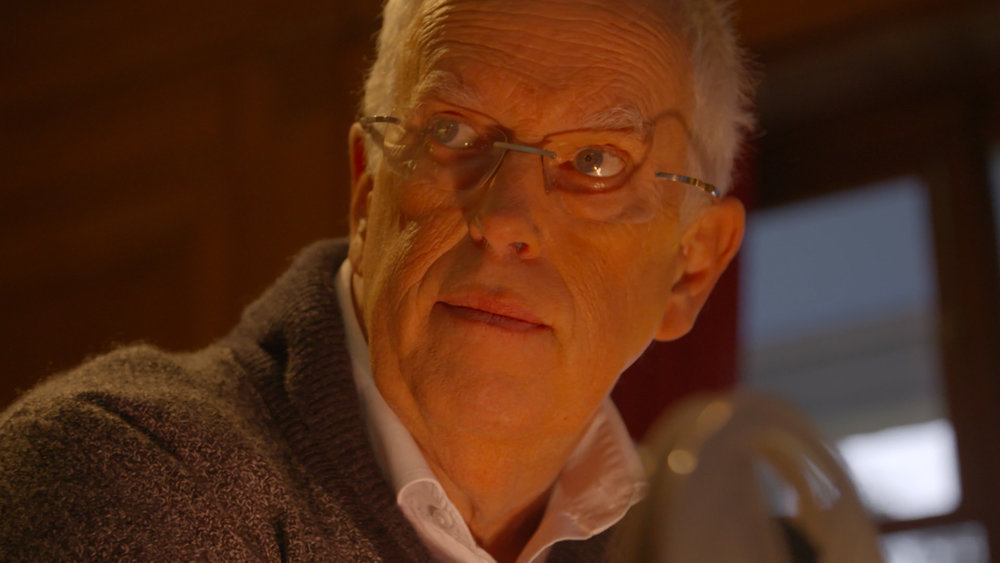
Eugene Chaplin, son of Charlie Chaplin: These were filmed by my mother. And my father liked to have mementos of people that came here. It was a family atmosphere. She was among friends. With the Rossiers, my father and mother who loved her as well, so she felt at ease. She'd just got the Légion d'Honneur, and it was a lovely day. My mother had said: "Let me film", and they'd put something together. We always held her arm because she had difficulty walking alone. The memories of Christmas meals, my parents did the invitations. They had the Rossiers, and there was Clara Haskil, and one or two others and of course, all the children. My father negotiated with Clara, saying: "Come on, play something." And then she did. When she played, my father wanted everyone to sit down, and stay quiet. Well, I was young, I can't remember how old, but staying quiet for 15 minutes without speaking was hard. I was in the corridor where I was playing, and it's true, we heard Clara Haskil playing. My father said to my mother: "It's absolutely incredible, her way of playing is so beautiful." He couldn't praise her enough. Two artists, from completely different worlds, who admired each other greatly. This piano was recommended by her for my father because he dubbed his films at that time. So she came, and she played. In fact, there's a soundtrack that I came across, which is fairly funny. By the side of the piano, there was an old tape recorder, 'tape to tape' as we say in English. And so my father had put a microphone by the piano, and then you hear Clara start to play, then she stops. Then she says: "Are you sure we're going to hear something?" So he said: "Carry on playing."
유진 채플린 (찰리 채플린의 아들) : 이건 어머니가 촬영한 것들입니다. 그리고 아버지는 여기에 온 사람들의 기념품을 갖고 싶어 하셨죠. 가족 같은 분위기였는데요. 그녀는 친구들 사이에 있었어요. 로시에 부부뿐만 아니라 저희 부모님도 그녀를 사랑했으므로, 그녀는 편안함을 느꼈죠. 그녀는 방금 레지옹 도뇌르를 받았으며, 멋진 날이었죠. 어머니는 이렇게 말했어요. “날 촬영해줘.” 그리고 그들은 뭔가를 준비했죠. 그녀는 혼자 걷는 것이 어려웠기 때문에 우리가 항상 그녀의 팔을 잡았죠. 크리스마스 식사에 대한 추억을 말씀드리자면, 부모님이 초대했는데요. 그들은 로시에 부부였고, 클라라 하스킬과 한두 명의 다른 사람들, 물론 모든 아이들이 있었죠. 아버지는 클라라와 협상하시면서 이렇게 말씀하셨죠. “오셔서 뭔가를 연주해보세요.” 그러자 그녀는 그렇게 했는데요. 그녀가 연주했을 때, 아버지는 모두가 앉아서 조용히 있기를 원하셨어요. 음, 저는 어렸고, 몇 살이었는지 기억나지 않지만, 15분 동안 말하지 않고 조용히 있는 게 어려웠네요. 저는 제가 연주하고 있었던 복도에 있었는데, 사실 우리는 클라라 하스킬이 연주하는 것을 들었어요. 아버지는 어머니에게 이렇게 말씀하셨어요. “정말 놀라운데, 그녀의 연주 방식이 정말 아름답군요.” 아버지가 아무리 그녀를 칭찬해도 부족했죠. 완전히 다른 세계에서 온 두 명의 예술가는 서로를 크게 존경했는데요. 이 피아노는 당시 아버지가 그의 영화를 더빙했기 때문에 그녀가 추천한 거였죠. 그래서 그녀가 와서 연주한 거였죠. 사실 제가 우연히 발견했던 사운드트랙이 있는데, 꽤 재미있어요. 피아노 옆에는 이른바 영어로 ‘테이프 투 테이프’라는 오래된 테이프 녹음기가 있었어요. 그래서 아버지는 피아노 옆에 마이크를 꽂으신 다음 클라라가 연주를 시작하는 소리를 들으시고, 그녀가 멈추죠. 그런 다음 그녀가 이렇게 말하죠. “우리가 뭔가를 들을 거라고 확신하시나요?” 그래서 아버지는 이렇게 말씀하셨죠. “계속 연주하세요.”

Voice of Clara Haskil / 클라라 하스킬의 음성
Unreleased recording by Charlie Chaplin / 찰리 채플린의 미공개 녹음
"How dreadful. Now you're going to hear my voice."
“정말 끔찍해요. 이제 제 목소리를 듣게 될 거군요.”
Daquin: The Cuckoo (unreleased recording) / 다캥 <뻐꾸기> (미공개 녹음)
“My dear sisters, It's going well, with Arthur Grumiaux. We get on well, and he's very gentle and unaffected. Since Thursday we work twice a day, to have time to work on the notes, and not simply play and read them."
“언니와 여동생에게
아르튀르 그뤼미오와 함께 잘 되고 있어. 우리는 잘 지내는데, 그는 매우 부드럽고 자연스러워. 목요일 이후 우리는 단순히 연주하고 해석하는 게 아니라, 소리를 다듬기 위해 하루에 두 번씩 일해.”
Mozart Sonata for violin and piano No. 26 in Bb, K. 378 / 모차르트 바이올린 소나타 26번
Christian Zacharias, president of jury of Clara Haskil Competition: My elder sister bought a Clara Haskil and Arthur Grumiaux Sonata for Violin and Piano record. The only thing I regret is that the piano isn't a bit louder, because they still recorded in that way, with the violin, well to the fore. So I always try hard, to hear what she's doing. Yes, she revealed something to me. It was the moment when I realized what Mozart meant to me. One day. Maybe not quite, because then, I was 12 or 14 years old, and I was still with Chopin, at the conservatoire. But I can say that afterwards, I decided to start playing Mozart. So in the end, I started my career with Mozart, and the huge task of playing Mozart.
크리스티안 차하리아스 (클라라 하스킬 콩쿠르 심사위원장) : 제 누님은 클라라 하스킬과 아르튀르 그뤼미오가 연주한 바이올린과 피아노를 위한 소나타 녹음을 샀는데요. 제가 안타깝게 생각하는 유일한 점은 피아노가 조금 더 크게 들리지 않는다는 것인데, 그들이 여전히 그런 방식으로 바이올린 소리가 돋보이게 녹음했기 때문이죠. 그래서 저는 항상 그녀가 연주하는 것을 열심히 들으려고 하죠. 그래요, 그녀가 제게 뭔가를 드러냈군요. 모차르트가 제게 어떤 의미인지 깨닫게 된 순간이었죠. 언젠가. 그때 저는 12~14세였는데, 여전히 음악원에서 쇼팽과 함께 있었기 때문일 겁니다. 하지만 나중에 모차르트 연주 시작을 결정했다고 말할 수 있습니다. 그래서 결국 저는 모차르트로 경력을 시작했고, 모차르트를 연주하는 엄청난 과제를 시작했죠.
Mozart Piano Concerto No. 23 in A, KV 488: II. Adagio / 모차르트 피아노 협주곡 23번 2악장
"29th October 1960. My dear Jeanne, I've worked well, but because of the weather these past few days, my energy hasn't exceeded one or two hours at the most. This evening, I again feel a bit like I did in Paris. I could record everything they want. Or rather, everything I know. Your old Clara."
“1960년 10월 29일 잔느에게
일이 잘 되었지만, 지난 며칠 동안의 날씨 때문에 기껏해야 한두 시간을 넘지 않았어. 오늘 저녁, 나는 다시 파리에서 했던 것 같은 느낌이 조금 들어. 그들이 원했던 모든 것을 녹음할 수 있었어. 아니 오히려 내가 아는 모든 것.
늙은 언니 클라라가”
Christian Zacharias, president of jury of Clara Haskil Competition: We've just learnt of the death of Clara Haskil in Brussels. Without a doubt, one of the greatest pianists of our time, it's strange is that this great artist only knew fame very late. She confided one day to friends that she...
크리스티안 차하리아스 (클라라 하스킬 콩쿠르 심사위원장) : 우리는 클라라 하스킬이 브뤼셀에서 죽었다는 것을 알고 있습니다. 의심할 여지없이, 우리 시대의 가장 위대한 피아니스트 중 한 명인 이 위대한 예술가가 명성을 아주 늦게 알았다는 것이 이상하군요. 그녀는 어느 날 친구들에게... 자신에 대해 털어놓았죠.
Eliane Reyes, pianist: Clara had just given a concert in Paris. And she was to go to Brussels for another concert, with Grumiaux. Her sister was with her, and they got to the station in Brussels, and Clara Haskil was very tired. She was old and upset and stressed. Recording the Mozart concertos, with lots of concerts booked, took her bags, and didn't grab the bannister. She slipped, and missed the first step. She fell, and cut her head, but with a pianist's reaction, she said: "Thankfully, my hands are OK." What remains of her now is her music, her legacy, her recordings and her huge sensitivity, which we can still feel today.
엘리아네 레예스 (피아니스트) : 클라라는 파리에서 방금 연주회를 열었습니다. 그리고 그뤼미오와 함께 또 다른 연주회를 위해 브뤼셀에 갈 예정이었죠. 여동생이 그녀와 함께 있었고, 그들은 브뤼셀 역에 도착했는데, 클라라 하스킬은 매우 피곤했죠. 그녀는 늙었고 괴로웠으며 스트레스를 받았죠. 모차르트 협주곡들을 녹음하면서 많은 연주회가 잡혀서 가방을 들고 가는데, 난간을 잡지 않았죠. 그녀는 미끄러져서 첫 걸음을 놓쳤는데요. 쓰러져서 머리에 큰 부상을 입었지만, 피아니스트의 반응으로 이렇게 말했죠. “고맙게도 손은 괜찮아.” 지금 그녀에게 남아있는 것은 우리가 오늘날에도 여전히 느낄 수 있는 그녀의 음악, 그녀의 유산, 그녀의 녹음들, 그녀의 엄청난 감수성입니다.

Presenter: So now we invite the president of the jury, Christian Zacharias, if the Clara Haskil prize has been awarded for this year, 2015.
진행자 : 그러면 이제 2015년 올해의 클라라 하스킬 상을 수여할 심사위원장 크리스티안 차하리아스를 초대합니다.
Christian Zacharias, president of jury of Clara Haskil Competition: I can say, there may be some disappointments, but maybe also some relief, because we, the jury, are unanimous in deciding to not award the Haskil prize this year. That is to say, the Clara Haskil prize deserves to be something truly precious. And I beg you to understand that. Anyway, for me, it was a great pleasure to make music with you. And all is well.
크리스티안 차하리아스 (클라라 하스킬 콩쿠르 심사위원장) : 실망스러울 수도 있지만, 안도감을 느낄 수도 있는데, 우리 심사위원단이 만장일치로 올해 하스킬 상을 수여하지 않기로 결정했기 때문입니다. 즉, 클라라 하스킬 상은 진정으로 귀중한 것입니다. 그리고 저는 여러분에게 그것을 이해하길 간청합니다. 어쨌든 저는 여러분과 함께 음악을 만들 수 있어서 정말 기뻤습니다. 그리고 다 잘 될 것입니다.
in memory of Pascal Cling / 파스칼 클링을 기념하여

Clara Haskil International Piano Competition Winners
02회 1965 - Christoph Eschenbach (Germany) / 크리스티안 에셴바흐 (독일)
03회 1967 - Dinorah Varsi (Uruguay) / 디노라 바르시 (우루과이)
05회 1973 - Richard Goode (USA) / 리처드 구드 (미국)
06회 1975 - Michel Dalberto (France) / 미셸 달베르토 (프랑스)
07회 1977 - Evgeni Korolyov (Russia) / 에프게니 코롤리오프 (러시아)
08회 1979 - Cynthia Raim (USA) / 신시아 레임 (미국)
09회 1981 - Konstanze Eickhorst (Germany) / 콘스탄체 아이크호르스트 (독일)
10회 1983 - Nathalie Bera-Tagrine (France) / 나탈리 베라-타그린 (프랑스)
11회 1985 - Nataša Veljković (Serbia) / 나타샤 벨리코비치 (세르비아)
12회 1987 - Hiroko Sakagami (Japan) / 히로코 사카가미 (일본)
13회 1989 - Gustavo Romero (USA) / 구스타보 로메로 (미국)
14회 1991 - Steven Osborne (Scotland) / 스티븐 오스본 (스코틀랜드)
15회 1993 - Till Fellner (Austria) / 틸 펠너 (오스트리아)
16회 1995 - Mihaela Ursuleasa (Romania) / 미하엘라 우르술레아사 (루마니아)
17회 1997 - Delphine Bardin (France) / 델핀 바르댕 (프랑스)
18회 1999 - Finghin Collins (Ireland) / 핑긴 콜린스 (아일랜드)
19회 2001 - Martin Helmchen (Germany) / 마르틴 헬름헨 (독일)
21회 2005 - Sunwook Kim (Korea) / 김선욱 (역대 최연소 17세)
22회 2007 - Hisako Kawamura (Japan) / 히사코 가와무라 (일본)
23회 2009 - Adam Laloum (France) / 아당 랄룽 (프랑스)
24회 2011 - Cheng Zhang (China) / 장청 (중국)
25회 2013 - Cristian Budu (Brazil) / 크리스티안 부두 (브라질)
27회 2017 - Mao Fujita (Japan) / 마오 후지타 (일본)
클라라 하스킬 콩쿠르는 1963년에 시작했는데 초대 대회에는 우승자가 없었다. 과제곡은 클라라 하스킬이 연주했던 레퍼토리를 대상으로 한다. 이경숙 선생님은 “생전의 클라라 하스킬이 보여준 꾸밈없고 진정한 연주를 너무 좋아해서 그 콩쿠르에 나갔다”며 “세 명을 뽑는 최종 결선까지 올랐었다”고 회고했다. 당시 우승자는 프랑스 출신의 피아니스트 미셸 달베르토. 그러나 우승자 1인만 선발하는 콩쿠르였던 까닭에 이경숙 선생님의 이름은 묻히고 말았다. 본인 스스로도 “떨어졌는데 뭘”이라며 주변에 알리지 않았다고 했다. 이경숙 선생님이 나갔던 대회에서는 내가 알기로 파이널리스트가 5명이다.

“나중에 니키타 마갈로프로부터 전해들은 이야기에 의하면, 심사위원회가 의논한 결과 ‘이번 해는 1위 없음’이라고 판정을 내렸더니 이 콩쿠르에 상금을 부담하는 스폰서가 강력히 이의를 제기했다고 한다. 그 이의라는 것은 제1회, 제2회 연속해서 ‘1위 없음’으로는 기껏 콩쿠르에 상금을 대어도 평판도 얻지 못하고 효과가 없다. 따라서 다음부터는 더 이상 스폰서를 서지 않겠다라는 강경하고도 현실적인 것이었기 때문에, 결국 옥신각신한 끝에 심사위원은 본의 아니게 1위를 주기로 결정했던 것이었다. 그런데 그런 경위로 1위를 했던 것은 다른 사람도 아닌, 지금은 피아노 독주와 지휘에서 대활약하며 원숙함의 경지를 보이는 바로 그 크리스토프 에셴바흐였다. 여기에서 1위를 한 에셴바흐는 이후, 이 기회를 발판삼아 세상으로 나온다. 콩쿠르 후의 활약은 알려진 대로다. 덧붙여 말하면, 이 루체른에서 열린 클라라 하스킬 콩쿠르에 관해서는 그 후 일시적으로 소식이 끊어져버렸다. 어쩌면 시간이 지나면서 정말로 스폰서가 그만 둔 것인지도 모르겠다.” - 차이코프스키 콩쿠르, 그 숨겨진 이야기 118쪽 발췌

모차르트 스페셜리스트라는 클라라 하스킬... 실제로는 70분짜리 다큐멘터리인데 내가 구한 건 55분짜리 동영상이다. 2017년에 나온 DVD라서 2015년 하스킬 콩쿠르 파이널리스트 3인의 모습을 보여줬는데 이때는 우승자가 없었고 우리나라의 지유경이 청중상을 받았다. 보너스로 들어있는 영상 중 하나는 아르헤리치가 클라라 하스킬에 대해서 엘리아네 레예스와 함께 나눈 대화. 화가가 말하는 부분은 영어라서 그런지 유일하게 자막이 없어서 외국 분한테 부탁하여 다듬었다. 자막을 받아쓰면서 하스킬의 죽음에 대한 부분에서 모차르트 피아노 협주곡 23번 2악장이 나오는데 마치 장송곡처럼 슬펐다. 영화 속 모차르트의 죽음이 떠오르기도 하고... 이 곡을 되게 좋아하긴 하지만 이렇게 슬프긴 처음인 듯. 마치 모차르트가 연주하는 것처럼 느껴졌다. 이 DVD는 우리나라에 발매되지 않았다. 하스킬에 대해서 공유해주려고 이것저것 음원을 찾다가 알게 된 것이다. 자막의 마침표, 쉼표가 정확하지 않은 부분도 있어서 내가 임의로 수정하기도 했다. have got 표현이 많이 나오는데 영어 공부하려고 학습지 교재를 찾다가 블로그 후기에서 영국식 영어라는 걸 알게 되었다. 미국식 영어라면 그냥 have 동사. 옛날에 동호회에서 나처럼 피아노 음악을 특히 좋아하시는 분이 리파티의 팬이셨다. 하스킬의 손이 예쁘다고 하셨는데 내 손도 예쁘다고 했던 기억이 난다. 히히히! 실제로 예쁘고 곱고 가늘어서 피아노 치기에 적합하지 않다는 소리는 들었다.

하스킬의 죽음에 대해서 찾아봤다. 1960년 12월, 아르튀르 그뤼미오와의 연주를 위해 브뤼셀 역에 도착했을 때, 손을 건넨 그뤼미오 부인의 도움을 거절하고 열차에서 내려 계단을 올라가던 하스킬은 홈에서 발을 헛디뎌 쓰러진다. 의식불명 상태로 실려 간 그녀는 급하게 입원한 병원에서 잠시 의식을 찾았을 때, 파리에서 달려온 동생에게 이렇게 말했다. 그녀가 동생에게 남긴 마지막 유언은 ‘아무래도 내일 연주는 어려울 것 같구나. 그뤼미오 씨에게 미안하다고 전해다오.’였다. 이후 눈이 내리던 다음 날 아침 일찍 하스킬은 병원에서 뇌출혈로 사망했다. 클라라 하스킬의 무덤은 프랑스 파리의 몽파르나스 묘지에 있다. 동영상의 엔딩에서 흘러나오는 모차르트 피아노 소나타 10번 1악장은 후지타 마오가 차이코프스키 콩쿠르 1라운드에서 연주한 곡이기도 하다.


