프로필

내 사진
I'm piano bachelor, piano music lover, CD collector and classical music information's translator. Also KakaoTalk character Tube mania!Naver Blog: http://blog.naver.com/neige1984Youtube Channel: https://www.youtube.com/channel/UCDPYLTc4mK7dOXYTQEOiPew?view_as=subscriber

2022년 10월 18일 화요일

DG / Mikhail Faerman Plays Brahms & Prokofiev - Live in Munich 1980


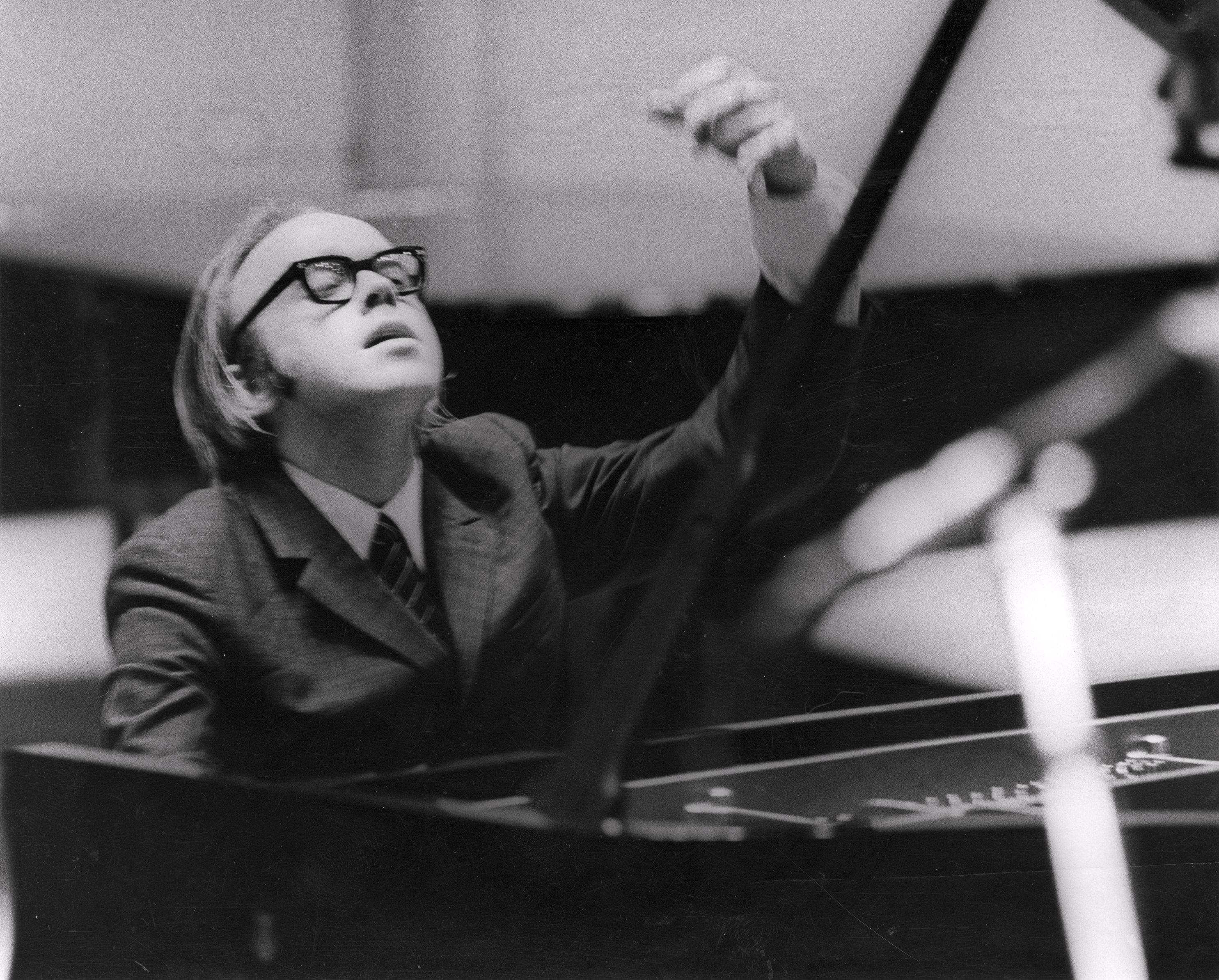
소련의 잊힌 피아니스트, 미하일 파에르만의 명연주가 CD로 최초 발매되었다. 모스크바 음악원에서 야코프 플리에르에를 사사하고, 1975년 퀸엘리자베스 국제음악콩쿠르에서 우승한 파에르만! 1980년 뮌헨 콘서트 실황앨범으로, 그가 남긴 유일한 녹음이다. 맹수 같은 젊은 연주자의 파워가 발산되고 있다. 브람스의 작품에서는 섬세하게 고조되는 터치가 아름답게 이어지며, 프로코피에프의 ‘전쟁 3부작’ 첫 곡인 소나타 6번에서는 예측할 수 없는 감정의 폭발과 다이내믹하고 강렬한 타건이 휘몰아치고 있다. 이 ‘센세이셔널한 재능’의 연주자가 이 한 장의 녹음만을 남긴 사실은 안타까움을 준다.


Track

01 Brahms Variations on a theme by Paganini, Op. 35, Book 1 / 브람스 <파가니니의 주제에 의한 변주곡> 1권

02 Brahms Variations on a theme by Paganini, Op. 35, Book 2 / 브람스 <파가니니의 주제에 의한 변주곡> 2권

03 Prokofiev Piano Sonata No. 6 in A, Op. 82: I. Allegro moderato / 프로코피에프 피아노 소나타 6번

04 Prokofiev Piano Sonata No. 6 in A, Op. 82: II. Allegretto

05 Prokofiev Piano Sonata No. 6 in A, Op. 82: III. Tempo di valzer lentissimo

06 Prokofiev Piano Sonata No. 6 in A, Op. 82: IV. Vivace


음반 정리를 하다가 나왔는데 음반이 단 한 장이라니 유감이다.

Sony / Edward George Power Biggs - Joplin Super Hits 2000


Track

01 The Entertainer

02 Maple Leaf Rag

03 The Easy Winners - A Ragtime Two Step

04 Peacherine Rag

05 Elite Syncopations

06 Cleopha-March & Two Step

07 Original Rags

08 Pine Apple Rag

09 Binks Waltz

10 The Strenuous Life

11 Sunflower Slow Drag - A Ragtime Two Step

12 Paragon Rag

13 Great Crush Collision March


에드워드 조지 파워 빅스가 하프시코드로 연주하는 스콧 조플린의 재즈 피아노 음악! 옛날에 폴란드 사람한테서 고음질을 다 받지 못한 채로 할 수 없이 mp3 파일과 섞어서 가지고 있었다. 하지만 생각나서 찾아보니 다행히 고음질을 구했다. 가장 익숙한 곡은 아무래도 엔터테이너랑 단풍잎 래그이다.

2022년 10월 7일 금요일

PIAS / Ilan Eshkeri & Andy Burrows - The Snowman & the Snowdog OST 2012


https://www.youtube.com/watch?v=1Rbiun3G0-Y


더 환상적인 모험으로 돌아온 레이먼드 브리그스의 <눈사람 아저씨> 그 두 번째 이야기

매년 함박눈이 내리는 겨울이 오면 아이들의 마음을 사로잡는 그림책이 있습니다. 레이먼드 브리그스의 <눈사람 아저씨>입니다. 전 세계적으로 8,500만 부 이상 판매된 스테디셀러 그림책 <눈사람 아저씨>의 후속편 <눈사람 아저씨와 눈강아지>가 36년 만에 출간되었습니다. 이번 책에서 눈사람 아저씨는 귀에 양말을 쓴 새로운 친구, 눈강아지와 함께 더 특별하고 환상적인 모험의 세계로 독자를 초대합니다.


- 눈강아지와 함께 다시 찾아온 눈사람 아저씨

새집으로 이사 간 빌리는 우연히 마루 밑에서 작은 상자를 발견해요. 그 상자 안에는 예전에 이 집에 살던 아이가 멋진 눈사람 아저씨와 함께 찍은 낡은 사진이 들어있었어요. 사진을 본 빌리는 신이 나서 똑같이 생긴 눈사람 아저씨와 귀에 양말을 씌운 눈강아지도 만들지요. 한밤중이 되자, 빌리는 무언가가 짖는 소리를 듣고 깨어나요. 마당으로 내려가 보니 마술처럼 놀라운 일이 일어납니다. 눈사람 아저씨와 눈강아지가 살아서 움직이는 거예요.


- 무한한 상상력과 아름다운 환상의 세계

다시 살아난 눈사람 아저씨는 빌리의 손을 잡고 눈강아지와 함께 하늘로 날아오릅니다. 그러곤 아름다운 겨울 밤하늘을 지나 북극에 도착하지요. 그곳에서 빌리와 눈강아지, 눈사람 아저씨는 눈사람 스키대회에 참가합니다. 과연 우승자는 누가 될까요? 따뜻한 아침 햇살이 비치면 눈사람 아저씨와 눈강아지는 어떻게 될까요? 세계 곳곳에서 모여든 눈사람 아저씨와 아줌마의 다양한 표정과 옷차림을 보는 재미와 눈사람 스키대회 등 신나는 모험과 마법 같은 환상 이야기가 가득한 <눈사람 아저씨와 눈강아지>. 흥미진진한 이야기와 마법과도 같은 환상적인 사건들이 아이들의 상상력을 자극합니다.


- 그림에 담긴 따뜻한 온기

케이트 그린어웨이 수상자인 레이먼드 브리그스는 따뜻한 색을 곳곳에 사용해 온기를 불어넣고, 색연필로 질감을 풍부하고 부드럽게 표현했습니다. 그래서 눈이 내리는 한겨울에 벌어지는 일이지만 한없이 따뜻한 온기가 이야기뿐만 아니라 그림에도 가득합니다.


Track

01 A New Beginning

02 Christmas

03 Building the Snowman

04 The Snowman & the Snowdog

05 Light the Night

06 Snowman Carnival

07 Downhill Race

08 Flying Home

09 Goodbye

10 Light the Night (Single Mix)

11 Hometown (Flying Home)

12 The Snowman & the Snowdog (Full Score)


피아스(Play It Again Sam Records) 레이블은 1983년 벨기에 브뤼셀에서 창설된 음반사이다. <스노우맨과 스노우독>은 <눈사람 아저씨>의 속편 애니메이션으로 일란 에쉬케리와 앤디 버로우스가 음악을 담당했다. 유감스럽게도 전편보다 재미가 덜했다. 사실 <눈사람 아저씨>도 일본인 제작자가 있는 것으로 아는데, 속편에서는 일본의 문화 중 하나인 초밥이 등장한다.

Sony / Howard Blake - The Snowman OST


https://www.youtube.com/watch?v=H51BtDlEll0

https://www.youtube.com/watch?v=pWSahn0C5dQ

https://www.youtube.com/watch?v=LyrzPgafO3k

https://www.buffaloschools.org/site/handlers/filedownload.ashx?moduleinstanceid=6788&dataid=35927&FileName=text3.pdf


스노우맨 (눈사람 아저씨)

“영원토록 간직해야 할 아름다운 앨범...”


“정말 멋진 음악, 당신을 실망시키지 않을 것이다...”


“모든 선생님의 필수 아이템!”


“일부러 찾아 듣게 되는 아름답고 편안한 음악...”


“사운드 퀄리티도 좋고, 일러스트레이션이 가미된 부클릿도 매력적...”


지난 16년간 영국 박스오피스 1위를 기록하며 세계 유수의 언론으로부터 “런던에서 절대 놓치지 말아야 할 공연”으로 손꼽혀 왔으며 그 아름다운 음악과 꿈을 심어주는 내용으로 어린이 예술교육의 첫걸음으로 추천되어 온 [스노우맨].


<하늘을 날며>(Walking in the Air)와 같은 [스노우맨]의 대표 음악뿐 아니라 편안하고 아름다운 분위기의 오케스트라 음악, 그리고 스노우맨의 스토리를 읽어 주는 내레이션 트랙까지 책이나 영상에서는 만나볼 수 없는, 앨범만의 특별한 감동이 있다!


스노우맨(눈사람 아저씨)을 사랑하는 어린이를 위한 선물용으로도 좋다.


Track

01 Story of the Snowman

02 Walking in the Air

03 Story of the Snowman (Continued)

04 Snowman Soundtrack

05 Walking in the Air

06 Snowman Soundtrack (Continued)

... Howard Blake, words & music / 하워드 블레이크 작사 및 작곡

... James Nesbitt, narration / 제임스 네스비트 낭독

... Peter Auty, boy singer / 피터 오티의 노래

... Sinfonia of London / 런던 신포니아 연주


David Bowie: This attic’s full of memories for me. We spent all our summers by the seaside and in winter at home, by the fire. Frost on the window and snow. Snowballs and making snowmen. One winter I made a really big snowman and he got this scarf for me. You see, he was a real snowman. That winter brought the heaviest snow I’d ever seen. The snow fell steadily all through the night. And when I woke up, the room was full of light and silence, and I knew then it was to be a magical day.


데이비드 보위 : 저한테는 아주 특별한 기억이 있답니다. 어느 겨울에, 바닷가가 가까운 우리 집에서 일어난 일이에요. 창밖에는 눈이 내리고 있었죠. 저는 눈을 굴려서 눈사람을 만들었어요. 굉장히 큰 눈사람이었죠. 그 눈사람이 이 목도리를 주었죠. 그는 살아있는 눈사람이었거든요. 겨울은 눈에 보이는 모든 것들을 하얀 눈으로 덮어버렸답니다. 하얀 눈은 밤새도록 내렸어요. 그날 밤 방은 불빛 하나 없는 고요에 싸여있었죠. 그리고 아침에 제가 일어났을 때 마법과 같은 하루가 저를 기다리고 있었죠.


The Snowman by Raymond Briggs / 레이먼드 브리그스 <눈사람 아저씨>

It was a cold, cold winter’s night. In a cottage in the country, tucked away (put in an out-of-the-way place) beneath (under) the hills, a little boy lay sleeping. Snow began to fall, lightly at first, and then with giant flakes which started to settle on the ground.


춥디추운 겨울밤이었어요. 시골의 작은 집에, 언덕 아래 숨어 있는(눈에 띄지 않는) 곳에 어린 소년이 잠을 자고 있었어요. 눈은 처음에는 가볍게, 그다음에는 거대한 눈송이가 되어 땅에 내리기 시작했어요.


At first light of morning, the little boy turned over, yawned, and sat up. He ran to the window and looked out. Everything was covered in snow – the garden, the fields, and the distant (far away) hills.


아침이 밝아오자 어린 소년은 몸을 뒤척여 하품하고 자리에서 일어났어요. 그는 창문으로 달려가 밖을 내다보았어요. 마당, 들판, 그리고 먼 언덕이 온통 눈으로 뒤덮였어요.


He got dressed as fast as he could. When he was ready, he hurried down the stairs. At the back door, he put on his boots, his scarf, and his wooly hat, and walked out into the snow.


그는 부리나케 옷을 입었어요. 준비되자마자 서둘러 계단을 내려갔어요. 뒷문에서 그는 장화를 신고 목도리를 매고 털모자를 쓰고 눈 속으로 걸어갔어요.


First of all, he thought, I’ll make some giant footsteps. Above him was a branch of a tree. He jumped up and swung on it. The snow from the branch fell all over him.


그는 우선 이렇게 생각했어요. ‘큰 발자취를 만들 거야.’ 그 위에는 나뭇가지가 있었죠. 그는 벌떡 일어나 그 위에 몸을 던졌어요. 나뭇가지에서 내리는 눈이 그 위에 떨어졌죠.


Then he made a snow-ball and threw it as hard as he possibly could... straight into the kitchen window.


그런 다음 그는 눈덩이를 만들어 최대한 세게 던졌어요... 바로 부엌 창으로요.


“You do something else”, said his mother.


“너 말썽 일으키는구나.” 어머니가 말했어요.


The little boy wandered off (walked away), wondering (thinking) what to do, and it was at exactly this moment that he got the idea of building a snowman.


어린 소년은 무엇을 할까 고민(생각)하며 거닐었고, 바로 이 순간 눈사람을 만들 생각이 떠올랐어요.


He built a great column of snow the size of a man and a great big snowball to go on top of it. Then he fetched (got, grabbed) a scarf and a hat, a tangerine (a fruit, orange-like but smaller) for the nose, and coal for the eyes. At last, the snowman was finished, and the boy stepped back and looked at him. He seemed to be smiling.


그는 사람 크기의 거대한 눈 기둥과 그 위에 올라갈 큰 눈덩이를 만들었어요. 그런 다음 목도리를 매주고 모자를 씌웠으며, 귤로 코를, 석탄으로 눈을 만들었어요. 마침내 눈사람이 완성되었고, 소년은 뒤로 물러나 그를 바라보았죠. 그가 웃고 있는 것 같았어요.


By this time, it was getting dark, and the little boy had to go indoors (inside), leaving the snowman standing all alone out in the middle of the garden. Up the stairs he went, two at a time. Into the bathroom to clean his teeth, then hop-step-and-jump along the landing (space between floors in a staircase) to his bed. Soon, he was in bed and asleep.


이때가 되자 날이 점점 어두워졌고, 눈사람을 마당 한가운데에 홀로 서 있게 한 채 어린 소년은 안으로 들어가야 했어요. 그는 한 번에 두 계단씩 올라갔어요. 양치질하려고 욕실에 들어간 다음 침대까지 계단에서 층 사이의 공간을 따라 뛰었어요. 곧 그는 침대에 누워 잠이 들었죠.


In the middle of the night he woke, tiptoed to the window and peered down at (looked down at) the snowman, shivering (shaking from cold). He went back to bed, but then the clock woke him. This time, he got up and tiptoed down the stairs, feeling rather cold. He looked out at the snowman through the glass panels of the front door.


한밤중에 그는 창가로 살금살금 걸어가서 추위에 떨면서 눈사람을 내려다보았어요. 다시 잠자리에 들었지만, 시계 소리에 잠을 깼어요. 이번에는 일어나서 조금 춥게 느껴져 계단을 살금살금 내려갔어요. 그는 현관의 유리 패널을 통해 눈사람을 내다보았어요.


Suddenly, while the boy was looking at him, the snowman moved and he actually started to walk towards the boy. He stopped, and raised his hand. Then he walked forward again, right up to the boy, and they shook hands. “Come in”, said the boy. “I’d love to”, said the snowman.


갑자기 소년이 눈사람을 보는 동안에 눈사람이 움직이며 실제로 소년을 향해 걷기 시작했어요. 눈사람은 멈춰 서서 손을 들었어요. 그런 다음 다시 앞으로 걸어가 바로 그 소년에게로 다가갔으며, 그들은 악수했죠. “들어와.” 소년이 말했어요. “들어가고 싶어.” 눈사람이 말했어요.


Together, they tiptoed into the living room. The snowman thought it was wonderful. He looked at the cat sleeping peacefully by the fire and wanted to stroke it. But when the cat saw the snowman, he was terrified and leapt into the air (jumped into the air).


그들은 함께 거실로 살금살금 들어갔어요. 눈사람은 멋지다고 생각했어요. 눈사람은 난롯가에서 평화롭게 잠든 고양이를 바라보며 쓰다듬어 주고 싶었어요. 그러나 고양이는 눈사람을 보자마자 겁에 질려 공중으로 뛰어올랐어요.


The snowman jumped backward and lurched into (stagger) the Christmas tree, setting all the little bells ringing, the candles shaking, and the fairy wobbling (shaking). At last, it settled down and the boy plugged it in. The tree lit up with every color you could think of. Blues and greens, reds and yellows, gold lights and silver lights.


눈사람이 뒷걸음질로 뛰쳐나와 크리스마스트리 속으로 휘청거리자 모든 작은 종이 울리고, 촛불이 흔들리고, 요정이 흔들렸어요. 마침내 진정되었고 소년은 전원을 연결했어요. 나무는 형형색색의 불이 들어왔어요. 파랑, 초록, 빨강, 노랑, 금색 조명과 은색 조명.


Then the snowman walked away from the Christmas tree and sat himself down in a comfortable armchair. The boy turned on the television. There was nothing but fuzzy lines and zigzags, and it made the snowman dizzy. Then, with a start (with a scare), the boy realized that the snowman was sitting too near the fire.


그런 다음 눈사람은 크리스마스트리에서 걸어 나와 편안한 안락의자에 앉았어요. 소년은 텔레비전을 켰어요. 흐릿한 선이 지그재그로 지직거리면서 눈사람을 어지럽게 만들었죠. 그러고 나서 소년은 눈사람이 불 가까이에 너무 가까이 앉아 있다는 것을 깨닫고 겁에 질렸죠.


He realized he might melt if he got too hot, so he pulled him out of the chair and hurried him out of the room, to the kitchen, which was cold and dark. The boy reached for the light switch. The snowman was curious. He wanted to switch it on himself.


소년은 너무 뜨거우면 녹을 수도 있다는 것을 알고는 눈사람을 의자에서 꺼내 서둘러 방에서 나와 춥고 깜깜한 부엌으로 갔어요. 소년은 전등 스위치에 손을 뻗었어요. 눈사람은 궁금했죠. 눈사람은 스스로 스위치를 켜고 싶었어요.


The snowman plodded over (walked heavily) to the kitchen sink, and the boy climbed up and turned on the cold tap. Then the hot one as well. A big cloud of steam rose up. Steam! It was too hot for the snowman, and he backed away.


눈사람은 부엌 싱크대까지 성큼성큼 걸었고, 소년은 올라가서 냉수 수도꼭지를 틀었어요. 그러고 나서 온수도요. 거대한 증기 구름이 솟아올랐어요. 김이 나네요! 눈사람에게는 너무 뜨거워서 뒤로 물러났어요.


He saw a cake with a tiny model snowman on it, picked it up, and smiled. Then he took fruit from a bowl and tried on an orange for a nose, then a lemon, a banana, then cherry, then a huge pineapple. But his own tangerine fitted best so he put it back on. He leaned down, opened the fridge, and a waft (breeze) of cold air came out. The snowman loved it. For him, it was just like sunbathing.


눈사람은 작은 모형 눈사람이 있는 케이크를 보고 그것을 집어 들고 미소를 지었어요. 그런 다음 그릇에서 과일을 가져다가 오렌지로 코를, 그다음에는 레몬, 바나나, 체리, 그다음에는 거대한 파인애플을 시도했죠. 하지만 눈사람은 자신에게 귤이 가장 잘 어울려서 도로 귤로 코를 만들었죠. 눈사람이 몸을 숙여 냉장고를 열자 찬 공기가 나왔어요. 눈사람은 정말 좋아했어요. 그에게는 일광욕과도 같았죠.


“Let’s go upstairs”, said the boy, up they went, and paused outside his parents’ room. Someone was snoring.


“위층으로 가자.” 소년이 말했어요. 그들은 올라가서 부모님의 방 밖에서 잠시 멈췄어요. 누군가가 코를 골고 있군요.


“Be very quiet”, said the boy. “Shhh”.


“조용히 해. 쉿.” 소년이 말했어요.


“Look false teeth”, whispered the boy.


“틀니 좀 봐.” 눈사람이 속삭였어요.


The snowman wanted to try them on. He put them on and walked to a mirror to see how they looked. It gave him a terrible fright (a scare). Next, he tried out some makeup, and looked in the mirror again. He looked into the wardrobe (closet) and saw all the clothes hanging up there, and some hats. Then he tried on some trousers (pants), but the braces (suspenders) caught over his nose.


눈사람은 옷장에 있는 옷을 입어보고 싶었어요. 그는 옷들을 입고 거울로 걸어가서 옷을 입은 모습이 어떤지 확인했어요. 그는 겁에 질렸어요. 이어서 눈사람은 화장하고 다시 거울을 보았죠. 그는 옷장을 들여다보았고 거기에 걸려 있는 모든 옷과 몇 개의 모자를 보았어요. 그런 다음 바지를 입어봤지만, 코에 멜빵이 걸렸죠.


“Do be careful”, said the boy. “We mustn’t wake them!” A perfume spray stood on the dressing table. The snowman squirted (sprayed) it. He liked that. He did it again. Suddenly, the perfume made him want to sneeze. He held his nose. He mustn’t sneeze in the bedroom. The boy hurried him out of the room. And then... he sneezed.


“조심해. 부모님을 깨우면 안 돼!” 소년이 말했어요. 화장대 위에는 향수 스프레이가 놓여 있었어요. 눈사람은 칙칙 뿌렸어요. 눈사람은 그것을 좋아했죠. 눈사람은 다시 뿌렸어요. 갑자기 향수 때문에 재채기하고 싶었어요. 그는 코를 잡았죠. 침실에서는 재채기하면 안 되니까요. 소년은 눈사람과 함께 서둘러 방을 나왔어요. 그러고 나서... 눈사람은 재채기했어요.


In the boy’s playroom was a music box. They wound it up (brought to a state of tension) and danced to it. At the end of the dance, they both collapsed on the floor, with balloons and teddy bears all around them. “I’ve got another idea now”, said the boy. “Come with me, and look out of the window”.


소년의 놀이방에는 오르골이 있었어요. 그들은 오르골의 태엽을 감고 그것에 맞춰 춤을 췄어요. 춤이 끝나자 그들은 풍선과 테디베어를 둘러싸고 바닥에 쓰러졌어요. “지금 다른 생각이 떠올랐어. 나랑 같이 가서 창밖을 내다보자.” 소년이 말했어요.


Outside, they could see a strange, dark object. Nodding to each other, they tiptoed silently down the stairs. Out through the front door, and into the open air.


밖에서 그들은 이상하고 어두운 물체를 볼 수 있었어요. 그들은 서로 고개를 끄덕이며 조용히 계단을 내려갔어요. 현관을 통해 밖으로, 그리고 야외로.


The dark object seemed much bigger now they were close to it and whatever it was was covered up with a big, black tarpaulin (material used to cover and protect things). Summoning up (gathering) all his strength, the boy went up and pulled it off. Standing there was a bright, shiny, new motorbike. The boy pointed out the controls to the snowman, turned the key in the ignition (a switch that activates a car or a motorbike), turned on the headlight, and suddenly the snowman was on the bike and racing around the garden. For a second he stopped, the little boy jumped on behind him, and then, they were off.


어두운 물체는 이제 훨씬 더 커 보였고 가까이에 가보니 무엇이든지 크고 검은 방수포(물건을 덮고 보호하는 데 사용되는 직물)로 덮였어요. 소년은 온 힘을 다해 올라가서 벗겨냈어요. 그곳에는 밝고 반짝이는 새 오토바이가 서 있었어요. 소년은 제어 장치를 눈사람에게 알려주고 시동 키(자동차나 오토바이를 작동시키는 스위치)를 돌린 다음 헤드라이트를 켰는데 갑자기 눈사람이 오토바이를 타고 마당을 질주하고 있었어요. 잠시 눈사람이 멈춰섰고, 어린 소년이 그의 뒤에서 뛰어올랐고, 그들은 가버렸어요.


When they came back to the garden, the snowman found his legs had started to melt from the heat of the engine (a machine that changes mechanical force into motion). He was dripping all over the place, as if he’d just come out of the bathtub.


그들이 마당으로 돌아왔을 때 눈사람은 다리가 엔진(기계적 힘을 운동으로 바꾸는 기계)의 열로 인해 녹기 시작한 것을 발견했어요. 그는 마치 욕조에서 막 나온 것처럼 여기저기서 물을 뚝뚝 흘리고 있었어요.


At that moment, the boy had another bright idea. Grabbing the snowman’s hand, he pulled him into the garage. Humming away in the corner was the big deep freezer.


그 순간 소년에게 또 다른 기발한 생각이 떠올랐어요. 눈사람의 손을 잡고 차고로 끌어들였죠. 구석에서 떨어진 큰 냉동고가 윙윙거렸어요.


In a second, the snowman had jumped into the freezer, and in another second, the dripping had stopped. The little boy watched him lying there, and realized that an idea had come in to the snowman’s head. Without warning, the snowman climbed out of the freezer, and gripping the boy firmly by the hand, began to run.


순식간에 눈사람이 냉동고 속으로 뛰어들었고, 또 다른 순간에 물방울이 멈췄어요. 어린 소년은 눈사람이 거기 누워 있는 것을 보고 눈사람의 머리에 생각이 떠올랐다는 것을 깨달았어요. 예고도 없이 눈사람은 냉동고에서 나와 소년의 손을 꼭 잡고 뛰기 시작했어요.


Out of the garage, out into the snow, out across the garden, faster and faster, bounding (leaping) and jumping, until suddenly the boy realized that they were... flying!


차고 밖으로, 눈 속으로, 마당을 가로질러 점점 더 빠르게, 도약하고, 뛰어오르다가 갑자기 소년은 그들이... 날고 있다는 것을 깨달았어요!


They landed silently in the frozen north. They were in the middle of a great forest of pine trees laden with (weighted down with something heavy) snow.


그들은 얼어붙은 북쪽에 조용히 내려왔어요. 그들은 (무거운 무엇인가에 짓눌린) 눈으로 덮인 거대한 소나무숲 한가운데에 있었어요.


But somewhere ahead they could hear music and see lights. There in a clearing of the forest, Christmas party was taking place, and all the people at the party were snowmen. More snowmen than you could ever imagine in your life!


그러나 어디선가 그들은 음악을 듣고 빛을 볼 수 있었어요. 숲속의 빈터에서 크리스마스 파티가 열리고 있었고, 파티에 참석한 사람들은 모두 눈사람이었어요. 인생에서 상상할 수 있는 것보다 더 많은 눈사람이 있어요!


And there, right in the middle of them, radiating (glowing) good cheer (joyfulness) and smiling from ear to ear, was Father Christmas himself.


그리고 그 한가운데, 빛나는 좋은 기운(기쁨)을 발산하고 입을 크게 벌리고 미소짓고 있는 산타클로스 할아버지가 계셨죠.


“You’re just in time for the dance of the snowmen”, he chuckled (laughed quietly), and clicked his fingers. When the party was over, Father Christmas led the boy and the snowman to see a stable. Light spilled through the door, and inside they could see the reindeer which he used to pull his sleigh.


“눈사람들이 춤출 시간에 딱 맞춰서 오셨군요.” 산타클로스 할아버지는 조용히 웃으면서 손가락을 튕겼어요. 파티가 끝나고 산타클로스 할아버지는 소년과 눈사람을 마구간으로 안내했어요. 문을 통해 빛이 쏟아져 들어왔고, 그 안에는 그가 썰매를 끌던 순록이 보였어요.


Father Christmas gave the boy a lovely blue scarf as a present, and he put it on. It was time for them to go. The snowman gripped (grabbed) the boy’s hand, and once again they started to run, faster and faster, bounding and jumping, until they were flying.


산타클로스 할아버지는 소년에게 사랑스러운 파란색 목도리를 선물로 주었고, 소년을 목도리를 맸어요. 그들이 갈 시간이었죠. 눈사람은 소년의 손을 잡았고, 다시 한번 그들은 점점 더 빠르게 통통 달려서 뛰기 시작하여 날아올랐어요.


At last, they landed in the garden again, and together walked slowly to the house. The little boy shook hands with the snowman and went up to the front door. But the snowman waved and the boy ran back and gave him a great big hug. Then the boy went indoors, and very soon was fast asleep.


마침내 그들은 다시 마당에 내려와 함께 천천히 집으로 걸어갔어요. 소년은 눈사람과 악수를 하고 현관문으로 올라갔어요. 그러나 눈사람은 손을 흔들었고 소년은 다시 달려와 그를 크게 껴안았어요. 그런 다음 소년은 실내로 들어갔고 이내 곤히 잠들었죠.


Next morning, when he woke, the room was ablaze (brightly shining, as if in flames) with sunlight. He put on his dressing gown (robe), ran downstairs, and opened the front door.


다음 날 아침, 소년이 깨어났을 때, 방에는 햇빛이 비치고 있었어요. 그는 가운을 입고 아래층으로 뛰어 내려와 현관문을 열었어요.


The sun felt warm on his face. The boy ran out into the garden and saw... a little heap (pile, stack) of melted snow, an old hat, a tangerine, a scarf, and a few lumps of coal, but the snowman was nowhere to be seen.


소년은 얼굴에서 태양의 온기를 느꼈어요. 소년은 마당으로 달려가서... 녹은 눈더미, 오래된 모자, 귤, 목도리, 석탄 몇 덩이를 보았지만, 눈사람은 어디에도 보이지 않았어요.


For a moment, he thought that the adventures of the night before had been nothing but a dream. But then he felt in his pocket, and the scarf that Father Christmas had given him was still there.


잠시 소년은 전날 밤의 모험이 꿈에 지나지 않는다고 생각했어요. 그러나 그때 주머니에 뭔가 들어있는 것을 느꼈고, 산타클로스 할아버지가 그에게 준 목도리는 여전히 거기에 있었죠.


Walking in the Air

우린 하늘을 걸어가네


We're walking in the air

We're floating in the moonlit sky

The people far below are sleeping as we fly


하늘의 숲속을 떠다니고 있네

눈 내리는 하늘 밑 저 땅 위에는

사람들이 세상모르고 잠들어 있네


I'm holding very tight

I'm riding in the midnight blue

I'm finding I can fly so high above with you


난 스노우맨 손을 꼭 잡고

파란 밤하늘 속을 날아가고 있네

온 세상 사람들 머리 위 높은 하늘에 숨어서 날고 있네


Far across the world

The villages go by like trees

The rivers and the hills


온 세상의 마을들이

깊은 꿈속에 잠겨 있네

강과 언덕도


The forests and the streams

Children gaze open mouth

Taken by surprise


숲과 개울도 잠들었네

아이들은 눈 내리는 창밖을 바라보다가

하늘을 향해 소리치지만


Nobody down below believes their eyes

We're surfing in the air

We're swimming in the frozen sky


아무도 들어주는 사람 없네

우리는 하늘을 걸어가네

하늘의 강물 속을 헤엄치네


We're drifting over icy mountains floating by

Suddenly swooping low on an ocean deep

Arousing of a mighty monster from its sleep


우리의 밑에는 얼음 덩어리와 산들이 흘러가고 있네

갑자기 고래 한 마리가 나타나 꼬리를 내리치네

커다란 몸으로 바닷속을 유유히 헤엄쳐가네


We're walking in the air

We're dancing in the midnight sky

And everyone who sees us greets us as we fly


우린 하늘을 걸어가네

눈 내리는 밤하늘을 떠다니네

사람들은 모두 잠들고 우리는 바다 위를 날고 있네


자막제작 : 주범석


내지를 일일이 받아쓰기하려다가 동화책이 있는 pdf 파일에 각주가 달린 것을 보게 되어 퍼왔다. 내가 참 좋아하는 눈사람! 눈사람이라는 단서 하나만 가지고 옛날에 방송에서 본 기억을 더듬어 검색하다가 알아냈는데, 아마 애니메이션을 제대로 본 건 대학생 때인 것 같다. 당시에는 잃어만 가는 동심을 생각나게 해주는 동화 정도로 알고 있었다. 동화를 번역해보니 마지막에 몰랐던 것을 하나 알게 되었다. 이미 녹아버린 눈사람만 알고 있었지 산타클로스 할아버지가 제임스에게 선물로 준 목도리는 이제야 알았다. 히히히!

2022년 10월 5일 수요일

Google Drive / 2022. 10. Queen Elisabeth Competition Laureates 4


Ekaterina Novitskaya & Valery Kamychov in 1968


1968 Piano

1위 Ekaterina Novitskaya (USSR) / 예카테리나 노비츠카야 (러시아)

Ekaterina Novitskaya Plays Beethoven & Brahms 1976 (LP Rip)

예카테리나 노비츠카야가 연주하는 베토벤과 브람스 LP


Yekaterina Novitskaya Plays Mozart 1976 (LP Rip)

예카테리나 노비츠카야가 연주하는 모차르트 LP

Yekaterina Novitskaya Plays Schubert 1975 (LP Rip)

예카테리나 노비츠카야가 연주하는 슈베르트 LP


Ekaterina Novitskaya - 1968 Queen Elisabeth Competition Finale

에카테리나 노비츠카야 - 1968 퀸엘리자베스 콩쿠르 결선 녹음 mp3


Russian Piano School

Alexander Goldenweiser - Russian Piano School, Vol. 1 / 알렉산더 골덴바이저

Heinrich Neuhaus - Russian Piano School, Vol. 2 / 하인리히 네이가우스

Samuil Feinberg - Russian Piano School, Vol. 3 / 사무일 파인베르크

Maria Yudina - Russian Piano School, Vol. 4 / 마리아 유디나

Vladimir Sofronitsky - Russian Piano School, Vol. 5 / 블라디미르 소프로니츠키

Sviatoslav Richter - Russian Piano School, Vol. 6 / 스비아토슬라프 리히터

Emil Gilels - Russian Piano School, Vol. 7 / 에밀 길렐스

Lazar Berman - Russian Piano School, Vol. 8 / 라자르 베르만

Mikhail Pletnev - Russian Piano School, Vol. 9 / 미하일 플레트네프

Evgeny Kissin - Russian Piano School, Vol. 10 / 에프게니 키신

Yelena Bekman-Shcherbina - Russian Piano School, Vol. 11 / 엘레나 베크만-셰르비나

Grigory Ginsburg - Russian Piano School, Vol. 12 / 그리고리 긴즈부르크

Lev Oborin - Russian Piano School, Vol. 13 / 레프 오보린

Maria Grinberg - Russian Piano School, Vol. 14 / 마리아 그린베르크

Igor Zhukov - Russian Piano School, Vol. 16 / 이고르 주코프

Vladimir Ashkenazy - Russian Piano School, Vol. 17 / 블라디미르 아쉬케나지

Eliso Virsaladze - Russian Piano School, Vol. 18 / 엘리소 비르살라제

Edvard Syomin - Russian Piano School, Vol. 19 / 에드바르드 시오민

Yekaterina Ervy-Novitskaya - Russian Piano School, Vol. 20 / 예카테리나 에르비-노비츠카야


2위 Valery Kamishov (Russia) / 발레리 카미쇼프 (러시아)

Valery Kamyshov - Glinka Piano Works 2011

발레리 카미쇼프 - 글린카 피아노 작품집


Valery Kamychov - 1968 Queen Elisabeth Competition Finale

발레리 카미쇼프 - 1968 퀸엘리자베스 콩쿠르 결선 녹음 mp3


3위 Jeffrey Siegel (USA) / 제프리 시겔 (미국)

Jeffrey Siegel - 1968 Queen Elisabeth Competition Final

제프리 시겔 - 1968 퀸엘리자베스 콩쿠르 결선 녹음 mp3


6위 François-Joël Thiollier (USA) / 프랑수아-조엘 티올리에 (미국)

Francois-Joel Thiollier - Debussy Piano Works

프랑수아-조엘 티올리에 - 드뷔시 피아노 작품집 5CD


Francois-Joel Thiollier - Rachmaninov Complete Piano Music (Thesis)

프랑수아-조엘 티올리에 - 라흐마니노프 피아노 음악 전집 6CD mp3


Francois-Joel Thiollier - Ravel & De Falla Piano Concertos (Naxos)

프랑수아 조엘-티올리에 - 라벨 피아노 협주곡, 파야 <스페인 정원의 밤> mp3

Polish National Radio Symphony Orchestra / 폴란드 국립방송교향악단

Antoni Wit, conductor / 안토니 비트 지휘


Francois-Joel Thiollier - Ravel Piano Works

프랑수아 조엘-티올리에 - 라벨 피아노 작품집 2CD mp3


8위 Eva-Maria Zuk (Venezuela) / 에바-마리아 주크 (베네수엘라)

Eva-Maria Zuk - 1968 Queen Elisabeth Competition Final

에바-마리아 주크 - 1968 퀸엘리자베스 콩쿠르 결선 녹음 mp3


9위 Elisabeth Leonskaya (USSR/Jewish) / 엘리자베트 레온스카야 (러시아/유대계)

01 Elisabeth Leonskaja - Beethoven Last 3 Piano Sonatas

엘리자베트 레온스카야 - 베토벤 후기 소나타 30~32번


02 Elisabeth Leonskaja - Brahms Piano Concertos

엘리자베트 레온스카야 - 브람스 피아노 협주곡 2CD

Philharmonia Orchestra / 필하모니아 오케스트라

Eliahu Inbal, conductor / 엘리아후 인발 지휘


03 Elisabeth Leonskaja - Brahms Piano Music, Opp. 116-119

엘리자베트 레온스카야 - 브람스 피아노 소품


04 Elisabeth Leonskaja - Brahms Piano Sonatas 1990

엘리자베트 레온스카야 - 브람스 피아노 소나타 및 파가니니 변주곡 2CD


05 Elisabeth Leonskaja - Chopin Nocturnes

엘리자베트 레온스카야 - 쇼팽 녹턴 2CD


06 Elisabeth Leonskaja - Chopin Piano Works 2009

엘리자베트 레온스카야 - 쇼팽 피아노 작품집


07 Elisabeth Leonskaja - Chopin Polonaises 1996

엘리자베트 레온스카야 - 쇼팽 폴로네즈


08 Elisabeth Leonskaja - Live in Haseldorf (August 11, 2010)

엘리자베트 레온스카야 - 2010년 8월 11일 하젤도르프 라이브 2CD


09 Elisabeth Leonskaja - Mozart Complete Piano Sonatas 2022

엘리자베트 레온스카야 - 모차르트 피아노 소나타 전집 6CD


10 Elisabeth Leonskaja - My Favorite Sonatas

엘리자베트 레온스카야 - 내가 좋아하는 소나타들 3CD


11 Elisabeth Leonskaja - Schubert Complete Piano Sonatas 2022

엘리자베트 레온스카야 - 슈베르트 피아노 소나타 전집 8CD


12 Elisabeth Leonskaja - Schubert Piano Music 2003

엘리자베트 레온스카야 - 슈베르트 피아노 음악


13 Elisabeth Leonskaja Plays Liszt

엘리자베트 레온스카야가 연주하는 리스트


14 Elisabeth Leonskaja Plays Ravel, Enescu & Debussy - Paris 2013

엘리자베트 레온스카야가 연주하는 라벨, 에네스쿠, 드뷔시 - 파리


15 Elisabeth Leonskaja, Christoph Eberle & Vienna Chamber Orchestra - Live in Vienna 2001

엘리자베트 레온스카야, 비엔나 실내악단, 크리스토퍼 에베를레 지휘 - 2001년 비엔나 실황 녹음


16 Elisabeth Leonskaja, Ilan Volkov & Camerata Salzburg - Mendelssohn Piano Concertos & Piano Music 2006

엘리자베트 레온스카야, 잘츠부르크 카메라타, 일란 볼코프 지휘 - 멘델스존 피아노 협주곡 및 피아노 음악


17 Elisabeth Leonskaja, Kurt Mazur & Orchestre National de France - Prokofiev Concerto No. 2 (May 2003)

엘리자베트 레온스카야, 프랑스 국립 오케스트라, 쿠르트 마주어 지휘 - 2003년 5월 프로코피에프 피아노 협주곡 2번 녹음


18 Elisabeth Leonskaja, Michael Schonwandt & Dusseldorfer Symphoniker - Live in Dusseldorf (12 January 2003)

엘리자베트 레온스카야, 뒤셀도르프 심포니 오케스트라, 미카엘 쇤반트 지휘 - 2003년 1월 12일 뒤셀도르프 실황 녹음


Elisabeth Leonskaja & Alban Berg Quartett - Janacek String Quartets & Dvorak Piano Quintet

엘리자베트 레온스카야, 알반 베르크 콰르텟 - 야나체크 스트링 콰르텟 1~2번 및 드보르작 피아노 퀸텟 2번 2악장 둠카


Elisabeth Leonskaja & Alban Berg Quartett - Schubert Sonatas, Impromptus, Wanderer Fantasy & Trout Quintet 2016

엘리자베트 레온스카야, 알반 베르크 콰르텟 - 슈베르트 소나타, 즉흥곡, 방랑자 환상곡, 송어 퀸텟 6CD

Gunter Richler, violin / 귄터 리흘러, 바이올린

Thomas Kakuska, viola / 토마스 카쿠스카, 비올라

Valentin Erben, cello / 발렌틴 에르벤, 첼로

Georg Hortnagel, double bass / 게오르크 호르트나겔, 더블베이스


Elisabeth Leonskaja & Artemis Quartet - Shostakovich Piano Quintet, String Quartets Nos. 5 & 7 (2019)

엘리자베트 레온스카야, 아르테미스 콰르텟 - 쇼스타코비치 피아노 퀸텟, 스트링 콰르텟 5번 및 7번


Elisabeth Leonskaja & Borodin String Quartet - Shostakovich Piano Quintet & Piano Trio No. 2

엘리자베트 레온스카야, 보로딘 스트링 콰르텟 - 쇼스타코비치 피아노 퀸텟 및 피아노 트리오 2번


Elisabeth Leonskaja & Kurt Masur - Tchaikovsky Symphonies, Piano Concertos & Famous Waltzes 2006

엘리자베트 레온스카야, 쿠르트 마주어 지휘 - 차이코프스키 교향곡, 피아노 협주곡, 유명한 왈츠 10CD

CD1-7 Gewandhausorchester / 게반트하우스 오케스트라

CD8-10 New York Philharmonic / 뉴욕 필하모닉


Elisabeth Leonskaja & Sviatoslav Richter Play Mozart-Grieg Piano Sonatas for 2 Pianos 2004

엘리자베트 레온스카야와 스비아토슬라프 리히터가 연주하는 모차르트 2대의 피아노를 위한 소나타들 (그리그 편곡)


Elisabeth Leonskaja Plays Schubert - Live Program from Humleback (September 19, 2003)

엘리자베트 레온스카야가 연주하는 슈베르트 - 2003년 9월 19일 훔레백 실황 녹음 mp3


Elisabeth Leonskaja, Rudolf Buchbinder, Philippe Entremont & Alban Berg Quartett - Schubert, Dvorak, Brahms & Schumann Piano Quintets 2008

알반 베르크 콰르텟 - 피아노 퀸텟 2CD

엘리자베트 레온스카야 - 슈베르트 피아노 퀸텟 <송어> 및 브람스 피아노 퀸텟

루돌프 부흐빈더 - 드보르작 피아노 퀸텟

필리프 앙트르몽 - 슈만 피아노 퀸텟

Gunter Pichler, 1st violin / 귄터 피흘러, 제1바이올린

Gerhard Schulz, 2nd violin / 게르하르트 슐츠, 제2바이올린

Thomas Kakuska, viola / 토마스 카쿠스카, 비올라

Valentin Erben, cello / 발렌틴 에르벤, 첼로

Georg Hortnagel, double bass / 게오르크 호르트나겔, 더블베이스


Best of Pianomania! With Daniil Trifonov, Menahem Pressler, Beatrice Rana, Elisabeth Leonskaja, Pedro Burmester & Mario Laginha

피아노마니아 베스트! 다닐 트리포노프, 메나헴 프레슬러, 베아트리체 라나, 엘리자베트 레온스카야, 페드루 부르메스터, 마리우 라지냐 동영상


Denis Kozhukhin, Yevgeny Sudbin, Elisabeth Leonskaja - Verbier Festival 2013

데니스 코주힌, 예프게니 수드빈, 엘리자베트 레온스카야 - 2013 베르비에 페스티벌 동영상


Elisabeth Leonskaja - Live in Lisbon (16 January 2018)

엘리자베트 레온스카야 - 2018년 1월 16일 리스본 실황 동영상


Elisabeth Leonskaja - Verbier Festival 2013

엘리자베트 레온스카야 - 2013 베르비에 페스티벌 동영상


Elisabeth Leonskaja & Mikko Franck at the Maison de la radio Auditorium de Radio France in Paris (24 January 2018) Part 1

Elisabeth Leonskaja & Mikko Franck at the Maison de la radio Auditorium de Radio France in Paris (24 January 2018) Part 2

엘리자베트 레온스카야, 라디오 프랑스 필하모닉 오케스트라, 미코 프랑크 지휘 - 2018년 1월 24일 파리 라디오 프랑스 강당 콘서트 동영상


Elisabeth Leonskaja & Thomas Dausgaard at the Grand Hall of St. Petersburg Philharmonic (26 April 2019)

엘리자베트 레온스카야, 상트페테르부르크 필하모닉 오케스트라, 토마스 다우스고르 지휘 - 2019년 4월 26일 상트페테르부르크 필하모닉 대강당 콘서트 동영상


Elisabeth Leonskaja & Tugan Sokhiev - Live in Toulouse 2017

엘리자베트 레온스카야, 툴루즈 카피톨 국립 오케스트라, 투간 소히예프 지휘 - 2017년 툴루즈 알로그랭 콘서트 동영상


Elisabeth Leonskaja & Tugan Sokhiev at the Halle aux grains in Toulouse (19 September 2013)

엘리자베트 레온스카야, 툴루즈 카피톨 국립 오케스트라, 투간 소히예프 지휘 - 2013년 9월 19일 툴루즈 알로그랭 콘서트 동영상


Elisabeth Leonskaja, Vladimir Fedoseyev & Tchaikovsky SO - Live in Moscow (September 11, 2014)

엘리자베트 레온스카야, 차이코프스키 심포니 오케스트라, 블라디미르 페도세예프 지휘 - 2014년 9월 11일 모스크바 콘서트 동영상


Her Majesty Queen Fabiola & Mitsuko Uchida in 1968


10위 Mitsuko Uchida (Japan) / 미츠코 우치다 (일본)

01 Mitsuko Uchida - Beethoven Piano Concertos

미츠코 우치다 - 베토벤 피아노 협주곡 전집 3CD

CD1 협주곡 1, 2번

Symphonieorchester des Bayerischen Rundfunks / 바이에른 방송 교향악단

CD2 협주곡 3, 4번

Royal Concertgebouw Orchestra / 로열 콘세르트헤보우 오케스트라

CD3 협주곡 5번, 32개 변주곡

Bavarian Radio Symphony Orchestra / 바이에른 방송 교향악단

Kurt Sanderling, conductor / 쿠르트 잔데를링 지휘


02 Mitsuko Uchida - Beethoven Piano Sonatas Nos. 30, 31 & 32

미츠코 우치다 - 베토벤 소나타 30, 31, 32번


03 Mitsuko Uchida - Chopin Sonatas 1988

미츠코 우치다 - 쇼팽 소나타


04 Mitsuko Uchida - Debussy 12 Etudes

미츠코 우치다 - 드뷔시 연습곡


05 Mitsuko Uchida - Mozart Piano Sonatas (Live)

미츠코 우치다 - 모차르트 피아노 소나타 리사이틀 2CD


06 Mitsuko Uchida - Schoenberg, Berg & Webern Piano Music

미츠코 우치다 - 쇤베르크, 베르크, 베베른 피아노 음악


07 Mitsuko Uchida - Schumann Davidsbundlertanze & Fantasie

미츠코 우치다 - 슈만 다비드동맹무곡집, 환상곡


08 Mitsuko Uchida - Schumann Kreisleriana & Carnaval

미츠코 우치다 - 슈만 크라이슬레리아나, 사육제


09 Mitsuko Uchida - Schumann Waldszenen, Piano Sonata No. 2 & Gesange der Fruhe

미츠코 우치다 - 슈만 숲속의 정경, 피아노 소나타 2번, 아침의 노래


10 Mitsuko Uchida & The Cleveland Orchestra - Mozart Piano Concertos Nos. 24 & 23

미츠코 우치다, 클리블랜드 오케스트라 - 모차르트 피아노 협주곡 24, 23번


11 Mitsuko Uchida Plays Mozart - Das Erste, KV 1

미츠코 우치다가 연주하는 모차르트


12 Mitsuko Uchida Plays Schubert

미츠코 우치다가 연주하는 슈베르트 8CD


13 Mitsuko Uchida, Sir Simon Rattle & Berliner Philharmoniker - Beethoven Piano Concertos 2019

미츠코 우치다, 베를린 필하모닉 오케스트라, 사이먼 래틀 경 지휘 - 베토벤 피아노 협주곡 2010년 실황 3CD 및 동영상

Mitsuko Uchida, Sir Simon Rattle & Berliner Philharmoniker - Live in Berlin (4 February 2010)

Mitsuko Uchida, Sir Simon Rattle & Berliner Philharmoniker - Live in Berlin (10 February 2010) Part 1

Mitsuko Uchida, Sir Simon Rattle & Berliner Philharmoniker - Live in Berlin (10 February 2010) Part 2

Mitsuko Uchida, Sir Simon Rattle & Berliner Philharmoniker - Live in Berlin (14 February 2010)

Mitsuko Uchida, Sir Simon Rattle & Berliner Philharmoniker - Live in Berlin (20 February 2010)


Mitsuko Uchida & Camerata Salzburg at the Mozarteum in Salzburg (March 2001)

미츠코 우치다, 카메라타 잘츠부르크 - 2001년 3월 잘츠부르크 모차르테움 동영상


Mitsuko Uchida & Mariss Jansons at the Gasteig Philharmonie in Munich (18 March 2011)

미츠코 우치다, 바이에른 방송교향악단, 마리스 얀손스 지휘 - 2011년 3월 18일 뮌헨 가슈타이히 필하모니 동영상


Mitsuko Uchida & Mariss Jansons at the Royal Albert Hall in London (8 August 2013)

미츠코 우치다, 바이에른 방송교향악단, 마리스 얀손스 지휘 - 2013년 8월 8일 런던 로열 앨버트 홀 BBC 프롬스 동영상


Mitsuko Uchida & Seiji Ozawa at the Matsumoto Bunka Kaikan in Nagano (11 September 2006)

미츠코 우치다, 세이지 오자와 지휘 - 2006년 9월 11일 나가노 시 마쓰모토 문화회관 동영상

Saito Kinen Orchestra / 사이토 기넨 오케스트라


Mitsuko Uchida, Sir Simon Rattle & Berliner Philharmoniker - Live at the 2006 New Year's Eve Concert in Berlin

미츠코 우치다, 베를린 필하모닉 오케스트라, 사이먼 래틀 경 지휘 - 2006년 12월 31일 베를린 필하모니 송년음악회 동영상


Mitsuko Uchida, Sir Simon Rattle & Berliner Philharmoniker - Live at the Baden-Baden Easter Festival (21 March 2016)

미츠코 우치다, 베를린 필하모닉 오케스트라, 사이먼 래틀 경 지휘 - 2016년 3월 21일 바덴바덴 부활절 페스티벌 동영상


Mitsuko Uchida, Sir Simon Rattle & Berliner Philharmoniker - Live in Berlin (7 October 2017)

미츠코 우치다, 베를린 필하모닉 오케스트라, 사이먼 래틀 경 지휘 - 2017년 10월 7일 베를린 실황 동영상


Mitsuko Uchida, Sir Simon Rattle & Berliner Philharmoniker - Live in Berlin (13 February 2009)

미츠코 우치다, 베를린 필하모닉 오케스트라, 사이먼 래틀 경 지휘 - 2009년 2월 13일 베를린 실황 동영상


Mitsuko Uchida, Sir Simon Rattle & Berliner Philharmoniker - Live in Berlin (15 February 2014) Part 1

Mitsuko Uchida, Sir Simon Rattle & Berliner Philharmoniker - Live in Berlin (15 February 2014) Part 2

미츠코 우치다, 베를린 필하모닉 오케스트라, 사이먼 래틀 경 지휘 - 2014년 2월 15일 베를린 실황 동영상


11위 François-René Duchable (France) / 프랑수아-르네 뒤샤블 (프랑스)

01 Francois-Rene Duchable - Beethoven Complete Piano Concertos 2003

프랑수아-르네 뒤샤블 - 베토벤 피아노 협주곡 전집 3CD

Ensemble Orchestral de Paris / 파리 오케스트라 앙상블

John Nelson, conductor / 존 넬슨 지휘


02 Francois-Rene Duchable Plays Brahms

프랑수아-르네 뒤샤블이 연주하는 브람스


03 Francois-Rene Duchable Plays Chopin 24 Etudes

프랑수아-르네 뒤샤블이 연주하는 쇼팽 24개 연습곡


04 Francois-Rene Duchable Plays Chopin Polonaises

프랑수아-르네 뒤샤블이 연주하는 쇼팽 폴로네즈


05 Francois-Rene Duchable Plays Chopin Sonatas Nos. 2 & 3

프랑수아-르네 뒤샤블이 연주하는 쇼팽 소나타 2~3번


Francois-Rene Duchable - Liszt Etudes d'Execution Transcendant

프랑수아-르네 뒤샤블 - 리스트 초절기교 연습곡 mp3


Francois-Rene Duchable - Liszt Piano Recital

프랑수아-르네 뒤샤블 - 리스트 피아노 리사이틀 mp3


Francois-Rene Duchable Plays Chopin, Liszt, Berlioz, Dukas & Saint-Saens

프랑수아-르네 뒤샤블이 연주하는 쇼팽, 리스트, 베를리오즈, 뒤카, 생상스 3CD mp3


Francois-Rene Duchable, Pierre Amoyal, Rachel Yakar & Jean-Claude Hermengat Play Ravel

프랑수아-르네 뒤샤블(피아노), 피에르 아모얄(바이올린), 라쉘 야카(소프라노), 장-클로드 에르망가(플루트) - 라벨 피아노 협주곡, 집시의 노래, 셰헤라자데

Orchestre de la Suisse Romande / 스위스 로망드 오케스트라

Armin Jordan, conductor / 아르맹 조르당 지휘


Frederic Lodeon & Francois-Rene Duchable - Chopin Complete Works for Cello & Piano 1982 (LP Rip)

프레데릭 로데옹, 프랑수아-르네 뒤샤블 - 쇼팽 첼로와 피아노를 위한 작품 전집 LP


Helene Berger - Reborn 2018

엘렌 베르제 - 부활


뒤샤블과 2대의 피아노를 위한 곡을 협연했다.


1971 Violin

2위 Andrey Korsakov (USSR) / 안드레이 코르사코프 (러시아)

Andrei Korsakov - Radiobroadcast by Radio Orpheus

안드레이 코르사코프 - 라디오 오르페우스 중계 녹음


1972 Piano

1위 Valery Afanassiev (USSR) / 발레리 아파나시에프 (러시아)

01 Valery Afanassiev - Beethoven 33 Variations on a Waltz by Diabelli

발레리 아파나시에프 - 베토벤 <디아벨리 왈츠에 의한 33개의 변주곡>


02 Valery Afanassiev - Beethoven Bagatellen, Opp. 119 & 126

발레리 아파나시에프 - 베토벤 바가텔


03 Valery Afanassiev - Beethoven Sonatas Nos. 8, 14 & 23 (2017)

발레리 아파나시에프 - 베토벤 소나타 8, 14, 23번


04 Valery Afanassiev - Brahms Balladen, Rhapsodien & Fantasien

발레리 아파나시에프 - 브람스 발라드, 랩소디, 환상곡


05 Valery Afanassiev - Brahms Intermezzi & Piano Pieces

발레리 아파나시에프 - 브람스 간주곡 및 피아노 소품


06 Valery Afanassiev - Chopin 9 Nocturnes

발레리 아파나시에프 - 쇼팽 9개의 녹턴


07 Valery Afanassiev - Chopin Mazurkas

발레리 아파나시에프 쇼팽 마주르카


08 Valery Afanassiev - Early Recording

발레리 아파나시에프 - 초기 녹음


09 Valery Afanassiev - Homages & Ecstasies

발레리 아파나시에프 - 예찬과 황홀경


10 Valery Afanassiev - Liszt Sonata & Late Pieces

발레리 아파나시에프 - 리스트 소나타 및 후기 소품들


11 Valery Afanassiev - Mozart Fantasies, Sonata & Adagio 1995

발레리 아파나시에프 - 모차르트 환상곡들, 소나타 14번, 아다지오


12 Valery Afanassiev - Mussorgsky Tableaux d'une Exposition & 5 Piano Pieces

발레리 아파나시에프 - 무소르그스키 <전람회의 그림> 및 5개의 피아노 소품


13 Valery Afanassiev - Schubert Late Piano Sonatas

발레리 아파나시에프 슈베르트 후기 피아노 소나타 19~21번 2CD


14 Valery Afanassiev - Schubert Piano Sonata No. 18

발레리 아파나시에프 - 슈베르트 피아노 소나타 18번


15 Valery Afanassiev - Schumann Kreisleriana & Waldszenen

발레리 아파나시에프 - 슈만 크레이슬레리아나 및 숲의 정경


16 Valery Afanassiev Plays Bach The Well-Tempered Clavier Book I

발레리 아파나시에프가 연주하는 바흐 평균율 1권 2CD


17 Valery Afanassiev Plays Bach The Well-Tempered Clavier Book II

발레리 아파나시에프가 연주하는 바흐 평균율 2권 2CD


18 Valery Afanassiev, Masahiko Enkoji & Yomiuri Nippon Symphony Orchestra - Mozart Concertos Nos. 9 & 27 (2015)

발레리 아파나시에프, 요미우리 닛폰 심포니 오케스트라, 마사히코 엔코지 지휘 - 모차르트 피아노 협주곡 9번 및 27번


Valery Afanassiev - Back to the U.S.S.R.

발레리 아파나시에프 - 소련으로의 회귀 mp3


Valery Afanassiev - 1972 Queen Elisabeth Competition Finale

발레리 아파나시에프 - 1972 퀸엘리자베스 콩쿠르 결선 녹음 mp3


Valery Afanassiev & Gerd Herklotz at the Tchaikovsky Concert Hall in Moscow (28 March 2017)

발레리 아파나시에프, 러시아 스베틀라노프 심포니 오케스트라, 게르트 헤르클로츠 지휘 - 2017년 3월 28일 모스크바 차이코프스키 콘서트홀 실황 동영상


2위 Jeffrey Swann (USA) / 제프리 스완 (미국)

01 Jeffrey Swann - Music Inpired by Shakespeare

제프리 스완 - 셰익스피어에 영감 받은 음악


02 Jeffrey Swann - Ritratto del giovane virtuoso 1991

제프리 스완이 연주하는 스트라빈스키, 라벨, 리스트, 타우지히, 쇼팽 - 젊은 거장의 초상


03 Jeffrey Swann Plays Busoni, Beethoven, Liszt, Moszkowski & Rossini 1995

제프리 스완이 연주하는 부조니, 베토벤, 리스트, 모슈코프스키, 로시니

Orchestre Philharmonique de Montpellier / 몽펠리에 필하모닉 오케스트라

Gianfranco Masini, conductor / 지안프랑코 마지니 지휘


04 Jeffrey Swann Plays Liszt - Les annees de pelerinage 1991

제프리 스완 - 리스트 순례의 연보 2CD


05 Jeffrey Swann Plays Liszt 1979 (LP Rip)

제프리 스완이 연주하는 리스트 LP


Jeffrey Swann - Moszkowski Per aspera ad astra

제프리 스완이 연주하는 모슈코프스키 mp3


Jeffrey Swann - Virtuoso Piano Pieces

제프리 스완 - 비르투오소 피아노 작품 mp3


Jeffrey Swann - 1972 Queen Elisabeth Competition Finale

제프리 스완 - 1972 퀸엘리자베스 콩쿠르 결선 녹음 mp3


3위 Joseph Alfidi (USA) / 조제프 알피디 (미국)

Jo Alfidi - 1972 Queen Elisabeth Competition Finale

조 알피디 - 1972 퀸엘리자베스 콩쿠르 결선 녹음 mp3


4위 David Lively (USA) / 데이비드 라이블리 (미국)

01 David Lively - Brahms Piano Sonata No. 3 & 4 Ballades 2006

데이비드 라이블리 - 브람스 피아노 소나타 3번 및 4개의 발라드


02 David Lively - I Got Rhythm 2018

데이비드 라이블리 - 20세기 미국 피아노 음악


03 David Lively, Steven Sloane & Bochum Symphony Orchestra - Marx Piano Concertos

데이비드 라이블리, 보훔 심포니 오케스트라, 스티븐 슬로안 지휘 - 마르크스 피아노 협주곡


Tatiana Samouil & David Lively Play Debussy, Faure & Ravel - Clair de lune 2018

타티아나 사무일, 데이비드 라이블리 - 드뷔시, 포레, 라벨 바이올린 작품


David Lively - 1972 Queen Elisabeth Competition Finale

데이비드 라이블리 - 1972 퀸엘리자베스 콩쿠르 결선 녹음 mp3


5위 Svetlana Navassardian (USSR) / 스베틀라나 나바사르디안 (아르메니아)

Svetlana Navassardian - 1972 Queen Elisabeth Competition Finale

스베틀라나 나바사르디안 - 1972 퀸엘리자베스 콩쿠르 결선 녹음 mp3


6위 Ikuyo Kamiya (Japan) / 이쿠요 가미야 (일본)

Ikuyo Kamiya - 1972 Queen Elisabeth Competition Finale

이쿠요 가미야 - 1972 퀸엘리자베스 콩쿠르 결선 녹음 mp3


Aram Khachaturian Documentary - One of the 3 Titans of Soviet Music 2003 DVD

아람 하차투리안 다큐멘터리 DVD


David Fray - Swing, Sing & Think 2009 DVD

다비드 프레 - 흔들어라, 노래하라, 생각하라 DVD


David Fray & Deutsche Kammerphilharmonie Bremen - Bach Keyboard Concertos 2008

다비드 프레, 브레멘 도이치 캄머필하모니 - 바흐 키보드 협주곡


David Fray, Jaap van Zweden & Philharmonia Orchestra - Mozart Piano Concertos Nos. 22 & 25 (2010)

다비드 프레, 필하모니아 오케스트라, 야프 판 즈베덴 지휘 - 모차르트 피아노 협주곡 22번 및 25번


David Fray, Jaap van Zweden & Philharmonia Orchestra - Mozart Piano Concertos Nos. 22 & 25 (2011) DVD

다비드 프레, 필하모니아 오케스트라, 야프 판 즈베덴 지휘 - 모차르트 피아노 협주곡 22번 및 25번 DVD


Maurizio Pollini, De main de maitre 2014 DVD

마우리치오 폴리니, 대가의 손 DVD


Zhu Xiao-Mei, How Bach Defeated Mao 2016

주샤오메이 다큐멘터리 동영상


남은 용량에는 이전에 정리해둔 몇몇 포스팅과 관련된 자료들을 넣었다. 퀸엘리자베스 콩쿠르 입상자 소개는 다음 달에도 계속!


I will change files on 1-10 November 2022.

2022년 10월 1일 토요일

Mitsuko Uchida - Live at Wigmore Hall in London (2 June 2021)


미츠코 우치다 - 2021년 6월 2일 런던 위그모어 홀 독주회

Schubert 4 Impromptus, D. 899 (Op. 90) / 슈베르트 4개의 즉흥곡 작품 90

No. 1 in c: Allegro molto moderato

No. 2 in Eb: Allegro

No. 3 in Gb: Andante

No. 4 in Ab: Allegretto


Schubert 4 Impromptus, D. 935 (Op. 142) / 슈베르트 4개의 즉흥곡 작품 142

No. 1 in f: Allegro moderato

No. 2 in Ab: Allegretto

No. 3 in Bb: Theme & 5 Variations

No. 4 in f: Allegro scherzando


Schönberg 6 Little Piano Pieces, Op. 19 No. 2 Langsam (encore) / 쇤베르크 6개의 피아노 소품 중 2번

2022년 9월 30일 금요일

Mitsuko Uchida - Live at Wigmore Hall in London (16 December 2020)


미츠코 우치다 - 2020년 12월 16일 런던 위그모어 홀 독주회

Schubert Piano Sonata No. 15 in C, D. 840 “Reliquie” / 슈베르트 피아노 소나타 15번 <미완성>

I. Moderato

II. Andante

III. Menuetto. Allegretto - Trio

IV. Rondo. Allegro


Schubert Piano Sonata No. 18 in G, D. 894 “Fantasy” / 슈베르트 피아노 소나타 18번 <환상곡>

I. Molto moderato e cantabile

II. Andante

III. Menuetto. Allegro moderato - Trio

IV. Allegretto


보고 나서 지웠으므로 가지고 있지 않다.

Mark Padmore & Mitsuko Uchida - Live at Wigmore Hall in London (26 June 2020)


https://wigmore-hall.org.uk/whats-on/mark-padmore-mitsuko-uchida-202006261300


2020년 6월 26일 런던 위그모어 홀 콘서트

Mark Padmore, tenor / 마크 패드모어, 테너

Mitsuko Uchida, piano / 미츠코 우치다, 피아노


Program

Schubert Winterreise, D. 911 / 슈베르트 연가곡 <겨울 나그네>

No. 1 Gute Nacht / 밤 인사

No. 2 Die Wetterfahne / 바람개비

No. 3 Gefrorne Tränen / 얼어붙은 눈물

No. 4 Erstarrung / 동결

No. 5 Der Lindenbaum / 보리수

No. 6 Wasserflut / 홍수

No. 7 Auf dem Flusse / 냇가에서

No. 8 Rückblick / 회상

No. 9 Irrlicht / 도깨비불

No. 10 Rast / 휴식

No. 11 Frühlingstraum / 봄의 꿈

No. 12 Einsamkeit / 외로움

No. 13 Die Post / 역마차

No. 14 Der greise Kopf / 회색 머리

No. 15 Die Krähe / 까마귀

No. 16 Letzte Hoffnung / 마지막 희망

No. 17 Im Dorfe / 마을에서

No. 18 Der stürmische Morgen / 폭풍의 아침

No. 19 Täuschung / 환각

No. 20 Der Wegweiser / 이정표

No. 21 Das Wirtshaus / 여관

No. 22 Mut! / 용기를!

No. 23 Die Nebensonnen / 햇무리

No. 24 Der Leiermann / 길거리 악사


Encore

Purcell: The Tempest, Z. 631 - No stars again shall hurt you / 퍼셀 세미오페라 <템페스트> 중 중창 및 합창 <별은 다시 당신을 해칠 수 없다>


보고 나서 지웠으므로 가지고 있지 않다. 앙코르곡은 위그모어 홀 사이트에서 찾은 것이지 동영상에는 없다.

Zhu Xiao-Mei, How Bach Defeated Mao 2016


https://www.medici.tv/en/documentaries/zhu-xiao-mei-how-bach-defeated-mao

https://www.youtube.com/watch?v=5_O59zP8ju0&t=16s


주샤오메이 다큐멘터리 <바흐는 어떻게 마오쩌둥을 이겼는가>

Dan Wesker, narrator (voice) / 댄 웨스커, 화자

Zhu Xiao-Mei, pianist / 주샤오메이, 피아니스트

Michel Mollard, music essayist / 미셸 몰라르, 음악 평론가

Zhang Kexin, concert promoter / 장커신, 콘서트 기획자

Yin Chengzong, pianist / 인쳉종, 피아니스트

Zuoyin, Zhu Xiao-Mei's former co-student / 주오인, 주샤오메이의 전 교우

Zhou Guangren, Zhu Xiao-Mei's former teacher / 저우광렌, 주샤오메이의 전 스승


[Zhu Xiao-Mei: Bach Goldberg Variations, BWV 998 - Aria]


[주샤오메이 - 바흐 <골드베르크 변주곡> 중 아리아]


Zhu Xiao-Mei: When I am in Paris, people often come up to me after a concert and ask: “How are you able to play Bach so that we can understand it? How are you able to understand Bach and western music?” Then I say to them: I believe that art and culture, in their purest form, are the same all throughout the world they have no geographical borders; they are the spiritual property of all mankind.


주샤오메이 : 제가 파리에 있을 때 사람들은 종종 콘서트가 끝난 후 저를 찾아와 다음과 같이 질문합니다. “바흐를 우리가 이해할 수 있도록 어떻게 연주할 수 있나요? 어떻게 바흐와 서양 음악을 이해할 수 있나요?” 그러면 저는 그들에게 이렇게 대답합니다. “예술과 문화가 가장 순수한 형태로 전 세계 어디에서나 같다고 믿는데, 지리적 경계가 없으며, 모든 인류의 영적 재산입니다.


Zhu Xiao-Mei, How Bach Defeated Mao


주샤오메이, 바흐는 어떻게 마오쩌둥을 이겼는가


Paris


파리


Zhang Kexin: Hello? Hello there.


장커신 : 여보세요? 안녕하세요.


Zhu Xiao-Mei: Hello, Kexin. How are you? Aren’t you tired?


주샤오메이 : 안녕하세요, 커신. 잘 지내시나요? 피곤하지 않으세요?


Zhang Kexin: No, I’m not tired.


장커신 : 아뇨, 피곤하지 않아요.


Zhu Xiao-Mei: Not tired ― haha! You are incredible. It wasn’t easy but you were right. You pestered me for three years, and in the end I came.


주샤오메이 : 피곤하지 않다니, 하하! 진짜 대단하군요. 쉽지 않았지만, 당신이 옳았어요. 당신은 3년 동안 저를 압박했고, 결국 제가 왔습니다.


Zhang Kexin: Did you find the Chinese audience greatly changed?


장커신 : 중국 청중이 많이 변했다는 걸 느끼셨나요?


Zhu Xiao-Mei: No, not at all... and all of the young people! Even Jinan was sold out. I wouldn’t have believed that in my wildest dreams.


주샤오메이 : 아뇨, 전혀... 그리고 모든 젊은이! (산둥성의) 지난 시도 매진되었어요. 제 가장 거친 꿈속에서도 그것을 믿을 수 없었어요.


Zhang Kexin: I also didn’t expect that. Although I was pretty confident I didn’t expect it would be this successful.


장커신 : 저도 예상치 못했어요. 자신감이 있었지만 이렇게 성공할 줄은 몰랐죠.


Zhu Xiao-Mei: No, nobody could have foreseen this. It was a pure twist of fate. Some things really just need time to work out on their own.


주샤오메이 : 아니, 아무도 이것을 예상치 못했어요. 정말 반전입니다. 저절로 일어나기까지 시간이 걸리는 일들이 있어요.


Zhang Kexin: Nobody in China will be afraid of Bach anymore.


장커신 : 중국에서는 더 이상 아무도 바흐를 두려워하지 않을 것입니다.


Zhu Xiao-Mei: That’s why it was so important. But thank you so much! We’ll keep in touch.


주샤오메이 : 그래서 중요했어요. 하지만 정말 감사합니다! 계속 연락해요.


Zhang Kexin: Okay. Go get some rest.


장커신 : 네. 가서 편히 쉬세요.


Zhu Xiao-Mei: Get some sleep. Bye.


주샤오메이 : 얼른 주무세요. 안녕히 계세요.


Dan Wesker: Music, Especially the music of Bach made it possible for Zhu Xiao-Mei to cope with the worst challenges of her existence. The Pianist experienced all of the consequences of the Mao regime: years of indoctrination, five years of re-education, another five years confined to a labor camp, a shattered family, hardships and harassment. In 1980, she emigrated and ultimately made Paris her new home. This film tells the story of her return to China as an internationally acclaimed interpreter of Bach's music 35 years after leaving her country.


댄 웨스커 : 음악, 특히 바흐의 음악은 주샤오메이가 자기 존재의 가장 힘든 도전에 대처할 수 있게 해주었습니다. 이 피아니스트는 마오쩌둥 정권의 모든 결과를 겪었는데, 수년간의 세뇌, 5년간의 재교육, 또 다른 5년간의 노동 수용소, 산산이 부서진 가족, 고난과 괴롭힘입니다. 1980년에 그녀는 이민을 떠났고 궁극적으로 파리를 새로운 집으로 만들었습니다. 이 필름은 그녀가 고국을 떠난 지 35년 만에 국제적으로 인정받는 바흐 음악의 해석자로서 중국으로 돌아온 이야기를 담고 있습니다.


[Zhu Xiao-Mei: Schubert/Liszt Winterreise, D. 911 No. 1 Gute Nacht]


[주샤오메이 - 슈베르트 연가곡 <겨울 나그네> 중 1번 <밤 인사> (리스트 편곡)]


Zhu Xiao-Mei: Next to Bach, Schubert is one of my most favorite composers. That started very early. I remember how I loved his “Winterreise” in secondary school. Simply the two first verses: “As a stranger I arrived, as a stranger I depart.” It moved me back then, even though I didn’t understand it yet. I didn’t expect it would happen to me 20 years later. Even today I’m not sure if I’m Chinese or a foreigner. It’s a very strange feeling. I lived in China for 29 years and now I’ve lived abroad for 36 years.


주샤오메이 : 슈베르트는 바흐 다음으로 제가 가장 좋아하는 작곡가 중 한 명입니다. (제게 슈베르트는 바흐와 함께 가장 중요한 작곡가입니다.) 아주 일찍 시작되었죠. 저는 중학교 때 그의 연가곡 <겨울 나그네>를 얼마나 좋아했는지 기억합니다. 단지 다음과 같은 2개의 첫 구절이 있어요. “이방인으로 왔다가 / 이방인으로 떠나네요.” 아직 이해하지 못했는데도 그때 감동했어요. 20년 후 제게 이런 일이 일어날 줄은 몰랐죠. 지금도 제가 중국인인지 외국인인지 모를 때가 있어요. 굉장히 묘한(아주 이상한) 느낌입니다. 저는 중국에서 29년을 살았고 지금은 36년 동안 해외에서 살아왔어요.


Dan Wesker: The decision to return to China is not easy for her. The winds of the cultural revolution in which Mao laid waste to the country lie too deep. Her family is considered to be bourgeois and counterrevolutionary. She becomes the victim of public denunciations, experiences how musical schools are burned, how her teachers are humiliated and are driven to suicide. Apart from a few so-called model operas, piano playing and classical music are forbidden. It takes years until she secretly begins to play again.


댄 웨스커 : 중국으로의 귀국 결정은 그녀에게 쉬운 일이 아닙니다. 마오쩌둥이 나라를 황폐하게 만든 문화대혁명의 바람이 너무 깊으니까요. 그녀의 가족은 부르주아적이고 반혁명적인 것으로 여겨집니다. 그녀는 공개 비난의 희생자가 되었고, 음악 학교가 어떻게 불탔는지, 교사들이 어떻게 굴욕을 당하고 자살하게 되었는지 경험합니다. 이른바 모델 오페라 몇 개를 제외하고 피아노 연주와 클래식 음악은 금지되어 있습니다. 그녀가 은밀하게 다시 연주를 시작하기까지 몇 년이 걸립니다.


Thank you. Are you Zhu Xiao-Mei?


감사합니다. 주샤오메이 씨죠?


Zhu Xiao-Mei: How do you know?


주샤오메이 : 어떻게 아세요?


Because I read your biography.


당신의 전기를 읽었거든요.


Zhu Xiao-Mei: No!


주샤오메이 : 아니!


And you came to Dijon. I live in Dijon.


그리고 당신은 디종으로 연주하러 오셨죠. 저는 디종에 살아요.


Zhu Xiao-Mei: That can’t be!


주샤오메이 : 설마요!


There you go ― and I admire you.


그렇다니까요. ― 그리고 당신을 존경합니다.


Zhu Xiao-Mei: Oh, that touches me greatly. Thank you!


주샤오메이 : 오, 제게 큰 감동을 주시는군요. 고맙습니다!


See you soon. We are practically neighbors.


곧 또 봐요. 우리는 거의 이웃입니다.


Zhu Xiao-Mei: See you soon.


주샤오메이 : 또 봐요.


Thank you. Goodbye.


감사합니다. 안녕히 가세요.


Zhu Xiao-Mei: I hardly had any access to culture as a child. There were no books to read, no music to listen to no art ― nothing. There was no school, no education. Artists, writers, musicians didn’t have the freedom to express themselves, to write, to develop their talent.


주샤오메이 : 저는 어렸을 때 문화를 접할 기회가 거의 없었어요. (어렸을 때 저는 교육을 거의 받지 못했어요.) 읽을 책도, 들을 음악도, 예술 작품도, 아무것도 없었죠. 학교도, 교육도 없었고요. 예술가, 작가, 음악가에게는 자신을 표현하고, 쓰고, 재능을 발전시킬 자유가 없었습니다.


Michel Mollard: In 1949, Mao established the People's Republic of China, which became a communist country. However, the implementation of communism didn’t go well. He decides to somehow bypass all existing structures in China and rely on the youth to consolidate his power and finally establish communism and revolution in China. That is the Cultural Revolution. It won’t cause more deaths than the Great Leap Forward - far fewer, but it will destroy the greatest and most beautiful things in Chinese culture. It attacks art and culture, it attacks the intellectuals and the elites.


미셸 몰라르 : 1949년에 마오쩌둥은 중화인민공화국을 수립했고, 중국은 공산주의 국가가 되었습니다. 그러나 공산주의의 이행은 순탄치 않았죠. 그는 어떻게든 중국의 기존 구조를 모두 우회하고 젊은이들에게 의존하여 자신의 권력을 공고히 하여 마침내 중국에서 공산주의와 혁명을 수립하기로 합니다. 그것이 바로 문화대혁명입니다. 대약진 정책(모택동에 의한 1958~1961년의 경제 공업화 정책)보다 더 많은 사망자를 일으키지 않을 것인데, 훨씬 적지만 중국 문화에서 가장 위대하고 아름다운 것들을 파괴할 것입니다. 예술과 문화를 공격하고, 지식인들과 엘리트층을 공격합니다.


Zhu Xiao-Mei: The Cultural Revolution destroyed the entire culture. One cannot imagine it: in China’s bookstores, there was not one single book to buy, not even dictionaries. Artists were chased into cowsheds. This is the first mistake of this terrible tragedy. Moreover, the youth was brutally manipulated. They were mislead and made into fools by politics and they had no access to literature and art. Because there was no culture during my youth, I joined the masses and engaged myself in class-struggle and revolution. I wanted to devote my life to Mao Zedong. I even turned away from my father and mother. I despised them and was ashamed of them.


주샤오메이 : 문화대혁명은 모든 문화를 파괴했어요. 상상도 할 수 없는 일로, 중국의 서점들에는 살 책이 한 권도 없었고, 심지어 사전도 없었습니다. 예술가들은 외양간(수용소)으로 쫓겨났습니다. 이것이 이 끔찍한 비극의 첫 번째 실수(한 단면)입니다. 게다가 청년들은 잔인하게 조종(착취)당했죠. 그들은 정치에 현혹되어 미쳐버렸고 문학과 예술을 접할 수 없었습니다. 어린 시절에는 문화가 없었기 때문에 저는 대중에 합류하여 계급투쟁과 혁명에 뛰어들었습니다. 저는 평생을 마오쩌둥에게 바치고 싶었어요. 심지어 아버지와 어머니에게서도 등을 돌렸죠. 그들을 멸시하고 부끄러워했어요.


[Bach Toccata, Adagio & Fugue in C, BWV 564: II. Adagio]


[바흐 토카타, 아다지오, 푸가 중 2악장 아다지오]


Zhu Xiao-Mei: Chinese culture and society was almost completely destroyed. The destruction is irreversible for generations to come. For me, it’s a terrible tragedy, because I experienced it personally.


주샤오메이 : 중국 문화와 사회는 거의 완전히 파괴되었습니다. 파괴는 다음 세대에 돌이킬 수 없습니다. 직접 경험했기 때문에 제게 끔찍한 비극입니다.


[Bach Sinfonia No. 5 in Eb, BWV 791]


[바흐 신포니아 5번]


Michel Mollard: Xiao-Mei refused to do this tour for years. And she has pretty much always rejected the idea. Many here in France told her she had to go, that, in the spirit of this phrase by Lao-Tzu: "The return is the movement of Tao." There were also many friends in China who told her to come back. But she didn’t want to go. Surely, there was fear of confronting her past, an extremely painful past. There was fear of facing hostility there - either political hostility or the animosity of people she might have known, who did not have the chance to go abroad and dedicate their lives to music. She was also afraid of confronting the Chinese public. The idea of going to China in this context, with a work like the Goldberg Variations, it’s true, it seemed a bit mad.


미셸 몰라르 : 샤오메이는 수년간 이 여행을 거부했습니다. 그리고 그녀는 거의 항상 그 아이디어를 거부했습니다. 여기 프랑스의 많은 사람은 그녀에게 가야 한다고 말했는데, 노자가 <도덕경>에서 말한 이 구절의 정신에 따르면 “돌아오는 것은 도의 움직임”입니다. 중국에는 그녀에게 돌아오라고 한 친구들도 많이 있었어요. 그러나 그녀는 가고 싶지 않았죠. 확실히 그녀의 과거, 극도로 고통스러운 과거를 마주하는 것에 대한 두려움이 있었어요. 적대감에 대한 두려움이 있었는데, 정치적인 적대감이나 그녀가 알았을지도 모르는 사람들의 적대감, 그들은 해외로 나가 음악에 자신의 삶을 바칠 기회가 없었습니다. 그녀는 중국 대중과 대면하는 것도 두려워했죠. 이런 맥락에서 <골드베르크 변주곡> 같은 작품으로 중국에 간다는 생각은 사실 조금 미친 것 같았어요.


Zhu Xiao-Mei: I thought that Chinese audiences would still need time to accept Bach. But they kept on insisting. So I said to myself, I’ll try it. If I had waited longer, I would have been too old. So I decided to go back.


주샤오메이 : 중국 청중이 바흐를 받아들이기까지는 아직 시간이 필요하다고 생각했어요. 그러나 그들은 계속 주장했죠. (중국 청중이 바흐를 접할 시간이 더 필요하다고 생각했어요. 그러나 그들은 저를 괴롭히는 것을 멈추지 않았죠.) 그래서 한번 해봐야겠다고 생각했어요. 더 기다렸다면, 저는 너무 늙었을 거예요. 그래서 돌아가기로 했죠.


Shanghai


상하이


Zhu Xiao-Mei: When I returned back to Shanghai after 35 years, I felt like a stranger. I was born in Shanghai, like my mother. But I don’t recognize it anymore. The place where I was born is no longer there. The old houses and cottages, the courtyards ― they are all gone. China is now so modernized. Standing in front of these office towers and skyscrapers, I feel insignificant, lost and overwhelmed.


주샤오메이 : 35년 만에 상하이로 돌아왔을 때, 저는 낯선 사람(이방인)처럼 느껴졌어요. 저는 어머니처럼 상하이에서 태어났습니다. (상하이는 저의 고향이자 어머니의 고향이기도 합니다.) 하지만 더 이상 인식하지 못합니다. 제가 태어난 곳은 더 이상 그곳에 없습니다. 오래된 집과 별장, 마당 ― 모두 사라졌어요. 중국은 이제 너무나도(그만큼) 현대화되었습니다. 이 오피스 타워(사무실 건물)와 고층 빌딩 앞에서 저는 보잘것없고(하찮고) 길을 잃고 압도당한 느낌이 듭니다.


Zhang Kexin: This tour to China consists of eight solo concerts in seven cities. It took me three years to persuade her. When she finally agreed to perform in China, I was overjoyed. But she was hesitant up to the end, wondering if she really should play. The Symphony Hall in Shanghai has a large auditorium. We could have easily filled it twice. But she didn’t want that.


장커신 : 이번 중국 투어는 7개 도시 8회 단독 콘서트로 구성되었습니다. (이번 투어에서 그녀는 7개 도시에서 8번의 콘서트를 가집니다.) 그녀를 설득하는 데 3년이 걸렸어요. 그녀가 마침내 중국에서 공연하기로 합의했을 때 저는 매우 기뻤어요. 하지만 그녀는 자신이 정말 연주해야 할지 망설이며 끝까지 주저했죠. 상하이 심포니 홀에는 큰 강당이 있습니다. 우리는 그곳을 두 번 쉽게 채울 수 있었죠. 그러나 그녀는 그것을 원하지 않았습니다.


[Zhu Xiao-Mei: Bach Goldberg Variations, BWV 998 - Variatio 22. a 1 Clav. alla breve]


[주샤오메이 - 바흐 <골드베르크 변주곡> 중 변주 22]


Zhu Xiao-Mei: My agent Zhang Kexin wanted me to play in the large auditorium. But the Goldberg Variations are ill-suited for it. It is very intimate music; it isn’t glorious. It is crucial that the auditorium fits the music. Kexin called me and said the people had been standing in line all night to be the first to get tickets at the box office early in the morning.


주샤오메이 : 제 에이전트인 장커신은 제가 큰 강당에서 연주하기를 원했습니다. 그러나 <골드베르크 변주곡>은 적합하지 않거든요. 과장된 음악이 아니라 매우 친밀한 음악이라서요. 강당이 음악에 맞는 것이 중요해요. 커신은 제게 전화를 걸어 사람들이 아침 일찍 매표소에서 표를 가장 먼저 사려고 밤새도록 줄을 섰다고 말했죠.


Zhang Kexin: Yes, I remember it was raining that day. Everything was sold out in two hours. I tried to convince Zhu Xiao-Mei to give a second concert. There was such a great demand. She finally agreed. And this concert was sold out within ten minutes. Tickets were being sold on the black market for 800 Euros. Zhu was speechless when she heard that.


장커신 : 네, 그날 비가 내렸던 것으로 기억합니다. 두 시간 만에 다 팔렸어요. 저는 주샤오메이에게 두 번째 콘서트를 열도록 설득하려고 했는데요. 그만큼 수요가 많았거든요. 그녀는 마침내 수락했죠. 그리고 이 콘서트는 10분 만에 매진되었어요. 티켓은 암시장에서 800유로에 거래되고 있었죠. 그 말을 들은 주샤오메이는 할 말을 잃었습니다.


Michel Mollard: That was an incredible surprise. She never imagined encountering this audience. When one compares it to Western audiences, it is almost three times younger. She never imagined being known by this audience, but beyond that, it shocked her because she could not help but make the connection between these young people and her own youth from the time of the Cultural Revolution.


미셸 몰라르 : 그것은 믿을 수 없을 정도로 놀라웠어요. 그녀는 이 청중을 만나는 것을 상상하지 못했죠. 서양 청중과 비교하면 거의 세 배나 어려서요. 그녀는 이 청중에게 알려지는 것을 상상도 하지 못했지만, 그 이상으로 그녀는 이 젊은이들과 문화대혁명 당시의 자신의 청춘을 연결하지 않을 수 없었기 때문에 충격을 받았죠.


[Zhu Xiao-Mei: Bach Goldberg Variations, BWV 998 - Aria]


[주샤오메이 - 바흐 <골드베르크 변주곡> 중 아리아]


Zhu Xiao-Mei: The audience was so enthusiastic and so moved by the music. But that wasn’t because of me but because of the greatness of the music. It totally dispelled my belief that Chinese audiences weren’t ready for Bach. I completely banished the thought.


주샤오메이 : 청중은 음악에 매우 열광했고 감동했어요. 하지만 그건 저 때문이 아니라 음악의 위대함 때문입니다. 중국 청중이 바흐를 들을 준비가 되어 있지 않다는 저의 믿음을 완전히 무너뜨렸습니다. 저는 그 생각을 완전히 버렸습니다.


[Zhu Xiao-Mei: Bach Goldberg Variations, BWV 998 - Variatio 1. a 1 Clav.]


[주샤오메이 - 바흐 <골드베르크 변주곡> 중 변주 1]


Zhu Xiao-Mei: There are so many interpretations and versions of this wonderful work. I think I’m more the emotional type. I can only take to the stage what I feel in the music and share it with the audience. “We have a bit of time to talk, if you wish. I have played this piece for so long, it’s simply a part of my life. And I would like to share that with you.”


주샤오메이 : 이 멋진(천재적인, 비범한) 작품에는 많은 해석과 버전이 있습니다. 저는 감정적인 면에 더 치우친 것 같아요. 저는 음악에서 느끼는 것을 무대에 올려 청중과 공유할 수 있습니다. “여러분이 원한다면 이야기할 시간이 조금 있습니다. 저는 이 곡을 오랫동안 연주해왔고, 단지 제 삶의 일부입니다. 그리고 그것을 여러분과 공유하고 싶어요.”


“I recently saw your interview. In the interview you said you learned a lot from Lao-Tzu and Zhuangzi and you would read them daily. Does ancient Chinese philosophy help you play piano? What role does it play?”


“최근에 당신의 인터뷰를 봤습니다. 인터뷰에서 당신은 노자와 장자에게서 많은 것을 배웠고 매일 읽기도 한다고 말했습니다. 고대 중국 철학이 바흐 연주에 도움이 되나요? 어떻게 서로 관련되어 있나요?”


Zhu Xiao-Mei: “This is a very good question although I cannot explain it easily. I cannot say that I simply applied the teachings of Lao-Tzu to the Goldberg Variations. Our Chinese ancerstors like Lao-Tzu were great philosophers. They taught us how to live and how to pursue knowledge. Their way taught me to be patient, how to approach life, knowledge and music.”


주샤오메이 : “쉽게 설명할 수는 없지만 아주 좋은 질문입니다. (그것은 대답하기 쉬운 질문이 아닙니다.) 저는 단순히 노자의 가르침을 ‘골드베르크 변주곡’에 적용했다고 말할 수 없습니다. 노자와 같은 중국인의 조상은 위대한 철학자(비범한 대가)였습니다. 그들은 우리에게 함께 사는 방법과 지식을 위해 노력하는 방법을 가르쳐줍니다. 그들의 방식은 제게 인내심, 인생과 지식과 음악에 접근하는 방법을 가르쳐주었습니다.”


[Xian Xinghai/Yin Chengzong & Chu Wanghua: Yellow River (1970)]

Yin Chengzong, piano / 인쳉종, 피아노

Central Phliharmonic Orchestra / 중앙 필하모닉 오케스트라

Li Delun, conductor / 리더룬 지휘


[시앤싱하이 피아노 협주곡 <황하> (인쳉종 및 추왕화 편곡)]


Zhu Xiao-Mei: During the rehearsal in Shanghai Kexin came in and said: “Yin Chengzong would like to see you.” I was extremely surprised because Yin is one of China’s most important pianists. He had adapted the model operas into a piano concerto and in turn saved the piano during the Cultural Revolution. Because no one was allowed to play the piano. Of course, he was also exploited by the Gang of Four and he had to serve them.


주샤오메이 : 상하이에서 리허설 하는 동안 커신이 와서 말했습니다. “인쳉종이 당신을 보고 싶어 합니다.” 인쳉종은 중국에서 가장 중요한 피아니스트 중 한 명이기 때문에 매우 놀랐어요. 그는 모델 오페라를 피아노 협주곡으로 편곡했고 차례로 문화대혁명 기간에 피아노를 구했습니다. 피아노를 칠 수 있는 사람이 아무도 없었기 때문이죠. (실제로 피아노 연주는 금지되어 있었습니다.) 물론 그 역시 “4인방”(중화인민공화국의 문화대혁명 동안 마오쩌둥의 주위를 맴돌며 권력을 장악한 네 사람)에게 착취(이용)당했고 그들을 섬겨야 했죠.


Michel Mollard: It is a very touching encounter. Yin Chenzong - who won the Tchaikovsky Competition in 1962, with Vladimir Ashkenazy, Ashkenazy came in first, he second - returned to China and he eventually becomes the official pianist of the regime. There is a famous picture of him taking tea with Mao, being received by Mao, for Xiao-Mei Yin was someone who she never imagined being able to approach while she was in China. And now they meet in Shanghai, in this hall with two auditoriums. Yin Chenzong is performing the second Rachmaninov concerto with his friend Ashkenazy, and in the other hall Xiao-Mei is performing the Goldberg Variations. So there are two completely opposite worlds there two opposite styles of music, two opposite paths, and under normal circumstances the meeting should not have happened.


미셸 몰라르 : 매우 감동적인 만남입니다. 1962년 차이코프스키 콩쿠르에서 블라디미르 아쉬케나지와 함께 입상한 인쳉종은 아쉬케나지가 우승할 때 준우승했으며, 중국으로 귀국하여 마침내 정권의 공식 피아니스트가 되었습니다. 인쳉종이 마오쩌둥과 함께 차를 마시며 마오쩌둥에게 대접받는 유명한 사진이 있는데, 샤오메이에게 인쳉종은 그녀가 중국에 있는 동안 접근할 수 있을 거라고 상상도 하지 못했던 사람이었죠. 그리고 이제 그들은 상하이에서 2개의 강당이 있는 이 홀에서 만납니다. 인쳉종은 그의 친구 아쉬케나지와 함께 라흐마니노프 피아노 협주곡 2번을 연주하고 있으며, 다른 홀에서 샤오메이는 <골드베르크 변주곡>을 연주하고 있습니다. 그래서 완전히 반대되는 2개의 세계가 있고 2개의 반대되는 음악 스타일, 2개의 반대 경로가 있으며, 정상적인 상황에서 만남이 일어나지 않아야 합니다.


Yin Chenzong: That we are still able to play after everything that we went through...


인쳉종 : 우리가 겪은 모든 것이 끝난 후에도 여전히 연주할 수 있다는 것이...


Zhu Xiao-Mei: How true! It’s been a huge stroke of luck. Thank goodness that I am still able to play. But it was a lot more difficult for you... The older generation is gone; artists like Gu Shengying ― they all passed away.


주샤오메이 : 사실입니다! 엄청난 행운이 따랐죠. (정말 다행입니다.) 아직까지 연주할 수 있어서 감사해요. 하지만 당신은 훨씬 더 힘들었죠... 구세대가 사라졌는데, 구쉥잉 같은 예술가들은 모두 세상을 떠났습니다.


Yin Chenzong: Weren’t you in the United States for several years? How is Tao Zongsheng?


인쳉종 : 몇 년 동안 미국에 계시지 않았나요? 타오종성은 어떤가요?


Zhu Xiao-Mei: Very well ― she is still playing. I was first in America for eight years and then I moved to France. I have been living in France for 25 years.


주샤오메이 : 잘 지내는데, 그녀는 여전히 연주하고 있어요. 저는 8년 동안 미국에 있다가 프랑스로 이주했어요. 프랑스에서 25년 동안 살아가고 있어요.


Yin Chenzong: Yes, everyone left around this time.


인쳉종 : 네, 모두 이때 떠났군요.


Zhu Xiao-Mei: Yes, how true. I was happy to see him; he is so humble. We followed two different paths, but it’s a miracle that we could both give concerts. He really rendered a great service to music. We shouldn’t forget his contribution.


주샤오메이 : 네, 사실입니다. 저는 그를 만나서 기뻤는데, 그는 매우 겸손합니다. 각자의 길을 걸었지만, 둘 다 여전히 콘서트를 할 수 있다는 게 기적입니다. 그는 정말로 음악에 변화를 가져왔어요. 우리는 그의 기여를 절대 잊지 말아야 합니다.


[Xian Xinghai/Yin Chengzong & Chu Wanghua: Yellow River (1970)]

Yin Chengzong, piano / 인쳉종, 피아노

Central Phliharmonic Orchestra / 중앙 필하모닉 오케스트라

Li Delun, conductor / 리더룬 지휘


[시앤싱하이 피아노 협주곡 <황하> (인쳉종 및 추왕화 편곡)]


Névache, Vallée de la Clarée in France


프랑스 네바쉐 클라레 계곡


Zhu Xiao-Mei: Each person’s character is different. Many couldn’t bear the absurdity of the Cultural Revolution. They felt it was better to end their own life. Others believed that things would change, that fate would change things. And so they held on.


주샤오메이 : 사람마다 성격이 다릅니다. 많은 사람이 문화대혁명의 부조리함(비극)을 견딜 수 없었어요. 그들은 삶을 끝내는 것이 낫다고 생각했습니다. (그들은 출구를 찾지 못하고 스스로 목숨을 끊었습니다.) 다른 사람들은 상황이 바뀌고 운명이 바뀌기를 바랐습니다. 그것이 그들이 버틴 이유입니다.


[Schumann/Liszt Myrthen, Op. 25 No. 1 Widmung]


[슈만 가곡 2집 <미르테의 꽃> 중 1번 <헌정> (리스트 편곡)]


Zhu Xiao-Mei: Gu Shengying is the pianist who I most admired. She won second prize in Geneva in 1958, together with Pollini. She was the first Chinese musician to win an international prize. During the Cultural Revolution she couldn’t take the humiliation, the insults and the abuse anymore. At 29, she committed suicide. She is my idol. The way she plays music is my ideal, so natural and simple - so passionate but never melodramatic. Her elegance, her noble temperament ― one rarely finds such pianists today. I have always lived in big cities, Shanghai, Beijing and Paris. But I have always been drawn to nature, to rivers, mountains, and majestic peaks. They give me peace and strength within. That’s why I enjoy working in Névache. Before each concert or recording I retreat to the mountains to meditate and work.


주샤오메이 : 구쉥잉은 제가 가장 존경하는 피아니스트입니다. 폴리니와 함께 1957년 제네바 국제음악콩쿠르에서 준우승했죠. 그녀는 국제 대회에서 입상한 최초의 중국 음악가였어요. 문화대혁명 동안 그녀는 굴욕, 모욕, 폭력을 견딜 수 없었죠. 29세에 그녀는 자살했어요. 그녀는 제 우상입니다. 그녀가 연주하는 방식은 제게 이상적이며, 자연스럽고 단순하며 열정적이지만, 결코 멜로드라마 같지는 않아요. 그녀의 우아함, 고상한 기질 ― 오늘날 그러한 피아니스트는 거의 찾아볼 수 없어요. (오늘날 저는 극소수의 피아니스트에게서만 이러한 세련미와 우아함을 발견할 수 있어요.) 저는 항상 대도시들, 상하이와 베이징과 파리에서 살았어요. 그러나 항상 자연, 강, 산, 장엄한 봉우리에 끌렸죠. 그런 것들이 제게 평화와 힘을 줍니다. 그래서 네바쉐에서 일하는 게 즐거워요. 각 콘서트나 녹음 전에는 명상과 작업을 위해 산으로 도피합니다.


[Jia Ran: Schubert Piano Sonata No. 19 in c, D. 958 - II. Adagio]


[지아란 - 슈베르트 피아노 소나타 19번 2악장]


Zhu Xiao-Mei: Sorry to interrupt you ― The beginning is good, but one detail: It is better when the strength comes from within. Don’t just control it through the fingers. It’s not easy. Try the beginning again. Try it again. More slowly. The more slowly you press the keys, the better it sounds. Go as slowly as you can. The treble line!


주샤오메이 : 방해해서 미안한데 ― 시작은 좋지만 한 가지 디테일이 다음과 같아. 내부에서(여기 아래에서) 힘이 나오면 더 좋아. 손가락으로만 통제하지 마. 쉽지 않아. 처음부터 다시 시도해봐. 다시 한번. 더 천천히. 건반을 천천히 누를수록(느리게 연주할수록) 더 좋은 소리가 나. 최대한 천천히(부드럽게) 가. 가장 높은 성부!


Michel Mollard: Her dream is to pass things on, to create a school that can only be understood if one knows that for ten years, schools and universities in China were closed. And that there were hardly any books or music and that an entire generation was denied education. Therefore, this idea to create a school is her big idea. She is looking for the right way to do it.


미셸 몰라르 : 그녀의 꿈은 10년 동안 중국의 학교들과 대학교들이 문을 닫았다는 것을 알아야만 이해될 수 있는 학교를 만드는 것입니다. 그리고 책이나 음악이 거의 없었고, 한 세대 전체가 교육을 받지 못했다는 것. 따라서 학교를 만드는 것이 그녀의 큰 아이디어입니다. 그녀는 그렇게 할 올바른 방법을 찾고 있습니다.


[Jia Ran & Zhu Xiao-Mei: Bach Cantata “Gottes Zeit ist die allerbeste Zeit” (Actus tragicus), BWV 106 - Sonatina]


[지아란 및 주샤오메이 - 바흐 칸타타 <하느님의 시간이 최상의 시간이로다>(비극) 중 소나티나 (4개의 손을 위한 편곡)]


Zhu Xiao-Mei: I often joke with western journalists and say: “Actually, Bach's a Buddhist; you just don’t know that.” But I really think that there is some truth in it. If I compare Bach to Lao-Tzu, I find they are related. Because the highest forms of culture and art are interconnected. Bach’s name means “brook” and Lao-Tzu’s claimed that a person should live like water; he should enrich the lives of other people but never struggle against the flow. Playing Bach has become a daily ritual for me like meditating or eating breakfast. It’s simply a habit. And if I don’t do it I become nervous and disoriented.


주샤오메이 : 저는 종종 서양의 기자들과 농담을 합니다. “사실, 바흐는 불교도인데, 당신은 그걸 모르네요.” 하지만 그 속에 진실이(그것이 정말로 의미가) 있다고 생각해요. 바흐를 노자에 비유하면 그들이 관련되어 있음(두 가지가 매우 유사하다는 것)을 알 수 있어요. 가장 높은 형태의 문화와 예술이 서로 연결되어 있기 때문입니다. 요한 제바스티안 바흐의 성은 “시냇물”을 의미하고 노자는 사람이 물처럼 살아야 한다고 주장했는데, 다른 사람들의 삶을 풍요롭게 하되 흐름에 맞서 싸우지(자신은 아무것도 바라지) 않아야 한다는 것이죠. 제게 바흐 연주는 명상이나 아침 식사와 같은 일상적인 의식이 되었습니다. 단순히 습관입니다. 그리고 그렇게 하지 않으면 초조해지고 혼란스러워집니다. (바흐를 연주하는 것은 명상처럼 매일 해야 하는 일입니다. 그렇지 않았다면 저는 속으로 안절부절못하고 목적도 없었을 것입니다.)


[Zhu Xiao-Mei: Bach Goldberg Variations, BWV 998 - Variatio 13. a 2 Clav.]


[주샤오메이 - 바흐 <골드베르크 변주곡> 중 변주 13]


Zhu Xiao-Mei: For this tour I wanted to play at the Sichuan Conservatory of Music. I’ve always liked Sichuan and its people. The Sichuan Conservatory of Music is China’s largest conservatory. It has more than 17,000 students.


주샤오메이 : 이번 투어를 위해 쓰촨 음악원에서 연주하고 싶었어요. 저는 항상 쓰촨성과 그곳의 사람들을 좋아했어요. 쓰촨 음악원은 중국 최대 규모의 음악원입니다. 17,000명 이상의 학생이 있습니다.


[Bach Chromatic Fantasia & Fugue in d, BWV 903: I. Fantasia]


[바흐 <반음계적 환상곡과 푸가> 중 환상곡]


Zhu Xiao-Mei: “Feel how the sound still reverberates. Don’t break it off. This part is very interesting.” A master class is something that I really don’t like doing. The pupils are very nervous and then they are supposed to play in front of several hundred people. And then you have to tell them what they did wrong until they no longer know what is right or wrong and are completely unnerved. “You are rushing here. Just keep calm. Relax. I get the feeling that you want to get through this too quickly.” I believe that Bach’s music is very important for young people. Its sense of balance, its elegance ― there is nothing melodramatic about it. Bach's approach to emotional expression is like an ancient Chinese ideal. It is a kind of emotional control that is not reckless or unbridled. A person who plays Bach well has built a very good foundation.


주샤오메이 : “소리가 어떻게 아직도 울려 퍼지는지 느껴봐. (그 음색이 오래 가도록 둬.) 끊지 말고. 이 부분이 매우 흥미로워.” 마스터클래스 제공은 제가 정말 하기 싫은 것입니다. (저는 마스터클래스의 개념, 그런 종류의 가르침을 별로 좋아하지 않습니다.) 제자들은 매우 긴장하여 수백 명의 사람 앞에서 연주해야 합니다. 그러고 나서 그들이 옳고 그른 것을 더 이상 알지 못하고 완전히 초조해질 때까지 그들이 무엇을 잘못했는지(무엇이 그른지) 말해야 합니다. “너 여기 서두르고 있구나. 진정해. (침착해.) 손 풀어. 너무 빨리 끝내고 싶은 것 같아.” 저는 바흐의 음악이 젊은이들에게 매우 중요하다고 생각해요. 균형감, 우아함(그 고귀한 느낌) ― 멜로드라마 같은 게 없어요. 바흐가 감정을 표현하는 방식은 고대 중국의 이상과 같은데요. 무모하거나 억제되지 않는 일종의 감정 조절입니다. 바흐를 잘 연주한다면 아주 좋은 기초가(매우 견고한 기초를 구축하게) 됩니다.


Welcome to the concert hall of the Sichuan Conservotary of Music. The concert will begin shortly.


쓰촨 음악원 콘서트홀에 오신 것을 환영합니다. 곧 연주회가 시작됩니다.


[Zhu Xiao-Mei: Bach Goldberg Variations, BWV 998 - Variatio 14. a 2 Clav.]


[주샤오메이 - 바흐 <골드베르크 변주곡> 중 변주 14]


Zhu Xiao-Mei: When I returned back to China, I was impressed by all of the young people. Most of those who attended were between 20 and 25 years old. It’s very unlike Europe where the average age is around 60. The young people in China are so open-minded. I think they are the hope for China’s future.


주샤오메이 : 중국으로 돌아왔을 때 모든 젊은이에게 깊은 인상을 받았습니다. 참석자 대부분은 20~25세였죠. 평균 연령이 60세 전후인 유럽과는 사뭇 달라요. 중국의 젊은이들은 매우 개방적입니다. 저는 그들이 중국의 미래에 대한 희망이라고 생각합니다.


Please line up! This is Bach, after all!


줄을 서주세요. 이것이 바로 바흐입니다!


Beijing


베이징


Zhu Xiao-Mei: When this tour is over I need to rest for a while.


주샤오메이 : 이번 여행이 끝나면 잠시 쉬어야겠어요. (투어가 끝나면 휴식을 취해야 합니다.)


Zhang Kexin: If you need some rest, listen to your recording of the Goldberg Variations. Seriously, whenever I hear it I feel calm within. It should be sold at pharmacies!


장커신 : 휴식이 필요하면 당신의 <골드베르크 변주곡> 녹음을 들어보세요. 진심으로 들을 때마다 마음이 평온해집니다. 약국에서 팔아야지!


Dan Wesker: Beijing is the highlight of the tour. The city was the center of Zhu Xiao-Mei’s life until she left the country. She studied here and here is where the cultural revolution suddenly cut off her promising career. Here, she put together again, the shards of her life as a person and artist after she was released from labor camp. Her friends and her four sisters still live here. The concert in Beijing also allows the opportunity for a family reunion.


댄 웨스커 : 베이징은 투어의 하이라이트입니다. 이 도시는 주샤오메이가 나라를 떠날 때까지 삶의 중심이었습니다. 그녀는 여기에서 공부했는데, 여기는 문화대혁명이 그녀의 유망한 경력을 갑자기 단절시킨 곳입니다. 이곳에서 그녀는 노동 수용소에서 풀려난 후의 개인이자 예술가로서의 삶의 조각들을 다시 모았습니다. 그녀의 친구들과 그녀의 네 자매는 여전히 여기에 살고 있습니다. 베이징 콘서트는 이산가족 상봉의 기회이기도 합니다.


Zhu Xiao-Mei: “Mother would faint if she saw this performance.” My parents are no longer alive, but my four sisters are still there. And the most important family member: the piano. It even followed me to the labor camp and later back to Beijing. It is the patriarch of our family. “We need to repair it!”


주샤오메이 : “엄마가 이 공연을 보면 기절할 텐데.” (엄마가 무대에서 나를 봤다면 기뻐서 쓰러졌을 거야.) 부모님은 더 이상 살아 계시지 않지만 네 자매와 가장 중요한 가족 구성원인 피아노는 여전히 그곳에 있습니다. 피아노는 노동 수용소로 저를 따라갔다가 나중에 저와 함께 베이징으로 돌아오기도 했죠. 피아노는 우리 가족의 가장입니다. “수리해야 해!”


“But someone told us it wouldn’t be the same anymore.”


“하지만 누군가는 이전과 같지 않을 것이라고 말했어.”


“We have to replace the felt pads.”


“펠트 패드(해머)를 바꿔야 해.”


Zhu Xiao-Mei: “Yes, precisely.” When my mother was young, my grandfather didn’t let her play the piano. So she invested all of her hopes and dreams in me. I was to realize her dream of playing the piano. She invested all of her energy and did everything she could. In Beijing, during the Cultural Revolution, she was afraid people would say: “She is playing the large western drum.” Every evening, even during the winter, she would wrap herself in a blanket, and would stand guard outside to make sure nobody would hear me playing.


주샤오메이 : “그래, 맞아.” 어머니가 젊었을 때 할아버지는 어머니가 피아노를 치도록 놔두지 않으셨어요. 그래서 어머니는 자신의 모든 희망과 꿈을 제게 투영했죠. 저는 피아노를 치는 어머니의 꿈을 이뤄야 했는데요. 어머니는 저를 위해 자신을 희생했고 최선을(모든 에너지를 쏟아붓고 할 수 있는 모든 것을) 다하셨어요. 문화대혁명 당시 베이징에서 어머니는 사람들이 다음과 같이 말할까 봐 두려워하셨어요. “그녀는 매일 커다란 서양의 북을 연주하고 있다.” 매일 저녁, 심지어 겨울에도 어머니는 담요를 덮고 밖에서 아무도 제가 치는 소리를 듣지 못하도록 경비를 서곤 하셨죠.


[Zhu Xiao-Mei: Schumann Kinderszenen, Op. 15 - VII. Träumerei]


[주샤오메이 - 슈만 <어린이의 정경> 중 7번 꿈]


Zhu Xiao-Mei: When I tried playing on the piano I heard my mother playing Schumann’s “Träumerei” for me as a child; I broke into tears. Right to the very end of her life she encouraged me to follow my own path.


주샤오메이 : 제가 피아노를 치려고 했을 때, 저는 어렸을 때 어머니가 저를 위해 슈만의 <트로이메라이>를 연주하시는 것을 듣고 눈물을 흘렸어요. 어머니는 삶이 끝날 때까지 항상 제 길을 따르도록 격려하셨죠.


Central Conservatory of Music, Beijing


베이징 중앙 음악원


[Bach Sinfonia No. 7 in e, BWV 793]


[바흐 신포니아 7번]


Zhu Xiao-Mei: I grew up in this conservatory of music. I spent more time here than at home. I studied from when I was 10 until I was 30. I had the happiest years of my life here. I could study here together with my teachers and classmates. But I also had the most excruciating years of my life here, with public denunciations and accusations. And often, they were extremely cruel. When I was twelve I was publicly denounced here in front of 400 people, the entire conservatory. I will never forget that my entire life. During the Cultural Revolution there was a stage here, I remember. Hearings were held here. “Yes, yes - right here.” Returning back to the conservatory, my classmate Zuoyin was excited. But I felt overwhelmed. It wasn’t just a place to study, a place for academic discussion and a place to listen to concerts. It was also the location for the Cultural Revolution: for agitation, indoctrination and denunciations. The bittersweet memories all came back; an emotional roller coaster. “Nothing has changed here. It looks just like back then.”


주샤오메이 : 저는 이 음악원에서 성장했는데요. 집보다 여기서 더 많은 시간을 보냈죠. 10세부터 30세까지 공부했어요. 이곳에서 제 인생에서 가장 행복한 세월을 보냈죠. 여기서 선생님, 반 친구들과 함께 공부할 수 있었어요. 그러나 대중의 비판과 비난도 접하면서 제 인생에서 가장 고통스러운 세월을 보냈습니다. 그리고 종종 그들은 극도로 잔인했습니다. 제가 12세였을 때 400명 앞에서 음악원 전체가 공개적으로 비난을 받았습니다. 평생 잊을 수 없어요. 문화대혁명 당시 이곳에 무대가 있었던 것으로 기억합니다. 공판도 이곳에서 열렸죠. “그래, 그래, 바로 여기야.” 음악원으로 돌아가자 동급생 주오인은 흥분되었어요. 그러나 저는 압도된 느낌이 들었어요. (저는 그게 편안하지 않았어요.) 단순히 공부만 하는 곳, 학술적인 토론을 하는 곳, 콘서트를 들을 수 있는 곳이 아니었거든요. 선동, 세뇌, 비난을 위한 문화대혁명의 장소이기도 했죠. 모든 쓰라린 기억, 감정의 산이었죠. (조금씩 기억이 떠올랐는데, 감정의 롤러코스터를 타네요.) “여기서 변한 건 없어. 여전히 예전과 똑같은 모습이야.”


Zuoyin: “Yes, that’s true. Do you still remember... everything that happened here?”


주오인 : “그래, 맞아. 아직도... 여기에서 일어난 모든 일을 기억하니?”


Zhu Xiao-Mei: During the Cultural Revolution, all concerts as well as public denunciations and punishments were held here. It’s hard to believe... I would raise my hands until they hurt, shouting: “Long live Chairman Mao! Long live Chairman Mao!” There are scenes from the Cultural Revolution that I can’t get out of my mind. Society should never forget the importance of culture, music and education. They are the most important criteria for an intact and harmonious society. But how does one ensure that such tragedies do not happen again? Sadly, there is no accountability for the past. No one has the courage to confront this tragedy fully. The period is left as a blank in the history of China.


주샤오메이 : 문화대혁명 동안 모든 콘서트뿐만 아니라 공개적인 비난과 형벌이 이곳에서 열렸어. 믿기 힘들어... 나는 그들이 다칠 때까지 손을 들어 이렇게 외쳤어. “마오 주석 만세! 마오 주석 만세!” 문화대혁명 때 잊히지 않는 장면들이 있어요. 사회는 문화, 음악, 교육의 중요성을 결코 잊어서는 안 됩니다. 온전하고 조화로운 사회를 위한 가장 중요한 기준(전제 조건)입니다. 하지만 그러한 비극이 다시 일어나지 않을 것이라고 어떻게 확신할 수 있을까요? 안타깝게도 과거는 처리되지(누구도 과거를 책임지지) 않습니다. 아무도 이 비극에 맞서 싸울 용기가 없습니다. 이 기간은 중국의 역사에서 공백으로 남아 있습니다.


Beijing Concert Hall


베이징 콘서트홀


Zhu Xiao-Mei: The concert in Beijing was the toughest challenge for me. I really wanted to play in this hall. It is where I last heard Gu Shengying play. That means a lot to me. “Why is this chair in the way?”


주샤오메이 : 베이징에서의 콘서트는 제게 가장 힘든 도전이었습니다. 이 콘서트홀에서 정말 연주하고 싶었어요. 구쉥잉의 연주를 마지막으로 들었던 곳인데요. 제게 많은 것을 의미합니다. “이 의자는 왜 여기 있죠?”


Michel Mollard: That morning, the rehearsal goes badly. It is very cold in Beijing; the rehearsal is absolutely catastrophic. Beijing is definitely the most difficult concert of all. There is an incredible public: there are young people as well as officials and high ranking officials, the daughters of Deng Xiaoping, those who are called the Red Princes, the intellectuals, her friends and many old friends from the conservatory. It creates stress that is absolutely terrible.


미셸 몰라르 : 그날 아침, 리허설은 엉망이 되었습니다. 베이징은 매우 추운데, 리허설은 절대적으로 치명적입니다. 베이징은 확실히 가장 어려운 콘서트입니다. 엄청난 대중이 있는데, 젊은이들뿐만 아니라 “붉은 왕자”(또는 “왕자의 아들”로 중화인민공화국에서 정치, 경제, 군사 권력을 획득한 중국 공산당 최고 지도자의 후손)라 불리는 관리와 고위 관리 및 덩샤오핑의 딸들, 지식인들, 주샤오메이의 친구들, 음악원의 많은 오랜 친구들이 있습니다. 절대적으로 끔찍한 스트레스를 만듭니다.


[Zhu Xiao-Mei: Bach Goldberg Variations, BWV 998 - Variatio 19. a 1 Clav.]


[주샤오메이 - 바흐 <골드베르크 변주곡> 중 변주 19]


Dan Wesker: To sold out halls, the acclaimed pianist forms her tour in a transformed China. The music school is no longer a haven of the counter-revolution; mastering an instrument, no longer an expression of Western bourgeoisie. On the contrary owning a piano is a status symbol that all strive for. And yet the dark chapter of the cultural revolution still remains unresolved. Fighting against oppression and oblivion, Zhu Xiao-Mei constantly raises this sore point that Chinese society still suffers from today.


댄 웨스커 : 매진된 홀들을 위해 저명한 피아니스트는 변모된 중국 투어를 만듭니다. 음악 학교는 더 이상 반혁명의 피난처가 아닙니다. 더 이상 서구 부르주아 계급의 표현이 아닌, 악기를 마스터하는 곳입니다. 반대로 피아노를 소유하는 것은 모든 사람이 추구하는 지위의 상징입니다. 그러나 문화대혁명의 어두운 시기는 여전히 풀리지 않은 채 남아 있죠. 억압과 망각에 맞서 싸우면서 주샤오메이는 오늘날 중국 사회가 여전히 고통받고 있는 이 아픈 점을 끊임없이 제기합니다.


[Zhu Xiao-Mei: Bach Goldberg Variations, BWV 998 - Variatio 25. a 2 Clav. Adagio]


[주샤오메이 - 바흐 <골드베르크 변주곡> 중 변주 25]


Zhu Xiao-Mei: I am performing to let everyone know that our generation still exists. It had to suffer greatly, not just physical suffering but through the lack of culture. There was no music to listen to and even dictionaries had to be copied by hand! I want to show everyone that my generation hasn’t just disappeared. I want to honor my generation.


주샤오메이 : 저는 우리 세대가 아직 존재한다는 것을 모두에게 알리고자 연주하고 있습니다. 육체적 고통뿐만 아니라 문화의 부재로 큰 고통을 받아야 했습니다. 들을 음악도 없었고 심지어 사전도 손으로 베껴야만 했죠! 제 세대가 흔적도 없이 사라지지 않았다는 걸 모두에게 보여주고 싶어요. 제 세대를 존경하고 싶어요.


Michel Mollard: I feel something very particular that I have never felt in a concert hall; it's a hall that is just starting to liquify. People who were there made this wonderful comment: "The barriers have fallen." Many describe this concert as a moment of freedom.


미셸 몰라르 : 저는 콘서트홀에서 느껴본 적이 없는 매우 특별한 무언가를 느끼는데, 막 녹아내리기 시작하는 홀입니다. 그곳에 있던 사람들은 이렇게 멋진 말을 남겼습니다. “장벽이 무너졌다.” 많은 사람이 이 콘서트를 자유의 순간으로 묘사합니다.


Zhu Xiao-Mei: “I am so happy that I could share this moment with you. The last time I heard a concert in this hall, it was a recital given by Gu Shengying. I still can remember it very clearly; she played Chopin. Even after so many years I think we shouldn’t forget how she opened up a path for us that she couldn’t complete. I am continuing that path for her. Thank you, thank you, thank you!”


주샤오메이 : “지금 이 순간을 여러분과 함께할 수 있어서 매우 행복합니다. 제가 이 홀에서 마지막으로 콘서트를 들은 때는 구쉥잉의 독주회였어요. 저는 아직도 아주 선명하게 기억할 수 있는데, 그녀는 쇼팽을 연주했어요. 오랜 세월이 흘렀음에도 그녀가 완성하지 못한 길을 우리에게 열어주었다는 사실을 잊지 말아야 한다고 생각합니다. 저는 그녀를 위해 그 길을 이어가고 있습니다. 감사합니다, 감사합니다, 감사합니다!”


“You played wonderfully!”


“멋진 연주였어요!”


Zhu Xiao-Mei: “You also came!”


주샤오메이 : “너도 왔구나!”


“We haven seen each other for many years!”


“우리는 너무 오랫동안 서로를 보지 못했어요!”


Zhu Xiao-Mei: “Professor Zhou!” My teacher, Zhou Guangren, also came to the concert. She supported me greatly back then. I was her graduate student in 1980 but I immediately decided to go to America. I feared she would be very disappointed. I never thought she would still support me. However, she came up to me and said: “Xiao-Mei, young people like you should go out and see the world. It’s a good thing!” I have never forgotten this.


주샤오메이 : “저우 교수님!” 제 스승인 저우광렌도 연주회에 오셨어요. 그때 모든 면에서 저를 엄청나게 지원하셨죠. 저는 문화대혁명 이후 1980년에 그분의 대학원생(석사과정)이었지만, 즉시 미국으로 가기로 했어요. 그분이 매우 실망할까 봐 두려웠어요. 그분이 여전히 제 곁에 있을 것이라고는 전혀 예상치 못했죠. 그러나 그분은 제게 다가와(저를 격려하며) 이렇게 말했어요. “샤오메이야, 너희 같은 젊은이들은 나가서 세상을 봐야 해. 그게 좋은 거야!” 저는 이것을 잊은 적이 없어요.


[Zhu Xiao-Mei: Bach Goldberg Variations, BWV 998 - Aria]


[주샤오메이 - 바흐 <골드베르크 변주곡> 중 아리아]


Zhu Xiao-Mei: I always dreamed of visiting Bach’s grave. And when that dream finally came true, I had a greater dream: I wanted to play his masterpiece in front of his grave. This dream was also fulfilled. I am fully content.


주샤오메이 : 저는 항상 바흐의 무덤을 방문하는 것을 꿈꿨습니다. 그리고 그 꿈이 마침내 이루어졌을 때 더 큰 꿈이 생겼는데, 그의 무덤 앞에서 그의 걸작(골드베르크 변주곡)을 연주하고 싶었어요. 이 꿈도 이루어졌어요. 이제 더 바랄 것이 없습니다. (엄청난 행복이었어요.)


Michel Mollard: In China, when one goes to the grave of his ancestors, one speaks to them aloud. And when Xiao-Mei played the Goldberg Variations at St. Thomas in Leipzig, she had the feeling of talking to Bach this way, just like when she goes to the grave of her parents.


미셸 몰라르 : 중국에서는 조상의 묘에 가면 큰소리로 그들에게 말합니다. 그리고 샤오메이가 라이프치히의 성 토마스 교회에서 <골드베르크 변주곡>을 연주했을 때, 그녀는 마치 부모님의 무덤에 갈 때처럼 바흐에게 이런 식으로 이야기하는 느낌을 받았습니다.


Zhu Xiao-Mei: All my life I have felt like a puppy whose tail is between her legs. To suddenly become a big star feels uncomfortable. I am a pianist who lacks self-confidence. I never knew it; I never felt pride for myself. That has to do with my upbringing and with the Cultural Revolution that is deeply a part of me. I never see myself as a protagonist. I always play the role of a servant: a servant to music, a servant to the composers, a servant to my students. This is my traditional Chinese upbringing.


주샤오메이 : 평생을 저는 다리 사이에 꼬리가 있는 강아지(일종의 작은 개)처럼 느껴왔습니다. 갑자기 큰 스타가 되는 것은 불편합니다. 저는 자신감이 부족한 피아니스트입니다. 저는 자신감을 전혀 몰랐지만, 저 자신에 대해 자부심을 느껴본 적이 없었습니다. 그것은 제 성장과 제 안의 깊은 문화대혁명과 관련이 있습니다. 저는 저 자신을 주인공으로 본 적이 없습니다. (저는 주연을 맡은 제 모습을 볼 수 없습니다.) 저는 항상 봉사하는데, 음악의 하인, 작곡가들의 하인, 제 학생들의 하인입니다. 이것은 저의 전통적인 중국 교육입니다.


[Bach Toccata, Adagio & Fugue in C, BWV 564: II. Adagio]


[바흐 토카타, 아다지오, 푸가 중 2악장 아다지오]


메디치 TV 사이트에서 유료로 볼 수 있다. 영어, 독어, 불어를 절충하여 번역했다. 아무런 자막이 없는 부분은 자막 생성 프로그램으로 추출하여 될 수 있으면 최선을 다하여 듣고 받아적은 다음에 외국 분에게 부탁하여 다듬었다.

Google Drive / 2026. 09. Jean Sibelius Violin Competition Winners 2

제5회 1985 공동 1위 Leonidas Kavakos (Greece) / 레오니다스 카바코스 (그리스) 01 Leonidas Kavakos - Brahms Violin Concerto, Hungarian Dances & Bartok Rhap...