프로필

내 사진
I'm piano bachelor, piano music lover, CD collector and classical music information's translator. Also KakaoTalk character Tube mania!Naver Blog: http://blog.naver.com/neige1984Youtube Channel: https://www.youtube.com/channel/UCDPYLTc4mK7dOXYTQEOiPew?view_as=subscriber

2022년 9월 19일 월요일

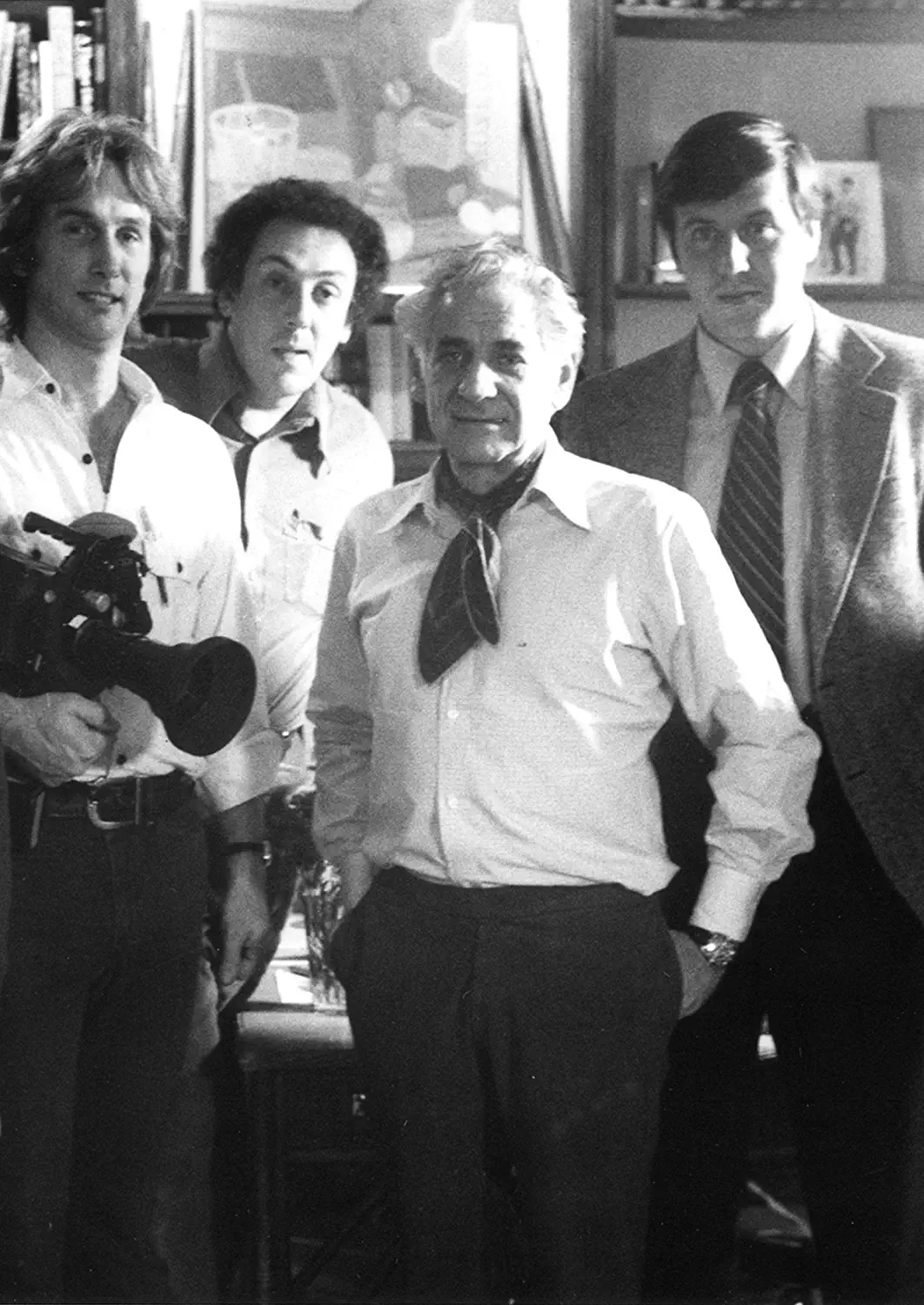
DVD / Leonard Bernstein - Reflections 1978


https://www.youtube.com/watch?v=lPJyIAW8cE0

https://www.medici.tv/en/documentaries/leonard-bernstein-reflections


▶ 20세기 후반의 전방위 음악인 레너드 번스타인을 돌이켜 생각한다!

레니란 애칭으로 불리며 널리 사랑받았던 남자! 양키라는 비아냥거림을 받으면서도 유럽 악단까지 평정한 유대계 미국인! 바로 레너드 번스타인(1918~1990)이다. 번스타인은 작곡가로서, 지휘자로서, 작가로서, 또 음악해설가로서 모조리 대성공을 거둔 천재였다. 브로드웨이 뮤지컬에서 고전적 명작을 내놓는가 하면 대담하고도 영적인 질문을 던진 정통 관현악곡으로, 열정과 통찰력이 돋보이는 지휘 솜씨로 20세기 음악계의 중심에 있었다.


이 다큐멘터리에서 번스타인은 보스턴에서 성장한 어린 시절, 하버드 대학과 커티스 음악원에서 보낸 음악적 학습기, 가장 큰 영향을 미친 프리츠 라이너, 드미트리 미트로풀로스, 세르게이 쿠세비츠키에 관한 이야기를 풀어놓는다. 뉴욕 필하모닉과 함께 교육용 연주회를 진행하는 장면, 미국 문화의 상징적 존재로서 마치 음악 대사처럼 활동한 모습, 작곡에 대한 태도와 미국 음악에 관한 통찰까지도 엿볼 수 있다. 보너스로 1976년 파리의 샹젤리제 극장에서 다리우스 미요의 발레 음악 <지붕의의 소>를 덥수룩하니 온통 수염을 기른 채 지휘하는 모습이 실렸다.


Special Features

Darius Milhaud : Le Boeuf sur le toit - Ballet, Op. 58

A unique slide show of photos


레너드 번스타인 - 돌아보기

An exceptional documentary on one of the greatest artists of the 20th century


Leonard Bernstein: El motor natural que me da la energía para componer es la necesidad de comunicarme con el mayor número de gente posible, porque lo que más me gusta del mundo y de la vida son las personas. Me gustan tanto como la música, si no más. Me encantan las personas y tengo la obsesión de compartir con ellas lo que siento, lo que sé y lo que pienso.


레너드 번스타인 : 작곡할 수 있는 에너지를 제게 주는 타고난 원동력은 최대한 많은 사람과 소통하고 싶은 욕구입니다. 제가 세상과 인생에서 가장 좋아하는 대상이 사람들이기 때문이죠. 그 이상은 아니더라도 음악만큼 좋아해요. 저는 사람들을 사랑하며 제가 느끼고 알고 생각하는 것을 그들과 공유하는 데에 사로잡혀요.


En el vocabulario de nuestra época, el nombre de Leonard Bernstein significa música. Compositor, director de orquesta, pianista, profesor, autor. La variedad de sus talentos y actividades es extraordinaria. Compone tanto como para una sala de conciertos como para Broadway. Ha escrito sinfonías, obras corales, música para el cine, ballet, ópera y teatro.


우리 시대의 어휘에서 레너드 번스타인의 이름은 음악을 의미합니다. 작곡가, 지휘자, 피아니스트, 교육자, 저자. 그의 재능과 활동은 특히 다양합니다. 그는 콘서트홀과 브로드웨이를 위해 작곡합니다. 그는 교향곡, 합창곡, 영화 음악, 발레, 오페라, 연극을 작곡했습니다.


Leonard Bernstein: 42. Tres ¡y...!


레너드 번스타인 : 42. 셋 그리고...!


Su compromiso con la música es total. Su deseo de comunicar ha hecho llegar la alegría de la música a millones de personas. De la tarima al piano, de su máquina a los estudios de televisión, su energía está en continuo movimiento.


음악에 대한 그의 헌신은 총체적입니다. 의사소통에 대한 그의 열망은 수백만 명의 사람들에게 음악의 기쁨을 가져다주었죠. 무대에서 피아노까지, 기계에서 텔레비전 스튜디오에 이르기까지, 그의 에너지는 끊임없이 움직입니다.


[Music]


Leonard Bernstein: ¡Genial! ¡Bravo! Un ensayo excelente. Me ha encantado. Habéis tocado muy bien. Gracias. ¡Esto es un ensayo!


레너드 번스타인 : 시원해요! 브라보! 전 그걸 사랑했어요. 아주 잘 연주했어요. 감사합니다. 이건 테스트입니다!


[Music]


En el Carnegie Hall de Nueva York, el 14 de noviembre de 1943, Leonard Bernstein irrumpió en la escena musical. Acababa de ser nombrado, a los 25, director adjunto de la La Orquesta Filarmónica de Nueva York.


1943년 11월 14일, 뉴욕 카네기 홀에서 레너드 번스타인은 음악계에 뛰어들었습니다. 그는 25세에 뉴욕 필하모닉 오케스트라의 부지휘자로 임명되었습니다.


Leonard Bernstein: En ese trabajo, la idea era estar siempre preparado en caso de que el director, es decir, el de verdad, en este caso, Rodzinski o un director invitado, estuviesen indispuestos. Pero en la historia de la Filarmónica todos recuerdan que ni un solo director se ha puesto enfermo. Los directores adjuntos se quedaban ahí, amargándose cada vez más, frustrados. Se sabían todas las partituras, siempre estaban listos para dirigir. Con sus fracs guardados en el camerino, preparados para intervenir en el último momento, pero jamás se les dio la oportunidad. No hacía ni dos meses que yo estaba trabajando de esto. Era el 14 de noviembre de 1943. Jamás lo olvidaré. Aquel domingo, a las 9 de la mañana, sonó el teléfono. Bruno Zurato estaba al otro lado de la línea y me dijo: ''Ya está.'' Esta tarde, a las 15h, tienes que dirigir. No hay tiempo para ensayar. Bruno Walter está enfermo con gripe y es imposible reunir antes a la orquesta. Te presentarás a las 14:45 en los bastidores de Carnegie Hall para dirigir esta tarde... Y ahí estaba yo entre bastidores, temblando, escuchando a Bruno Zurato que había subido al escenario para dirigirse al público y darles la mala noticia de que no escucharían a Bruno Walter, A lo que mascullaron y que escucharían a un joven director llamado Leonard Bernstein. Y eso es lo último que recuerdo hasta el final del concierto cuando vi a todo el público en pie, aplaudiendo y gritando. Pero desde el momento en que salí, hasta el final del concierto, no recuerdo nada. Lo siguiente que recuerdo es a mi madre y a mi padre y a mi madre y a mi padre entrando al camerino. Mi padre resplandecía por primera vez en su vida. Mi padre estaba perplejo, no entendía qué había pasado, porque él siempre había estado en contra de que yo fuera músico. ''¿A dónde te llevará?'' ¿Pasarás toda tu vida tocando en el vestíbulo de un hotel rodeado de palmeras? ''¿Tocando a Cole Porter?'' Su pensamiento era el del músico del gueto judío ruso del que provino y en el que vivió hasta los 16 años. Un músico estaba entre lo más bajo. Era menos que nada. Un músico era un saltimbanqui que iba de boda en boda a funerales y a Bar Mitzvás tocando el violín, o lo que sea que tocara, y le lanzaban un cópec de vez en cuando o le daban un plato de sopa. Era un poco mejor que un mendigo, pero era una de las categorías más bajas de la raza humana. Para él era muy difícil hacerse a la idea de que existía una especie de mundo musical en el que uno podía alcanzar el éxito. Le interrumpían y decía: ''Quiero rezar...'' ¡Demasiado corto! Ni siquiera supe, hasta los 14 años, que existían los conciertos y que se podía asistir a ellos. Que existía una vida musical, que había músicos y una comunidad de músicos, que había amantes de la música que se tomaban todo esto muy en serio. No había músicos en mi familia. Era mi padre el que estaba allí perplejo, atónito, estupefacto porque acababa de ver cuánta gente podía albergar aquel lugar, acababa de ver a gente en pie ovacionando a su pequeño Lenny que acababa de dirigir el concierto. Y, de repente, comprendió que todo era posible. Y aquel fue un gran momento de perdón y de profunda emoción.


레너드 번스타인 : 지휘자, 즉 실제 지휘자, 이 경우에는 로진스키나 객원 지휘자가 아플 경우를 대비해 항상 준비하는 것이 아이디어였습니다. 그러나 필하모닉의 역사에서 모든 사람은 단 한 명의 지휘자도 아프지 않았다는 것을 기억합니다. 부지휘자들은 그곳에 서서 점점 괴로워하고 좌절했죠. 그들은 모든 악보를 알고 있었고 항상 지휘할 준비가 되어 있었는데요. 연미복을 탈의실에 보관한 채 마지막 순간에 개입할 준비가 되어 있었지만, 기회가 주어지지 않았죠. 저는 두 달 동안 직장에 있지도 않았어요. 1943년 11월 14일이었어요. 저는 잊지 않을 거예요. 그날 일요일 아침 9시에 전화벨이 울렸죠. 전화를 건 브루노 주라토는 제게 말했어요. “그가 나오지 못해요.” 오늘 오후 3시에 이끌어야 합니다. 예행연습할 시간이 없어요. 브루노 발터가 독감에 걸려 미리 오케스트라를 모으는 것이 불가능하죠. 오늘 오후 2시 45분 카네기 홀 무대 뒤에 서게 됩니다. 그리고 무대 뒤에서 저는 브루노 주라토의 말을 들으면서 온몸을 떨고 있었는데, 그는 무대 위로 올라와서 청중에게 말하고 모두가 신음하는 브루노 발터가 아닌 레너드 번스타인이라는 젊은 지휘자가 될 것이라는 불쾌한 소식을 전했죠. 그제야 저는 홀 전체가 얼마나 환호하고 분노했는지 알아차렸는데, 제가 기억하는 마지막입니다. 하지만 떠나는 순간부터 콘서트가 끝날 때까지 아무것도 기억나지 않아요. 그다음으로 기억나는 것은 부모님이 탈의실로 걸어가는 것입니다. 아버지는 태어나서 처음으로 상기되셨는데요. 제가 음악가가 되는 것을 항상 반대하셨기 때문에 무슨 일이 일어났는지 이해하지 못하셨죠. “어디로 갈까?” 야자수로 둘러싸인 호텔 로비에서 평생을 보낼까요? “콜 포터를 건드려?” 아버지의 생각은 자신이 16세까지 살았던 러시아 유대계 게토의 음악가에 대한 것이었죠. 음악가는 최하위권에 속했는데요. 아무것도 아닌 것보다 적었죠. 음악가는 결혼식에서 결혼식, 장례식, 바르 미츠바(유대교에서 남자의 경우 13세, 여자의 경우 12세가 되어 성년의례를 치른 사람)에 이르기까지 바이올린이나 자신이 할 수 있는 모든 악기로 연주하는 산기슭에 있었고, 그들은 음악가에게 코펙 동전(소련의 화폐 단위로 1/100루블)을 던지거나 수프 한 그릇을 주었죠. 거지보다는 조금 나았지만, 인류 최하위 계급이었죠. 자신이 성공할 수 있는 일종의 음악적 세계가 있다는 생각에 익숙해지는 것이 매우 어려웠습니다. 그들은 그를 가로막고 이렇게 말했죠. “기도하고 싶어요...” 너무 짧아요! 저는 14세가 될 때까지 연주회가 있고, 그 연주회들에 참석할 수 있다는 사실조차 몰랐죠. 음악 생활이 있었고, 음악가와 음악가 공동체가 있었으며, 이 모든 것을 매우 진지하게 받아들이는 음악 애호가들이 있었죠. 제 가족 중에는 음악가들이 없었어요. 아버지는 그 자리에 얼마나 많은 사람을 수용할 수 있는지 보셨고, 방금 콘서트를 지휘한 그의 어린 레니에게 손을 내미는 사람들을 보았기 때문에 당황하고, 기절하고, 멍하게 계셨죠. 그리고 갑자기 아버지는 모든 것이 가능하다는 것을 이해했어요. 그리고 그것은 용서와 깊은 감정의 위대한 순간이었습니다.


Leonard Bernstein nació en 1918 en Lawrence, Massachusetts. Sus padres eran inmigrantes rusos. Su padre esperaba que siguiera con el negocio familiar. Años después dijo: ''¿Cómo iba yo a saber que acabaría siendo Leonard Bernstein?'' Después de su debut histórico en Carnegie Hall, el ascenso de Leonard Bernstein a la fama fue todo un fenómeno. Se hizo famoso del día a la mañana. La fama le dio oportunidades casi ilimitadas para su energía creativa.


레너드 번스타인은 1918년 매사추세츠 주 로렌스 시에서 태어났습니다. 그의 부모님은 러시아 이민자였습니다. 그의 아버지는 그가 가족 사업을 계속하기를 기대했습니다. 몇 년 후 그는 이렇게 말했습니다. “그가 결국 레너드 번스타인이 될 것을 내가 어찌 알았을꼬?” 역사적인 카네기 홀 데뷔 이후, 레너드 번스타인의 명성 상승은 현상에 불과했습니다. 그는 하룻밤 사이에 유명해졌습니다. 명성은 그에게 창조적 에너지에 대한 거의 무한한 기회를 주었습니다.


Leonard Bernstein: Deduje una cosa curiosa aquí, en el Carnegie Hall, que resultaba del suceso, del gran suceso acaecido en 1943: No solo fue un concierto para los 2000 espectadores en esta sala, si no que también lo echaron por la radio. Ya lo he dicho antes, pero se me ocurre bajo otra luz porque, en cierto sentido, fue profético que mi debut como director estuviese ligado a un medio eléctronico. El medio era la radio. Porque eso era tocar en una de las muchas formas que han tenido un papel muy importante en mi vida. No fue realmente hasta 1954, cuando empecé en la televisión, que me di cuenta del inmenso poder que ejercen los medios de comunicación en la música.


레너드 번스타인 : 저는 여기 카네기 홀에서 1943년 일어난 위대한 사건의 결과로 흥미로운 사실을 추론했는데, 이 홀에 모인 2000명의 관객을 위한 콘서트였을 뿐만 아니라 라디오로도 중계되었죠. 전에도 말했지만, 제가 지휘로 데뷔한 작품이 전자 매체와 연결되어 있다는 것이 어떤 의미에서는 예언적이기 때문에 다른 관점에서 생각하게 되었습니다. 그 매체는 라디오였는데요. 제 인생에서 매우 중요한 역할을 한 많은 방법의 하나로 작동하고 있었기 때문이죠. 1954년이 되어서야 텔레비전에 출연하기 시작하면서 미디어가 음악에 미치는 엄청난 힘을 깨달았어요.


[Music]


Leonard Bernstein fue todo un éxito inmediato en la televisión. Su combinación de inteligencia e ingenio asentaron su reputación como mejor portavoz elocuente de la música.


레너드 번스타인은 텔레비전에서 즉각적인 성공을 거두었는데요. 그의 식견과 재치의 결합은 음악의 가장 유창한 대변인으로서 그의 명성을 확립했죠.


Leonard Bernstein: Ya lo ven. No me necesitan. Lo hacen perfectamente bien ellos solos. Así qué, ¿para qué necesitan un director de orquesta? Me di cuenta de que, aparte de compartir lo que pensaba y sentía sobre todo esto, sobre Beethoven, sobre la música del proceso creativo en sí con millones de personas, cara a cara, frente a frente, también podía aprovechar el apoyo visual, algo totalmente nuevo. Por ejemplo, teníamos la primera página de la partitura de la 5ª de Beethoven pintada en blanco y negro sobre el suelo. Teníamos músicos sobre cada una de las líneas que les correspondían: Un chelista en la línea del chelo, un clarinetista sobre la del clarinete y así. Luego, hice a un lado a aquellos a quienes Beethoven hizo un lado en su propía línea porque la sinfonía nº.5 empieza solo con cuerda y clarinetes, así que ni flautas, ni oboes, ni cornos, ni trompetas. Se dejaba solo a los músicos que debían tocar. Esto impresiona mucho a los espectadores porque tenía una connotación visual y corroboraba lo que yo decía y lo recibían por los oídos. Entonces comprendí que mi antiguo instinto de profesor, heredado de mi padre y de todos mis profesores, que me enseñaron a enseñar, todo este instinto casi rabínico por enseñar, explicar, formular, encontró de repente un paraíso en el mundo electrónico de la televisión.


레너드 번스타인 : 당신은 이미 알 수 있는데요. 그들은 제가 필요하지 않아요. 그들은 스스로 완벽하게 잘해요. 그렇다면 왜 지휘자가 필요할까요? 저는 이 모든 것에 대해, 베토벤에 대해, 수백만 명의 사람들과 창작 과정 자체의 음악에 대해, 얼굴을 맞대고, 얼굴을 맞대고 제가 생각하고 느낀 것을 공유하는 것 외에도 시각적 지원, 즉 완전히 새로운 것을 활용할 수 있다는 것도 깨달았어요. 예를 들면 우리는 베토벤 교향곡 5번 악보의 첫 페이지를 바닥에 흑백으로 칠했는데요. 우리는 첼로 라인에는 첼리스트, 클라리넷 라인에는 클라리네티스트 등등 해당하는 각각의 라인에 음악가들을 배치했어요. 그런 다음 교향곡 5번은 현악기와 클라리넷으로 시작하고 플루트, 오보에, 호른, 트럼펫이 없으므로 베토벤이 자신의 라인에서 무시했던 것들을 무시했죠. 연주해야 하는 음악가들만 남았죠. 이것은 시각적인 함축을 지니고 있고 제가 말한 것과 그들이 귀로 접수한 것을 확증하기 때문에 시청자들에게 많은 인상을 줍니다. 그러고 나서 저는 아버지 그리고 교수법을 가르쳐주신 모든 선생님으로부터 물려받은 교육자로서의 오래된 본능, 가르치고 설명하고 공식화하려는 이 모든 거의 랍비 같은 본능이 갑자기 텔레비전의 전자 세계에서 낙원을 찾았다는 것을 이해했죠.


El innovador programa Omnibus de mediados de los 50 fue seguido del Young People's Concerts. Programas nacionales que Bernstein dirigió durante más de una década. Ningún otro programa ha enriquecido tanto la vida musical de tantos jóvenes norteamericanos.


1950년대 중반의 획기적인 옴니버스 프로그램에 이어 <청소년 음악회>가 이어졌습니다. 번스타인이 10년 이상 지휘한 국가 프로그램이었죠. 다른 어떤 프로그램도 그렇게 많은 젊은 미국인의 음악적 삶을 풍요롭게 하지 못했습니다.


Leonard Bernstein: Cuando asumí la dirección de la Filarmónica de Nueva York en 1958, unos años más tarde puse la condición de que Young People's Concerts figurara con frecuencia en el programa de la Filarmónica y que se televisara.


레너드 번스타인 : 1958년에 뉴욕 필하모닉 지휘자가 되었을 때, 몇 년 후 저는 <청소년 음악회>가 필하모닉 프로그램에 자주 등장하여 텔레비전으로 방영되는 것을 조건으로 했습니다.


Con todos ustedes, el señor Bernstein.


여러분 모두와 함께, 번스타인 씨.


Leonard Bernstein: Creo que estoy más orgulloso de los cincuenta de Young People's Concerts que de casi todo lo que he hecho como profesor. Bienvenidos a Philharmonic Hall. Puede que les parezca raro que yo abra esta nueva temporada de Young People's Concerts hablándoles sobre la enseñanza. Después de todo, ¿no están estos programas consagrados a la música? ¿Y qué tienen que ver los profesores con la música? La respuesta es: Todo.


레너드 번스타인 : 저는 제가 교육자로서 한 모든 것보다 50회의 <청소년 음악회>가 더 자랑스러워요. 필하모닉 홀에 오신 것을 환영합니다. 제가 가르치는 것에 관해 이야기하면서 이번 <청소년 음악회>의 새 시즌을 여는 것이 이상하게 보일 수도 있습니다. 결국, 이 쇼는 음악에 전념하지 않나요? 그리고 교육자들은 음악과 어떤 관련이 있을까요? 답은 다음과 같은데, 모든 것입니다.


[Music]


La propia educación de Bernstein lo puso en contacto con algunos de lo mejores músicos de su tiempo. En la universidad de Harvard, estudió composición con Walter Piston y con Edward Burlingame Hill. Después de graduarse, fue a Nueva York para convertirse en músico. Sin embargo, los tres primeros meses fueron toda una decepción.


번스타인 자신의 교육은 그를 당대의 가장 위대한 음악가들과 접촉하게 했습니다. 하버드 대학교에서 그는 월터 피스턴과 에드워드 벌린게임 힐에게서 작곡을 배웠습니다. 졸업 후 그는 음악가가 되기 위해 뉴욕으로 갔습니다. 그러나 처음 3개월은 완전히 낙담했죠.


Leonard Bernstein: Tenía 21 años, me había graduado en Harvard y no encontraba trabajo. Era muy deprimente. Me sentía un poco fracasado. Fue uno de los peores momentos de mi vida.


레너드 번스타인 : 21세로 하버드를 졸업했지만, 일자리를 찾을 수 없었어요. 매우 우울했죠. 실패를 좀 느꼈는데요. 제 인생의 최악의 순간 중 하나였어요.


Aquel año, sin embargo, Bernstein conocería a tres hombres que determinarían el devenir de su carrera. El director griego Dimitri Mitrópoulos estuvo en Nueva York aquel verano y Bernstein le pidió consejo.


그러나 그해 번스타인은 자신의 경력의 미래를 결정할 세 명의 남자를 만났을 것입니다. 그리스 지휘자인 디미트리 미트로풀로스가 그해 여름 뉴욕에 있었는데, 번스타인이 조언을 구했죠.


Leonard Bernstein: Quedé con Mitrópoulos en el hotel Biltmore. ''¿Qué debo hacer?'' le pregunté. A lo que me respondió: ''Debes ser director de orquesta''. ''¡¿Director?! ¿Yo?'' Para mí, un director era la minúscula silueta que solía ver desde el segundo palco de la Symphony Hall durante mi adolescencia. Una pequeña silueta apenas visible desde lejos que era tan sofisticada, inaccesible y especial, dirigiendo a una centena de músicos. Jamás hubiese pensado que yo podría hacer algo así. Me dijo que debía ser director y le dije:

- ''Vale, pero, ¿cómo lo hago?'' 

- ''Estudiando''.


레너드 번스타인 : 저는 빌트모어 호텔에서 미트로풀로스를 만났습니다. “제가 무엇을 해야 할까요?” 저는 그에게 질문했습니다. 그러자 그는 다음과 같이 대답했죠. “당신은 오케스트라 지휘자가 되어야 합니다.” 그래서 저는 이렇게 말했죠. “지휘자?! 제가요?” 제게 지휘자는 청소년 시절 심포니 홀 2층에서 보았던 작은 형상이었죠. 멀리서 보기 힘든 조그마한 실루엣, 그토록 정교하고 다가갈 수 없는 특별함으로 100명의 단원을 지휘하고 있었죠. 제가 이런 일을 할 수 있다고 생각해본 적은 없었어요. 그는 제게 지휘자가 되어야 한다고 말했고 저는 그에게 이렇게 말했죠. “알겠어요, 하지만 어떻게 하죠?” 그러자 그가 말했어요. “공부해야죠.”


Fritz Reiner, profesor de dirección en el Instituto Curtis de Filadelfia, aceptó hacerle una audición a Bernstein.


필라델피아 커티스 음대의 지휘과 교수인 프리츠 라이너는 번스타인 오디션에 동의했습니다.


Leonard Bernstein: Me encontré con un hombre robusto y arisco llamado Fritz Reiner, que gruñió y profirió un ''hum...'' Sacó una partitura enorme, la colocó sobre el piano, la abrió por la mitad y no me dejó ver el título. Me dijo: ''¿Puedes tocarla al piano?'' ''Puedo intentarlo''. Y eso hice. Resultó ser la Obertura del festival académico de Brahms. Entonces ni siquiera la conocía, pero aun así la toqué. La repenticé bien, un poco forte entonces. Le impresionó que yo pudiera tocar aquello. Me admitió en su clase. En la primavera de 1940, leí en la prensa que que Serguéi Kusevitski, el director de la Orquesta de Boston, iba a fundar en Los Berkshires una escuela llamada Tanglewood en la que él enseñaría dirección.


레너드 번스타인 : 저는 프리츠 라이너라는 통통한 무뚝뚝한 남자를 만났는데, 그는 투덜거리며 이런 소리를 냈죠. “흠...” 그는 커다란 악보를 꺼내 피아노 위에 올려놓고 가운데를 펼쳐서 제목을 보지 못하게 했어요. 그는 제게 다음과 같이 말했어요. “피아노로 연주할 수 있나?” 그러자 저는 이렇게 말했죠. “시도할 수 있어요.” 그러고 나서 그렇게 했죠. 그 곡은 브람스의 <대학 축전 서곡>으로 밝혀졌어요. 그 곡을 잘 몰랐지만, 여전히 연주했어요. 잘 반복했더니 조금씩 강해졌죠. 그는 제가 그 곡을 건반으로 칠 수 있다는 것에 감동했죠. 그는 저를 제자로 받아들였어요. 1940년 봄, 언론에서 보스턴 오케스트라의 지휘자인 세르게이 쿠세비츠키가 버크셔에 탱글우드라는 학교를 설립하여 지휘를 가르칠 예정이라는 기사를 읽었습니다.


Con cartas de recomendación de Mitrópoulos y de Reiner, Bernstein se dirigió a Tanglewood.


미트로풀로스와 라이너의 추천서를 가지고 번스타인은 탱글우드로 향했습니다.


Leonard Bernstein: Ahí me senté, en presencia del gran Kusevitski, temblando y pálido. De repente Kusevitski me dijo: ''Claro que puedes venir a mi clase''. Así sin más. Aquello me impactó, ¡pero de buena manera! Aquel verano estudié con él en Tanglewood. Enseguida nos hicimos amigos, casi como padre e hijo. Su método de enseñanza se basaba más bien en la emoción: ''Debe ser cálido como el sol del alba. El crescendo debe...'' Mientras que Reiner era más de: ''¿Dónde toca el segundo clarinete?'' Y te interrumpía. Y yo pensaba: ¿hay un segundo clarinete? ''No lo sé... ¿Quiere decir una transposición o tal y como está en la partitura, o...?'' Eso me paralizaba. Su manera de enseñar daba miedo, pero Kusevitski era todo lo contrario. Me animaba, era acogedor, afable y... espléndido.


레너드 번스타인 : 그곳에서 저는 위대한 쿠세비츠키 앞에서 떨고 창백한 얼굴로 앉아 있었는데요. 갑자기 쿠세비츠키는 제게 이렇게 말했죠. “물론 너는 내 수업에 올 수 있어.” 그냥 그렇게요. 제게 충격을 주었지만, 좋은 방법으로요! 그해 여름 저는 탱글우드에서 그와 함께 공부했습니다. 우리는 거의 아버지와 아들처럼 즉시 친구가 되었습니다. 그의 교수법은 오히려 감정에 기초했습니다. “아침 햇살처럼 따스해야 해. 크레셴도는...” 반면에 라이너는 대부분 이랬어요. “제2클라리넷은 어디에서 연주하지?” 그리고 그는 방해했죠. 그러자 저는 다음과 같이 생각했죠. ‘제2클라리넷이 있나?’ 저는 이렇게 말했죠. “모르겠어요... 조옮김을 의미하나요, 아니면 악보에 있는 그대로, 또는?” 그것은 저를 마비시켰죠. 그가 가르치는 방식은 무서웠지만, 쿠세비츠키는 그 반대였는데요. 그는 고양되고, 따뜻하고, 상냥하고... 훌륭했어요.


[Music]


Durante los siguientes veranos, Bernstein se convierte en el asistente y en el protegido de Kusevitski. Al fin, parecía que convertirse en director de orquesta era casi posible.


다음 몇 번의 여름 동안 번스타인은 쿠세비츠키의 조교이자 제자가 됩니다. 드디어 지휘자가 되는 것이 거의 가능해진 것 같았죠.


Leonard Bernstein: Deben entender que en 1943 que hubiese un director de 25 años era algo inaudito. Absolutamente nadie dirigía una orquesta antes de los 40 años. Entonces, se consideraba que era muy joven. Cuando Mitrópoulos debutó en este país, tenía unos 45 años y consideraron que era un director muy joven. Pero 25 años, ni hablar. Además, un director estadounidense de 25 años, aquello eran dos puntos en contra. Nunca había habido un director estadounidense, excepto Howard Barlow que dirigía la orquesta de la CBS y que a veces, por invitación, dirigía la Filarmónica de Nueva York porque era como un gesto simbólico para los artistas de EE.UU., muy simbólico. Y, bueno... El tercer punto en contra era que, además de director estadounidense de 25 años, me llamaba Leonard Bernstein, un nombre imposible para un director. Kusevitski, en 1942 o 1943, me suplicó que cambiara. Me invitó a cenar en u casa y me dijo: ''Lénoshka, te tengo que hablar de algo muy grave''. Fue durante la guerra y me empezó a explicar el fenómeno del antisemitismo que yo ya conocía bien, ya que los críos irlandeses me pegaban cuando iba al colegio en Boston. Ya me lo sabía. Me dijo: ''En este mundo la vida es muy dura para un joven judío'' y Leonard Bernstein... el póster de Leonard Bernstein jamás estará en Carnegie Hall... De hecho, él ya tenía un nuevo nombre preparado para mí: Leonard S. Berns. ¿Se lo imagina? Lo estuve reflexionando toda la noche y a la mañana siguiente le dije: ''Lo siento, pero no. Tendrá que ser con el nombre de Leonard Bernstein o ninguno''.


레너드 번스타인 : 1943년에 25세의 지휘자가 있다는 건 들어본 적이 없다는 것을 이해해야 합니다. 40세 이전에 오케스트라를 지휘한 사람은 단 한 명도 없었죠. 따라서 그는 매우 젊다고 여겨졌는데요. 미트로풀로스가 이 나라에서 데뷔했을 때 그는 대략 45세였으며 매우 젊은 지휘자로 여겨졌죠. 하지만 25년, 방법이 없어요. 25세의 미국 지휘자도 두 번 반대했죠. CBS 오케스트라를 지휘하고 때로는 초청받아 뉴욕 필하모닉을 지휘했던 하워드 발로우를 제외하고는 미국 지휘자가 없었는데, 이는 미국 예술가들에게 상징적인 표시와도 같았기 때문에 매우 상징적이었어요. 그리고 음... 세 번째의 반대되는 점은 25세의 미국 지휘자라는 것 외에 제 이름이 레너드 번스타인이라는, 지휘자로서는 불가능한 이름이었다는 것이죠. 1942년이나 1943년에 쿠세비츠키는 제게 변화를 간청했습니다. 그는 저를 자신의 집 저녁 식사에 초대하고 제게 이렇게 말했어요. “레노쉬카, 아주 심각한 일에 관해 얘기해야 합니다.” 전쟁 중이었고 그는 제가 보스턴에서 학교에 다닐 때 아일랜드 아이들이 저를 때렸기 때문에 이미 잘 알고 있던 반유대주의 현상을 설명하기 시작했는데요. 저는 이미 알고 있었죠. 그는 제게 이렇게 말했어요. “이 세상에서 젊은 유대인들에게는 살기가 매우 힘들어요.” 그리고 레너드 번스타인... 레너드 번스타인의 포스터는 결코 카네기 홀에 없을 것입니다... 사실 그는 이미 저를 위해 준비된 새로운 이름인 레너드 S. 번스를 가지고 있었어요. 당신은 그것을 상상할 수 있을까요? 저는 밤새도록 그것에 대해 생각했고 다음 날 아침에 그에게 이렇게 말했죠. “죄송하지만 아닙니다. 레너드 번스타인의 이름이 아니라면 안 될 것입니다.”


[Music]


Durante los siguientes años estuvo muy ocupado dirigiendo y enseñando, con estrenos mundiales y estrenos de Broadway. Bernstein se casó con la actriz Felicia Montealegre y juntos formaron una familia. Finalemente, Leonard Bernstein ocuparía el mayor puesto jamás ocupado por un músico nacido y formado en EEU.UU.: El de director musical de la Orquesta Filarmónica de Nueva York. Se llevó a la orquesta de gira por Europa, por Oriente Próximo y Extremo Oriente, por Latinoamérica y por la Unión Soviética. Bernstein se convirtió en el principal embajador musical de EE.UU. Israel fue uno de los países que más visitó Bernstein. Dirigió allí por primera vez la orquesta en 1947 para celebrar sus 30 años de colaboración. La Orquesta Filarmónica de Israel organizó a nivel nacional el festival Leonard Bernstein. Es la primera retrospectiva de su obra como compositor.


다음 몇 년 동안 그는 세계 초연과 브로드웨이 초연으로 지휘하고 가르치는 데 매우 바빴습니다. 번스타인은 칠레 출신 여배우 펠리시아 몬테알레그레와 결혼하여 함께 가정을 꾸렸습니다. 궁극적으로 레너드 번스타인은 미국에서 태어나 훈련받은 음악가가 보유한 가장 높은 위치인 뉴욕 필하모닉 오케스트라 음악 감독을 차지하게 됩니다. 그는 오케스트라와 함께 유럽, 서아시아, 동아시아, 라틴 아메리카, 소련을 순회했죠. 번스타인은 미국 최고의 음악 대사가 되었습니다. 이스라엘은 번스타인이 가장 많이 방문한 나라 중 하나였는데요. 1947년 그들의 협력 30주년을 기념하기 위해 그곳에서 처음으로 오케스트라를 지휘했죠. 이스라엘 필하모닉 오케스트라는 전국 레너드 번스타인 페스티벌을 조직했습니다. 작곡가로서 그의 첫 번째 회고전입니다.


Leonard Bernstein: El honor es todo mío. Esta retrospectiva es todo un privilegio. Es la primera vez que me pasa algo así y tengo un poco de vergüenza porque no me siento lo bastante viejo como para tener una retrospectiva. Creo que no he hecho bastantes cosas. Reconozco haber hecho muchas cosas, pero siento que no he llegado a ese punto todavía en el que hay que volver la vista atrás hasta el presente para evaluar y juzgar. Es un gran honor y me siento profundamente conmovido porque esto lo ha hecho esta orquesta a la que quiero como a mi familia. Todos los miembros de esta orquesta son muy preciados para mí, lo que hace que el concierto sea muy especial para mí.


레너드 번스타인 : 영광은 모두 저의 것입니다. 이 회고전은 특권입니다. 이런 일이 처음이고 회고를 할 나이가 아닌 것 같아서 조금 부끄러운데요. 충분히 일하지 않았다고 생각해요. 많은 일을 했다는 것은 인정하지만, 아직 현재를 돌아보고 평가하고 판단해야 할 지경에 이르지 못했다는 생각이 듭니다. 가족처럼 사랑하는 이 오케스트라에서 하게 되어 영광이고 감격스러워요. 이 오케스트라의 모든 단원은 제게 매우 소중하고, 제게 매우 특별한 콘서트를 선사합니다.


La orquesta ha invitado directores y solistas de todo el mundo.


오케스트라는 전 세계의 지휘자들과 독주자들을 초청했습니다.


Leonard Bernstein: El principio, si se acuerdan, hace 13 años...


레너드 번스타인 : 기억한다면 13년 전 시작...


La selección se ha hecho a partir de toda la variedad musical de Bernstein. La banda sonora de La ley del silencio, éxitos de West Side Story, Candide, On the Town y Wonderful Town, la Serenata para violín y cuerdas, las sinfonías n.º 1 Jeremiah y n.º 2 Age of Anxiety, pero la pieza central del festival es la sinfonía n.º 3 de Bernstein, Kaddish, dedicada al recuerdo de de John F. Kennedy, estrenada a nivel mundial por la Orquesta Filarmónica de Israel en 1964.


그의 선곡은 번스타인의 모든 음악적 다양성에서 이루어졌습니다. 영화 <침묵의 법칙> 사운드트랙, 뮤지컬 <웨스트사이드 스토리> 히트 넘버들, 오페레타 <캉디드>, 뮤지컬 <마을에서> 및 <멋진 마을>, 바이올린과 현악기를 위한 세레나데, 교향곡 1번 <예레미야>, 교향곡 2번 <불안의 시대>였지만, 페스티벌의 중심이 되는 곡은 1964년 이스라엘 필하모닉 오케스트라가 세계 초연한, 존 F. 케네디를 추모하여 헌정된 번스타인의 교향곡 3번 <카디시>입니다.


[Music]


Quiero decir Kaddish. No siento que tenga autoridad en el sentido de que les digo a todos lo que tienen que hacer, pero los mimo, o toco con ellos... Es algo difícil de describir. Respiro y palpito con ellos, les doy consejos. Si supiese tocar el oboe, la tuba y el fagot los tocaría todos, si tuviese 70 bocas y 50 brazos.


다시 말해 <카디시>입니다. 제가 모든 사람에게 무엇을 하라고 말하는 점에서 권위가 있는 것처럼 느껴지지 않지만, 저는 그들을 애지중지하거나 그들과 협연합니다... 설명하기 어려운 건데요. 저는 그들과 함께 숨을 쉬고 고동치며, 그들에게 조언합니다. 제가 오보에, 튜바, 바순을 연주할 줄 알았다면, 입이 70개이고 팔이 50개라면, 모두 연주했을 것입니다.


Leonard Bernstein: Vale, seguid, por favor. ¡Y más! No ha estado mal.


레너드 번스타인 : 알겠어요, 계속하세요. 그리고 더! 나쁘지 않았어요.


Leonard Bernstein: Cuando eres un personaje público, como habíamos dicho sobre Carnegie Hall, eres extrovertido, sociable, siempre estás rodeado de gente, con colegas, amigos, socios, mánagers, etc. Pero cuando estás en privado, componiendo, estás solo, pero hay algo de esa soledad que no tiene nada de solitario y que es mucho más sociable, aunque suene raro, que la vida pública. Funciona totalmente al revés porque si eres una persona que piensa, lo contrario a una persona que actúa o que no piensa, esos pensamientos siempre te acompañan. No estás nunca tan activo como cuando no haces nada y nunca estás menos solo. Nunquam minus solum esse que cuando estuvo solo. Piénsenlo un momento. Cuando se está solo es cuando todas las ideas, sentimientos, lo que sea que se reprime en la vida social o en público, sale a la superficie. Te acosan. En mis momentos de mayor soledad, cuando me dedicaba a Kaddish en MacDowell Colony, por ejemplo, estaba totalmente solo en MacDowell Colony y cuando estaba componiendo la MASS en MacDowell Colony, aquellos fantasmas y personajes me acosaban como si al escribir los personajes cobraran vida y me rodearan. No me dejaban en paz, ni siquiera en sueños. No se está nunca solo. De hecho, uno está más solo cuando está rodeado de gente. Un hombre que razona y un artista creativo están más solos cuando hay gente que cuando están solos. Y es mucho más activo por sí mismo que cuando está en acción. Desde el principio, todos. ¡Sopranos!


레너드 번스타인 : 카네기 홀에 대해 말했듯이 당신이 공인일 때 당신은 외향적이고 사교적이며 동료, 친구, 동반자, 관리자 등과 함께 항상 사람들에게 둘러싸여 있습니다. 그러나 사적으로 있을 때, 작곡할 때, 당신은 혼자이지만, 그 외로움에는 전혀 외롭지 않은 무언가가 있으며 그것은 공적인 삶보다 훨씬 더 사교적이고 이상하게 들릴 수 있습니다. 행동하거나 생각하지 않는 사람과 달리 생각하는 사람이라면 항상 그 생각이 따라오기 때문에 완전히 다른 방식으로 작동합니다. 당신은 아무것도 하지 않을 때만큼 활동적이지 않으며 결코 덜 외롭지 않아요. 자신이 혼자였을 때보다 결코 덜 외롭지 않아요. 잠시 생각해보세요. 당신이 혼자일 때는 사회생활이나 공공장소에서 억압된 모든 생각, 감정, 모든 것이 표면으로 떠오를 때입니다. 그것들이 당신을 괴롭히죠. 제가 가장 외로웠던 순간, 예를 들어 맥도웰 칼러니에서 <카디시>를 하고 있었을 때 저는 맥도웰 칼러니에서 완전히 혼자였고, 제가 맥도웰 칼러니에서 <미사>를 쓸 때, 이 영혼들과 캐릭터들은, 캐릭터들을 쓰는 것이 생명을 불어넣은 것처럼 저를 괴롭혔으며, 저를 둘러쌀 것입니다. 그들은 꿈에서도 저를 혼자 두지 않았을 것입니다. 당신은 결코 혼자가 아닙니다. 사실 사람들에게 둘러싸여 있을 때 더 외롭죠. 이성적인 사람과 창의적인 예술가는 혼자 있을 때보다 사람들이 있을 때 더 외로워요. 그리고 행동할 때보다 그 자체로 훨씬 더 활동적입니다. 처음부터 모두. 소프라노!


Como compositor y director, Bernstein prepara Kaddish para un concierto del Festival de Israel. Religiosa, teatral y sumamente personal, la sinfonía es una obra compleja para una gran orquesta y tres coros.


작곡가이자 지휘자인 번스타인은 이스라엘 페스티벌 콘서트를 위해 <카디시>를 준비합니다. 종교적이고 연극적이며 지극히 개인적인 이 교향곡은 대규모 오케스트라와 3개의 합창단을 위한 복잡한 작품입니다.


Leonard Bernstein: ¡Parad! ¡Parad! Los tenores, ya tenéis algunos forte-piano, ¿no? ¿Ya hemos hablado de los bajos? Entonces, forte-piano. Bueno, directemente. Me encantan vuestras caras, ¡son tan bonitas! ¡Pero no os oigo! Os veo muy guapos, pero os quiero oír. Que oiga cuando entráis. Aunque cantéis bien las notas, está mal. ¡No hay nada! ¡Hay que bailar! Vale, debe haber quedado claro. Claro como el alba. Uno hace mejor su trabajo de compositor estando tumbado y seguramente dormido, aunque sea en apariencia. Si hay suerte, es justo ese estado de trance entre consciente e inconsciente el estado ideal para que las ideas salgan de ese pozo sin fondo. De repente se te ocurre una idea, un concepto. El truco está en despertarse lo suficiente como para escribirla y no olvidarla. Es cuestión de segundos. Y en la transición entre el estado semiconsciente y consciente puedes olvidarlo. De hecho, el estado ideal se da cuando perdemos la noción del tiempo durante el proceso de composicióon. De repente miras el reloj y te has pasado cuatro horas escribiendo. No sabes qué ha pasado con las horas. No sabes qué pasa afuera, no sabes de tu familia ni de nada. Cuando me siento aquí, solo, durante largas noches pensando en nada, me digo: No puedo escribir nada. Estoy seco, bloqueado, como pasando por la sequía creativa de un escritor. Entonces, me siento al piano e improviso le doy a algunas cuerdas, pruebo una secuencia de notas. No me gusta mucho, pero sigo y, de repente, encuentro una que funciona que sugiere otra cosa, porque la idea de componer, como he dicho antes ''com-ponere'', poner junto, no es encontrar un acorde que te guste, ''oh, genial, lo apunto''. No significa nada. Una nota no significa nada. Solo significa algo cuando avanza hacia otra nota. Entonces, de repente, tiene un sentido. Lo mismo pasa con un acorde o un contrapunto. No significa nada a no ser que esté en contexto con otra cosa. Y cuando lo encuentras... ¿Cómo describir ese proceso? Si pensamos en la mente, no en el cerebro no hablo del cerebro, sino de la mente donde nace la creatividad como un circuito sumamente complejo de cables, todos conectados en ciertos puntos, todos cargados de información... Pero de vez en cuando hay una especie de cortocircuito, dos cables de información se cruzan, y se tocarán, se cruzarán y darán lugar a algo llamado ''idea''. De repente nace algo. Y cada vez que se produce me llena de satisfacción. Ahí es cuando digo: Gratias agimus tibi. Agradezco mucho ese don en esos momentos. Al igual que me deprimo mucho en los momentos en los que que no pasa nada. Pero siempre sé que, al final, llegará. Al final esos dos hilos se unirán y saldrá una chispa mientras estoy navegando. Dejo de un lado mi ego, olvido mi nombre y la hora que es, luego soy compositor. Es la primera vez que los niños tienen la ocasión de estar con nosotros, así que vamos a empezar desde el principio. Un compás antes de que entren los sopranos piano. ¿Vale? J. ¡Vamos! ¡Y...!


레너드 번스타인 : 중지! 중지! 테너, 당신들은 이미 포르테-피아노를 가지고 있지 않나요? 우리는 이미 베이스에 관해 이야기했나요? 따라서 포르테-피아노. 음, 직접. [저는 당신들의 얼굴을 사랑해요, 그들은 너무 예뻐요! 하지만 저는 당신의 말을 듣지 않죠! 저는 당신이 아주 잘 생겼지만, 당신의 말을 듣고 싶어요. 당신이 들어갈 때 그가 듣게 하세요. 음을 잘 불러도 틀려요. 아무것도 없어요! 춤춰야 해요! 좋아요, 분명해야 했어요. 새벽처럼 맑아요.] 비록 분명하더라도 누워서 어쩌면 잠들어 있는 작곡가로서 작품에 최선을 다합니다. 운이 좋다면 의식과 무의식 사이를 가로지르는 상태는 아이디어가 바닥없는 구덩이에서 나오는 이상적인 상태일 뿐입니다. 갑자기 당신은 아이디어, 개념을 얻죠. 그 비결은 그것을 기록하고 그것을 잊지 않을 만큼 충분히 깨어있는 것입니다. 몇 초면 됩니다. 그리고 반의식과 의식 상태 사이의 전환에서 당신은 그것을 잊을 수 있습니다. 사실, 이상적인 상태는 우리가 작곡 과정에서 시간 가는 줄 모를 때입니다. 갑자기 당신은 시계를 보고 4시간 동안 곡을 썼습니다. 당신은 시간까지도 무슨 일이 있었는지 몰라요. 당신은 밖에서 무슨 일이 일어나고 있는지, 가족이나 어떤 것에 대해 아무것도 모릅니다. 아무 생각 없이 긴 밤을 여기 홀로 앉아 있을 때, 저는 저 자신에게 이렇게 말합니다. “나는 아무것도 쓸 수 없어.” 작가의 창작 가뭄을 겪고 있는 것처럼 저는 고갈되고 막혀 있죠. 그래서 저는 피아노 앞에 앉아 즉흥적으로 현을 치고 일련의 음들을 시험해봅니다. 별로 좋아하지는 않지만, 계속하다가 갑자기 뭔가 다른 것을 제안하는 작품들을 찾게 되는데, 작곡의 아이디어는 “함께 넣는 것” 이전에 말했듯이 “오, 좋아, 나는 그것을 적는다”처럼 당신이 좋아하는 코드를 찾는 것이 아니기 때문이죠. 아무 의미가 없어요. 음은 아무 의미가 없어요. 다른 음으로 넘어갈 때만 의미가 있는데요. 그러다 갑자기 이해가 됩니다. 화음이나 대위법도 마찬가지입니다. 다른 것과 관련이 없는 한 아무 의미가 없죠. 그리고 당신이 찾을 때... 그 과정을 어떻게 설명할 건가요? 우리가 두뇌가 아니라 마음을 생각한다면, 저는 두뇌에 대한 것이 아니라, 모두 특정 지점에서 연결되고 정보로 가득 찬 매우 복잡한 케이블 회로로서 창의성이 나오는 마음에 대해 말하는 것입니다... 그러나 이따금 2개의 정보 전선이 교차하고 서로 접촉하고 교차하여 “아이디어”라는 것을 생성하는 일종의 회로가 발생합니다. 갑자기 뭔가 탄생하죠. 그리고 그런 일이 일어날 때마다 만족감이 듭니다. 제가 말할 때는 이렇습니다. “우리는 당신을 위해 그것을 하고 있습니다. 감사합니다.” 저는 그 순간들에는 그 선물에 관해 매우 감사합니다. 아무 일도 일어나지 않을 때 매우 우울해지는 것처럼요. 그러나 저는 항상 그것이 결국 올 것을 알고 있습니다. 결국, 그 2개의 실이 함께 와서 탐색하는 동안 불꽃이 나올 것입니다. 자존심은 버리고 제 이름과 시간도 잊어버리고 작곡가가 됩니다. 아이들이 우리와 함께할 기회는 처음인 만큼 처음부터 시작하려고 합니다. 피아노 소프라노가 들어오기 전 한 마디. 됐어. J. 어서! Y...!


[Music]


Leonard Bernstein: ¡Bien! Vale, vale. No estás listo. Puedes hacer dos cosas: La primera, respirar. Si necesitas respirar, hazlo, aunque sea lo incorrecto. La segunda, no intentes cantar pianissimo.


레너드 번스타인 : 좋아요! 그래그래. 준비가 되지 않았군요. 다음 두 가지를 수행할 수 있는데요. 첫째, 숨을 쉬세요. 숨을 쉴 필요가 있다면, 그것이 잘못된 일이라 할지라도 그렇게 하세요. 둘째, 피아니시모(매우 여리게)로 부르려고 하지 마세요.


Es decir, no hago crescendo, por eso...


제 말은, 제가 크레셴도(점점 세게)를 하지 않는 이유는...


Leonard Bernstein: Por eso no hay que expandir tanto. Es mejor tener una nota fuerte que no tener ninguna. ¿Entiendes a qué me refiero?


레너드 번스타인 : 그러므로 많이 확장할 필요가 없습니다. 강한 음을 가지고 있는 것이 아예 없는 것보다 낫습니다. 제 말을 이해하세요?


[Music]


Leonard Bernstein: Me han puesto ciertas etiquetas y ya me he acostumbrado. El hecho de que la mayor parte de mi música sea con frecuencia tonal explica una de estas etiquetas, la de ''conservador'' o ''de la vieja escuela'', o lo que sea. Por supuesto, no se tiene en cuenta que yo he tocado mucha música no tonal y que me gusta mucho. Pero esto, en cierto modo, no parece afectar a la opinión general sobre mí, la que dice que son conservador y un rétrogrado, o como prefieras llamarlo. Y es, en gran parte, porque creo en la tonalidad. No es una convicción consciente ni la decisión consciente de una creencia preferente. Es, simplemente, parte de mí, algo en lo que creo. Está en el corazón de mi trabajo como compositor. Esto no quiere decir que no he escrito música no tonal, porque sí lo he hecho. Quizá el mejor ejemplo sea Kaddish, mi sinfonía n.º 3 que contiene un gran número de páginas de música dodecafónica sumamente compleja y muy elaborada según el sistema de Schönberg. Ahora me parece obvio que el tremendo sufrimiento del diálogo con Dios, que constituye la major parte Kaddish se tenía que expresar con expresionismo.


레너드 번스타인 : 그들은 제게 특정한 꼬리표를 붙였고 저는 이미 그것에 익숙해졌어요. 제 음악의 대부분이 종종 조성적이라는 사실은 이러한 꼬리표 중 하나인 “보수적” 또는 “구식” 등을 설명합니다. 물론 제가 조성이 없는 음악을 많이 연주했고 그것을 매우 좋아한다는 점은 고려하지 않죠. 그러나 이것은 어떻게든 제가 보수적이고 퇴행적이라는 일반적인 견해에, 또는 당신이 그것을 부르는 것을 선호하는 무엇이든 영향을 미치지 않는 것 같아요. 그리고 대부분 제가 음색을 믿기 때문이죠. 의식적인 확신이나 선호하는 신념의 의식적인 결정이 아닙니다. 단지 제 일부, 제가 믿는 것입니다. 그것은 작곡가로서의 제 작품의 핵심입니다. 제게 무조 음악이 있으므로 무조 음악을 작곡하지 않았다는 말은 아닙니다. 아마도 가장 좋은 예는 쇤베르크의 기법에 따라 매우 복잡하고 정교한 12음 음악의 많은 페이지를 포함하는 제 교향곡 <카디시>일 것입니다. 이제 <카디시>의 대부분을 차지하는 신과의 대화의 엄청난 고통을 표현주의로 표현해야 했던 것이 제게 분명해 보입니다.


[Music]


Leonard Bernstein: ¡Bien! Un poco tarde. ¿Tienes seis notas ahí? Por eso. Él solo tiene cinco. Todos tenéis una cantidad diferente. Hay que estar muy nervioso, para que lleguemos todos a la vez. Una pequeña depresión nerviosa. Uno de los aspectos principales de la obra es que el dolor que expresa la música dodecafónica debe ceder el paso, porque es parte de la obra, a la tonalidad e incluso al diatonismo. Así, el final es triunfal. La manifestación de la fe es tonal. Bien. Uno antes de Y, por favor. Vamos a intentarlo sin tener que pararnos. Ya hemos avanzado algo. No habéis hecho el crescendo en la primera frase.


레너드 번스타인 : 좋아요! 약간 늦군요. 거기 6개의 음이 있나요? 그래서 그래요. 5개의 음만 있군요. 사람마다 양이 달라요. 우리 모두 동시에 도착할 수 있도록 매우 긴장해야 합니다. 약간의 신경성 우울증. 작품의 주요 측면 중 하나는 12음 기법의 음악이 표현하는 고통이 작품 일부라서 조성, 심지어 온음계까지 양보해야 한다는 것입니다. 따라서 끝은 승리입니다. 믿음의 표현은 조성적입니다. 좋아요. Y 앞에 하나 주세요. 멈추지 말고 시도해 봅시다. 우리는 이미 어느 정도 진전을 이루었습니다. 첫 프레이즈에서 크레셴도를 하지 않았네요.


[Music]


Leonard Bernstein: Creo que si tuviese que ser crítico con mi propia música hasta el punto de juzgarla, porque la mayoría de artistas... solo fingen juzgar sus obras y su música. En mi caso, diría que sus raíces provienen de todas partes. Del jazz, de la música litúrgica, de Bach y Beethoven, de Schumann y Chopin y Mahler y demás, de los músicos de mi país como Copland, Roy Harris y William Schuman. Sus raíces también provienen de Schönberg y de los movimientos que han revolucionado la música de nuestro siglo y que han provocado la crisis de la historia de nuestra música.


레너드 번스타인 : 대부분의 예술가가,,, 그냥 그들의 작품과 음악을 판단하는 척하므로 제 음악을 판단할 정도로 비판해야 한다고 생각합니다. 제 경우에는 그 뿌리가 모든 곳에서 왔다고 말하고 싶어요. 재즈에서, 전례 음악에서, 바흐와 베토벤에서, 슈만과 쇼팽과 말러 그리고 다른 사람들로부터, 코플랜드, 로이 해리스, 윌리엄 슈만과 같은 미국의 음악가들로부터. 그 뿌리는 또한 쇤베르크와 우리 세기의 음악에 혁명을 일으키고 우리 음악사에 위기를 일으킨 운동들에서 비롯됩니다.


Durante la Conferencia de la Cátedra de Poesía Charles Eliot Norton de Harvard de 1973, Bernstein dio una serie de cursos sobre la crisis musical ocasionada por el abandono de la tonalidad. En seis programas televisados presentó una lógica física innata de la tonalidad basada en una analogía muy original entre la música y la lengua hablada. Sugirió que la música del futuro sería una síntesis de diferentes estilos enmarcada en la tonalidad.


1973년 하버드의 <찰스 엘리엇 노튼 시학 강의>에서 번스타인은 조성의 포기로 인한 음악적 위기에 대해 일련의 강의를 했는데요. 6개의 텔레비전 프로그램에서 음악과 구어 간의 매우 독창적인 유추를 기반으로 한 타고난 물리적 조성의 논리를 제시했죠. 그는 미래의 음악이 조성으로 짜인 다양한 양식의 합성이 될 것이라고 암시했습니다.


Leonard Bernstein: Creo que todo esto ha sido posible porque se ha redescubierto y se ha reaceptado la tonalidad, esa tierra universal de la que puede surgir tal diversidad. Y creo que no importa lo sea serial, estocástica o intelectual que pueda ser la música porque siempre podrá ser poesía si está arraigada en esa tierra. En EE.UU., el artista se encuentra en una postura particularmente ecléctica más que Bach, que Beethoven y que todos los que he mencionado, porque él mismo simboliza y representa a un país muy ecléctico y pluralista. Después de todo, ser norteamericano no significa nada. Los americanos, si hablamos de raíces, son los indios. Excepto ellos, el resto son inmigrantes. Todos somos inmigrantes, o hijos de, o nietos, o bisnietos de inmigrantes. Estos inmigrantes son de todo tipo. Algunos llegaron como esclavos y solemos olvidarlo cuando hablamos de ''norteamericanos''. Algunos eran polacos, húngaros, otros chinos, judíos y españoles. Hoy en día, muchos son latinoamericanos. Pero son todos norteamericanos. Cualquiera que tenga los ojos bien abiertos y que se interese por el país en el que vive, refleja ese país. El país, a ser tan variopinto y pluralista, hará que, naturalmente, haya un reflejo que sea también ecléctico. Lo que unifica todo esto, da igual cuál sea el compositor, es su propia voz, que siempre está ahí. Hace que la palabra ''ecléctico'' sea bonita.


레너드 번스타인 : 저는 조성이 재발견되고 다시 수용되었기 때문에 이 모든 것이 가능했으며 그러한 다양성이 발생할 수 있는 보편적인 땅이라고 믿어요. 그리고 음악이 아무리 연속적이든, 확률적이든, 지성적이든 간에 그 땅에 뿌리를 둔다면 언제나 시가 될 수 있다고 생각합니다. 미국에서 예술가는 베토벤과 제가 언급한 모든 사람보다, 바흐보다 특히 절충주의적인 위치에 있는데, 왜냐하면 그 자신이 매우 절충적이고 다원적인 국가를 상징하고 대표하기 때문입니다. 결국, 미국인이 된다는 것은 아무 의미가 없습니다. 뿌리에 관해 이야기한다면, 미국인들은 인디언입니다. 이들을 제외한 나머지는 이민자입니다. 우리는 모두 이민자, 이민자의 자녀, 손자, 증손자입니다. 이 이민자들은 모든 인종입니다. 일부는 노예로 도착했고 우리가 “미국인”에 대해 말할 때 그것을 잊는 경향이 있어요. 일부는 폴란드인, 헝가리인, 다른 일부는 중국인, 유대인, 스페인인이었죠. 오늘날 많은 사람이 라틴 아메리카인입니다. 그러나 그들은 모두 미국인입니다. 눈을 크게 뜨고 자기가 사는 나라를 걱정하는 사람은 그 나라를 반영합니다. 국가는 매우 다양하고 다원적이기 때문에 자연스럽게 절충주의적인 반영을 갖게 될 것입니다. 이 모든 것을 하나로 묶는 것은 작곡가가 누구이든 상관없이 항상 존재하는 자신의 목소리입니다. “절충적”이라는 단어를 아름답게 만들죠.


El eclecticismo de Bernstein es evidente en su MASS, una obra teatral para cantantes, bailarines y músicos, que inauguraba el Centro John F. Kennedy para las Artes Escénicas en Washington en 1971. Una obra que combina liturgia romana y letras de rock, la MASS se encontró tanto con elogios como con desdén.


번스타인의 절충주의는 1971 워싱턴 DC에 존 F. 케네디 공연예술센터를 연 가수, 무용수, 음악가를 위한 연극인 <미사>에서 분명합니다. 로마식 전례와 록 가사가 조합된 작품인 <미사>는 찬사와 멸시를 동시에 받았죠.


Leonard Bernstein: Estoy acostumbrado a que me lluevan las críticas. Y ahora, alcanzada esta respetable edad, esto ya no me debería molestar y supongo que así es. Por otro lado, me gustaría que la gente entendiera lo que he intentado hacer. Cuando digo la gente, hago una clara distinción entre los críticos y la gente. Escribo mi música para la gente, no para los críticos. Se dice que mi música, que todo lo que he escrito, es para el teatro. Creo que es cierto, en cierto modo. Creo que las palabras me gustan tanto como las notas. La expresión natural de ese amor por las palabras y por la música a la vez imagino que debería haberse reflejado en un alud de canciones a lo largo de toda mi vida, pero no he sido un compositor de canciones en el sentido de como lo fue Schubert. Siempre he escrito las canciones en un contexto teatral.


레너드 번스타인 : 저는 제게 쏟아지는 비판에 익숙해요. 그리고 이제 이 존경할만한 나이에 이르렀으니 더는 저를 귀찮게 해서는 안 되며 그렇게 해야 한다고 생각합니다. 다른 한편으로는 사람들이 제가 하려고 했던 것을 이해해 주었으면 합니다. 저는 사람들을 말할 때 비평가들과 사람들을 분명히 구분합니다. 저는 비평가들이 아니라 사람들을 위해 제 음악을 씁니다. 제 음악, 제가 쓴 모든 것이 극장을 위한 것이라고 하는데요. 어떤 면에서는 그게 사실이라고 생각해요. 음들만큼이나 단어들도 좋아하는 것 같아요. 가사와 음악에 대한 사랑의 자연스러운 표현은 제 평생에 걸친 수많은 노래에 반영되어야 한다고 생각하지만, 저는 슈베르트와 같은 의미의 작곡가는 아니었어요. 저는 항상 연극적인 맥락에서 곡을 썼죠.


La escuela de música, ópera y teatro de la Universidad de Indiana ha enviado a 25 jóvenes cantantes y músicos a Israel para el Festival Bernstein. Interpretarán las canciones que Bernstein ha escrito para Broadway y su ópera en un acto Trouble in Tahiti.


인디애나 음악 오페라 연극 대학교는 번스타인 페스티벌을 위해 25명의 젊은 가수와 음악가를 이스라엘로 보냈습니다. 그들은 번스타인이 브로드웨이와 그의 단막극 <타히티섬의 소동>을 위해 쓴 노래들을 연주할 것입니다.


Leonard Bernstein: De hecho, en lo que hacéis, se nota vuestro talento. Debo admitir que la música es buena. ¿Y tú por qué lloras? Una vez de vuelta en Indiana todo irá bien.


레너드 번스타인 : 사실 당신이 하는 것에서 당신의 재능이 드러납니다. 저는 음악이 좋다는 것을 인정해야 합니다. 그리고 왜 우시나요? 인디애나로 돌아가면 모든 것이 잘 될 것입니다.


No paro de repetirme que debería estar en una granja en Carolina del Norte ¡y aquí estoy con Leonard Bernstein!


저는 계속 노스캐롤라이나의 농장에 있어야 한다고 되뇌고 있는데, 여기 레너드 번스타인과 함께 있어요!


Leonard Bernstein: La ópera no pega mucho con el lenguaje americano. Siempre he pensado que deberíamos inventar nuestra propia ópera, algo muy especial, único, inspirado en nosotros y en la música de Broadway. Por eso durante casi toda mi vida se me ha asociado con los musicales de Broadway. Finalmente he decidido dejar de experimentar con el musical de Broadway para intentarlo, por fin, con la ópera. Mis próximas obras serán todo óperas. Con suerte, descubriré un lenguaje americano afín al tipo de música que le corresponde, que le pegue y que no suene a forzado, a artificial ni a ópera ridícula, que suene natural. Si no tengo suerte, habré fracasado. Pero estoy dispuesto a intentarlo. También necesito armarme de cierto coraje y estoy dispuesto a aceptar el reto.


레너드 번스타인 : 오페라는 미국의 언어와 별로 어울리지 않아요. 저는 항상 우리와 브로드웨이의 음악에서 영감을 받은 매우 특별한, 독특한 우리 고유의 오페라를 만들어야 한다고 생각해왔어요. 그것이 제가 평생 브로드웨이 뮤지컬과 인연을 맺은 이유입니다. 저는 마침내 브로드웨이 뮤지컬 실험을 그만두고 오페라를 시도하기로 했어요. 저의 다음 작품들은 모두 오페라가 될 것입니다. 운 좋게도 저는 그것에 해당하는 음악 유형과 관련된 미국 언어를 발견할 건데, 이 언어는 강압적으로 들리지 않고 인위적이거나 우스꽝스러운 오페라로 들리지 않으며 자연스럽게 들립니다. 운이 좋지 않다면, 저는 실패할 것입니다. 그러나 저는 기꺼이 시도합니다. 저 역시 용기를 내야 하고 도전을 기꺼이 받아들여야 합니다.


[Music]


¡Oh Padre! ¡Señor de la Luz!

¡Su Majestad! ¡Mi Imagen, mi Yo!

Somos uno, después de todo.

¡Tú y yo!

Juntos sufrimos y juntos existimos.

Y nos recrearemos el uno al otro durante toda la eternidad.

¡Nos recreamos el uno al otro!

¡Sufrimos y nos recreamos el uno al otro!


오 아버지! 빛의 군주!

폐하! 나의 이미지, 나의 자아!

결국, 우리는 하나입니다.

당신과 나!

우리는 함께 고통받고 함께 존재합니다.

그리고 우리는 영원히 서로를 재창조할 것입니다.

우리는 서로를 재창조합니다!

우리는 고통을 겪고 서로를 재창조합니다!


Leonard Bernstein: Creo que lo que está pasando ahora y que ha estado pasando de manera encubierta todos estos años en los que me he mantenido firme para defender la tonalidad, a pesar de todas las virulentas críticas, los epítetos infames y demás es que la mayoría de los compositores están volviendo a la tonalidad. Casi todos. Están volviendo, están cerrando el círculo porque también quieren comunicar. Veo una unión descomunal de todos esos artistas desesperados que han estado tantos años en guerra entre ellos y con el público, no como un esfuerzo, sino como un movimiento muy natural y casi predecible para comunicarse con una gran público. Creo que vamos a asistir a un precioso periodo histórico de florecimiento en todas las artes.


레너드 번스타인 : 모든 맹렬한 비판, 악명 높은 별명 등에도 불구하고 제가 확고하게 조성을 옹호하기 위해 굳게 선 지난 몇 년 동안 지금 일어나서 비밀리에 진행되고 있는 것은 대부분 작곡가가 조성으로 돌아가고 있어서라고 생각합니다. 거의 모두. 그들은 또한 의사소통을 원하기 때문에 환상을 닫고 돌아오고 있습니다. 저는 수년 동안 서로 그리고 대중과 전쟁해온 필사적인 예술가들의 거대한 연합을 노력이 아니라 많은 대중과 소통하기 위한 매우 자연스럽고 거의 예측 가능한 운동으로 봅니다. 저는 우리가 모든 예술이 번성했던 아름다운 역사적 시기를 목격하게 될 것으로 생각합니다.


[Music]


Traducido por Clara Núñez Marsal / 클라라 누녜스 마르살의 스페인어 번역


유튜브에서도 전체를 볼 수 있다. 20분짜리 보너스 동영상은 나한테 없다. 번스타인과 관련된 사진들은 DVD 표지를 구하다가 아마존 사이트에서 찾았다.

2022년 9월 15일 목요일

LP / Leeds International Pianoforte Competition 1969


Track

01 [Radu Lupu] Schubert Sonata No. 14 in a, D. 784 - I. Allegro giusto

02 [Radu Lupu] Schubert Sonata No. 14 in a, D. 784 - II. Andante

03 [Radu Lupu] Schubert Sonata No. 14 in a, D. 784 - III. Allegro vivace

04 [Boris Petrushansky] Stravinsky 3 Movements from Petrushka - I. Russian Dance

05 [Boris Petrushansky] Stravinsky 3 Movements from Petrushka - II. Petrushka's room

06 [Georges Pludermacher] Debussy Etude No. 3 Pour les quartes

07 [Georges Pludermacher] Ravel Gaspard de la nuit - III. Scarbo

08 [Arthur Moreira-Lima] Chopin Nocturne No. 8 in Db, Op. 27 No. 2

09 [Anne Queffelec] Scarlatti Sonata in Eb, K. 193 (L. 142)

10 [Anne Queffelec] Scarlatti Sonata in D, K. 33 (L. 424)


Finalists

Radu Lupu (Winner) / 1위 라두 루푸

Born 1944 in Galați, Romania. Educated in Bucharest and at the Moscow Conservatoire where he studied with Richter’s mentor Heinrich Neuhaus and later, with his son (Stanislav). The winner of many international prizes: Vienna Beethoven Competition 1965, Van Cliburn Competition in U.S.A. 1966, George Enescu 1967, and the Leeds International Pianoforte Competition in 1969. Lupu is a Beethoven specialist. Indeed, he played the first two movements of the 3rd Piano Concerto in the Finals of the Leeds Competition. Not long ago he played the whole five Beethoven concertos on two consecutive evenings in Bucharest.


1944년 루마니아 갈라치 출생. 부쿠레슈티에서 배웠으며 모스크바 음악원에서는 리히터의 멘토인 하인리히 네이가우스와 그의 아들 스타니슬라프 사사. 1965 비엔나 베토벤 국제피아노콩쿠르 5위, 1966 미국 밴 클라이번 국제피아노콩쿠르 1위, 1967 제오르제 에네스쿠 국제음악콩쿠르 1위, 1969 리즈 국제피아노콩쿠르 1위 등 여러 국제 대회 입상. 베토벤 전문가. 리즈 콩쿠르 결선에서 베토벤 피아노 협주곡 3번의 1~2악장 연주. 얼마 전 부쿠레슈티에서 이틀 밤을 연이어 베토벤 5개의 피아노 협주곡 전곡 연주.


Georges Pludermacher (2nd) / 2위 조르주 플뤼데르마쉐

Born 26th July 1944. At four he began to learn the piano, and was admitted to the Paris Conservatoire at 11. Won four first prizes in France before the age of twenty-two; also international prizes at Lucerne and Lisbon. Many concert appearances with various ensembles both in France and abroad: Concerts with Mdme Yvonne Loriod at the Domaine Musical and as soloist at the Biennale of Radiodiffusion Fançaise in 1964 and 1966. First in the Competition for the post of pianist to the Opera in Paris Official “Tilulaire des Claviers” at the Opera (piano, celeste, xylophone, etc.)


1944년 7월 26일 출생. 4세에 피아노를 배우기 시작하여 11세에 파리 음악원 입학. 22세 이전에 프랑스에서 1등상 4회 수상 및 루체른과 리스본에서도 국제 대회 입상. 프랑스와 해외에서 다양한 앙상블들과 협연. 도멘 뮈지칼에서 이본느 로리오 여사와 협연, 1964 및 1966 프랑스 라디오 방송 비엔날레에서 콘서트. 파리 공식 오페라(피아노, 첼레스테, 실로폰 등) “건반 부문”에서 오페라 차기 피아니스트 콩쿠르 1위.


Arthur Moreira-Lima (3rd) / 3위 아르투르 모레이라-리마

Arthur Moreira-Lima was born in Rio de Janeiro, Brazil in 1940. He began studying the piano at the age of 8. When he was 20 he went to the Marguerite Long Academy in Paris where he was taught by Madame Long and Jean Doyen. In 1963 he was offered a scholarship by the Russian government and went to study with Rudolf Kerer at the Tchaikovsky Conservatoire. Lima’s debut as a soloist was made when he was 9 when he won first prize at a competition organised by the Brazilian Symphony Orchestra. Since 1949 he was won many prizes both in South America and Europe, the latest of which was the Third Prize at the Leeds International Pianoforte Competition in 1969.


1940년 브라질 리우데자네이루 출생. 8세에 피아노를 배우기 시작하여 20세에 파리 마르그리트 롱 아카데미에서 마르그리트 롱 및 장 돠엥 사사. 1963년 러시아 정부로부터 장학금을 받아 차이코프스키 음악원에서 루돌프 케러 사사. 브라질 심포니 오케스트라 주최 콩쿠르 우승으로 9세에 협연 데뷔. 1949년 이후 남아메리카와 유럽에서 여러 차례 입상하였으며, 가장 최근에는 1969 리즈 국제피아노콩쿠르 3위 입상.


Boris Petrushansky (4th) / 4위 보리스 페트루샨스키

Born 1949, Petrushansky studied at The Central Music School of the Moscow Tchaikovsky Conservatoire, in the class of Inna R. Levina. In 1964 was admitted to the class of Professor Heinrich G. Neuhaus. Continued his studies with Lev N. Naumov, in 1967 entered the Moscow State Conservatoire where he is still studying.


1949년 출생. 모스크바 차이코프스키 음악원 중앙음악학교에서 인나 레비나 사사. 1964년 하인리히 네이가우스 교수 사사 및 1967년 모스크바 국립 음악원에 입학하여 레프 나우모프 사사.


Anne Queffélec (5th) / 안느 케펠레크

Born 17th January, 1948 in Paris, Anne Queffélec started to study the piano at the age of five with Madame Bascourret de Gueraldi. During the course of her education she has pursued simultaneously both musical and literary studies and in the same year that she obtained her first prize at the Paris Conservatoire she also earned her degree in Philosophy. In addition she won a first prize in Chamber Music in 1966 and a medal at the International Competition in Barcelona in 1967.


1948년 1월 17일 파리 출생. 5세에 바스쿠레 드 게랄디 여사 사사. 교육 과정에서 음악과 문학 연구를 동시에 추구했으며, 같은 해 파리 음악원에서 1등상 및 철학 학위. 1966년 실내악 부문 1등상 및 1967년 바르셀로나 마리아 카날스 국제음악콩쿠르 메달리스트.


This record, produced immediately after the 1969 Leeds International Pianoforte Competition, introduces to the musical world five young, outstanding pianists performing some of the pieces which made such an impact on jury and audience alike. Their names will already be familiar to many people who watched the competition on B.B.C. Television, and there will be other opportunities of hearing them in concerts and on the radio.


1969 리즈 국제피아노콩쿠르 직후에 제작된 이 음반은 심사위원과 청중 모두에게 큰 영향을 미친 5명의 뛰어난 젊고 뛰어난 피아니스트들을 음악계에 소개한다. 그들의 이름은 BBC 텔레비전에서 대회를 시청한 많은 사람에게 이미 친숙할 것이며, 콘서트와 라디오에서 들을 다른 기회가 있을 것이다.


It may be wondered why this competition is held in Leeds, when many of the other great competitions are held in the capital cities or great cultural centres of their countries: Brussels, Budapest, Moscow, Paris, Vienna, Warsaw, Geneva, Munich. The reason is that we have both been closely associated with this city for many years, and have taken a great personal interest in its musical life, especially in the training, development and encouragement of its young pianists.


다른 많은 대회가 해당 국가의 수도나 문화 중심지(브브뤼셀, 부다페스트, 모스크바, 파리, 비엔나, 바르샤바, 제네바, 뮌헨)에서 열리는데 이 대회가 리즈에서 열리는 이유가 의아할 수도 있다. 우리 둘 다 이 도시와 수년 동안 긴밀한 관계를 유지해 왔으며 특히 젊은 피아니스트들의 교육, 발전 및 격려와 같은 음악적 삶에 사적으로 큰 관심이 있기 때문이다.


We believe that it is of the utmost importance for young artists to have the opportunity of meeting and hearing their musical contemporaries in an atmosphere of friendly rivalry. In addition, this competition is a stimulus for intensive study of the great piano literature from the eighteenth century to the present day; and all competitors are given a chance of revealing their qualities of musicianship and technique to a distinguished and influential jury.


우리는 젊은 예술가들이 우호적인 경쟁 분위기에서 동시대 음악가들을 만나고 들을 기회를 갖는 것이 가장 중요하다고 믿는다. 이 대회는 18세기부터 현재까지의 위대한 피아노 문헌에 관한 집중 연구를 위한 자극제이기도 하다. 그리고 모든 경쟁자는 저명하고 영향력 있는 심사위원들에게 음악적 재능과 기술의 자질을 밝힐 기회가 주어진다.


The competition offers £2,500 prize-money and many notable engagements, which include:

Aldeburgh, Bath, Edinburgh, Harrogate and Leeds Festivals.

London – Recital at the Queen Elizabeth Hall.

Concerts: Royal Festival Hall with the London Philharmonic Orchestra.

Royal Albert Hall – B.B.C. Promenade Concert, London Mozart Players.

Abroad – Belgium tour.

Prague – recital in Young Artists Series.

Tel Aviv – with the Israel Philharmonic Orchestra.

The late Princess Royal, a keen music-lover, presented the Princess Royal Gold Medal to the winner of the 1963 Competition, Michael Roll, and in her memory the Competition offers the Princess Mary Gold Medal to succeeding winners.


이 대회는 2,500파운드의 상금을 지급하며 다음과 같은 여러 주목할 만한 계약들을 제공한다.

올드버러, 바스, 에든버러, 해러게이트, 리즈 페스티벌

런던 퀸엘리자베스 홀 독주회

로열 페스티벌 홀에서 런던 필하모닉 오케스트라와 협연.

로열 앨버트 홀에서 BBC 프롬나드 콘서트 및 런던 모차르트 플레이어스와 협연.

해외 벨기에 투어.

프라하 영 아티스트 시리즈 독주회.

텔아비브에서 이스라엘 필하모닉 오케스트라와 협연.

열렬한 음악 애호가였던 고 프린세스 로열은 1963년 콩쿠르 우승자인 마이클 롤에게 프린세스 로열 금메달을 수여했으며, 그녀를 기리기 위해 콩쿠르는 후속 우승자에게 프린세스 메리 금메달을 수여했다.


The Leeds International Pianoforte Competition was a vehicle for helping to launch Michael Roll (Great Britain), who at seventeen was the youngest of eighty-eight competitors, on a distinguished international career, which has included important engagements with every major orchestra in this country, and in Austria, Éire, Germany, Holland, Israel, Malta, Norway, Russia, Sweden and Switzerland. Similarly, Rafael Orozco (Spain), first prize winner in 1966, Semyon Kruchin (U.S.S.R.) and Victoria Postnikova (U.S.S.R.) joint second prize winners, Aleksei Nasedkin (U.S.S.R.) third prize winner, and Jean-Rodolphe Kars (Austria) fourth prize winner, have become famous in this country and abroad.


리즈 국제피아노콩쿠르는 뛰어난 경력을 쌓는 데 도움을 주려는 수단이었는데, 1963년 초대 대회 88명의 경쟁자 중에서 가장 어린 17세의 마이클 롤(영국)은 이 나라뿐만 아니라 오스트리아 아일랜드, 독일, 네덜란드, 이스라엘, 몰타, 노르웨이, 러시아, 스웨덴, 스위스에서 모든 주요 오케스트라와 중요한 계약을 맺었다. 마찬가지로 1966년 차기 대회의 라파엘 오로스코(스페인, 1위), 세미온 크루친과 빅토리아 포스트니코바(소련, 공동 2위), 알렉세이 나세드킨(소련, 3위), 장-로돌프 카르스(오스트리아, 4위)가 국내외에서 유명해졌다.


Adjudicators for the Leeds International Pianoforte Competitions have been:

Chairman; Sir Arthur Bliss, Master of the Queen’s Music.

William Glock, Controller of Music, B.B.C.


리즈 국제피아노콩쿠르의 심사위원단은 다음과 같다.

심사위원장 : 아서 블리스 경, 퀸즈 음대 석사 / 윌리엄 글록, BBC 음악 담당자


Jury Members

Géza Anda / 게자 안다

Gina Bachauer / 지나 박하우어

Paul Badura-Skoda / 파울 바두라-스코다

Nadia Boulanger / 나디아 불랑제

Maria Curcio / 마리아 쿠르치오

Clifford Curzon / 클리포드 커즌

Rudolf Firkušný / 루돌프 피르쿠쉬니

Annie Fischer / 아니 피셔

Yakob Flier / 야코프 플리에르

Szymon Goldberg / 시몬 골드베르크

Peter Gould / 피터 굴드

Barbara Hesse-Bukowska / 바르바라 헤세-부코프스카

Paul Huband / 폴 허밴드

Hans Keller / 한스 켈러

Yvonne Lefébure / 이본느 르페뷔르

Raymond Leppard / 레이먼드 레퍼드

Nikita Magaloff / 니키타 마갈로프

Ivan Moravec / 이반 모라베츠

Lev Oborin / 레프 오보린

John Pritchard / 존 프리처드

Charles Rosen / 찰스 로젠

Bela Siki / 벨라 시키

Lev Vlasenko / 레프 블라센코


The genuine interest of the audiences and the national press, and the outstanding part played by the B.B.C., particularly in its documentary TV film “Great Expectations” produced by John Drummond, have brought to the notice of the public the names of many young pianists who might otherwise still be unknown and struggling for recognition.

Marion Harewood

Fanny Waterman

Joint Chairmen of the Leeds International Pianoforte Competition.


청중과 국내 언론의 진정한 관심과 BBC, 특히 존 드러먼드가 제작한 다큐멘터리 TV 필름 <위대한 유산>에서 연주된 뛰어난 부분은 대중의 이목을 끌었던 많은 젊은 피아니스트의 이름을 가져왔는데, 그렇지 않으면 여전히 알려지지 않고 인정을 위해 고군분투할 수도 있다. 매리언 헤어우드와 패니 워터먼은 리즈 국제피아노콩쿠르 공동 심사위원장이었다.


외국 분이 주셔서 갑자기 정리하게 된 음반. 관심 있는 연주자들을 언급하면 나름대로 신경 써주셔서 나도 그분한테 때때로 보답해드리곤 한다.

2022년 9월 14일 수요일

DVD / David Fray, Jaap van Zweden & Philharmonia Orchestra - Mozart Piano Concertos Nos. 22 & 25 (2011)


https://www.medici.tv/en/documentaries/david-fray-records-mozart-concerto-no-25-k-503-bruno-monsaingeon/

https://www.medici.tv/en/documentaries/david-fray-records-mozart-concerto-no-22-k-482-bruno-monsaingeon/


David Fray records Mozart (I)

Mozart Piano Concerto No. 25 in C, K. 503 / 모차르트 피아노 협주곡 25번

I. Allegro maestoso

II. Andante

III. Allegretto

... David Fray, piano / 다비드 프레, 피아노

... Philharmonia Orchestra / 필하모니아 오케스트라

... Jaap van Zweden, conductor / 야프 판 즈베덴 지휘


David Fray: What do we do?


다비드 프레 : 무엇을 해야 할까요?


Etienne Collard: We're recording Mozart?


에티엔 콜라르 : 모차르트를 녹음하고 있나요?


David Fray: Yesterday, I had to play on an awful piano! Even "Let it be" wouldn't have been possible! The purists wouldn't have tolerated it.


다비드 프레 : 어제는 형편없는 피아노를 치게 되었어요! <렛 잇 비>라도 가능하지 않았을 거예요! 순수주의자들은 그걸 용납하지 않았을 것입니다.


filmed at the Abbey Road studios in London, August 2010


2010년 8월, 런던 애비로드 스튜디오에서 촬영


David Fray : Il faut décider quoi faire à cet endroit, car je démarre un peu avant mon "solo officiel".


다비드 프레 : “공식 솔로”보다 조금 일찍 시작하기 때문에 이곳에서 무엇을 할지 정해야 합니다.


Jaap van Zweden : On pourrait par exemple faire la mesure 91 mezzo piano, la 93 piano, et la 95...


야프 판 즈베덴 : 예를 들면 우리는 91마디 메조피아노(조금 여리게), 93마디 피아노(여리게), 그리고 95마디를 할 수 있는데...


David Fray : Pianissimo. Oui, ce serait le plus simple. Je ne sais pas.


다비드 프레 : 피아니시모(매우 여리게). 네, 그게 가장 쉬울 겁니다. 모르겠어요.


Jaap van Zweden : Ou sur la dernière mesure, donner un peu plus. Voyons ça.


야프 판 즈베덴 : 또는 마지막 마디에서 조금 더 주세요. 봅시다.


David Fray : Je ne suis pas sûr que la dernière doive être plus forte, elle doit être plus affirmative, plus affirmative, car elle clôt la phrase.


다비드 프레 : 저는 마지막 마디가 더 강할 필요가 있는지 확신하지 못해요. 점점 더 독단적이어야 합니다. 왜냐하면 프레이즈를 마무리하는 거니까요.


Jaap van Zweden : L'avantage d'un enregistrement, c'est qu'on peut essayer une, deux, trois fois, toutes sortes de possibilités.


야프 판 즈베덴 : 녹음의 장점은 한 번, 두 번, 세 번, 모든 종류의 가능성을 시도할 수 있다는 것입니다.


David Fray : Oui, je fais ça tout naturellement. Spécialement la première note. Si vous êtes d'accord, je voudrais faire... le deuxième sol... pas trop tôt. Mais il faut que vous entrez exactement comme si je n'avais pas fait ce petit rubato. C'est ça qu'il faut. Je fais quelque chose et vous aussi, de votre côté.


다비드 프레 : 네, 아주 자연스럽게 하죠. 특히 첫 번째 음. 괜찮다면, 두 번째 G음을... 너무 빠르지 않게... 하고 싶어요. 하지만 마치 제가 이 작은 루바토를 하지 않은 것처럼 정확하게 들어가야 해요. 그게 필요해요. 제가 뭔가를 하고 있고, 당신도 제 편이죠.


Jaap van Zweden : Enfin, vous faites quelque chose, tandis que moi, je reste strict.


야프 판 즈베덴 : 마지막으로, 제가 엄격하게 유지하는 동안 당신은 뭔가를 합니다.


David Fray : Exactement ! Et là, il y a cette figure obsessive. Il faut amortir le premier temps. Donc, quand j'entre... Je ne fais pas... C'est ce qui donnera à ce mouvement, qui pourrait sembler rythmiquement militaire, sa flexibilité et son charme. Une figure bien beethovenienne ! Trois brèves et une longue. Et c'est systématique. Une suspension.


다비드 프레 : 맞아요! 그리고 이 강박적인 형태가 있어요. 첫 박을 약하게 해야 합니다. 그래서 들어갈 때... 저는 그러지 않아요... 이것은 군대식 리듬처럼 보일 수 있는 이 1악장에 유연함과 매력을 부여할 것입니다. 매우 베토벤적인 형태죠! (교향곡 5번처럼) 3개의 음은 짧고 1개의 음이 길어요. 그리고 체계적이죠. 비화성음(계류음).


Jaap van Zweden : C'est déjà noté. Exactement.


야프 판 즈베덴 : 이미 언급되어 있군요. 맞아요.


David Fray : C'est très utile pour tout le mouvement. Sur le la mineur, je deviens moins mélodique et plus rythmique. C'est le début d'un superbe fugato à six voix. Il faudrait faire logiquement un crescendo graduel. Pas à pas. Comme en escalier. Mais plus on avance, plus on débouche sur les modes majeurs, après l'exploration des modes mineurs et plus j'ai besoin de temps pour cette mesure. Enfin, le dernier degré.


다비드 프레 : 모든 악장에 매우 유용해요. A단조에서는 덜 선율적이고 더 리드미컬해져요. 이것은 멋진 6성부 푸가토의 시작입니다. 점진적인 크레셴도(점점 세게)를 만드는 것이 논리적으로 필요합니다. 한 걸음 한 걸음. 계단처럼. 그러나 더 멀리 갈수록 우리는 단음계들을 탐색한 후 장음계들에 더 많이 오게 되며, 그 정도에는 더 많은 시간이 필요해요. 드디어 극도.


[1악장]


David Fray : Ici, quand je fais... si possible, pas trop d'espace... Il faut enchaîner.


다비드 프레 : 여기 제가 할 때... 가능하다면, 너무 많은 공간이 아닌데요... 이어받아야 하죠.


Jaap van Zweden : Sur cet accord, il y a un diminuendo. Si on diminue un peu moins... C'est plus facile.


야프 판 즈베덴 : 이 코드에는 디미누엔도(점점 여리게)가 있는데요. 조금만 더 줄이면... 더 쉬워요.


David Fray : Il faut le démarrer dans la résonance de l'accord. La difficulté, c'est que nous avons une phrase, mais chacun de nous en a un élément différent. Nous finissons une phrase commencée par vous. Vous faites la même chose ici. Je commence... et vous continuez la phrase. Il y a deux solutions ici. Ou sur le temps. Peut-être plus joli... Vous avez ce chromatisme et soudain... C'est plutôt bizarre. Très rêveur. J'ai besoin de beaucoup de sommeil, je ne sais pas si c'est la raison, mais c'est comme si... vous dormiez, et soudain... le réveil sonne ! Vous essayez de l'éteindre. Ce passage est pour moi, comme ce moment que j'adore, quand on n'est ni vraiment endormi ni tout à fait réveillé. On est entre les deux. C'est un autre niveau de conscience. Donc, c'est le réveil. Ça doit être un peu maladroit.


다비드 프레 : 코드의 공명으로 시작해야 합니다. 어려운 점은 우리에게 프레이즈가 있지만, 우리 각자는 프레이즈의 요소가 다르다는 것입니다. 우리는 당신이 시작한 프레이즈를 마칩니다. 당신은 여기에서 같은 것을 하죠. 저는 시작하고... 당신은 프레이즈를 계속합니다. 여기 두 가지 해결책이 있어요. 또는 시간이 지남에 따라서요. 어쩌면 더 예쁠 수도... 이 반음계가 있고 갑자기... 오히려 이상해요. 매우 꿈결 같죠. 잠이 많이 필요해서 그런 것인지는 모르겠지만... 자고 있는데 갑자기... 알람이 울리는 것 같아요! 당신은 그것을 끄려고 하는데요. 이 소절은 당신이 정말로 잠들지도 않고 완전히 깨어 있지도 않은, 제가 아주 좋아하는 이 순간처럼 저를 위한 것입니다. 우리는 둘 사이에 있어요. 다른 의식의 차원이죠. 따라서 자명종입니다. 조금 서툴러야(어설퍼야) 합니다.


Jaap van Zweden : Vous voyez ce que je veux dire ? Le problème surgit avec l'entrée du cor...


야프 판 즈베덴 : 무슨 말인지 아시겠어요? 호른이 들어가는 것에 문제가 생기는군요...


David Fray : Le cor est toujours un problème !


다비드 프레 : 호른이 항상 문제군요!


Jaap van Zweden : Pas le corniste, mais l'instrument.


야프 판 즈베덴 : 호른 주자가 아니라 악기요.


David Fray : Ce qui m'aide personnellement, en tant que simple pianiste... c'est de toujours anticiper la note suivante, car chaque note est potentiellement dans la dernière.


다비드 프레 : 단순한 피아니스트인 제게 개인적으로 도움이 되는 것은... 항상 다음에 나오는 음을 예상하는 것인데, 왜냐하면 각각의 음은 잠재적으로 마지막에 있기 때문입니다.


[2악장 및 3악장]


David Fray records Mozart (II)

Mozart Piano Concerto No. 22 in Eb, K. 482 / 모차르트 피아노 협주곡 22번

I. Allegro

II. Andante

III. Allegro

... David Fray, piano / 다비드 프레, 피아노

... Philharmonia Orchestra / 필하모니아 오케스트라

... Jaap van Zweden, conductor / 야프 판 즈베덴 지휘


David Fray: Are you recording? Shall I come and listen? The B natural is a bit dubious.


다비드 프레 : 녹음 중이신가요? 제가 와서 들을까요? 제자리 B음이 약간 모호하군요.


René Möller: Is it alright for you?


르네 묄러 : 됐나요?


David Fray: Isn't there too much reverberation? That's the natural reverberation?


다비드 프레 : 울림이 너무 심한 것 아닌가요? 그게 자연스러운 울림인가요?


filmed at the Abbey Road studios in London, August 2010


2010년 8월, 런던 애비로드 스튜디오에서 촬영


David Fray : Que pensez-vous de cette transition ? La première fois, je n'ai rien fait de spécial. Et seulement ici... un forte subito. Récemment, je faisais un diminuendo ici, et à l'orchestre, un petit crescendo. Et moi, un peu plus ça dépend... ça reste ouvert ? Même avec un crescendo, ça doit surprendre. Ce forte... doit être un peu théâtral. Ça me fait penser aux Noces de Figaro... quand le personnage pense à quelque chose. Il ne le fait pas. Il le pense seulement. Je voulais réfléchir à l'introduction au moment de la réexposition... Et puis, l'autre partie de cette figure. Ça doit être totalement différent, non ?


다비드 프레 : 이 전환에 대해 어떻게 생각하세요? 처음에는 특별한 것을 하지 않았어요. 그리고 여기에서만... 갑자기 세게. 최근에는 여기에서 디미누엔도(점점 여리게)를 하고 있고, 오케스트라에서는 약간 크레셴도(점점 세게)를 하고 있었죠. 그리고 저, 좀 더, 주로... 아직 열려 있나요? 크레셴도가 있더라고 놀랄 것입니다. 이 포르테는... 약간 연극 같아야 합니다. 캐릭터가 뭔가를 생각할 때... 오페라 <피가로의 결혼>이 생각나네요. 그는 하지 않아요. 단지 그것을 생각하죠. 재현부가 나오는 순간의 도입부에 대해 생각하고 싶었어요... 그러고 나서 이 형태의 다른 부분. 완전히 달라야겠죠?


Jaap van Zweden : Absolument.


야프 판 즈베덴 : 네, 그럼요.


David Fray : Ce n'est pas contradictoire. Ça, c'est une affirmation. Et ça...


다비드 프레 : 모순되지 않아요. 단언해요. 그리고...


Jaap van Zweden : Deux mondes.


야프 판 즈베덴 : 2개의 세계죠.


David Fray : Exactement ! Deux espaces...


다비드 프레 : 맞아요! 2개의 공간...


Jaap van Zweden : Ici, il faut donner plus qu'au début, c'est une sorte de regard en arrière. Certainement. C'est plus intéressant de donner davantage ici qu'au début.


야프 판 즈베덴 : 여기에서는 처음보다 더 많은 것을 제공해야 하는데, 일종의 뒤돌아보는 것이죠. 확실히. 처음보다 여기에 더 많이 제공하는 게 더 흥미롭군요.


David Fray : Le retour du thème a quelque chose de victorieux. Voulez-vous faire une petite courbette ici ? Ou bien garder le forte ?


다비드 프레 : 주제가 돌아오는 것에 대해 승리한 것이 있는데요. 여기에서 작은 인사를 하시겠어요? 아니면 포르테를 계속할 건가요?


Jaap van Zweden : D'abord forte, puis piano subito.


야프 판 즈베덴 : 먼저 포르테, 다음으로 갑자기 여리게.


David Fray : Donc pas trop de diminuendo, ce serait dommage de faire...


다비드 프레 : 디미누엔도가 너무 많지 않으면, 하기 부끄러울 것입니다...


Jaap van Zweden : À mon avis, on prépare trop l'auditeur à ce subito piano.


야프 판 즈베덴 : 제 생각에 청취자가 이 수비토 피아노(갑자기 여리게)를 위해 너무 많이 준비되고 있는 것 같아요.


David Fray : Exactement !


다비드 프레 : 맞아요!


[1악장]


David Fray : Vous êtes d'accord que ça doit être aussi intense que possible.


다비드 프레 : 당신은 그것이 가능한 한 강렬해야 한다는 데 동의합니다.


Jaap van Zweden : Le problème, c'est que quand on demande de l'intensité aux cordes, ils font plus de vibrato.


야프 판 즈베덴 : 문제는 현악기 주자들에게 강도를 요청하면, 그들은 더 많은 비브라토를 낸다는 거죠.


David Fray : Il me semble que ce n'est pas qu'une question de vibrato, mais plutôt de... Je pense plutôt à une intensité rythmique. La façon détirer. Au début de la phrase, la note la plus importante est curieusement... le mi ... Ça ne va pas.


다비드 프레 : 비브라토만의 문제가 아니라... 오히려... 저는 더 리드미컬한 강도를 생각하고 있어요. 스트레칭 방법이죠. 프레이즈의 시작에서 가장 중요한 음은 신기하게도... E음... 좋지 않아요.


Jaap van Zweden : J'ai une question. Il y a un passage où il faudrait être très doux. Je voulais savoir si vous seriez d'accord. Pourriez-vous...


야프 판 즈베덴 : 질문이 있는데요. 아주 부드럽게 해야 하는 부분이 있어요. 동의하실지 알고 싶었어요. 혹시...


David Fray : Ça vous va ou pas ? Puis-je me permettre une objection ?


다비드 프레 : 괜찮나요? 이의를 제기해도 될까요?


Jaap van Zweden : Je vous en prie.


야프 판 즈베덴 : 천만에요.


David Fray : J'aime bien cette couleur. Mais c'est le point culminant du tutti, pour des raisons harmoniques et contrapuntiques, car c'est l'endroit où entre une autre voix. Il y a là un contrepoint à 3 voix. C'est pourquoi, ça doit être plus intense. On peut bien sûr être plus intense avec un pianissimo.


다비드 프레 : 저는 이 색깔이 상당히 마음에 들어요. 그러나 또 다른 성부가 들어가는 곳이므로 화성과 대위법상의 이유로 투티의 클라이맥스죠. 3성부 대위법이 있어요. 그러므로 더욱 강렬해야 하죠. 물론 피아니시모로 더 강렬하게 연주할 수 있어요.


Jaap van Zweden : Je me souviens de Bernstein me disant que les moments les plus intenses sont aussi les plus doux. Vous pensez au ré bémol?


야프 판 즈베덴 : 번스타인이 가장 강렬한 순간들이 가장 달콤하기도 하다고 말한 게 기억나네요. 내림 D음 생각하시나요?


David Fray : Pour moi, cest le moment le plus touchant. Nous navons pas parlé du problème le plus délicat de ce mouvement : la question de l'unification du tempo, car dans cette œuvre, on a vite fait de changer trop souvent de tempo. On peut donner l'impression que la vitesse est différente sans en changer. Il faut être vigilant et soyez-le aussi pour moi.


다비드 프레 : 제게는 이것이 가장 감동적인 순간입니다. 우리는 이 운동의 가장 미묘한 문제인 템포의 통일성에 관해 이야기하지 않았는데, 왜냐하면 이 작품에서 우리는 템포를 너무 자주 변경하기 때문이죠. 템포를 바꾸지 않고도 속도가 다르다는 느낌을 줄 수 있는데요. 당신도 조심해야 하고 저도 조심해야 합니다.


Jaap van Zweden : C'est trop facile.


야프 판 즈베덴 : 너무 쉬워요.


David Fray : Vous ne trouvez pas qu'une difficulté de ce mouvement est la double variation de l'intermezzo avec les vents ? Il faut que la transition soit aussi organique que possible. Qu'en pensez-vous... si on fait...


다비드 프레 : 이 2악장의 어려움이 관악기들에 의한 간주곡의 이중 변주라는 것을 발견하지 못하셨나요? 전환은 가능한 한 유기적이어야 합니다. 어떻게 생각하세요... 그렇게 하면...


Jaap van Zweden : La dernière note doit être un peu plus longue.


야프 판 즈베덴 : 마지막 음은 조금 더 길어야 합니다. 


David Fray : Je peux le faire. Là aussi, une transition difficile. Le truc, c'est que... Je ne suis que pianiste, mais j'imagine que... si les 3 notes en levée sont totalement hors tempo, et totalement libres... ça donnera une belle couleur à l'ut majeur. Mais si on fait, je n'aime pas utiliser le mot « truc » et ce n'en est pas un.


다비드 프레 : 할 수 있어요. 다시, 어려운 전환. 그건... 저는 피아니스트일 뿐이지만, 3개의 연주된 음이 완전히 템포가 맞지 않고 자유롭다면... C장조에 멋진 색깔을 줄 거라고... 상상해요. 그러나 우리가 그렇게 한다면, 저는 “속임수”라는 단어 사용을 좋아하지 않으며, 그렇지도 않아요.


Jaap van Zweden : La flûte ne doit pas faire de crescendo. Ça doit être un diminuendo. Le mi naturel devrait être un peu une légère suspension.


야프 판 즈베덴 : 플루트는 크레셴도를 만들지 않아야 합니다. 디미누엔도여야 합니다. 제자리 E음은 약간 가벼운 비화성음(계류음)이어야 하죠.


David Fray : Essentiels aussi, les silences ! Nous devons les écouter. Car l'interruption, est-il possible... de résister jusqu'au dernier moment pour faire le forte ? L'attaque ne doit pas être trop facile.


다비드 프레 : 역시 필수죠, 침묵! 우리는 음들을 들어야 합니다. 방해 때문에, 최후의 순간까지 저항하는 것이... 가능할까요? 공격이 너무 쉬워서는 안 됩니다.


Jaap van Zweden : Elle doit venir un peu tard.


야프 판 즈베덴 : 조금 늦을 것입니다.


David Fray : Oui, comme dans un effort. Ici, nous ne sommes plus... dans le même monde. La véritable fin du mouvement est peut-être ici. A la fin, si possible de nouveau sans ritenuto.


다비드 프레 : 네, 노력으로. 여기에서 우리는 더 이상... 같은 세계에 있지 않아요. 2악장의 진정한 끝은 여기에 없을지도 모릅니다. 결국, 가능하면 다시 리테누토(갑자기 속도를 낮추어) 없이.


[2악장 및 3악장]

2022년 9월 12일 월요일

DVD / David Fray - Swing, Sing & Think 2009


https://www.medici.tv/en/documentaries/david-fray-sing-swing-think/

https://www.youtube.com/watch?v=zxBQwwiBu1Q


흔들어라, 노래하라, 생각하라

David Fray has said that, ”If, over my life, I can play all the works of Bach, Mozart, Schubert, Haydn, Brahms and Schumann, then I shall be very happy!”


“내 인생에서 바흐, 모차르트, 슈베르트, 하이든, 브람스, 슈만의 모든 작품을 연주할 수 있다면 나는 정말 행복해질 것이다!” - 다비드 프레


David Fray Records Johann Sebastian Bach

In January 2008 David Fray recorded his second disc, in which he directed the Deutsche Kammerphilharmonie Bremen from the piano, with a programme this time comprising four keyboard concertos by Bach – concertos which, together with the famous Brandenburg Conceros, are among Bach’s most popular and stimulating works. One of the main problems posed for the present-day performer of these works is that they have been “touched” by Glenn Gould; this “rascal Gould, who has stamped his indelible mark on them”, as David Fray puts it. But Bach’s music is so rich and boundless that there remain numerous exciting options for the performer’s imagination – assuming that he has any – and David Fray’s imagination happens to be one of his most striking characteristics.


2008년 1월에 다비드 프레는 피아노에서 도이치 캄머필하모니 브레멘을 지휘한 두 번째 음반을 녹음했는데, 이번에는 바흐 4개의 건반 협주곡으로 구성된 프로그램을 사용했다. – 유명한 브란덴부르크 협주곡과 함께 바흐의 가장 인기 있고 활기찬 작품들 사이에 있는 곡들이다. 이 작품들의 현재 연주자에게 제기된 주요 문제 중 하나는 글렌 굴드에 “감동했다”라는 것인데, 다비드 프레가 말했듯이, “그들에게 지울 수 없는 자국을 새긴 악당 굴드”이다. 그러나 바흐의 음악은 매우 풍부하고 무한하여 연주자의 상상력을 위한 수많은 흥미로운 선택들이 남아 있는데 – 그가 가지고 있다고 가정하면서 – 다비드 프레의 상상력은 그의 가장 매력적인 특징 중 하나이다.


Bruno Monsaingeon / 브뤼노 몽생종 글


[Bach Keyboard Concerto No. 4 in A, BWV 1055: I. Allegro]


[바흐 키보드 협주곡 4번 1악장]


David Fray: Etienne?


다비드 프레 : 에티엔?


Etienne Collard: Yes?


에티엔 콜라르 : 네?


David Fray: We'll just have a two-minute warm up, and then, we'll let you know, ok? [Le début, s'il vous plaît. 1er mouvement. Je trouve cela un peu trop lourd.] What's special about this Concerto is that it starts with an arpeggio figure which doesn't feature in the orchestra. The orchestra does... [A mon goût, c'est... un petit peu bedonnant ! Comme ceci, pas comme ça ! Ici, s'il vous plaît... L'essentiel est de jouer avec plus de définition, d'articulation. Comme si on parlait ! OK ? A la mesure 64.] I sort of elaborate on that motif above the orchestral pattern... I add garlands on top of it. My part is ornamental but already puts me in the foreground. That's something I find important. Many pianists, no doubt quite rightly, would play that... straightforwardly. I'd rather play it like a succession of waves so that it doesn't sound like a simple scale... [C'est trop tôt ! Les basses ne vont pas... Ça doit être lyrique. C'est trop court. Aidez-les à être lyriques.]


다비드 프레 : 2분만 워밍업 한 다음 알려드릴게요. 아시겠죠? [시작해주세요. 1악장. 좀 너무 무거운 것 같아요.] 이 협주곡의 특징은 오케스트라에는 없는 아르페지오 형태로 시작한다는 점입니다. 오케스트라는... [제 입맛에는... 조금 배불러요! 저대로가 아니라 이대로! 여기, 제발... 가장 중요한 것은 더 많은 의미, 표현(아티큘레이션)을 사용하는 것입니다. 마치 우리가 이야기하는 것처럼! 아시겠어요? 64마디에서요.] 저는 오케스트라 패턴 위에 모티프를 좀 더 정교하게... 그 위에 장식음을 추가하죠. 제 파트는 이미 장식적이지만, 이미 전경에 저를 넣죠. 그게 제가 중요하다고 생각하는 것입니다. 많은 피아니스트는 의심할 여지 없이 정확하게 그것을... 직접 연주할 것입니다. 단순한 스케일처럼 들리지 않도록 연속적인 파도처럼 연주하고 싶어요. [너무 이르군요! 베이스는 아니... 서정적이어야 합니다. 너무 짧아요. 서정적으로 되도록 도와주세요.]


Florian Donderer: Legato ?


플로리안 돈더러 : 레가토요?


David Fray: [Oui, certainement ! C'est d'ailleurs ce que je voulais dire. Et surtout plus lyrique. Pas seulement legato, mais aussi... C'est votre seule mélodie dans ce mouvement. Donc, il faut... Quelque chose... de plus sensuel. Comme un chanteur, pas comme un violon.] Can we record?


다비드 프레 : [물론이죠! 게다가 제가 말하고 싶었던 거죠. 그리고 특히 더 서정적입니다. 레가토뿐만 아니라... 이 악장에서 유일한 멜로디죠. 그래서 우리는 해야 합니다... 뭔가... 더 관능적이죠. 바이올린이 아니라 가수처럼.] 녹음할 수 있나요?


Etienne Collard: Yes, let's...


에티엔 콜라르 : 네, 하죠...


[Bach Keyboard Concerto No. 4 in A, BWV 1055: II. Larghetto]


[바흐 키보드 협주곡 4번 2악장]


David Fray: [Ici, le plus pianissimo possible, car j'ai une modulation en la majeur, quelque chose de très doux. Il faut que vous priiez avec moi.] In Bach's music - one shouldn't neglect that point - one often finds motifs which are not only reiterated but which contaminate surreptitiously the whole work. Here we have this figure... a solitary downward fifth. It's taken up by the orchestra as I begin my cantilena. Sorry for my lousy singing. So, even when playing piano, that obsessive motif is sustained in the background and adds tension to this phrase, which, if it was alone... [Ce passage doit être dans une même continuité. Je trouve ça trop disjoint. Physiquement, vous devez respirer, je dois vous entendre... Pas seulement les instruments, mais vous, en tant que personnes ! J'y tiens vraiment ! Même endroit ? Plus ! Plus ! Ça pourrait être plus puissant ! Car ce passage... A partir d'ici... Puis là... N'hésitez pas à être aussi lyriques que si c'était une Passion de Bach, avec double chœur et double orchestre, quelque chose de très ample dans l'expression. Respirez de nouveau ! Encore plus ! Ne faites pas de diminuendo... Pas avant la dernière note. Vous devez penser chaque note de l'intérieur. C'est encore un peu rapide. Reprenons le tutti. Je reprends au même endroit. Plus ! Rien !] Nothing! Still this left hand rhythm, reminding us of the passing of time. Then comes that magic moment, all the tension is gone. [Rien ! Sotto voce. Rien ! Juste la mesure 14. 14, oui ? Souvenez-vous...] One doesn't want to leave this protective cocoon. Then... So far, everything was fine. But now, in no time, the colour is getting darker, a moment of disquiet... which doesn't really differ from the rest. It still bathes in the same gentle ambience. The role of an interpreter... particularly if he was a singer... is to change in a split second the whole climate. [Ce qui pourrait être encore plus émouvant, ce sont les silences. Parfois, il vous faut respirer, ou couper. Ainsi... Pas trop tôt. Vous avez fait ceci... C'est cela. Pour tout ce mouvement, certains passages importants, il faut que vous en soyez conscients. Ne pensez pas au rythme... Ecoutez simplement... S'il nous faut du temps ici, attendons ! Il n'y a plus de vie. Vous voyez la progression psychologique ? C'est le point le plus bas. Donc, au début, le paradis de l'enfance... Vous devez vous en souvenir... Ensuite, on en arrive à... Mesure 20, s'il vous plaît. A la mesure 25, c'est important... Pourriez-vous imaginer quelque chose de différent ? Quand je joue ceci... N'accompagnez pas cela comme si c'était une mélodie, mais comme un récitatif. Ce n'est plus une mélodie... C'est un parlando. Ce n'est pas de la musique, mais des mots.]


다비드 프레 : [여기에서는 가능한 한 피아니시모(매우 여리게)로, A장조의 전조(나란한조인 올림 F단조로 조바꿈)를 지니고 있으므로 매우 부드러운 것이죠. 저와 함께 기도해야 합니다.] 바흐의 음악에서 – 그 점을 간과해서는 안 되는데 – 반복될 뿐만 아니라 전체 작품을 어지럽히는 모티프들을 종종 발견합니다. 여기에서 우리는 이 형태가 있는데... 고독하게 5도 음정으로 내려가는 음들이죠. 제 칸틸레나(서정적 선율)를 시작하듯이 오케스트라로 계속되는데요. 형편없는 노래를 불러서 죄송합니다. 따라서 피아노를 연주할 때도 그 강박적인 모티프가 배경에 남아 이 프레이즈에 긴장감을 더하죠. [이 소절은 같은 연속성에 있어야 합니다. 너무 분리된 것 같아요. 육체적으로 당신은 숨을 쉬어야 하고, 저는 당신의 소리를 들어야 합니다... 악기뿐만 아니라 사람인 여러분도요! 정말 원해요! 같은 장소? 더! 더! 더 강력할 수 있어요! 왜냐하면 이 소절은... 여기에서... 그다음에... 2중 합창단과 2중 오케스트라로 구성된 바흐 수난곡처럼 표현이 매우 서정적으로 풍부해도 됩니다. 다시 숨을 쉬세요! 더 나아가세요! 디미누엔도(점점 여리게)를 하지 마세요... 마지막 음 이전이 아닙니다. 성부 안쪽에 있는 모든 음을 생각해야 합니다. 아직 조금 빨라요. 다시 투티로 돌아갑시다. 같은 곳에서 다시 시작합니다. 더! 아무것도 아니에요!] 아무것도 아니에요! 여전히 이 왼손 리듬은 우리에게 시간의 흐름을 상기시키는데요. 그런 다음 마법의 순간이 오면 모든 긴장이 사라지죠. [아무것도 아니에요! 소토 보체(소리를 낮추어, 작은 소리로). 아무것도 아니에요! 어쨌든 14번째 마디. 14마디, 아시겠죠? 기억하세요...] 이 보호막을 떠나고 싶지 않아요. 그다음에... 지금까지는 모든 것이 좋았어요. 하지만 이제 곧 색깔이 점점 어두워지고 불안한 순간이 찾아오는데... 여느 때와 별반 다르지 않죠. 여전히 같은 부드러운 분위기로 씻고 있는데요. 해석자의 역할은... 특히 그가 가수라면... 전체 분위기를 순식간에 바꾸는 것입니다. [더 감동적인 것은 침묵입니다. 때로는 숨을 쉬거나 잘라야 합니다. 그것에 의하여... 너무 빨리는 말고요. 여러분이 이것을 했고... 바로 그겁니다. 이 모든 악장, 확실히 중요한 소절에 대해 알고 있어야 합니다. 리듬에 대해 생각하지 마세요... 그냥 들으세요... 여기서 시간이 필요하면 기다려봅시다! 더 이상 생명이 없군요. 심리적인 진전이 보이시나요? 이것은 가장 낮은 지점입니다. 그래서 태초에 어린 시절의 낙원... 그것을 기억해야 합니다... 그런 다음 우리는 하게 되는데... 20마디 해주세요. 25마디에서 중요한 것은... 다른 것을 상상할 수 있나요? 이것을 연주할 때... 이것을 멜로디처럼 반주하지 말고 레치타티보(대사를 말하듯이 노래하는 형식의 창법)로 반주하세요. 이젠 멜로디가 아니거든요... 파를란도(이야기하듯이, 자유롭게; 이야기하듯이[자유롭게] 노래하는)입니다. 음악이 아니라 말입니다.]


Etienne Collard: I suggest we started recording.


에티엔 콜라르 : 녹음을 시작하는 게 좋아요.


David Fray: [Allons-y !]


다비드 프레 : [갑시다!]


[Bach Keyboard Concerto No. 4 in A, BWV 1055: III. Allegro ma non tanto]


[바흐 키보드 협주곡 4번 3악장]


David Fray: The tempo is fine. It's stable, it's fine. [C'est important pour moi. Vous êtes trop... Cela ne doit pas être si germanique ! Ce devrait être un peu plus... italien. Vous devez vous faire Italiens ici. Le plus important, c'est de sourire. C'est comme un rire. Pas seulement un sourire. Quelque chose de très gai ! Le début était bien... mais un peu lourd. Ici particulièrement, nous avons besoin de diction, d'une articulation très claire. Dès la 1re note, sur la levée, jamais une note pour rien ! Ce qui manque, c'est de l'énergie sur le temps manquant... Si vous... C'est déjà trop tard... Attention, deuxièmes violons ! C'est trop... Plus de définition ! Dans ce mouvement, même quand vous jouez legato, gardez à l'intérieur un sens du rythme. Quelque chose de plus tendu, car le danger en jouant legato est de perdre la tension. Mesure 32, juste vous, s'il vous plaît. Mieux ! C'est encore un peu trop relâché... Pas un legato de ce genre, mais... C'est comme si... vous tendiez quelque chose. Parfait ! Gardez la tension dans le legato. Même endroit. C'est mieux.] Not bad at all! I find it still a bit fatty, in that it still lacks... it doesn't quite take off. [Le problème est le manque de tension. Ce que je joue est plein de tension. Faites rebondir cela. C'est le genre de choses qui nous donnera l'énergie, la légèreté, et tout le reste. Mesure 70. Je voudrais quelque chose de plus anxieux, si je puis dire, à la mesure 126... Comme si vous étiez dans l'expectative. Puis, il y a une période d'attente... Et ensuite... Une virgule ici... Ensuite, au tempo. Aussi, au début... Plus à fond sur le temps...]


다비드 프레 : 템포가 좋네요. 안정적이네요, 좋아요. [제게 중요해요. 당신은 너무... 너무 독일적이어서는 안 됩니다! 조금 더 이탈리아적이어야 합니다. 여기서 이탈리아적이어야 합니다. 가장 중요한 것은 웃는 것입니다. 그것은 웃음과 같아요. 단지 미소가 아니거든요. 뭔가 매우 유쾌해요! 시작은 좋았지만... 조금 무거웠어요. 여기서 특히 우리는 매우 명확한 표현인 딕션(발음)이 필요해요. 첫 번째 음부터, 쇠약해져서, 헛된 음은 절대 없어요! 부족한 것은 잃어버린 시간에 대한 에너지인데요... 만약 당신은... 이미 너무 늦었어요... 조심하세요, 제2바이올린 주자들! 너무해요... 더 많은 정의! 이 3악장에서는 레가토를 연주할 때조차 내부에 리듬감을 유지하세요. 레가토 연주의 위험은 긴장을 잃는 것이므로 뭔가 더 긴장됩니다. 32마디, 당신만 해주세요. 더 나아요! 아직 조금 여유가 있어서... 그런 레가토는 아니지만... 마치... 당신이 뭔가를 버티는 것 같군요. 완벽해요! 레가토의 긴장을 유지하세요. 같은 장소. 더 좋아요.] 나쁘진 않아요! 저는 그것이 아직 부족하다는 점에서... 약간 기름기가 있다고 생각하는데... 완전히 벗어나지 않죠. [긴장이 부족하다는 게 문제군요. 제가 연주하는 것은 긴장으로 가득 차 있죠. 그것을 튕기세요. 그것은 우리에게 에너지, 가벼움, 그밖의 모든 것을 줄 것입니다. 70마디. 126마디에서 좀 더 불안한 게 있으면 좋겠는데... 마치 여러분이 기대했던 것처럼. 그럼 대기시간이... 그러고 나서... 여기에 쉼표... 그런 다음 템포로. 또한 처음에는... 박자에 더...]


Florian Donderer: German!


플로리안 돈더러 : 독일적이군요!


David Fray: Yes, more German! [Oui, quelque chose d'allemand !]


다비드 프레 : 네, 뭔가 독일적이죠!


David Fray: Shall we redo the beginning?


다비드 프레 : 우리 다시 시작할까요?


Florian Donderer: Yes, it's worth it.


플로리안 돈더러 : 네, 가치가 있죠.


[Bach Keyboard Concerto No. 5 in f, BWV 1056: I. Allegro]


[바흐 키보드 협주곡 5번 1악장]


David Fray: They wait too long before playing the F. [C'est clair. Nous avons écouté dans la cabine avec certains d'entre vous. Il semble que, sans doute à cause de l'acoustique, - car au Concertgebouw, nous n'aurions pas ce problème - il me semble que c'était un peu... je ne sais si Florian est d'accord... que c'était un peu végétarien ! Peut-être qu'en étant plus... dans la corde, avec parfois peut-être un peu plus de chaleur et de vibrato, juste un peu plus. Du début, s'il vous plaît.] Here I play with the orchestra. But right away, they let me do this... I repeat what they just played. Then we play... the same phrase again but this time in B flat minor. The interesting thing is that this short motif which I play alone has to have a function. This can be done in a banal way, like an echo. The orchestra does... and off we go! It is more interesting not to bring together the two D, B, A, B... but rather to have one terminate the phrase and the other launch the next phrase. So, instead of doing... and breathe, I do... and then breathe. [De plus en plus... Cette figure, vous essayez trop de la phraser. Je suis sûr que là-haut, cela semblera manquer d'articulation. Donc, j'ai besoin de... Pour le moment, c'est trop... Il faut donner de l'énergie, cela doit être plus court.] That's important! I insisted on that during the rehearsal. This rhythmic pattern gives me the impulse for the following triplets... If one does... my garland will sound a bit trite. Conversely, if I meet a slight rhythmic resistance... [J'ai besoin de résistance. Vous en faites quelque chose de pas important. Je voudrais que ce soit...]


다비드 프레 : 그들은 F음을 연주하기 전에 너무 오래 기다리네요. [명확해요. 우리는 당신들 중 일부와 함께 부스에서 들었어요. 아마 음향 때문인 것 같은데 – 왜냐하면 콘세르트헤보우에서는 이 문제가 없었기 때문인데 – 제 생각에는 약간... 플로리안이 동의할지 모르겠지만... 약간 채식주의자였어요! 어쩌면 더... 화음에, 때로는 조금 더 따뜻함과 비브라토가 될 수도 있는데요. 처음부터 부탁드릴게요.] 여기에서 저는 오케스트라와 함께 연주합니다. 하지만 바로, 그들은 제게 이것을 하도록 허락했는데요... 그들이 방금 연주한 것을 반복하죠. 그런 다음 우리는... 같은 프레이즈를 다시 연주하지만, 이번에는 내림 B단조로 연주합니다. 흥미로운 것은 제가 혼자 연주하는 이 짧은 모티프가 기능을 지니고 있어야 한다는 것이죠. 이것은 메아리처럼 평범한 방식으로 수행될 수 있습니다. 오케스트라는... 그리고 출발합니다! 두 번의 내림 D, 내림 B, A, 내림 B음을 모으지 않는 게 더 흥미로우나... 오히려 하나는 프레이즈를 종료하고 다른 하나는 다음 프레이즈를 시작하게 하죠. 그래서 하는 대신에... 그리고 호흡하고, 저는... 그러고 나서 숨을 쉽니다. [점점 더... 이 형태, 여러분은 그것을 표현하기 위해 너무 열심히 노력합니다. 저는 분명히 거기에 표현력이 부족한 것처럼 보일 것입니다. 그래서 저는 필요한데... 일단 너무... 에너지를 제공해야 하고, 짧아야 합니다.] 그게 중요해요! 제가 예행연습 때 그것을 주장했죠. 이 리듬 패턴은 제게 다음 셋잇단음표들에 대한 자극을 주는데요... 하나가 그러면.. 제 장식음은 약간 진부하게 들릴 거예요. 반대로 약간 리듬의 저항을 만나면... [저는 저항이 필요해요. 여러분은 중요하지 않은 것을 하고 있죠. 그랬으면 좋겠는데...]


Florian Donderer: Voulez-vous davantage de... ?


플로리안 돈더러 : 더 원하세요...?


David Fray: [Ce n'est pas tant une question de durée des notes. C'est une question de résistance. Je trouve que c'est trop... Maintenant, c'est un peu trop ! Je préfère... Vous pourriez donner plus de direction. Mesure 20.] Here, the rhythmic structure is clear. Here, I sort of jeopardize it by gradually emphasising the off-beat. So that instead of doing... which seems to me horribly tiresome. I gradually shift the emphasis... [Juste un souffle... Les altos ! Ici, je voudrais de l'électricité. Mesure 55. Avec un sentiment de panique ! Quelque chose d'excitant !] Here, there is this trill, a premonition of Beethoven's trills, as intense as the fusion of matter. When the release of energy reaches its peak, you get the trill! [Ecoutez le trille... C'est l'élément qui vous fait perdre la tête ! On ne sait plus où on en est, et puis... C'est l'un des rares passages dans Bach où on a une impression de chaos, où on ne sait quoi faire, un moment de panique, et puis on trouve l'issue. On doit ressentir cette impression de danger ! Reprenons ! Maintenez l'énergie ! Respirez ! Ici, il nous faut absolument un forte au début. Pardonnez-moi.] Shall we record, Etienne?


다비드 프레 : [음들의 지속 시간에 대한 문제가 아닙니다. 저항의 문제죠. 너무한 것 같아요... 이제 좀 과하네요! 저는 다음과 같은 걸 선호하는데... 여러분은 더 많은 지시를 제공할 수 있어요. 20마디.] 여기에서 리듬 구조가 명확합니다. 여기에서 저는 엇박자를 점점 강조함으로써 그것을 위태롭게 합니다. 따라서 대신 그렇게 하는 것은... 제게 끔찍이 피곤해 보여요. 저는 점점 강조를 옮겨갑니다... [한숨만... 비올라! 여기에서 흥분된 분위기를 원해요. 55마디. 불안감으로! 뭔가 짜릿해요!] 여기에 물질의 융합처럼 강렬한 베토벤의 트릴(떤꾸밈음)을 예고하는 이 트릴이 있는데요. 에너지 방출이 최고조에 도달하면 트릴이 생기죠! [트릴을 들어보세요... 이건 교개를 갸우뚱하게 만드는 요소죠! 우리는 더 이상 우리가 어디에 있는지 알지 못하고... 혼돈의 느낌이 있고, 무엇을 해야 할지 모르겠고, 순간 공황 상태에 빠졌다가 탈출구를 찾는 바흐의 드문 소절 중 하나입니다. 우리는 이 위험을 느껴야 합니다! 재개합시다! 에너지를 유지하세요! 숨을 쉬세요! 여기서 우리는 강력한 출발이 절대적으로 필요해요. 실례합니다.] 녹음할까요, 에티엔?


Etienne Collard: That was good.


에티엔 콜라르 : 좋았어요.


David Fray: [Merci beaucoup. Le mouvement lent ! Je voudrais vous entendre seuls dans l'accompagnement de la mélodie. Depuis le début.] This is one of Bach's most famous works. Woody Allen used it in Hannah and her sisters. When hearing it, many people recognize it instantly. It's an infinite line which glides, with this glorious idea consisting in not having a real accompaniment, but simple rain drops whose ripple punctuates this endless line. The orchestra plays pizzicato... while the solo piano... [La couleur...] Etienne, the colour is alright? [Commençons avec des choses un peu fastidieuses. Mais, il faut y passer. Les articulations... A la mesure 3... sur cette note... juste la couleur. Je veux un son très haut. Je veux que ça sonne comme si ça se situait là-haut... Très clair ! La première phrase va jusqu'au début de 7. Ce n'est pas un rallentando... Juste un espace, un silence précédant la note. Comme une surprise. Ensuite, la 2e phrase va jusqu'à... la mesure 11. Troisième phrase... pas d'espace, simplement doux. Pour la réexposition du thème, quand j'ai... J'ai juste besoin de temps pour obtenir la couleur magique que j'espère réussir.]


다비드 프레 : [정말 고마워요. 느린 악장! 멜로디 반주로 혼자 듣고 싶어요. 처음부터.] 이 곡은 바흐의 가장 유명한 작품 중 하나입니다. 우디 앨런은 영화 <한나와 그 자매들>(1986)에서 이 곡을 사용했죠. 많은 사람이 듣자마자 바로 알아차리죠. 실제 반주 없이 이루어진 이 영광스러운 생각과 함께 미끄러지는 무한 선율이지만, 잔물결이 이 끝없는 선율을 강조하는 단순한 빗방울인데요. 오케스트라는 피치카토를 연주하고... 반면에 독주 피아노는... [색...] 에티엔, 이 색깔 괜찮나요? [지루한 것부터 시작합시다. 그러나 그걸 통과해야 합니다. 마디들... 3마디에서... 그 음에서... 색깔만. 저는 매우 높은 소리를 원하는데요. 저 위에 있는 소리를 내고 싶은데... 매우 명확해요! 첫 번째 프레이즈가 7마디의 시작 부분으로 이동해요. 랄렌탄도(점점 느리게)가 아니라... 음표 앞에 있는 침묵, 공백일 뿐이죠. 놀라는 것처럼. 그런 다음 두 번째 프레이즈가... 11마디까지 올라갑니다. 세 번째 프레이즈... 공백 없이, 그저 부드러워요. 주제를 요약하자면, 제가... 제가 원하는 마법의 색을 얻을 시간이 필요할 따름입니다.]


Florian Donderer: Quelle mesure ?


플로리안 돈더러 : 몇 마디요?


David Fray: [Sur la cadence... L'important, c'est de me donner un peu de temps. Très doux. Dernière chose, et pas la moindre... La vraie fin du mouvement est ici... Jouez comme si c'était la fin. Et moi aussi ! Comme si on se disait : "Non, je ne veux pas finir, c'est trop beau." Puis, il y a cette merveilleuse transition vers le final. Et pour la fin... Je sais que c'est difficile pour vous, car vous venez d'un pianissimo en pizzicato, et je veux soudain, non pas quelque chose de trop fort, mais legato et expressif.]


다비드 프레 : [카덴차에서... 중요한 것은 제게 시간을 주는 것입니다. 매우 부드러워요. 마지막으로 무엇보다... 이 2악장의 진정한 끝은 여기... 끝인 것처럼 연주하세요. 그리고 저도! 마치 우리가 스스로 “아니, 끝내고 싶지 않아, 너무나도 아름다워.”라고 말하는 것처럼. 그런 다음 피날레로의 멋진 전환이 있어요. 그리고 끝까지... 저는 여러분이 피치카토 피아니시모로 연주해야 하는 것을 알기 때문에 그것이 어렵다는 것을 알고 있으며, 갑자기 저는 너무 시끄럽지 않고 레가토와 풍부한 표현을 원해요.]


Florian Donderer: Et le tempo ?


플로리안 돈더러 : 그리고 템포요?


David Fray: [Oui, c'était lent ! Je veux garder le tempo. Ça doit être dans la résonance du do.]


다비드 프레 : [네, 느렸어요! 템포를 유지하고 싶어요. C음의 공명에 있어야 합니다.]


Florian Donderer: We'll do that later on. [Sans jouer les pizzicatos, on fera une prise spéciale pour la dernière mesure.]


플로리안 돈더러 : 나중에 할게요. [피치카토를 연주하지 않고, 마지막 마디를 위해 특별한 테이크를 할게요.]


David Fray: Can we try and record? [Est-ce clair pour tout le monde ? Pas de rallentando, seulement un changement de couleur ! Vous ne faites pas de rallentando, mais vous en donnez l'idée, et je ne veux pas ! On recommence ? Mesure 18 ! Ne soyez pas trop lents, il faut que ce soit plus allant. Soudainement, je veux casser tout cela ! Bien sûr, vous devez continuer, mais j'ai besoin de plus d'espace pour m'exprimer.] It's interesting to see how Bach uses the obvious antagonism between the orchestra and the soloist. The soloist is a prisoner of... this unchanging figure, droplets falling at regular intervals, and within which I must find some freedom. Yet, they form a constraining frame. Here one feels that Bach wanted the keyboard to say: "I need some space to open my heart a bit more." That's the meaning of the coda which leads to the Finale. [Je recommence. Quand les basses entrent, ce doit être la voix de Dieu ! Quelque chose de très ample, quelque chose qui puisse se développer. Pas seulement... qui grandisse. Ça doit croître dans l'espace, acoustiquement parlant. Mesure 20, s'il vous plaît. C'est difficile. On refera ce passage à la fin. Ici, c'est très expressif. N'ayez pas peur de votre son ! Il faut que vous soyez dans la résonance du do. C'est une pédale... N'ayez pas peur de cela !] Come on! Can we redo that?


다비드 프레 : 녹음해볼까요? [모든 사람에게 명확한가요? 랄렌탄도는 없고, 색상만 변경됩니다! 여러분은 랄렌탄도를 하지 않지만, 그것에 대한 생각을 제공하고, 저는 하고 싶지 않아요! 다시 시작할까요? 18마디! 너무 서두르지 말고, 더 역동적이어야 합니다. 갑자기, 다 부수고 싶군요! 물론 계속해야 하지만, 저를 표현할 공간이 더 필요해요.] 바흐가 오케스트라와 독주자 사이의 명백한 적대감을 어떻게 사용하는지 보는 것은 흥미로워요. 독주자는... 이 불변의 형상, 일정한 간격으로 떨어지는 빗방울, 그리고 저는 그 안에서 자유를 찾아야만 하는 포로죠. 그러나 이것들은 구속적인 틀을 형성하는데요. 여기서 바흐는 건반이 이렇게 말하길 원했던 것 같아요. “좀 더 내 마음을 열 수 있는 공간이 필요하다.” 그것이 피날레로 이어지는 코다의 의미입니다. [다시 시작합니다. 베이스가 들어올 때 그것은 신의 목소리가 틀림없어요! 매우 광범위한 것, 성장할 수 있는 것이죠. 그냥... 자라는 것이 아닙니다. 음향적으로 말하자면, 공간에서 자라야 합니다. 20마디 해주세요. 어렵네요. 우리는 이 소절을 마지막에 반복할 것입니다. 여기에서는 표현력이 매우 뛰어나요. 여러분의 소리를 두려워하지 마세요! C음의 공명 속에서 있어야 합니다. 페달... 겁먹지 마세요!] 어서 해봐요! 다시 할까요?


[Bach Keyboard Concerto No. 5 in f, BWV 1056: II. Largo]


[바흐 키보드 협주곡 5번 2악장]


[Bach Keyboard Concerto No. 5 in f, BWV 1056: III. Presto]


[바흐 키보드 협주곡 5번 3악장]


Etienne Collard: Was that alright?


에티엔 콜라르 : 괜찮았나요?


David Fray: [2e mouvement. Essayez seuls. Je trouve cela trop léger d'archet.] The main motif appears for the 1st time... With great warmth in the bass. The melody seems to want to loom up. There is a hint of melody in the treble... It remains hazy. Then the piano comes in. So there are three overlapping strata... three acoustic strata. [Il faut que cela devienne une obsession. Gardez la tension dans les croches. Obsession ! Vous devez être des sortes de psychopathes ! La 2e croche est trop courte ! Votre but, c'est...] This interval... reminds me of a Cantata I love: Widerstehe doch der Sünde... where the 7th chord is essential. Here too, we have this 7th chord... Knowing the Cantatas helps one grasp the kind of warmth, of sensuality, which prevails here. [Faites attention. Je veux une couleur très sombre. A cause de l'harmonie... qui est plutôt râpeuse, en fait. Quelque chose de sombre. Sombre ! Les basses ! Moins d'alto ! Ce passage, c'est très simple. Vous n'avez qu'à écouter ma gamme. Et vous aurez la couleur voulue.]


다비드 프레 : [2악장. 혼자 시도해보세요. 활이 너무 가벼운 것 같아요.] 주요 모티브가 처음으로 나옵니다... 저음부의 큰 따뜻함과 함께. 멜로디가 어렴풋이 떠오르고 있는 것 같아요. 고음부에 멜로디에 대한 힌트가 있어요... 흐릿하게 남아 있죠. 그때 피아노가 들어옵니다. 따라서 3개의 겹치는 지층(3화음)이 있는데... 3개의 음향 지층이요. [집착이 되어야 합니다. 8분음표에서 긴장을 유지하세요. 집착! 일종의 사이코패스여야 합니다. 두 번째 8분음표가 너무 짧아요! 여러분의 목표는...] 이 간격(음정)은... 제가 좋아하는 칸타타 <죄악에 맞서 네 자신을 굳게 지킬지어다>를 생각나게 하는데... 7화음이 필수적인 곳이죠. 여기에도 7화음이 있어요... 칸타타를 알면 여기에 만연한 따뜻함과 관능미를 이해하는 데 도움이 됩니다. [주의를 기울이세요. 저는 아주 어두운 색을 원해요. 화성 때문에... 실제로는 다소 지저분하죠. 뭔가 어두워요. 어둡군요! 낮아요! 비올라는 덜하게! 이 소절은 매우 간단해요. 그냥 제 범위를 들어보세요. 그러면 원하는 색상을 가지게 될 것입니다.]


Florian Donderer: What else? I'd like from bar 42 to the end.


플로리안 돈더러 : 또 뭐 있죠? 42번째 마디부터 끝까지 부탁드립니다.


David Fray: [N'oubliez pas qu'ici, c'est le triomphe de la lumière. On ne s'attend pas à ça...] Bach's genius here... is to use this resolution... to activate another phrase... [C'est le plus beau passage du concerto. Pour maintenir la tension, ne faites pas de diminuendo sur la 2e note... Gardez... Aidez-moi à monter jusqu'à la fin.] Bach's genius is also that. Out of something which might seem monotonous... Bach's works are replete with such formulas... which would seem... repetitive. Yet, it's never the same. So here... on the resolution... of the upper voice, he adds a medium voice... which confirms the victory of light! It should in no way fade into a diminuendo. [Une seule chose : merci !] The Finale is a whirlwind, a Farandole, it bounces, it jumps up and down, it stumbles, starts again! It's a kind of moto perpetuo. [Dansez ! C'est bien ! Quand vous avez cette figure... faites un crescendo. Insistez ! Et ici... Dansez avec les basses.] Then comes this flow of virtuoso semi-quavers. The important thing is that that sudden surge of shorter notes should in no way break the overall line, or give the impression of a sudden quickening of rhythm. In other words, one must think... of those short values in slow terms. [Pas trop fort ! Quand j'ai les doubles-croches...] When there is a virtuoso passage, one should always give it a musical meaning. I really want... nothing that would disrupt the phrasing. One should always have the feeling of a unified pulse. That doesn't mean playing absolutely in strict time. Playing that way might break the phrase. If I play this a bit stupidly in tempo, the result is something stiff and jerky. That's precisely what must be avoided. Each note, however short, must sing! Virtuosity is never virtuosity per se in Bach's music. It's virtuosity that goes beyond virtuosity. Its purpose is not to show off but to bring matter ever more intensely to a boiling point.


다비드 프레 : [여기가 빛의 승리라는 것을 잊지 마세요. 우리는 그것을 기대하지 않는데...] 여기서 바흐의 천재성은... 이 해결을 활용하여... 다른 프레이즈를 활성화하는 것인데... [협주곡 중 가장 아름다운 소절이죠. 긴장을 유지하려면 두 번째 음에 디미누엔도를 만들지 마세요... 유지하세요... 끝까지 올라가게 해주세요.] 바흐의 천재성도 그래요. 단조로워 보일 수 있는 무언가에서... 바흐의 작품들은 그러한 공식으로 가득 차 있는데(바흐 평균율 1권 2번 전주곡)... 반복적으로... 보일 거예요. 그러나 절대 같지 않죠. 따라서 여기... 고음부의... 해결에서, 그는 중간 성부를 추가하는데... 빛의 승리를 확인하죠! 디미누엔도(점점 여리게)로 사라지지 않아야 합니다. [한 가지 : 감사합니다!] 피날레는 회오리바람, 파랑돌(프랑스 프로방스 지방의 춤곡)인데, 튀고, 위아래로 뛰고, 넘어지고, 다시 시작됩니다! 일종의 무궁동이죠. [춤추세요! 좋아요! 이런 모양이 있으면... 크레셴도를 하세요. 강조하세요! 그리고 여기... 베이스(낮은 성부)와 함께 춤추세요!] 그런 다음 이 비르투오소 16분음표들의 흐름이 나옵니다. 중요한 것은 짧은 음들의 갑작스러운 급증으로 인해 전체 라인이 깨지거나 리듬이 갑자기 빨라지는 느낌을 주어서는 안 된다는 것이죠. 즉, 그 짧은 길이를 천천히... 생각해야 합니다. [너무 힘들지 않게! 제가 16분음표들을 연주할 때...] 바흐의 음악에서 기교는 기교 그 자체가 결코 아닙니다. 기교를 뛰어넘는 기교입니다. 그 목적은 과시하는 것이 아니라 물질을 끓는점까지 더욱 강렬하게 끌어올리는 것입니다.


[Bach Keyboard Concerto No. 7 in g, BWV 1058: I. Allegro]


[바흐 키보드 협주곡 7번 1악장]


[Bach Keyboard Concerto No. 7 in g, BWV 1058: II. Andante]


[바흐 키보드 협주곡 7번 2악장]


[Bach Keyboard Concerto No. 7 in g, BWV 1058: III. Allegro assai]


[바흐 키보드 협주곡 7번 3악장]


유튜브에서도 전체를 볼 수 있다. 영어로 말하는 부분은 프랑스어, 프랑스어로 말하는 부분은 영어로만 자막이 나와 있으므로 이 둘을 합치다 보니 언어가 섞였다. 몇 년 전에 봤던 건데 자막을 구하게 되었으므로 다시 정리했다. 프랑스어 자막은 괄호에 넣었는데, 동영상 2개를 나란히 틀어놓고 타이밍을 맞췄다.

2022년 9월 7일 수요일

DVD / Nikita Magaloff - Pianist & Teacher 2011


https://www.medici.tv/en/masterclasses/nikita-magaloff-pianist-and-teacher-private-music-lessons

https://www.youtube.com/watch?v=F1Grr19yMUc

https://www.youtube.com/watch?v=jURSvgfkok4


니키타 마갈로프 - 피아니스트 그리고 교육자

러시아 태생의 피아니스트 니키타 마갈로프는 명 바이올리스트 요제프 시게티의 사위로도 널리 알려져 있다. 특별히 그는 쇼팽과 모차르트에 있어 담백하고 간결한 연주로 자신만의 해석을 보여주었으며 그의 연주엔 언제나 우아함과 진지함이 담겨 있었다. 또한 그는 연주자로서의 활동뿐만 아니라, 후진 양성에도 많은 관심을 두어 마르타 아르헤리치, 마리아 티포, 잉그리드 해블러 등 많은 유명한 피아니스트를 가르쳤다. 영상물은 주로 그의 집을 배경으로 마스터클래스 모습 그리고 그의 삶의 소소한 에피소드들을 들려주고 있다.


A house charming on the heights of Vevey in the winter of 1989. Madame Irene Magaloff née Szigeti, daughter of the celebrated violinist, welcomes the television crew into her home by offering each of its members a cup of black tea from the large beaten copper samovar which is still pressed into service for guests. The kitchen is on the ground floor, the music room on the first. Two grand pianos, shelves weighed down with books in Russian, French and English, photos, mementos, pictures, amid an odour of polished wood. Here Nikita Magaloff practises, works, teaches, and entertains visitors between his concert tours.


1989년 겨울 브베 고지대의 매력적인 집. 유명한 바이올리니스트 시게티의 딸인 이레네 마갈로프 여사는 TV 제작진의 방문을 환영하며, 여전히 손님들을 위해 커다란 오래된 구리 사모바르(특히 러시아에서 찻물을 끓일 때 쓰는 큰 주전자)에 있는 홍차 한 잔을 제공한다. 주방은 1층(영국에서는 0층)에, 음악실은 2층(영국에서는 1층)에 있다. 2대의 그랜드 피아노가 놓여 있고 러시아어, 프랑스어, 영어로 된 책들, 사진, 유품, 그림으로 가득 찬 선반이 있으며 윤기가 흐르는 나무 냄새가 에워싼다. 여기에서 니키타 마갈로프는 콘서트 투어 사이에 틈틈이 연습하고, 일하고, 가르치며, 방문자들을 즐겁게 한다.


In this programme organised like a filmed notebook, the pianist, in the intimate surroundings of his home, modestly recounts episodes from his life, and gives three lessons for the camera. Thus we see him curbing the virtuoso excesses of a Japanese girl student and tactfully correcting one of his pupils at the Geneva Conservatoire (where he succeeded Dinu Lipatti in 1949), reminding her that the pedal must be used with moderation, the tempo flexible, the rubato controlled, and the phrasing analysed precisely. All this is communicated with charm, simplicity, and above all the tact of an experienced artist who has thought long and hard and has played almost everything. A man with an open mind: the twentieth century has no secrets for him. Close to Stravinsky, Bartók, and Prokofiev, interested in Boulez and Stockhausen. Whatever the period or style, his interpretation always combines rigour and refinement.


촬영된 수첩처럼 구성된 이 프로그램에서 피아니스트는 집이라는 친밀한 환경에서 자신의 인생 에피소드들을 소소하게 이야기하며, 카메라를 위해 3개의 레슨을 제공한다. 따라서 우리는 그가 (1949년 디누 리파티의 뒤를 이어 가르쳤던 곳인) 제네바 음악원에서 제자 중 한 명인 일본 여학생의 초절기교를 억제하고 빈틈없이 바로잡는 것을 보게 되는데, 그녀에게 페달을 적당히 사용해야 하고, 템포가 유연하고, 루바토가 제어되고, 프레이징이 정확하게 분석되어야 함을 상기시킨다. 이 모든 것이 매력, 단순함, 그리고 무엇보다도 오랫동안 열심히 생각하고 거의 모든 것을 연주한 경험 많은 예술가의 재치로 전달된다. 열린 마음을 가진 남자로, 20세기에는 그에 대한 비밀이 없다. 스트라빈스키, 버르토크, 프로코피에프에 가까웠으며 불레즈와 슈톡하우젠에 관심 있었다. 시대나 양식이 무엇이든, 그의 해석은 항상 엄격함과 정교함을 결합한다.


In a long sequence, he works with the young Philippe Cassard, a French virtuoso and poet who was soon to attract critical attention, more a disciple than a pupil, very close to standing on his own artistic feet. ‘Even if the tempo is fast, you must always sing. Look there, at that left hand: so simple, but it becomes so beautiful when it sings!’ Magaloff’s words sing too, in an endearing Russian accent he never managed to lose. The young man gazes ardently at the Master, watched by the cameras of Thierry Bénizeau, who succeeded here in capturing one of those moments of grace when the piano lesson becomes a music lesson. In a most instructive digression on “Pictures at an Exhibition”, he points out a passage misread by most pianists. The text, always the text, repeats Nikita Magaloff, who nonetheless adds with a pout that the performer can still slip in a hint of freedom. There in a nutshell is the aesthetic of this pianist who showed how the Romantic repertoire could be brought into the modern era. In the 1960s, with his recording of the complete works of Chopin and his concerts all over the world, he imposed an interpretation purged of the pianistic dross left by generations of virtuosos. It was probably something in the air at the time: musicians were beginning to reinterpret the Baroque repertoire, publishers to issue critical editions, historians to explore music as an element of the culture that produced it. It was at this period that the Polish complete edition of Chopin, which went back to the original manuscripts and printed variants, emerged from the frontiers of its country of origin and began to be used as a benchmark. Objectivity (in relative terms, of course) was a rule Magaloff had acquired from his teacher at the Paris Conservatoire, Isidore Philipp. It places him at the opposite pole from those Russian geniuses with a capricious attitude to the score, such as Arthur Rubinstein and Vladimir Horowitz. Objectivity does not mean dryness, any more than sensibility implies sentimentality; thus the image of a lovelorn Chopin bearing all the sadness of the world on his shoulders was swept away by this hypersensitive pianist who anchored Romanticism in truth and played with an exquisite poetry and gentleness of touch, as we may judge for ourselves in this film.


긴 시퀀스(동형 진행)에서 그는 프랑스의 거장이자 시인으로 예술적으로 자립한 것에 매우 가까운, 제자보다 더 제자로, 곧 비평가들의 주목을 받게 되는 젊은 필리프 카사르와 함께 작업한다. ‘템포가 빨라도 항상 노래해야 한다. 저길 봐, 저 왼손에서. 매우 간단하지만, 왼손이 노래할 때 매우 아름다워져!’ 마갈로프의 말도 그가 가까스로 잃지 않는 사랑스러운 러시아어 억양으로 노래한다. 청년은 피아노 레슨이 음악 레슨이 되는 우아한 순간을 포착하는 데 성공한 티에리 베니조의 카메라가 지켜보는 거장을 열렬히 응시한다. <전람회의 그림>에 대한 가장 유익한 이야기에서 그는 피아니스트 대부분이 잘못 읽는 소절을 가리킨다. 텍스트, 니키타 마갈로프는 항상 텍스트를 반복하는데, 그럼에도 불구하고 연주자가 여전히 자유로움의 암시에 빠져들 수 있다고 삐죽거리며 덧붙인다. 요컨대 낭만주의 레퍼토리가 어떻게 현대 시대에 도입될 수 있었는지 보여준 이 피아니스트의 미학이 거기에 있다. 1960년대에 그는 쇼팽의 작품 전곡 녹음과 연주회로 수 세대에 걸친 거장들이 남긴 피아노에 관한 찌꺼기를 제거한 해석을 도입했다. 당시에는 아마도 다음과 같은 내용이었을 것이다. 음악가들은 바로크 레퍼토리를 재해석하기 시작했고, 출판사들은 교정판을 발행했으며, 사학자들은 음악을 생산한 문화의 요소로서 음악을 탐구했다. 이 시기에 원래의 원고와 인쇄된 변형으로 되돌아간 폴란드의 쇼팽 전집이 원산지 국가의 변방에서 등장하여 기준으로 사용되기 시작했다. 객관성(물론 상대적인 측면에서)은 마갈로프가 파리 음악원에서 그의 스승이었던 이시도르 필립으로부터 습득한 규칙이었다. 그것은 그를 아르투르 루빈스타인과 블라디미르 호로비츠처럼 악보에 대해 변덕스러운 태도를 지닌 러시아 천재들과 정반대에 올려놓는다. 감성이 감상을 의미하는 것처럼, 객관성이 건조함을 의미하지 않는 것은 감성이 감상을 암시(의미)하는 것과 같다. 따라서 이 필름에서 우리 스스로 판단할 수 있듯, 진실에 낭만주의를 정착시키고 절묘한 시성과 부드러운 터치로 연주한 이 민감한 피아니스트는 세상의 모든 슬픔을 어깨에 짊어진 사랑에 빠진 쇼팽의 이미지를 휩쓸었다.


Pedagogy as a form of transmission of music was essential for Nikita Magaloff, who constantly repeats that he does not want to produce replicas of himself, but to develop the unexploited capacities of the pianists he teaches. Generally, he says, true interpreters know what they want, but cannot always express it when they still lack experience. That is where he intervenes: he listens, and if he finds a problem, he treats it! ‘I’m rather like a doctor’ is the mischievous conclusion of this artist who chose, from inclination rather than necessity, to teach at the Geneva Conservatoire for more than thirty years.


음악 전달의 한 형태로서의 교육학은 자신의 복제품을 만들고 싶지 않고 자신이 가르치는 피아니스트들의 활용되지 않은 능력을 개발하기 위해 끊임없이 반복하는 니키타 마갈로프에게 필수적이었다. 일반적으로 진정한 해석자들은 자신이 원하는 것이 무엇인지 알지만, 경험이 아직도 부족하면 항상 표현할 수 없다고 그는 말한다. 그것이 그가 개입하는 곳인데, 그는 듣고 나서 문제를 발견하면 처리한다! 필요보다는 성향으로 인해 30년 넘게 제네바 음악원에서 가르치기로 한 이 예술가는 ‘나는 오히려 의사 같다’라면서 장난스럽게 마무리한다.


Olivier Bernager / 올리비에 베르나제 글

Translation: Charles Johnston / 찰스 존스턴 번역


Nikita Magaloff (born in St Petersburg, Russia, in 1912; died in Vevey, Switzerland, in 1992) was undoubtedly one of the most influential pianists of the twentieth century. He and his family left Russia after the October Revolution to settle first in Finland, then, in 1922, in Paris, where the young man entered the Conservatoire to study the piano under the guidance of Isidore Philipp. During his early years, in both Russia and Paris, he frequented Prokofiev and Rachmaninoff, as well as Ravel with whom he took some lessons and who declared that ‘in Magaloff, a great and extraordinary musician is born’. One peculiarity of his career lies in the fact that he polished his musicianship less with other pianists – although his encounters with Artur Schnabel and Wilhelm Backhaus were of great importance – than with a violinist, the Hungarian-born, naturalised American Joseph Szigeti, whose daughter he was later to marry. Despite his precocious talent and musical charisma, his uncompromising standards and his ability to combine tradition and modernity, the young Magaloff never won a prize at an international competition. But he was nonetheless one of the most sought-after pianists of the post-war years, both in recital and in the principal chamber music venues. His discography is relatively meagre, for one very simple reason: he preferred live music-making in concert to recording, which he felt could not convey the intensity of an interpretation. If one were to choose just one of his recordings, it might perhaps be the outstanding complete set of the Chopin Waltzes. Teaching also held an important place in his career. His activities in this realm began when he succeeded Dinu Lipatti as professor at the Geneva Conservatoire in 1949. He also taught at the Paris Conservatoire and the Accademia Chigiana in Siena, in international masterclasses, and, throughout his career, quite simply at home in his house at Vevey, as we see him in this film.


니키타 마갈로프(1912년 러시아 상트페테르부르크에서 출생 - 1992년 스위스 브베에서 사망)는 의심할 여지 없이 20세기의 가장 영향력 있는 피아니스트 중 한 명이다. 그는 가족과 함께 10월 혁명 이후 러시아를 떠나 핀란드에 먼저 정착했다가 1922년 파리에 정착했으며, 파리 음악원에 입학하여 이시도르 필립의 지도하에 피아노를 공부했다. 초기에는 러시아와 파리에서 라벨뿐만 아니라 프로코피에프와 라흐마니노프를 자주 만났는데, 라벨에게서 레슨을 받았으며, (1929년 음악원을 졸업할 때) 라벨은 그를 일러 ‘마갈로프는 진정으로 뛰어난 음악가로 태어났다’라는 찬사를 보냈다. 그의 경력의 한 가지 특징은 그가 다른 피아니스트들과 함께 그의 음악성을 덜 연마했다는 사실에 있는데 – 아르투르 슈나벨 및 빌헬름 박하우스와의 만남은 매우 중요했지만 – 헝가리 출신 미국인 바이올리니스트 요제프 시게티의 딸과 나중에 결혼하게 되었다. 조숙한 재능과 음악적 카리스마, 전통과 현대성 결합에 타협하지 않는 기준과 능력에도 불구하고, 젊은 마갈로프는 국제 콩쿠르에서 한 번도 상을 받지 못했다. 그러나 그는 그럼에도 불구하고 리사이틀과 주요 실내악 공연장에서 전후 몇 년 동안 가장 인기 있는 피아니스트 중 한 명이었다. 그의 음반은 매우 단순한 이유로 인해 상대적으로 빈약하다. 그는 녹음보다 콘서트에서 라이브 음악 만들기를 선호했는데, 녹음에서는 해석의 강도를 전달할 수 없다고 느꼈다. 그의 녹음 중 하나만 꼽으라면, 아마도 뛰어난 쇼팽 왈츠 전집일 것이다. 가르치는 일도 그의 경력에서 중요한 위치를 차지했다. 이 영역에서의 활동은 1949년 디누 리파티의 뒤를 이어 제네바 음악원 교수가 되면서 시작되었다. 그는 또한 파리 음악원에서 가르쳤고, 시에나의 키지아나 아카데미에서 국제 마스터클래스를 지도했으며, 우리가 이 필름에서 그를 보았듯이 경력 전반에 걸쳐 브베에 있는 자택에서 아주 간단하게 가르쳤다.


[Patricia Pagny: Chopin Ballade No. 2 in F, Op. 38]


[파트리샤 파니 - 쇼팽 발라드 2번]


In the Montreux region, musical history seems to have stood still. It was home to Stravinsky, Hindemith, Igor Markevich, Clara Haskil, and so many others. This Russian-born pianist left his homeland during the first convulsions of the October Revolution, to the Classical and Romantic piano repertoire, but also to the composers who moulded the 20th century, whose confidant he was, whose contemporaries we are.


몽트뢰 지역에서는 음악의 역사가 멈춘 것 같은데요. 이곳은 스트라빈스키, 힌데미트, 이고르 마르케비치, 클라라 하스킬 등 많은 사람의 고향이었죠. 러시아 태생의 이 피아니스트는 10월 혁명의 첫 격변 동안 고국을 떠났는데, 고전주의와 낭만주의 피아노 레퍼토리뿐만 아니라 20세기를 형성한 그의 친구이자 우리와 동시대인 작곡가들도 마찬가지였죠.


Nikita Magaloff: Very fine performance! I very much liked the way you played. It's really very fine. However, there are some details I'd like to draw your attention to. In this first descending passage... there's a crescendo in the left hand. To make that possible, you shouldn't attack the first A so loudly, because this first high note... It's the last two notes in the left hand that must stand out to obtain the contrast Chopin wanted. Because he marked it. If the first is too loud, that detracts from... the crescendo. But it's the left which is too loud in my opinion... to create that crescendo. The right hand is perfect, but it's the left which is too loud in my opinion... to create that crescendo. There, it's fine like that. It's much better like that. After that it was very good. And when there's that recurring passage, the theme before the fermata... I wouldn't have accented it, as if the music were dying away. One mustn't give the impression that the soloist has stopped. Don't you agree? The music must... So 'piano', a real diminuendo before the fermata... And then we pick up again. That's another thing I didn't think you did well. Later, I thought that in the passage where the same thing recurs... Your coda was perhaps a little too fast. It's almost unplayable, isn't it? To do... To repeat... At such a fast tempo it's almost impossible. I'd have taken a slightly slower tempo. It's very expressive too. Don't you think so? The start... With this... The left hand should be... At a slow tempo... I'll play now to show how it should be when it's fast. The accent, there. Let's say it was marked 'adagio': when you practise Chopin, always think of the melody, the expression. It's never... There's... It's expressive! It's a melody... So afterwards we have this thing: after this chord... you should do a very brief pause and start again in the pedal resonance. It's more beautiful, in my view, and much more authentic. It's what Chopin wanted. The rest is excellent. With those few corrections, this ballade will really be very fine.


니키타 마갈로프 : 아주 좋은 연주야! 난 네가 연주한 방식이 아주 좋았어. 정말 좋아. 그러나 주의를 기울이고 싶은 디테일이 몇 가지 있어. 이 첫 번째 내려가는 소절에서... 왼손에 크레셴도(점점 세게)가 있어. 그걸 가능하게 하려면, 첫 A음을 너무 시끄럽게 때리면 안 돼, 왜냐하면 이 첫 번째 높은음이... 쇼팽이 원했던 대비를 얻기 위해 눈에 띄어야 하는 것은 왼손에 있는 마지막 2개의 음이야. 그가 그걸 표시했으니까. 첫 번째 소리가 너무 크면... 크레셴도 효과가 떨어져. 하지만 내 생각에는 왼손이 너무 커서... 그 크레셴도를 만들기에는 너무 커. 오른손은 완벽하지만, 내 생각에 왼손이 너무 커서... 그 크레셴도를 만들 수 없어. 거기, 그런대로 괜찮아. 그런 것이 훨씬 나아. 그 후에는 아주 좋았어. 그리고 그 반복되는 소절이 있을 때, 페르마타(늘임표) 이전의 주제는... 마치 음악이 죽어가는 것처럼 강조하지 않았을 거야. 독주자가 멈췄다는 인상을 주어서는 안 되거든. 그렇다고 생각하지 않니? 음악은 반드시... 따라서 ‘피아노’(여리게), 페르마타 전의 진짜 디미누엔도(점점 여리게)... 그러고 나서 우리는 다시 시작해. 네가 잘했다고 생각하지 않은 또 다른 것이지. 나중에 같은 것이 반복되는 소절에서 그걸 생각해보니... 너의 코다는 약간 너무 빨랐던 것 같아. 거의 연주할 수 없는데? 하려면... 반복하려면... 그런 빠른 템포에서는 거의 불가능해. 조금 더 느린 템포를 취했을 거야. 표현도 아주 좋아. 그렇게 생각하지 않니? 시작... 이것으로... 왼손은 꼭... 느린 템포에서는... 빠를 때에는 어떻게 해야 하는지 보여주기 위해 지금 연주해볼게. 악센트, 거기. ‘아다지오’(느리게)라고 표시되어 있다고 가정해 볼게. 쇼팽을 연습할 때 항상 멜로디, 표현을 생각해. 그건 절대... 거기에... 표현이 풍부해! 멜로디야... 따라서 우리는 이것을 갖게 되는데, 이 화음 뒤에는... 매우 짧은 일시 정지를 하고 페달 공명에서 다시 시작해야 해. 내가 보기에는 더 아름답고, 훨씬 더 정통해. 쇼팽이 원했던 거야. 나머지는 훌륭해. 몇 가지 수정만 하면, 이 발라드가 정말 좋아질 거야.


Nikita Magaloff: My principle is to respect a text as much as possible. I know that from my reading. A composer like Schubert wanted musicians to respect what he marked in terms of dynamics and phrasing, and it's very clearly indicated. Not to mention Debussy, who hardly left a bar without a marking. Composers are anxious that we should get it right, but there are cases of performers who don't respect composers' wishes: Rachmaninoff for example. I always thought Rachmaninoff played everything 'like a composer', that is, transcribing it in his own style. He played Chopin and Beethoven as if they were Rachmaninoff. Because he was essentially a composer, rather than a performer.


니키타 마갈로프 : 내 원칙은 가능하면 텍스트를 존중하는 것입니다. 제 리딩으로 그것을 알고 있죠. 슈베르트 같은 작곡가는 음악가들이 그가 표시한 다이내믹과 프레이징을 존중하길 원했으며, 매우 명확하게 표시되어 있죠. 표시 없이 마디를 거의 넘기지 않았던 드뷔시는 말할 것도 없고요. 작곡가들은 우리가 그것을 바로 잡아야 한다고 걱정하지만, 예를 들어 라흐마니노프처럼 작곡가들의 바람을 존중하지 않는 연주자들이 있어요. 저는 항상 라흐마니노프가 모든 것을 ‘작곡가처럼’, 즉, 자신의 스타일로 옮겨서 연주한다고 생각했는데요. 그는 쇼팽과 베토벤을 마치 라흐마니노프처럼 연주했죠. 그는 본질적으로 연주자가 아니라 작곡가였으니까요.


Nikita Magaloff: I can't understand how editors in general allow themselves to change texts completely, saying that there are mistakes. For example in Mussorgsky's 'Pictures at an Exhibition', there's a typical mistake: it's clearly marked that there are two minims to a bar. It's so clearly indicated and perfectly comprehensible, whereas it's in cut C at the start... You see? At the start, when that begins... It's cut C, so it's fast! And at the reprise, there are two minims in the bar... It's not twice as fast!


니키타 마갈로프 : 나는 일반적으로 어떻게 편집자들이 실수가 있다고 말하면서 텍스트를 완전히 변경하도록 허용하는지 이해할 수 없어. 예를 들어 무소르그스키 <전람회의 그림>에는 전형적인 실수가 있는데, 마디에 2개의 2분음표가 있다고 명확하게 표시되어 있어. 명확하게 나타나고 완벽하게 이해할 수 있지만, 처음에는 2/2박자에 있는데... 알겠니? 처음에, 그것이 시작되면... 2/2박자라서 빨라! 그리고 반복 부분에서는 마디에 2개의 2분음표가 있는데... 두 배로 빠르진 않아!


Philippe Cassard: How is it usually played?


필리프 카사르 : 보통 어떻게 연주하나요?


Nikita Magaloff: Like this...


니키타 마갈로프 : 이렇게...


Philippe Cassard: But cut time is always controversial, here for example...


필리프 카사르 : 그러나 2/2박자는 항상 논란의 여지가 있는데, 여기(모차르트 피아노 협주곡 20번 2악장) 예를 들면...


Nikita Magaloff: There everyone chooses his own tempo.


니키타 마갈로프 : 거기에서 모두가 자신의 템포를 선택하지.


Philippe Cassard: Either it's too slow, or it's too fast.


필리프 카사르 : 너무 느리거나 너무 빨라요.


Nikita Magaloff: And no one agrees.


니키타 마갈로프 : 그리고 아무도 동의하지 않아.


Philippe Cassard: There's a cut C here.


필리프 카사르 : 여기 2/2박자가 있군요.


Nikita Magaloff: Has that ever been played the same way twice? Never! Those who want to play it faster slow down afterwards, because they think it doesn't work, or else the orchestra slows down! It's very hard to decide on a tempo. But what one must decide is not the tempo, but the relationship between passages, and in this case it's so obvious. And in my opinion the music demands it.


니키타 마갈로프 : 같은 방식으로 두 번 연주된 적이 있었을까? 절대! 더 빨리 연주하고 싶은 사람들은 나중에 천천히 연주해, 왜냐하면 그들은 통하지 않는다고 생각하거나 그렇지 않으면 오케스트라가 느려지거든! 템포를 결정하는 건 매우 어려워. 그러나 결정해야 할 것은 템포가 아니라 소절들 사이의 관계이며, 이 경우에는 너무나도 뻔해. 그리고 내 생각에 음악은 그걸 요구해.


[Nikita Magaloff: Schubert - Vom Mitleiden Maria, D. 632]


[니키타 마갈로프 - 슈베르트 <함께 슬퍼하는 마리아>]


Nikita Magaloff: That's so wonderful... exactly like Bach. It's so beautiful. It's marvellous. There's no end to the genius of Schubert.


니키타 마갈로프 : 정말 멋져... 바흐처럼. 정말 아름다워. 정말 기막혀. 슈베르트의 천재성은 끝이 없어.


[Hiroko Sakagami: Schubert Impromptu in Eb, D. 899 (Op. 90) No. 2]


[히로코 사카가미 - 슈베르트 즉흥곡 작품 90-2]


Irene Szigeti : Bonjour Hiroko, cela me fait plaisir de te revoir ! Rentre vite, il fait froid.


이레네 시게티 : 안녕 히로코, 다시 만나서 반가워! 빨리 들어와, 추워.


Nikita Magaloff : Ton interprétation est très bonne, mais je trouve ton « forte » trop agressif dans la section médiane. Quand tu as quelque chose comme ça... laisse chanter, plutôt que de jouer un énorme « forte ». C'est entre le « forte » et le « piano », mais ce n'est pas une attaque. Ca ne devrait pas être... C'est expressif ! Et la même chose ici... Ici maintenant c'est suffisant. Tu rends les choses trop agressives. À la fin, bien sûr, ça le devient. Je jouerais un peu plus à ce moment, lorsqu'arrive la coda. En donner plus ici ! Puis faire naître un mouvement... Un vrai « accelerando » ici ! C'est écrit. À partir de là. On devrait avoir ceci... mais pas trop cela... Sinon, ça devient un peu... Essaie une fois encore la coda. C'est ça. Oui. Plus. C'est ça. C'est ça. Très bien ! Ce sera parfait ainsi.


니키타 마갈로프 : 너의 해석은 매우 좋지만, 중간 부분에서 포르테(세게)가 너무 공격적이라는 게 보여. 그런 게 있을 땐... 큰 포르테를 연주하기보다는 노래를 부르도록 해봐. 포르테와 피아노 사이에 있지만, 때리는 건 아니야. 이러면 안 돼... 표현이 풍부해! 그리고 여기도 마찬가지... 지금 여기 충분해. 음악을 너무 공격적으로 만들고 있어. 결국에는 그렇게 되지. 코다가 도착하는 이때 나는 조금 더 연주할 거야. 여기에서 더 줘! 그런 다음 움직임을 만들어... 여기에서 진정한 아첼레란도(점점 빠르게)! 이렇게 적혀있어. 거기에서. 우리는 이것을 가져야 해... 하지만 너무 많지는 않게... 그렇지 않으면 조금... 코다를 다시 시도해봐. 바로 그거야. 그래. 더. 바로 그거야. 좋아! 그래야 완벽할 거야.


Nikita Magaloff: I certainly don't want to be imitated. I want people to play in their own way, but I can give advice. I'm a bit like a doctor. I intervene when something is wrong. But if things are going very well, I don't interfere at all. If someone doesn't play exactly the way I view a piece, but in what I think is a valid way, then I leave them alone. One must allow freedom.


니키타 마갈로프 : 저는 확실히 모방되고 싶지(다른 사람들이 저의 연주를 흉내 내길 원하지) 않아요. 저는 사람들이 자신의 방식대로 연주하길 원하지만, 조언을 제공할 수 있죠. 저는 약간 의사 같아요. 뭔가 잘못되었을 때 개입하죠. 하지만 잘 진행되고 있다면, 전혀 간섭하지 않죠. 누군가가 제가 곡을 보는 방식대로 연주하는 것이 아니라 제가 타당하다고 생각하는 방식으로 연주한다면, 저는 그들을 내버려 둡니다. 자유를 허용해야 하니까요.


[Nikita Magaloff: Schubert Impromptu in Eb, D. 899 (Op. 90) No. 2]


[니키타 마갈로프 - 슈베르트 즉흥곡 작품 90-2]


Philippe Cassard: Nikita Magaloff is a man of the present, first of all because he played the composers of his generation: he played Stravinsky before anyone else, and Prokofiev too. He's taken an interest in later music nearer to us, like Boulez for example. He hasn't played this music, but has shown an interest in it. He is also a man of his time because he is in constant contact with young pianists. He hasn't barricaded himself behind preconceived ideas: 'I've reached a certain age, so I've nothing more to learn.' On the contrary, he keeps very well informed. He goes to listen to young people, he encourages them, he listens to the radio. He knows what's going on. That's very important for his pupils. When we come here, we don't have the impression of coming to see a sort of grand old man isolated in his ivory tower. No, we come to see him as we would come to see a member of the family for whom we have immense respect, great affection, and at the same time, we expect a lot of him.


필리프 카사르 : 니키타 마갈로프는 현재의 사람으로, 무엇보다도 그와 동세대 작곡가들을 연주했기 때문인데, 누구보다도 먼저 스트라빈스키를 연주했고, 프로코피에프도 연주했죠. 그는 예를 들어 불레즈 같은 우리와 가까운 후대의 음악에 관심을 가졌어요. 그는 이 음악을 연주하지 않았지만, 관심을 보였어요. 그는 또한 젊은 피아니스트들과도 끊임없이 교류했기 때문에 당대의 사람입니다. 그는 ‘나는 어느 정도 나이를 먹어서 더는 배울 게 없다’라는 선입견이 있는 생각 뒤에 자신을 가두지 않았죠. 오히려 그는 아주 잘 알고 있었거든요. 그는 젊은이들의 연주를 들으러 가서 그들을 격려하고 라디오를 들어요. 그는 무슨 일이 일어나고 있는지 알고 있습니다. 그것은 그의 제자들에게 매우 중요하죠. 우리가 여기 오면 상아탑에 고립된 일종의 웅대한 노인을 보러 오는 것 같은 느낌이 들지 않아요. 아니, 우리는 우리가 엄청난 존경과 애정을 가지는 동시에 그에게 많은 기대를 하는 가족을 만나러 오는 것처럼 그를 만나러 옵니다.


[Philippe Cassard: Schumann Fantasiestucke, Op. 12: VII. Traumes-Wirren]


[필리프 카사르 - 슈만 환상소곡집 중 7번 <꿈의 얽힘>]


Nikita Magaloff: There's no doubt that's the right tempo. It certainly shouldn't be any slower. It's the right tempo! Now we simply have to add the finishing touches. But the spirit is exactly right. That's the speed. If it's slower, it loses something... But to make it less difficult, and that's the problem, one mustn't play 'forte'. You have to try to play more lightly, more 'piano'... Yes... That's it, that's a good sound.


니키타 마갈로프 : 그게 올바른 템포라는 데는 의심의 여지가 없어. 확실히 더 느려져서는 안 돼. 딱 맞는 템포야! 이제 마무리하는 터치를 추가하기만 하면 돼. 그러나 정신은 정확히 맞아. 그게 속도야. 느리면 뭔가를 잃어... 그러나 덜 어렵게 만들기 위해서는, 그리고 그게 문제인데, ‘포르테’를 연주해서는 안 돼. 좀 더 가볍게, 더 ‘피아노’로 연주해봐야지... 그래... 바로 그거야, 그게 좋은 소리야.


Philippe Cassard: Because otherwise I tire myself out.


필리프 카사르 : 그렇지 않으면 저 자신을 지치게 하니까요.


Nikita Magaloff: You tire yourself unnecessarily, quite unnecessarily! You have to save yourself for the rare 'forte' and 'fortissimo'... With the pedal. That helps! And change immediately... That's it!


니키타 마갈로프 : 넌 불필요하게, 아주 불필요하게 자신을 지치게 해! 보기 드문 ‘포르테’와 ‘포르티시모’(매우 세게)를 위해서는 체력을 소모하지 말아야 해... 페달로. 도움이 돼! 그리고 바로 (페달을) 바꿔줘... 그게 다야!


Philippe Cassard: Yes, it's easier.


필리프 카사르 : 네, 더 쉬워요.


Nikita Magaloff: It's easier, and it's a better sonority. It's pointless to make it heavier. On the contrary, it must fly past...


니키타 마갈로프 : 더 쉽고, 더 나은 음향이야. 더 무겁게 만드는 건 무의미해. 오히려 과거로 날아가야 해...


Philippe Cassard: As if it had wings!


필리프 카사르 : 날개가 있는 것처럼요!


Nikita Magaloff: Yes, that's it! That's exactly it. Now do the middle section again. Yes, that's 'piano' as well... And there, perhaps a little... more mysterious. I'd have underlined that change a bit. It's important for the listener. You always need a certain degree of exaggeration when you play in public. It's like actors in the theatre. It would be dreadful if they did in their homes what they do on stage. Horrible! Exaggerated! And the pianist must underline more, because in a concert hall it disappears. That's why I say you have to emphasise where those changes come... I'm really exaggerating, aren't I? But it's to show... There's a little canon there...


니키타 마갈로프 : 맞아, 그거야! 바로 그거야! 이제 중간 부분을 다시 해봐. 그래, 마찬가지로 ‘피아노’... 그리고 거기, 어쩌면 조금... 더 신비로워. 난 그 변화를 약간 강조했을 거야. 듣는이에게 중요해. 공개 연주할 때는 항상 어느 정도의 과장이 필요해. 극장에 있는 배우들처럼. 그들이 무대에서 하는 것을 집에서 한다면 끔찍할 거야. 끔찍해! 지나쳐! 그리고 과장은 콘서트홀에서 사라지므로 피아니스트는 더 강조해야 해. 그래서 그 변화가 어디에서 오는지 강조해야 한다고 말하는 이유야... 내가 정말 과장하는 거야, 그렇지 않니? 하지만 그건 보여주기 위한 거야... 작은 카논이 있는데...


Philippe Cassard: Ah yes. I hadn't seen that.


필리프 카사르 : 아 네. 그걸 보지 못했어요.


Nikita Magaloff: It's a canon. Yes, here... All of a sudden there's a change of harmony... When there's... That's it, I heard it there! It's very important when you play that... Yes, that's very good! Keep the left hand very light here. Also... That's it! Not too early with the crescendo... Now... I wouldn't have changed the pedal. I would have kept the pedal for the whole C major chord.


니키타 마갈로프 : 그건 카논이야. 그래, 여기... 갑자기 화성이 바뀌는데... 거기에 있을 때... 바로 그거야, 거기서 들었어! 연주할 때 매우 중요해... 그래, 아주 좋아! 여기서 왼손을 가볍게 유지해. 또한... 바로 그거야! 너무 일직 크레셴도로 하지 말고... 지금... 난 페달을 바꾸지 않았을 거야. 전체 C장조 화음에 대해 페달을 유지했을 거야.


Philippe Cassard: Yes, in fact, Schumann marks it.


필리프 카사르 : 네, 사실 슈만이 그걸 표시하고 있죠.


Nikita Magaloff: There it is. Then the contrast is much greater. That's very good. And, that way, this piece will ready become first-rate. We're almost there, but you'll have to practise that passage a little.


니키타 마갈로프 : 거기 있구나. 그러면 대비가 훨씬 더 커. 아주 좋아. 그리고 그렇게 하면 이 곡은 일류가 될 준비가 될 거야. 거의 다 왔지만, 그 소절을 좀 연습해야 할 거야.


Nikita Magaloff: For me there's virtually no such thing as a spontaneous interpretation. Everything must be prepared, but you must always leave scope for improvising a little. In my view, it's not enough to note it all down and reproduce everything exactly each time. No, you can even change the pedalling, the dynamics, etc. You can change a lot of things en route, depending on the acoustics, what happens in the hall, the atmosphere. That's when you create something, you create an interpretation. You have to know what you want to do, but also allow yourself a certain freedom. As you get old, you have to continue to find something new. And personally I get a lot out of young people. I very much enjoy being surrounded by young artists, because I think it's interesting to offer them what we know. And they bring us something from their side too.


니키타 마갈로프 : 제게 자발적인 해석이란 거의 없습니다. 모든 것이 준비되어 있어야 하지만, 항상 약간의 즉흥적인 여지를 남겨 두어야 합니다. 제가 보기에는 모든 것을 기록하고 매번 정확하게 모든 것을 재현하는 것만으로는 충분하지 않아요. 아니, 페달링, 다이내믹 등을 변경할 수도 있죠. 음향, 홀에서 일어나는 일, 분위기에 따라 도중에 많은 것을 바꿀 수 있어요. 그것은 당신이 무언가를 창조할 때, 당신이 해석을 창조할 때입니다. 당신이 하고 싶은 것을 알아야 하지만, 또한 자신에게 확실한 자유를 허용해야 합니다. 나이가 들어도 계속해서 새로운 것을 찾아야 합니다. 그리고 저는 개인적으로 젊은이들에게서 많은 것을 얻어요. 저는 젊은 예술가들에게 둘러싸여 있는 것을 매우 좋아하는데, 왜냐하면 우리가 알고 있는 것을 그들에게 제공하는 것이 흥미롭다고 생각하기 때문이죠. 그리고 그들은 우리에게도 그들의 편에서 뭔가를 가져옵니다.


[Patricia Pagny: Debussy Preludes, Book I No. 5 Les collines d'Anacapri]


[파트리샤 파니 - 드뷔시 전주곡 1권 5번 <아나카프리의 언덕>]


[Patricia Pagny: Chopin Etude in F, Op. 10 No. 8]


[파트리샤 파니 - 쇼팽 연습곡 8번]


Nikita Magaloff: That was perfect, the end of that étude! I only heard the end, but bravo!


니키타 마갈로프 : 그 에튀드 끝이 완벽했어! 끝만 들었는데 브라보!


Olivier Bernager: When I came to your house, Nikita Magaloff, I was struck by the number of books and mementos and photographs. So I've stolen a few of your photos which I'll show you now. First of all this one.


올리비에 베르나제 : 제가 당신, 니키타 마갈로프의 집에 갔을 때 수많은 책, 기념품, 사진에 놀랐어요. 그래서 지금 보여드릴 사진 몇 장을 훔쳤어요. 우선 이것 하나.


Nikita Magaloff: That's really Prokofiev as I knew him. He's still young there, in the 1930s. After that, he left for Russia and I never saw him again. I saw him frequently in Paris and apart from his 'lessons', the advice he gave me, I used to play a lot of chess with him. We were on very friendly terms. I was very sad when he left. That's my father-in-law, Joseph Szigeti, with Béla Bartók. They often played together, they were very close friends. Bartók was an extraordinary man. I knew him when I was very young, thanks to Szigeti. I saw him at home, in Budapest. One day, at the Budapest Academy, he played us his cylinder recordings of folksongs which he had collected in the Hungarian, Romanian, and Turkish countryside. But personally I've played very little of Bartók's music, because so many Hungarian pianists played him at the time, like Annie Fischer, Andor Foldes, Géza Anda... I thought I should leave him to them. I played more Russian music.


니키타 마갈로프 : 제가 알던 바로 그 프로코피에프군요. 그는 1930년대에 거기에서 아직 젊었지요. 그 후 그는 러시아로 떠났고, 저는 그를 다신 보지 못했어요. 저는 그를 파리에서 자주 봤고, 그가 제게 해준 조언인 ‘레슨’을 제외하고는 그와 체스를 여러 번 하곤 했죠. 우리는 매우 우호적인 관계에 있었어요. 그가 떠날 때 전 슬펐어요. 벨라 버르토크와 함께 있는 분은 제 장인인 요제프 시게티입니다. 그들은 종종 함께 연주했는데, 매우 친한 친구였죠. 버르토크는 비범한 사람이었어요. 제가 아주 어렸을 때 시게티 덕분에 그를 알았죠. 저는 그를 부다페스트에 있는 집에서 봤어요. 어느 날 부다페스트 음악원에서 그는 헝가리, 루마니아, 튀르키예의 시골에서 수집한 민요의 실린더 녹음을 우리에게 연주했어요. 그러나 개인적으로 버르토크의 음악을 거의 연주하지 않았는데, 당시에는 아니 피셔, 안도르 푈데시, 게자 안다... 같은 헝가리 피아니스트들이 그의 곡들을 연주했기 때문이죠. 저는 그의 음악을 그들에게 맡겨야 한다고 생각했어요. 저는 러시아 음악을 더 많이 연주했죠.


Olivier Bernager: Do you agree with Bartók's view that piano playing should be founded on 'muscles and sinews'?


올리비에 베르나제 : 피아노 연주는 ‘근육과 힘줄’에 기초해야 한다는 버르토크의 견해에 동의하시나요?


Nikita Magaloff: He had his playing style, which was rather dry and doesn't correspond to my way of playing. But it was very fine all the same. There are discs with my father-in-law of the 'Kreutzer' Sonata, the Debussy Sonata, and his own Sonata. There you hear the extraordinary colours he got from the piano. He belonged to a very old school of piano playing, primarily percussive. That's a portrait of Stravinsky, dedicated to my father-in-law when they met in Leipzig. He's not very recognisable there with that monocle. I played his Capriccio with him in Berlin in 1964: one of the very last concerts he conducted. That was certainly a historic event too.


니키타 마갈로프 : 그는 자신의 연주 스타일을 가지고 있었는데, 다소 건조해서 제 연주 방식과 일치하지 않았습니다. 그러나 한결같이 아주 좋았어요. 제 장인인 요제프 시게티와 협연한 베토벤 바이올린 소나타 9번 <크로이처>, 드뷔시 바이올린 소나타, 버르토크 바이올린 소나타가 담긴 음반이 있는데요. 거기에서 그가 피아노에서 취한 특별한 색채를 들을 수 있어요. 그는 주로 타악기를 연주하는 아주 오래된 피아노 연주 스쿨에 속했죠. 그건 그들이 라이프치히에서 만났을 때 저의 장인이 헌정한 스트라빈스키의 초상화입니다. 그는 단안경(한쪽 눈에만 대고 보는, 렌즈가 하나뿐인 안경)으로 거기에서 잘 알아볼 수 없어요. 저는 1964년 베를린에서 스트라빈스키와 그의 자작곡인 카프리치오를 협연했는데, 그가 지휘한 마지막 콘서트 중 하나였죠. 확실히 역사적인 사건이기도 했고요.


[Nikita Magaloff: Stravinsky Tango]


[니키타 마갈로프 - 스트라빈스키 탱고]


Nikita Magaloff: This photo was taken in Los Angeles: Joseph Szigeti, his wife, my wife and my daughter. At that time, a lot of musicians lived in that area: the Stravinsky, Arthur Rubinstein, Arnold Schoenberg... I could name many others too. There was a whole musical life in Los Angeles that was very interesting. And that was where I saw a lot of Stravinsky.


니키타 마갈로프 : 이 사진은 로스앤젤레스에서 촬영되었는데, 요제프 리게티와 그의 아내인 장모님, 제 아내와 제 딸입니다. 그 당시에는 스트라빈스키, 아르투르 루빈스타인, 아르놀트 쇤베르크 등 많은 음악가가 그 지역에 살았죠. 다른 많은 사람의 이름도 말할 수 있는데요. 로스앤젤레스에는 매우 흥미로운 음악 인생이 있었죠. 그리고 그곳에서 스트라빈스키를 많이 봤어요.


Olivier Bernager: There's someone else who is close to your heart.


올리비에 베르나제 : 당신의 마음에 가까운 사람이 또 있군요.


Nikita Magaloff: Yes. You know, we'll soon be celebrating our fiftieth wedding anniversary! She is a admirable musician too, although she doesn't play an instrument. She used to play the piano a little, but she gave it up, to my great regret, because it means we can't play music for two pianos.


니키타 마갈로프 : 네. 그러니까 우리는 곧 결혼 50주년을 축하할 것입니다! 아내는 악기를 연주하지 않지만, 훌륭한 음악가이기도 합니다. 그녀는 피아노를 조금 치곤 했지만, 우리가 2대의 피아노를 위한 음악을 연주할 수 없어서 그녀가 피아노를 포기한 게 매우 유감입니다.


[Nikita Magaloff: Chopin Barcarolle in F#, Op. 60]


[니키타 마갈로프 - 쇼팽 뱃노래]


아르헤리치의 스승 중 한 명인 마갈로프의 쇼팽 음반을 들어보면 소리가 독특하면서 좋다. 오래전에 DVD로 봤던 건데 메디치 TV에서 자막을 구해서 영어와 불어를 절충하여 번역했다. 레슨 장면이 짤막하게 나온다고 해도 이런 것들을 보면 음악 공부에 나름대로 도움이 된다.

Google Drive / 2026. 09. Jean Sibelius Violin Competition Winners 2

제5회 1985 공동 1위 Leonidas Kavakos (Greece) / 레오니다스 카바코스 (그리스) 01 Leonidas Kavakos - Brahms Violin Concerto, Hungarian Dances & Bartok Rhap...