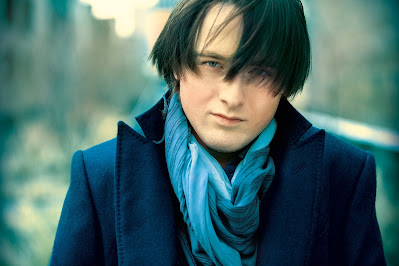
프로필

내 사진
I'm piano bachelor, piano music lover, CD collector and classical music information's translator. Also KakaoTalk character Tube mania!Naver Blog: http://blog.naver.com/neige1984Youtube Channel: https://www.youtube.com/channel/UCDPYLTc4mK7dOXYTQEOiPew?view_as=subscriber

2021년 12월 21일 화요일

DG / Daniil Trifonov Plays Liszt - Transcendental 2016


https://www.youtube.com/watch?v=GyFmvXaj1Rk&list=OLAK5uy_mn_tVMtQAV2Vz4EaMMeVzBk4gN5O9muMs

https://www.youtube.com/watch?v=CXGeOHdiHrE

https://www.youtube.com/watch?v=8Oy7lebHkDU&list=PLcSkPXginhQey6twDOq4Qr_GTA0PBny3x


다닐 트리포노프, 광기 어린 연주의 천재 피아니스트! [리스트 초절기교 연습곡]


“Without question the most astounding pianist of our age.” - The Times (27 July 2015)


“이 시대의 가장 뛰어난 피아니스트라는 점에서 의심할 여지가 없다.” - 2015년 7월 27일 더 타임스


“He has everything and more... never heard anything like that.” - Martha Argeirch


“그는 모든 것을 혹은 그 이상을 다 갖춘 피아니스트다... 그와 같은 소리를 들어본 바가 없다.” - 마르타 아르헤리치


“A pianist for the rest of our lives.” - Norman Lebrecht


“우리 삶의 휴식이 되는 피아니스트” - 노먼 레브레히트


“He is a sensation.” - Los Angeles Times (28 February 2016)


“그는 선풍적이다.” - 2016년 2월 28일 LA 타임스


“Simply electrifying.” - The New York Times (27 November 2015)


“그저 열광시킨다.” - 2015년 11월 27일 뉴욕 타임스


“A pianist ahead of his time.” - Washington Post (3 April 2015)


"시대를 앞서나가는 피아니스트." - 2015년 4월 3일 워싱턴 포스트


“Daniil Trifonov proves himself an heir to Liszt” - Washington Post (20 January 2013)


“그는 자신이 리스트의 후계자인 것을 스스로 입증하였다.” - 2013년 1월 20일 워싱턴 포스트


“Trifonov is already an exceptionally thoughtful interpreter, with musicianship that more than matches his technical gifts...while there is never any doubting the brilliance of Trifonov’s playing, that is only the starting point; the delicacy and transparency of his performances are often more striking than their moments of rampaging virtuosity.” - The Guardian (21 September 2016) ★★★★★


“트리포노프는 이미 그의 기술적 재능에 필적하는 음악적 재능을 지닌 매우 사려 깊은 해석자이다...트리프노프 연주의 탁월함에는 의심의 여지가 없지만, 그것은 시작점일 뿐인데, 그의 섬세하고 투명한 연주는 광란하는 기교의 순간들보다 더 인상적이다.” - 2016년 9월 21일 가디언지 ★★★★★


다닐 트리포노프는 2011년 차이코프스키 국제음악콩쿠르에서 우승을 거둔 후, 전 세계의 이목을 집중시킨 천재 피아니스트이다. 특히나, 그는 초절정 기교를 특기로 하여 많은 사람을 매료시키고 있다. 이번 앨범에는 진정한 비르투오소로 평가받는 리스트의 초절기교 연습곡과 2개의 연주회용 연습곡, 그리고 파가니니 주제에 의한 대연습곡이 수록되었다. DG에서조차 리스트 연습곡을 모두 담은 음반이 최초일 정도로 이를 한 음반에 담는 것조차 어려운 작업인데, 다닐 트리포노프는 전체 녹음을 단 5일 만에 완성하여 더욱 큰 화제를 모으고 있다.


CD1

01 12 Etudes d'execution transcendante, S. 139 No. 1 Prelude (Presto) / 12개의 초절기교 연습곡 1번 <프렐류드>

02 12 Etudes d'execution transcendante, S. 139 No. 2 Molto vivace / 12개의 초절기교 연습곡 2번 <도화선>

03 12 Etudes d'execution transcendante, S. 139 No. 3 Paysage (Poco adagio) / 12개의 초절기교 연습곡 3번 <풍경>

04 12 Etudes d'execution transcendante, S. 139 No. 4 Mazeppa (Presto) / 12개의 초절기교 연습곡 4번 <마제파>

05 12 Etudes d'execution transcendante, S. 139 No. 5 Feux follets (Allegretto) / 12개의 초절기교 연습곡 5번 <도깨비불>

06 12 Etudes d'execution transcendante, S. 139 No. 6 Vision (Lento) / 12개의 초절기교 연습곡 6번 <환영>

07 12 Etudes d'execution transcendante, S. 139 No. 7 Eroica (Allegro) / 12개의 초절기교 연습곡 7번 <영웅>

08 12 Etudes d'execution transcendante, S. 139 No. 8 Wilde Jagd (Presto furioso) / 12개의 초절기교 연습곡 8번 <사냥>

09 12 Etudes d'execution transcendante, S. 139 No. 9 Ricordanza (Andantino) / 12개의 초절기교 연습곡 9번 <회상>

10 12 Etudes d'execution transcendante, S. 139 No. 10 Allegro agitato molto / 12개의 초절기교 연습곡 10번 <열정>

11 12 Etudes d'execution transcendante, S. 139 No. 11 Harmonies du soir (Andantino) / 12개의 초절기교 연습곡 11번 <밤의 선율>

12 12 Etudes d'execution transcendante, S. 139 No. 12 Chasse neige (Andante con moto) / 12개의 초절기교 연습곡 12번 <눈치우기>


CD2

01 2 Etudes de Concert, S. 145 No. 1 Waldesrauschen / 2개의 연주회용 연습곡 1번 <숲의 속삭임>

02 2 Etudes de Concert, S. 145 No. 2 Gnomenreigen / 2개의 연주회용 연습곡 2번 <난쟁이의 춤>

03 3 Etudes de Concert, S. 144 No. 1 in Ab: 'Il lamento' (A capriccio - Allegro cantabile) / 3개의 연주회용 연습곡 1번 <슬픔>

04 3 Etudes de Concert, S. 144 No. 2 in f: 'La leggierezza' (A capriccio - Quasi allegretto)/ 3개의 연주회용 연습곡 2번 <가벼움>

05 3 Etudes de Concert, S. 144 No. 3 in Db: 'Un sospiro' (Allegro affettuoso)/ 3개의 연주회용 연습곡 3번 <탄식>

06 Grandes Etudes de Paganini, S. 141 No. 1 in g / 파가니니에 의한 대연습곡 1번

07 Grandes Etudes de Paganini, S. 141 No. 2 in Eb / 파가니니에 의한 대연습곡 1번

08 Grandes Etudes de Paganini, S. 141 No. 3 in g# ('La Campanella') / 파가니니에 의한 대연습곡 3번 <라 캄파넬라>

09 Grandes Etudes de Paganini, S. 141 No. 4 in E / 파가니니에 의한 대연습곡 4번

10 Grandes Etudes de Paganini, S. 141 No. 5 in E / 파가니니에 의한 대연습곡 5번

11 Grandes Etudes de Paganini, S. 141 No. 6 in a / 파가니니에 의한 대연습곡 6번


Webisode #1: 15 Questions to Daniil Trifonov / 다닐 트리포노프에 대한 15가지 질문

01. Where are you from?


출신지는?


Nizhny Novgorod.


니즈니노브고로드.


02. What do you miss about Nizhny Novgorod?


니즈니노브고로드에 대해 그리운 것은?


It has a great audience.


좋은 청중.


03. What was the first piece you ever played on stage?


무대에서 가장 먼저 연주했던 곡은?


I think it was one of my own pieces.


자작곡 중 하나였던 것 같다.


04. Favorite place to travel for work?


일하기 가장 좋아하는 여행지는?


Santo Domingo.


산토도밍고.


05. First thing you pack?


가장 먼저 싸는 짐은?


Shoes! Once I went on stage in sneakers. So that’s probably why I always remember them.


신발! 한 번은 운동화를 신고 무대에 올랐다. 그래서인지 항상 기억하고 있는 것 같다.


06. What was the first album you ever bought?


가장 먼저 샀던 앨범은?


It was the complete Bach Cantatas.


바흐 칸타타 전집.


07. What was your most exciting musical experience so far?


지금까지 가장 흥미진진한 음악적 경험은?


Well one time the lights went out!


글쎄, 한 번 불이 꺼졌다!


08. Is there a composer of the past whom you would have loved to ask to write a piece for you?


작곡을 정말 부탁하고 싶었던 과거의 작곡가가 있는지?


Probably Chopin.


아마도 쇼팽.


09. What piece brings sweat to your forehead?


이마에 땀이 나게 하는 곡은?


Currently I’m learning Shostakovich’s Prleudes and Fugues. Besides the sweat, patience is also required.


현재 쇼스타코비치의 전주곡과 푸가를 배우고 있다. 땀 외에 인내심도 필요하다.


10. What piece of any genre takes your breath away?


깜짝 놀라게 하는(너무 놀랍거나 아름다워서 숨이 멎을 정도인) 다른 장르의 곡은?


Opera. Maybe Boris Godunov.


오페라. 아마도 <보리스 고두노프>.


11. If you could choose, which musical era would you have liked to live in?


선택할 수 있다면 어떤 음악 시대에 살고 싶은지?


I like the current era.


현재의 시대를 좋아한다.


12. Are there any over- or under-valued composers or pieces?


과대평가되거나 저평가된 작곡가들이나 곡들이 있는지?


I don’t think there are any over-valued composers. But there are some quite definitely under-valued. In fact some of Liszt’s works are, in my opinion, under-valued.


과대평가된 작곡가는 없는 것 같다. 그러나 확실히 저평가된 사람들이 있다. 사실 리스트의 작품 중 일부는 내 생각에 저평가된 것 같다.


13. What should those new to Liszt hear first?


리스트를 처음 접하는 사람들은 무엇을 먼저 들어야 하는지?


I think his symphonic poems and Les Préludes.


교향시와 프렐류드라고 생각한다.


14. What should those new to classical music hear fist?


클래식 음악을 처음 접하는 사람들은 무엇을 먼저 들어야 하는지?


To avoid the cliché about classical music, something from the 20th-century composers.


클래식 음악에 대한 진부한 표현을 피하려면, 20세기 작곡가들의 것.


15. Do you have a musical credo?


음악적 신념이 있는지?


I always try to find something new when I practice. That’s what helps my development.


연습할 때 항상 새로운 것을 찾으려고 노력한다. 그게 내 발전에 도움이 된다.


Webisode #2: Transcendental Études - An Overview / 초절기교 연습곡 - 개요

It’s fascinating how differently Liszt treated the genre of études from many other composers. Where in the case of some the focus can be very specific, targeting a certain technical problem, in the case of Liszt it’s more of a rhapsodical free poem. In some cases the études build a cycle – for example the ‘Transcendental Études’. There, there is a tonal relationship between the pieces and its structure has a certain dramaturgy. In this cycle there is a great range of emotional aspects. For example it can go from the very pastoral...


리스트가 에튀드 장르를 다른 많은 작곡가와 얼마나 다르게 취급했는지는 흥미로운데요. 일부의 경우 매우 구체적이어서 초점이 특정한 기술적인 문제를 대상으로 하는 반면, 리스트의 경우에는 거창한 자유로운 시곡에 더 가까워요. 어떤 경우에는 연습곡들이 전곡을 구축하는데, 예를 들면 <초절기교 연습곡>이죠. 곡들 사이에 조성 관계가 있으며 그 구조에는 틀림없는 연출법이 있어요. 이 전곡에는 다양한 감정적 측면이 있는데요. 예를 들어 매우 목가적인 곳에서 갈 수 있는데...


[Liszt Transcendental Étude No. 3 Paysage]


In Paysage.


풍경에서요.


[Liszt Transcendental Étude No. 8 Wilde Jagd]


And after all the madness of Wilde Jagd comes...


그리고 결국 사냥의 광기가 찾아오고...


[Liszt Transcendental Étude No. 9 Ricordanza]


(회상이 나오죠.)


Webisode #3: Transcendental Études - Vision, Mazeppa & Harmonies du Soir / 초절기교 연습곡 - 환영, 마제파, 밤의 선율

To me Visions paints a picture of Walpurgis Night.


제게 환영은 <발푸르기스의 밤> 축제를 그립니다.


[Liszt Transcendental Étude No. 6 Vision]


Very like Berlioz! It’s as if demons and angels are tearing apart the soul of the composer. This fight only ever increases. They are the struggles of Liszt.


베를리오즈랑 아주 비슷하죠! 마치 악마와 천사가 작곡가의 영혼을 갈기갈기 찢어놓는 것 같아요. 이 싸움은 점점 증가하죠. 그들은 리스트의 몸부림입니다.


Mazeppa in this context is one of most intense and dramatic études. It’s built in an interesting form. Each repetition of the main theme is set as a variation. The first variation start...


이 맥락에서 마제파는 가장 강렬하고 극적인 연습곡 중 하나입니다. 흥미진진한 형식으로 구성되어 있는데요. 주요 주제의 각 반복은 변주로 설정됩니다. 첫 변주는 이렇게 시작하는데...


[Liszt Transcendental Étude No. 4 Mazeppa]


Then goes to...


그런 다음 이렇게 가는데...


[Liszt Transcendental Étude No. 4 Mazeppa]


Then...


그러고 나서...


[Liszt Transcendental Étude No. 4 Mazeppa]


There is also a lyrical culmination of the cycle which is Harmonies du soir. In a way it’s a love letter. A man opens up his soul and tells a woman of his love for her


밤의 선율에는 이 전곡의 서정적인 정점도 있는데요. 어떻게 보면 러브레터죠. 한 남자가 마음을 터놓고 여자에게 사랑을 전하는데


[Liszt Transcendental Étude No. 11 Harmonies du soir]


... and then she answers ‘yes’!


... 그리고 그녀는 ‘그래요’라고 대답하죠!


Webisode #4: Further Études - La Campanella, Waldesrauschen, Gnomenreigen & La Leggierezza / 추가 연습곡 - 라 캄파넬라, 숲의 속삭임, 난쟁이의 춤, 가벼움

La Campanella

[Grandes Études de Paganini No. 3 La Campanella]


There is a lot of capriciousness in the way that La Campanella starts. Then very gradually it unrolls its drama, but it never loses its humour.


라 캄파넬라(종)가 시작되는 방식에는 많은 변덕이 있는데요. 그런 다음 매우 점진적으로 드라마를 펼치지만, 유머를 잃지 않죠.


[Grandes Études de Paganini No. 3 La Campanella]


It’s a piece that I first played a long time ago, when I was 15. After so many years I now see it differently.


오래전 15살 때 처음 연주한 곡인데요. 오랜 세월이 지난 지금은 다르게 보이네요.


Waldesrauschen und Gnomenreigen

Both pieces are images of fantastical creatures.


두 곡(숲의 속삭임 및 난쟁이의 춤) 모두 환상적인 존재에 대한 이미지입니다.


[2 Études de Concert No. 1 Waldesrauschen]


Magic that is happening in the forest. Then the Gnomenreigen...


숲에서 일어나는 마법. 그런 다음 난쟁이의 춤...


[2 Études de Concert No. 2 Gnomenreigen]


La Leggierezza

I find the three Italian études to be the most intimate, especially the 2nd one, La Leggierezza.


저는 3개의 이탈리아풍 에튀드가 가장 친밀하다고 생각하는데, 특히 두 번째 곡인 <가벼움>이 그래요.


[3 Études de Concert No. 2 La Leggierezza]


It has almost a Chopinian feel.


쇼팽 같은 느낌에 가까워요.


[3 Études de Concert No. 2 La Leggierezza]


Very mercurial shifts of harmony in combination with soft expression create an intimate atmosphere.


부드러운 표현과 함께 매우 변덕스러운 화성의 변화가 친밀한 분위기를 자아냅니다.


Webisode #5: Impressionism - Liszt, Debussy & Ravel / 인상주의 - 리스트, 드뷔시, 라벨

Debussy

Liszt greatly influenced the later development of impressionism. In his lyrical études such as Paysage,


리스트는 인상주의의 후기 발전에 큰 영향을 미쳤는데요. <풍경> 같은 그의 서정적인 연습곡에서,


[Liszt Transcendental Étude No. 3 Paysage]


or even more so in Harmonies du soir,


또는 <밤의 선율>에서조차 더더욱 그런데,


[Liszt Transcendental Étude No. 11 Harmonies du soir]


there is a lot of playing with shades and harmonies.


미묘함과 화성을 지닌 많은 연주가 있죠.


[Liszt Transcendental Étude No. 11 Harmonies du soir]


And then we compare it...


그런 다음 우리는 이 곡과 비교하는데...


[Liszt Transcendental Étude No. 11 Harmonies du soir]


[Debussy Images pour Piano: 1. Reflest dans l’eau]


[드뷔시 영상 1집 1번 <물 위의 그림자>]


... with the dancing reflections of the water from Debussy’s Images.


... 드뷔시의 영상에 나오는 물의 춤추는 반영을 지니고 있죠.


Ravel

[2 Études de Concert No. 1 Waldesrauschen]


A very simple figuration.


매우 간단한 형태죠.


[2 Études de Concert No. 1 Waldesrauschen]


[리스트 2개의 연주회용 연습곡 1번 <숲의 속삭임>]


[Ravel Miroirs No. 3 Une Barque sur l’Ocean]


[라벨 모음곡 거울 3번 <대양 위의 조각배>]


A lot of coloristic effects were explored by Liszt, which later inspired the impressionists.


리스트는 많은 색채 효과를 탐구했는데, 이는 나중에 인상주의자들에게 영감을 주었습니다.


A Romantic Soul / 낭만적인 영혼

Crowned one of history’s greatest pianists while still a teenager, Franz Liszt was an artistic visionary, an entrepreneur, a philanthropist, a pedagogue, a socialite, a showman. “He was a phenomenon,” exclaims pianist Daniil Trifonov, who dedicates the current album of concert etudes, Transcendental, to his illustrious pianist-composer predecessor. “Liszt changed music for ever: how it was heard, how it was performed, what music could express – what it meant to be an artist. He was the grandfather of us all!”


아직 10대일 때 역사상 가장 위대한 피아니스트 중 한 명으로 선정된 프란츠 리스트는 예술적 선구자, (모험적인) 사업가, 자선가, 교육자, 사교계 명사, 쇼맨(사람들의 이목을 끌고 그들을 즐겁게 하는 재능이 있는 사람)이었다. (젊은 시절에도 프란츠 리스트는 음악 역사상 가장 위대한 피아니스트 중 한 명으로 여겨졌는데, 그는 혁신적인 예술가, 기업가, 자선가, 교육자, 사교계 인사, 엔터테이너였다.) 연주회용 연습곡들의 현재 앨범인 <초절기교>를 (그의 저명한 전임자이자 피아니스트 겸 작곡가에게) 헌정하는 피아니스트 다닐 트리포노프는 다음과 같이 외친다. “그는 하나의 현상이었어요. 리스트는 음악을 영원히 바꿨습니다. - 어떻게 들리는지, 어떻게 연주되는지, 음악이 무엇을 표현할 수 있는지 – 예술가가 된다는 것을 의미했죠. (그는 음악에서 표현의 스펙트럼을 확장하고 예술가의 완전히 새로운 이미지를 만들었죠.) 그는 우리 모두의 할아버지(조상)였어요!”


Indeed, Liszt was among the first pianists to play entire solo recitals from memory and, with a combination of theatrical flair, technical audacity and handsome elegance, defined the image of the modern touring virtuoso. But it was not only as a pianist that Liszt left his mark. He composed piano solo, vocal and orchestral music of astonishing boldness, and conducted, transcribed and arranged music prodigiously, using his fame to champion the art of similarly inventive colleagues, including Berlioz, Schumann, Saint-Saëns and Wagner.


실제로 리스트는 독주회 전체를 암보하여 연주한 최초의 피아니스트 중 한 명이었으며, 연극적 재능(무대에 서는 감각), 기술적 대담함, 멋진(세련된) 우아함의 조합으로 현대 여행 거장의 이미지를 정의했다. 그러나 리스트가 그의 흔적을 남긴 것은 피아니스트로서만이 아니었다. 그는 피아노 독주곡, 성악, 관현악을 놀랍도록 대담하게 작곡했으며, 베를리오즈, 슈만, 생상스, 바그너 등 자신만큼 독창적인 동료들의 예술을 옹호하기 위해 자신의 명성을 활용하여 엄청난 양의 음악을 지휘, 필사, 편곡했다. (그러나 리스트는 피아니스트뿐 아니라 작곡가이자 지휘자로서도 자신의 흔적을 남겼는데, 놀랍도록 대담한 피아노, 성악, 관현악 작품들을 썼으며 수많은 음악을 지휘, 필사, 편곡했다. 그리고 그는 베를리오즈, 슈만, 생상스, 바그너 등 유사하게 독창적인 동료들의 예술을 위한 캠페인에 스타로서의 지위를 활용했다.)


Liszt was also one of the great polyglots of his era. He was at home across Europe, travelling thousands of kilometres each year, transitioning effortlessly between languages, cultures, musical idioms and social classes. An entertainer to the masses who dined with royalty, a sophisticated man of letters brought up on Romani folk tunes, a veritable Don Juan who later in life joined the Franciscan order, Liszt’s immense gifts and insatiable appetite for experience bridged worlds and philosophies. “He was a very modern man,” says Trifonov, “conscious of the extreme complexities – even contradictions – of his own life and experiences.”


리스트는 그 시대의 위대한 세계 시민이기도 했다. 그는 유럽 전역의 집에서 매년 수천 킬로미터를 여행하면서 언어, 문화, 음악적 표현 양식, 사회 계층 사이를 쉽게 전환했다. (그는 매년 수천 킬로미터를 여행하면서 한 언어, 문화, 음악적 언어, 사회적 배경에서 다른 언어로 자연스럽게 전환하면서 유럽 전역에서 집과 같은 편안함을 느꼈다.) 왕족과 함께 식사했던 대중의 엔터테이너, 헝가리 민속 음악을 주입한(인기 있는 집시의 아리아르 들으면서 자란) 세련된 문필가, 훗날 프란체스코 수도회에 합류한 진정한 돈 후안으로 알려진 리스트의 엄청난 재능과 경험에 대한 끝없는 욕구는 세계와 철학을 연결한다. [그는 대중의 연예인으로 알려져 있었지만, 왕자와 왕도 그를 저녁 식사에 초대했는데, 그는 헝가리 민속 음악과 함께 자란 교육받은 사람이었고 리스트도 진정한 바람둥이로 여겨졌지만, 프란체스코 수도회와 연결되어 사제 서품을 받은 후 말년에 사제직은 아닐지라도 영적인 자리에 들어갈 수 있었다. 뛰어난 재능과 지칠 줄 모르는 지식에 대한 갈망(만족할 줄 모르는 경험)으로 리스트는 서로 다른 세계와 철학 사이에 다리를 놓았다.] 트리포노프는 다음과 같이 말한다. “그는 매우 현대적인 남자였어요. 그는 자신의 삶과 경험의 극도의 복잡성과 심지어 모순까지도 알고 있었죠.”


This autobiographical reflection formed not only the theme of Liszt’s music, but accompanied his lifelong search for musical innovations to give expression to these experiential extremes. “Liszt’s technical virtuosity”, Trifonov explains, “is just a means to evoke extremes of emotion. His daring harmonic and structural innovations revealed new horizons for emotional and psychological expression in music. His compositions”, Trifonov concludes, “can be described as dynamic depictions of the spiritual experiences of a Romantic soul.”


이 자서전적 성찰은 리스트 음악의 주제를 형성했을 뿐만 아니라, 이러한 경험적 극단을 표현하기 위한 음악적 혁신(새로운 음악적 수단)에 대한 그의 일생의 탐구를 동반했다. 트리포노프는 다음과 같이 설명한다. “리스트의 기술적 기교는 극도의 감정을 불러일으키는 수단일 뿐입니다. (리스트는 극단적인 감정을 특히 명확하게 강조하기 위해 자신의 기술적 기교를 사용했습니다.) 그의 과감한(대담한) 화성적, 구조적 혁신은 음악에서 감정적, 심리적 감수성을 표현하는 새로운 지평(가능성)을 열었죠.” 트리포노프는 다음과 같이 결론짓는다. “그의 작품들은 낭만적인 영혼의 영적 경험을 역동적으로 표현한 것입니다.”


Of Liszt’s concert etudes, the most personal are undoubtedly the Transcendental Etudes S 139 (1852). This set of twelve tonally interconnected works occupies a central place in Liszt’s oeuvre, indeed in the history of piano music: the composer revisited and revised the structure, harmonic language and pianism of the cycle several times throughout his life. Although technically highly developed, each of the Transcendental Etudes has a profoundly poetic theme. Trifonov: “The cycle reflects the journey of a hero (let us call him ‘Liszt’). Each etude represents a particular stage in the hero’s spiritual evolution, progressing from explosions of youthful energy (No. 1), growing increasingly complex through ‘Eroica’ (No. 7) and wild, as in ‘Mazeppa’ (No. 4), reaching a turbulent climax in the ’Wilde Jagd’ (No. 8). That is the cycle’s turning point. From the realization of the futility of the chase, the narrative arc moves from a state of nostalgic longing in ‘Ricordanza’ (No. 9) to the meditative denouement of ‘Chasse-neige’ (No. 12).”


리스트의 연주회용 연습곡 중에서 가장 개성적인 것은 의심할 여지 없이 초절기교 연습곡(1852)이다. 조성적으로 서로 연결된 이 12개의 작품 세트는 실제로 리스트의 작품과 피아노 음악 전체의 역사에서도 중심적인 위치를 차지하는데, 작곡가는 전 생애에 걸쳐 전곡의 구조, 화성적 언어, 피아니즘을 여러 번 재고하고 수정했다. 기술적으로 고도로 발전되어 있지만(매우 복잡한 작품이지만), 각각의 초절기교 연습곡은 매우 시적인 주제를 가지고 있다. 이에 대해 트리포노프는 다음과 같이 말한다. “이 전곡은 (여기서 ‘리스트’라고 부르고 싶은) 영웅의 여정을 반영합니다. 각각의 연습곡은 영웅의 영적 진화의 특정 단계를 나타냅니다. 출발점은 젊음이 넘치는 에너지(1번)이며, ‘영웅’(7번)과 ‘마제파’(4번) 같은 야생을 거쳐 점점 더 복잡해지며, ‘사냥’(8번)에서 격렬한 클라이맥스에 도달합니다. 이것이 전곡의 전환점입니다. 추격의 무의미함을 깨달은 뒤, 서사적 흐름은 ‘회상’(9번)에서 향수를 불러일으키는 갈망의 상태를 넘어 ‘눈치우기’(12번)의 명상적 결말로 이동합니다.”


Some of the Transcendental Etudes are more atmospheric and abstract, others more programmatic, “but none of them are really etudes,” Trifonov concedes. “If they had been written by Scriabin, they would have been called poems. In the language of Liszt’s time they were called etudes because they are technically so extreme, but they are actually technically challenging poems – existential meditations.” Trifonov, who practises yoga and a variety of meditation techniques, continues: “The essence of meditation is to step away from yourself and to reflect on nature and your actions with honesty. This is not always a peaceful process. The ability to achieve such a degree of honest selfconsciousness, and to reveal with such clarity doubts and fears alongside passions bordering on madness, shows Liszt’s great intuition and potent need for introspection.”


초절기교 연습곡 중 일부는 더 분위기 있고 추상적이며, 다른 일부는 더 계획에 따른 것이지만, “그 중 어느 것도 진정한 연습곡이 아닙니다.”라고 트리포노프가 강조한다. “만약 이 곡들이 스크리아빈에 의해 작곡되었다면, 시곡이라고 불렸을 것입니다. 리스트 시대의 언어로 에튀드라고 불리는 이유는 기술적으로 너무 극단적이기 때문이나, 실제로는 기술적으로 까다로운 시곡으로, 실존적 명상을 요구합니다.” 요가와 다양한 명상 기법을 실천(스스로 연습)하는 트리포노프는 다음과 같이 덧붙인다. “명상의 본질(목적)은 자신에게서 한 발짝 물러나(자신과의 거리를 두고) 자연과 자신의 행동을 정직하게 성찰하는 것입니다. 이것이 항상 평화로운 과정은 아닙니다. 그러한 정도의 정직한 자의식을 달성하는(이처럼 솔직한 자기관을 가지고 있는) 능력, 광기에 가까운 열정 외에 의심과 두려움을 명확하게 드러내는 능력은 리스트의 위대한 직관력, 자기 관찰 및 성찰에 대한 강한 필요성을 보여줍니다.”


By contrast with the Transcendental Etudes, the six Grandes Études de Paganini S 141 (1851) are not introspective works, but no less personal as Liszt’s intimate homage to his greatest role-model. Nicolò Paganini was the arch-Romantic, combining classical elegance with seductive suggestion of the supernatural, and was the single most important influence on Liszt’s early career. Liszt’s reverence for Paganini and intense identification with the spirit of his music inspired this set of etudes, based on themes from several of Paganini’s most famous violin pieces, including “La campanella” and the Caprice No. 24. “The etudes”, Trifonov notes, “are neither technical exercises nor transcriptions, but original, lyrical works. Liszt honours Paganini in the highest possible way by rethinking his melodic material and reimagining it from inside the structure. The virtuosity is inspired by Paganini’s example, but the sense of time in the etudes (through extension of line and liberal rubato) is non-classical, and use of advanced chromaticism accentuates the seductive, ‘demonic’ side of Paganini’s genius.”


초절기교 연습곡과는 대조적으로 6개의 파가니니에 의한 대연습곡(1851)은 내향적인 작품이 아니라(자기 성찰이 덜한 것처럼 보이지만) 리스트가 자신의 가장 위대한 롤 모델에 대한 친밀한 경의를 표하는 만큼 역시 개인적이다. 니콜로 파가니니는 고전적인 우아함과 초자연적인 것에 대한 매혹적인 암시를 결합한 탁월한 낭만주의자였으며, 리스트의 초기 경력에 강한 영향을 미쳤다. 파가니니에 대한 리스트의 깊은 존경심과 그의 음악 정신에 대한 강렬한 동일시는 <라 캄파넬라>, 카프리스 24번 등 파가니니의 가장 유명한 바이올린곡들의 주제를 기반으로 한 이 연습곡 세트에 영감을 주었다. 이에 대해 트리포노프는 다음과 같이 주목한다. “이 연습곡들은 기술적인 연습이나 편곡이 아닌, 독창적이고 서정적인 작품들입니다. 리스트는 파가니니의 선율 소재를 재고하고 구조 내에서 이를 재구성하여 가능하면 최고의(가장 고상한) 방식으로 파가니니에 대한 경의를 표합니다. 기교면에서는 파가니니의 예에서 영감을 얻었지만, 이 연습곡들의 시간 감각은 (긴 선과 자유로운 루바토의 확장을 통해) 고전적인 패턴과 일치하지 않으며, 복잡한 반음계의 사용은 파가니니의 천재성에 대한 매혹적인 ‘악마적인’ 면을 강조합니다.”


The sense of subtle Italianate lyricism is also found in the Three Concert Etudes S 144 (1849). “These are arias”, Trifonov contends. Liszt, of course, never wrote an opera, but loved the poetics of Italian melodrama and immersed himself in the pure theatricality of the bel canto masters Donizetti, Bellini and the young Verdi. “In spirit,” Trifonov suggests, “‘Il lamento’, ‘La leggierezza’ and ‘Un sospiro’ are Liszt’s tribute to his beloved Italy, to the language of opera, and a case for piano as a singing instrument.” Indeed, in their phrasing and breadth, the etudes recall the melodious Chopin. “Yet, whereas Chopin modulates,” says Trifonov, “Liszt contrasts. Always an innovator, in these etudes, Liszt creates drama in and through harmony – leading the way to Wagner, and later to Impressionism.”


미묘한 이탈리아 스타일의 서정성(에 대한 이러한 인상)은 3개의 연주회용 연습곡(1849)에서도 찾아볼 수 있다. 트리포노프는 다음과 같이 주장한다. “이 곡들은 아리아입니다.” 물론 리스트는 오페라를 쓴 적이 없었지만, 이탈리아 멜로드라마(비현실적일 정도로 과장된 사건 · 인물들을 그린 이야기 · 연극 · 소설)의 시학을 사랑했으며 벨칸토의 거장(대가)인 도니체티, 벨리니, 젊은 베르디의 순수한 연극성에 빠져들었다. 트리포노프는 다음과 같이 제안한다. “마음속으로 ‘슬픔’, ‘가벼움’, ‘탄식’은 리스트가 사랑하는 이탈리아, 오페라의 언어에 대한 경의(찬사)이며, 여기에서 노래하는 악기로서의 피아노의 특성이 나타납니다.” 실제로 이 연습곡들은 그 표현과 폭에서 선율적인 쇼팽을 연상시킨다. 트리포노프는 다음과 같이 말한다. “그러나 쇼팽은 변조(조바꿈)하는 반면, 리스트는 대조에 의존합니다. 항상 혁신가였던 리스트는 이 연습곡들에서 화성을 통해 드라마(극적인 구조)를 만듭니다. - 바그너, 나중에는 인상주의로 이어지죠.”


The reference to Impressionism is apt in relation to the Two Concert Etudes S 145 (1863). If the Italian etudes are poems, then the German-titled “Waldesrauschen” and “Gnomenreigen”, Liszt’s final concert etudes, are paintings. “They are not verbal but depictive works,” Trifonov elaborates, “atmospheric, like paintings by Caspar David Friedrich.” These two late etudes describe natural environments and supernatural occurrences. In their philosophical complexity and depth of expressivity they are less decorative than earlier etudes, relying instead upon a lifetime’s experience pushing the boundaries of musical expression.


인상주의에 대한 언급은 2개의 연주회용 연습곡(1863)과 관련하여 매우 적합하다. 이탈리아어로 된 연습곡들(3개의 연주회용 연습곡)이 시라면, 독일어로 된 마지막 연주회용 연습곡 ‘숲의 속삭임’과 ‘난쟁이의 춤’은 그야말로 그림이다. 트리포노프는 다음과 같이 자세히 말한다. “이 곡들은 언어가 아닌 묘사적인 작품들로, 카스파르 다비트 프리드리히의 그림들처럼 분위기 있어요.” 이 2개의 후기 연습곡들은 자연환경과 초자연적 현상을 묘사한다. 이 곡들의 철학적 복잡성과 표현의 깊이는 초기 연습곡들보다 덜 장식적으로 보일 수 있으나, 대신 음악적 표현의 한계를 뛰어넘는 일생의 경험(음악적 표현 가능성의 범위를 확장하기 위한 평생의 노력에서 얻은 풍부한 경험)에 의존한다.


In a life so rich, of course, not every work could encompass the totality of the composer’s experience. Yet, as linked series of concentrated tableaux, each of Liszt’s four distinct sets of concert etudes offers fascinating, insightful reflections on various aspects of his identity. Meanwhile, the spectrum of spiritual experience, wisdom, pain, passion and curiosity expressed across Liszt’s complete concert etudes reveals the composer’s insatiable quest for ever-new means of giving expression to the powers of nature and the depths of the human soul – a quest that is, as Trifonov sums up, “at the core of our evolution as creative beings”. Meanwhile, the spectrum of spiritual experience, wisdom, pain, passion and curiosity expressed across Liszt’s complete concert etudes reveals the composer’s insatiable quest for ever-new means of giving expression to the powers of nature and the depths of the human soul – a quest that is, as Trifonov sums up, “at the core of our evolution as creative beings”.


물론 그렇게 풍요로운 삶에서 모든 작품이 작곡가의 경험 전체를 포괄할 수 있는 것은 아니다. (물론 작곡가의 모든 작품이 자신의 풍부한 경험을 모두 반영할 수는 없다.) 그러나 연결된 일련의 집중된 회화로서, 리스트의 4가지 뚜렷한 연주회용 연습곡 세트 각각은 그의 정체성(성격)의 다양한 측면에 대한 매혹적인, 통찰력 있는 성찰을 제공한다. 한편 리스트의 모든 연주회용 연습곡에 나타나는 영적 경험, 지혜, 고통, 열정, 호기심의 영역은 자연의 힘과 인간 영혼의 깊이를 표현하는 끊임없이 새로운 수단에 대한 작곡가의 끝없는 탐구(갈망)를 보여준다. - 즉 탐구는, 트리포노프가 요약하는 것처럼, “창조적인 존재로서의 우리의 진화(발전)의 핵심”에서 원초적 본능처럼 작용한다.


Misha Aster / 미샤 애스터 글



영어, 독일어, 프랑스어를 절충하여 음반 내지를 번역했다. 유튜브로 동영상들을 더 찾았는데 자막을 받아쓰기하여 다닐의 레슨을 정리하면서 잘 모르던 것들을 배웠다. 물론 다닐의 견해이긴 하지만... 산토도밍고가 혹시 다닐의 미래의 배우자가 된 주디스 라미레스의 나라인 도미니카 공화국의 수도인지 찾아보니 맞았다. 다닐의 다큐멘터리에 보면 둘이 자전거 타고 클리블랜드 음악원 다니는 모습이 나오곤 했다. 다닐의 리뷰 발췌는 한글로 가지고 있으면 영어를 찾아주고 영어로 가지고 있으면 한글 번역을 찾든지 아니면 내가 알아서 번역했다.

2021년 12월 20일 월요일

DG / Danill Trifonov, Yannick Nezet-Seguin & The Philadelphia Orchestra - Rachmaninov Variations 2015


https://www.youtube.com/watch?v=-tgjX8RpiMM

https://www.youtube.com/watch?v=PcnbYfoTQ-c

https://www.youtube.com/watch?v=ThTU04p3drM

https://www.youtube.com/watch?v=ntf9hARJoFE&list=OLAK5uy_nHCLRKnp1Dny0tauh6Le1VDMRCIFrqAqE

https://www.youtube.com/watch?v=_7M5U5Y9vZA

https://www.youtube.com/watch?v=0GT0Usro20E

https://www.youtube.com/watch?v=XXbbKXTACIk

https://www.youtube.com/watch?v=d6-USXigNrY

https://www.youtube.com/watch?v=KU2l-vqa514

https://www.youtube.com/watch?v=S_e-Gn7376g

https://www.youtube.com/watch?v=F1vxlt4GE2o


2011년 차이코프스키 콩쿠르 우승자 다닐 트리포노프!


"그는 모든 것을 혹은 그 이상을 다 갖춘 피아니스트다." - 마르타 아르헤리치


"시대를 앞서나가는 피아니스트." - 워싱턴 포스트


현시대를 대표하는 천재 피아니스트 다닐 트리포노프의 DG 레이블 첫 번째 스튜디오 녹음 앨범!

[라흐마니노프 변주곡]


이번 앨범은 트리포노프가 존경하는 우상이자 고국 러시아에서 가장 사랑받는 작곡가 중 한 명인 라흐마니노프를 대표하는 곡을 담은 앨범으로 각각 다른 분위기의 곡들이 수록되었다. '파가니니 주제에 의한 광시곡'을 통해서는 트리포노프의 고도의 기교를 볼 수 있으며 '쇼팽 주제에 의한 변주곡'을 통해서는 우아함과 깊은 감정을 느낄 수 있다. 트리포노프의 폭발적인 에너지 역시 '코렐리의 주제에 의한 변주곡'을 통해서 만날 수 있다. 이번 앨범에는 '라흐마니아나'라는 제목의 트리프노프의 자작곡 역시 수록되어 있는데 제목에서 알 수 있듯이 라흐마니노프의 '음악적 시'에 감명받아 작곡한 곡이다. 선대 작곡가와 공유하는 피아니즘과 향수가 어린 그리움을 잘 반영하고 있다. 이번 앨범에는 주목받고 있는 젊은 지휘자 야니크 네제-세갱과 필라델피아 오케스트라가 함께했다.


Track

01 Rhapsody on a Theme of Paganini, Op. 43: Introduction. Allegro vivace - Variation 1 (Precedente) / 파가니니 주제에 의한 랩소디

02 Rhapsody on a Theme of Paganini, Op. 43: Tema. L'istesso tempo

03 Rhapsody on a Theme of Paganini, Op. 43: Variation 2 L'istesso tempo

04 Rhapsody on a Theme of Paganini, Op. 43: Variation 3 L'istesso tempo

05 Rhapsody on a Theme of Paganini, Op. 43: Variation 4 Piu vivo

06 Rhapsody on a Theme of Paganini, Op. 43: Variation 5 Tempo precedente

07 Rhapsody on a Theme of Paganini, Op. 43: Variation 6 L'istesso tempo

08 Rhapsody on a Theme of Paganini, Op. 43: Variation 7 Meno mosso, a tempo moderato

09 Rhapsody on a Theme of Paganini, Op. 43: Variation 8 Tempo I

10 Rhapsody on a Theme of Paganini, Op. 43: Variation 9 L'istesso tempo

11 Rhapsody on a Theme of Paganini, Op. 43: Variation 10 L'istesso tempo

12 Rhapsody on a Theme of Paganini, Op. 43: Variation 11 Moderato

13 Rhapsody on a Theme of Paganini, Op. 43: Variation 12 Tempo di minuetto

14 Rhapsody on a Theme of Paganini, Op. 43: Variation 13 Allegro

15 Rhapsody on a Theme of Paganini, Op. 43: Variation 14 L'istesso tempo

16 Rhapsody on a Theme of Paganini, Op. 43: Variation 15 Piu vivo scherzando

17 Rhapsody on a Theme of Paganini, Op. 43: Variation 16 Allegretto

18 Rhapsody on a Theme of Paganini, Op. 43: Variation 17 Allegretto

19 Rhapsody on a Theme of Paganini, Op. 43: Variation 18 Andante cantabile

20 Rhapsody on a Theme of Paganini, Op. 43: Variation 19 A tempo vivace

21 Rhapsody on a Theme of Paganini, Op. 43: Variation 20 Un poco piu vivo

22 Rhapsody on a Theme of Paganini, Op. 43: Variation 21 Un poco piu vivo

23 Rhapsody on a Theme of Paganini, Op. 43: Variation 22 Marziale. Un poco piu vivo (Alla breve)

24 Rhapsody on a Theme of Paganini, Op. 43: Variation 23 L'istesso tempo

25 Rhapsody on a Theme of Paganini, Op. 43: Variation 24 A tempo un poco meno mosso

26 Variations on a Theme of Chopin, Op. 22: Tema. Largo / 쇼팽의 주제에 의한 변주곡

27 Variations on a Theme of Chopin, Op. 22: Variation 1 Moderato

28 Variations on a Theme of Chopin, Op. 22: Variation 2 Allegro

29 Variations on a Theme of Chopin, Op. 22: Variation 3 L'istesso tempo

30 Variations on a Theme of Chopin, Op. 22: Variation 4 L'istesso tempo

31 Variations on a Theme of Chopin, Op. 22: Variation 5 Meno mosso

32 Variations on a Theme of Chopin, Op. 22: Variation 6 Meno mosso

33 Variations on a Theme of Chopin, Op. 22: Variation 7 Allegro

34 Variations on a Theme of Chopin, Op. 22: Variation 8 L'istesso tempo

35 Variations on a Theme of Chopin, Op. 22: Variation 9 L'istesso tempo

36 Variations on a Theme of Chopin, Op. 22: Variation 10 Piu vivo - Variation 12 Moderato

37 Variations on a Theme of Chopin, Op. 22: Variation 13 Largo

38 Variations on a Theme of Chopin, Op. 22: Variation 14 Moderato

39 Variations on a Theme of Chopin, Op. 22: Variation 15 Allegro scherzando

40 Variations on a Theme of Chopin, Op. 22: Variation 16 Lento

41 Variations on a Theme of Chopin, Op. 22: Variation 17 Grave

42 Variations on a Theme of Chopin, Op. 22: Variation 20 Presto

43 Variations on a Theme of Chopin, Op. 22: Variation 21 Andante

44 Variations on a Theme of Chopin, Op. 22: Variation 22 Maestoso - Tempo I

45 Variations on a Theme of Chopin, Op. 22: Tema

46 Trifonov Rachmaniana: 1. Andante improvizato / 트리포노프 라흐마니아나

47 Trifonov Rachmaniana: 2. Andante nostalgico

48 Trifonov Rachmaniana: 3. Allegro con fuoco

49 Trifonov Rachmaniana: 4. Dolce romantico

50 Trifonov Rachmaniana: 5. (Without Indication)

51 Variations on a Theme of Corelli, Op. 42: Tema. Andante / 코렐리의 주제에 의한 변주곡

52 Variations on a Theme of Corelli, Op. 42: Variation 1 Poco piu mosso

53 Variations on a Theme of Corelli, Op. 42: Variation 2 L'istesso tempo

54 Variations on a Theme of Corelli, Op. 42: Variation 3 Tempo di menuetto

55 Variations on a Theme of Corelli, Op. 42: Variation 4 Andante

56 Variations on a Theme of Corelli, Op. 42: Variation 5 Allegro

57 Variations on a Theme of Corelli, Op. 42: Variation 6 L'istesso tempo

58 Variations on a Theme of Corelli, Op. 42: Variation 7 Vivace

59 Variations on a Theme of Corelli, Op. 42: Variation 8 Adagio misterioso

60 Variations on a Theme of Corelli, Op. 42: Variation 9 Un poco piu mosso

61 Variations on a Theme of Corelli, Op. 42: Variation 10 Allegro scherzando

62 Variations on a Theme of Corelli, Op. 42: Variation 11 Allegro vivace

63 Variations on a Theme of Corelli, Op. 42: Variation 12 L'istesso tempo

64 Variations on a Theme of Corelli, Op. 42: Variation 13 Agitato

65 Variations on a Theme of Corelli, Op. 42: Intermezzo. A tempo rubato

66 Variations on a Theme of Corelli, Op. 42: Variation 14 Andante

67 Variations on a Theme of Corelli, Op. 42: Variation 15 L'istesso tempo

68 Variations on a Theme of Corelli, Op. 42: Variation 16 Allegro vivace

69 Variations on a Theme of Corelli, Op. 42: Variation 17 Meno mosso

70 Variations on a Theme of Corelli, Op. 42: Variation 18 Allegro con brio

71 Variations on a Theme of Corelli, Op. 42: Variation 19 Piu mosso, agitato

72 Variations on a Theme of Corelli, Op. 42: Variation 20 Piu mosso

73 Variations on a Theme of Corelli, Op. 42: Coda. Andante


Trailer

Yannick Séguin: Everybody and all my friends say: “Oh, Trifonov! He’s fantastic!”


Yannick Séguin: Tout monde, et tous mes amis disent »Oh, Trifonov! Il est fantastique!«


야니크 네제-세갱 : 주위에서 늘 당신에 대한 칭송이 끊이지 않아요.


Daniil Trifonov: I have been very impatient for our first collaboration and I am so happy with the way it went.


Daniil Trifonov: J’ai attendu avec impatience que nous fassions de la musique ensemble, et je suis tellement content du résultat!


다닐 트리포노프 : 저 또한 우리의 첫 협연을 무척 고대해왔는데 기대만큼 잘 된 것 같아요.


Yannick Séguin: I started to become the music director here to play some Rachmaninov with the orchestra, because at the end of his life it was his favorite orchestra and he wrote many pieces and premiered them. The tradition of this is really still very close to it. This is one of my most rewarding things in my work is to try and connect with the soul of this music, and just allow the musicians to do it. It’s still a part of their soul.


Yannick Séguin: J’ai commencé ici comme directeur musical à diriger du Rachmaninov parce qu’à la fin de sa vie c’était son orchestre favori et il a écrit à son intention de nombreuses pièce dont il a donnè avec lui la première audition. L’orchestre est encore très proche de cette tradition. C’est l’une des choses les plus gratifiantes dans mon travail, d’essayer detrouver l’âme de cette musique et de permettre aux musiciens de s’y plonger. C’est encore une partie de leur âme.


야니크 네제-세갱 : 필라델피아 오케스트라의 음악 감독직을 맡고 라흐마니노프를 하기로 마음먹었어요. 라흐마니노프가 말년에 가장 좋아한 오케스트라이기도 했고 그 전통은 오늘날까지도 이어져 내려오고 있죠. 내 일에서 가장 보람을 느끼는 부분은 곡의 영혼과 하나가 되려고 노력하는 것, 뮤지션 또한 그 영혼도 일부가 되도록 하는 거예요.


Daniil Trifonov: Yes, somehow I felt that as if it was a part of the genes of the orchestra. It comes so effortlessly.


Daniil Trifonov: J’ai eu l’impression que c’était comme si ça faisait partie des gènes de l’orchestre. Ça venait tellement facilement.


다닐 트리포노프 : 저 역시 연주하는 동안 오케스트라의 유전자의 일부가 된 듯한 기분이었죠. 그리 어렵지 않게요.


Yannick Séguin: You in a way are also like Rachmaninov: a Russian in America now. So, is this piece especially nostalgic, or is it especially vivid? Do you think it’s more Russian than American?


Yannick Séguin: Tu es maintenant un peu comme Rachmaninov, d’une certaine manière: un russe en Amérique. Alors est’ce que la pièce est plutôt nostalgique ou plutôt vivante? Penses-tu que c’est plus russe qu’américain?


야니크 네제-세갱 : 어떤 면에서 당신은 라흐마니노프와 많이 닮았어요. 미국에서 활동하는 러시아인이라는 점도 그렇고, 이 곡이 특별히 더 향수를 불러일으킨다거나 생동감 있게 다가오나요? 미국적이라기보단 러시아적으로 느껴지나요?


Daniil Trifonov: Well, this is in general a very complex piece and quite unusual for Rachmaninov... piano heritage, except perhaps this 18th variation which is kind of looking back at his past and perhaps why it is so nostalgic.


Daniil Trifonov: D’une manière générale, c’est une pièce très complexe, et tout à fait inhabituelle dans la production de Rachmaninov... sauf peut-être la dix-huitième variation qui jette un regard rètrospectif sur son passè, et c’est sans doute pourquoi elle es tellement nostalgique.


다닐 트리포노프 : 이 곡은 매우 복잡하면서 기존 곡들과는 다른 매우 독특한 작품이에요. 18번 변주만이 예외인데, 아마도 자신의 과거를 돌아보는 부분이기에 더 향수가 느껴지는 듯해요.


Yannick Séguin: When you arrive to this 18th variation, I think you played in the more nostalgic than I have ever heard.


Yannick Séguin: Lorsque tu arrives à cette dix-huitième variation, je trouve que tu joues de manière plus nostalgique que tout ce que j’ai entendu jusqu’ici.


야니크 네제-세갱 : 당신이 연주한 18번 변주는 지금껏 들어본 그 어떤 연주보다도 향수가 짙게 느껴졌어요.


Rachmaniana / 라흐마니아나

“I was homesick,” he confesses. “I had been in the US for two or three months, I was 18 years old, away from my parents for the first time, so far from home.” Many adolescents experience bouts of melancholy, but Daniil Trifonov, born in Nihzny Novgorod in 1991 and recently arrived in Cleveland, was no ordinary teenager. Trifonov transformed his feeling of longing into musical inspiration and, touched by the “musical poetry” of one of the most beloved composers of his homeland – Rachmaninov – began composing.


그는 다음과 같이 고백한다. “나는 향수병에 걸렸다. 미국에 온 지 두세 달 되었다. 18세에 처음으로 부모님과 떨어져 집을 떠났다.” 많은 청소년이 때때로 우울한 단계를 경험하지만, 1991년 니즈니노브고로드에서 태어나 최근 클리블랜드에 도착한 다닐 트리포노프는 평범한 10대가 아니었다. 트리포노프는 자신의 갈망(향수)을 영감으로 바꾸어 그의 고향(조국)에서 가장 사랑받는 작곡가 중 한 명인 라흐마니노프의 “음악적인 시”에 감동하여 작곡을 시작했다.


The result was an original, five-movement work for solo piano, rich in virtuosity and lyricism, expressing Trifonov’s nostalgia for his roots. Trifonov dedicated the piece to his mentor Sergei Babayan. He called the piece “Rachmaniana” – “a kind of homage to Rachmaninov”, reflecting the “pianism” and “nostalgic yearnings” Trifonov shares with his older compatriot, who also had made a home in the New World. “I like to think,” reflects Trifonov, “that I feel a particular cultural identification with Rachmaninov. I relate to his Russian character, as well as his love for the language of musical Romanticism.”


그 결과 독주 피아노를 위한 독창적인 5악장 작품이 탄생했으며, 극도로 기교와 서정성이 풍부하여 자신의 뿌리에 대한 트리포노프의 향수(고국에 대한 그의 갈망)를 표현했다. 트리포노프는 자신의 멘토인 세르게이 바바얀에게 이 곡을 헌정했다. 그는 이 곡 <라흐마니아나>를 “라흐마니노프에 대한 일종의 경의”라고 불렀는데, 이는 트리포노프가 신대륙에 정착하기도 한 그의 나이 많은 동포와 공유하는 “피아니즘”(피아노 연주에 능한 재주)과 “향수에 대한 동경”을 반영한다. 트리포노프는 다음과 같이 반영한다. “저는 라흐마니노프와 특정한 문화적 인지를 느낀다고 생각하는 것을 좋아합니다. 저는 그의 음악적 낭만주의의 언어에 대한 사랑뿐만 아니라 그의 러시아적 성격에 공감합니다.” (“문화적으로 저는 주로 라흐마니노프와 동일시합니다. 그의 러시아 영혼과 낭만주의의 음악적 언어에 대한 애정이 저와 아주 가깝습니다.”)


More than just a 19th-century aesthetic movement, Romanticism reflected an ethos that placed the artist at the very centre of the creative universe. His emotions became the subject of creativity itself – musical expression turned into a portrait of the artist’s soul. The piano was ideally suited to the expression of Romantic sensibilities, with composer-performers from Chopin to Schumann and Liszt to Scriabin pushing the boundaries of technique, colour and harmony while embarking on ever more intricate journeys of spiritual introspection.


낭만주의는 단순한 19세기 미학 운동 이상으로 예술가가 창조 세계의 중심에 있다는 정신을 반영했다. 그의 감정은 창조성 자체의 주제가 되었다. - 음악적 표현은 예술가의 영혼의 초상으로 바뀌었다. (음악적 표현은 예술가의 영혼을 반영했다.) 피아노는 낭만적인 감정의 세계를 묘사하는 데(낭만주의 감성의 표현에) 이상적이었다. 쇼팽에서 슈만과 리스트를 거쳐 스크리아빈에 이르기까지 작곡가 겸 연주자들은 테크닉, 색채, 화성의 경계(한계)를 뛰어넘는 동시에 영적인 성찰의 더욱 복잡한 여정을 시작했다. (거장 작곡가들은 테크닉, 음색, 화성의 가능성을 확장했으며, 영적인 자기 탐구의 영역으로 점점 더 정교해지는 길에 착수했다.)


Trifonov remarks: “Although Rachmaninov was heir to the 19th-century tradition of great pianist-composers, he lived into a different era. He was the last of the Romantics.” Born on an estate near Veliky Novgorod in 1873, Rachmaninov was an old-school gentleman of refined manner and sensitivity who had trouble adapting to the 20th century’s changing, often brutal Zeitgeist. His sense of loss was compounded in 1917, when he was compelled to flee Russia after the Bolshevik Revolution, eventually settling in the US. His longing for the apolitical rapture of Romanticism and for his homeland was tinged with what Trifonov calls “a Russian sense of melancholy. His music is tender, yet restless – it’s very Russian, this painful but warm nostalgia mixed with a kind of fatalism.”


트리포노프는 다음과 같이 말한다. “라흐마니노프는 19세기 위대한 피아니스트 겸 작곡가들의 전통을 이어받았지만, 이미 다른 시대에 살았습니다. 그는 마지막 낭만주의자였습니다.” 1873년 벨리키노브고로드 근처의 넓은 부지에서 태어난 라흐마니노프는 20세기의 변화무쌍하면서도 종종 잔혹한 시대정신에 적응하는 데 어려움을 겪었던 세련된 매너와 감수성을 지닌 구식 신사였다. 그는 1917년 볼셰비키 혁명 이후 강제로 러시아를 떠나 미국에 정착하면서 상실감이 더욱 커졌다. (라흐마니노프는 1917년 볼셰비키 혁명 이후 러시아를 탈출해야 했을 때 길을 잃었다는 느낌이 더욱 깊어졌다. 그는 결국 미국에 정착했다.) 낭만주의의 정치적 황폐화와 조국에 대한 그의 갈망은 트리포노프가 “러시아적인 우수”라고 묘사한 것에 물들었다. “그의 음악은 부드러우면서도 불안한데, 일종의 운명론이 뒤섞인 이 고통스러우나 따뜻한 향수가 매우 러시아적입니다.”


Rachmaninov’s retrospective instincts informed not only the lush melodic and harmonic aspects of his music, but also his formal proclivities. As Trifonov explains, “Rachmaninov was fascinated by the creative possibilities of older forms, like fugues or theme and variations.” Indeed, the latter form – “the marriage of structure with fantasy”, as Trifonov calls it – was one of the composer’s favourites. His published work in this genre is the “Variations on a Theme of Chopin” (1904). Paying tribute to a deeply influential Romantic predecessor, he bases a cycle of quasi-improvisational elaborations on the 20th of Chopin’s 24 Preludes. Trifonov notes: “One can tell Rachmaninov composed the piece to perform himself – it is obviously written for his technique and enormous hands. But it is not just a showpiece. The Chopin Variations actually represent a synthesis of Romanticism: Chopin’s elegance meets Rachmaninov’s passion, the early and late Romantic, Catholic and Orthodox, blended together.” Trifonov imagines the encounter between this pair of piano gods as a meditation, “a little bit like Bach’s Goldberg Variations – after such a thrilling, dramatic journey, one hears the original theme with a new shade of understanding, another layer of meaning.”


라흐마니노프의 회고적 본능은 그의 음악(작품)의 풍부한 선율과 화성적 측면뿐만 아니라 형식적 성향(구조)에도 영향을 미쳤다. 트리포노프는 다음과 같이 설명한다. “라흐마니노프는 푸가나 주제와 변주곡 같은 오래된 형식의 창조적 가능성에 매료되었습니다.” 실제로 후자(주제와 변주곡)의 형태는 – 트리포노프가 말했듯이 – “구조와 환상(상상)의 결합”은 작곡가가 가장 좋아하는 것 중 하나였다. 이 장르에서 처음 출판된 그의 작품은 <쇼팽의 주제에 의한 변주곡>(1904)이었다. (1904년에는 <쇼팽의 주제에 의한 변주곡>을 출판했다.) 그는 매우 영향력 있는 낭만주의 전임자에게 경의를 표하면서, 쇼팽의 24개 전주곡 중 20번을 즉흥곡과 비슷하게 공들인 것의 순환에 토대를 둔다. (자신의 동료이자 전임자인 쇼팽에게 경의를 표하기 위해 라흐마니노프는 쇼팽의 24개의 전주곡 중 20번에서 즉흥곡에 준하는 순환을 발전시켰다.) 이에 대해 트리포노프는 다음과 같이 언급한다. “라흐마니노프가 직접 쓴 이 곡은 그의 테크닉에 부합하며 그의 큰 손에 완벽합니다. 그러나 단지 대표작(고도의 예술적 기교를 지닌 곡)이 아닙니다. 쇼팽 변주곡은 실제로 낭만주의의 종합을 나타내는데, 쇼팽의 우아함이 라흐마니노프의 열정과 만나며, 초기 낭만주의와 후기 낭만주의, 가톨릭과 정교회가 뒤섞여(얽혀) 있습니다.” 트리포노프는 두 피아노 신들의 만남을 명상으로 상상한다. “바흐의 골드베르크 변주곡과 약간 비슷한데, 그토록 짜릿하고 극적인 여정을 마치고 나면 원래의 주제는 새로운 이해의 색채(뉘앙스), 또 다른 차원의 의미로 들립니다.”


In Trifonov’s version of the Chopin Variations, the dramaturgical arc of the cycle is strengthened by a couple of judicious abridgments. “The Variations on a Theme of Corelli” (1931) require no such discretion. “It is a more mature work. The Chopin Variations are technically challenging, but structurally more diffuse, allowing the performer space to breathe. The Corelli Variations are not quite as virtuosic, but the music is more concentrated, dense in polyphony and harmonic detail. Rachmaninov,” Trifonov continues, “did not just borrow themes to write his own music; he synthesized the original composer’s style and spirit with his own.” Based on the theme “La Folia” – which was in fact not written by Arcangelo Corelli but used by the Italian composer in 1700 for a set of variations for violin and keyboard – the Corelli Variations wield an explosive energy and compositional rigour appropriate to the spirit of their Baroque source.


트리포노프가 해석한 쇼팽 변주곡에서 연출 기법의 둥근 순환은 몇 가지의 판단력 있는 생략(발췌)으로 견고해진다. <코렐리의 주제에 의한 변주곡>(1931)은 그러한 판단의 자유(재량)를 요구하지 않는다. 트리포노프는 계속해서 다음과 같이 말한다. “훨씬 성숙한 작품입니다. 쇼팽 변주곡은 기술적으로 까다롭지만, 구조적으로 더 분산되어 연주자가 숨 쉴 공간이 있습니다. 코렐리 변주곡은 그렇게 거창하지는 않지만, 음악이 더 집중되고 다성음악과 화성적인 디테일이 촘촘합니다. 라흐마니노프는 자신의 음악을 쓰기 위해 주제들을 빌린 것이 아니라, 자신의 것에 독창적인 작곡가의 스타일과 정신을 통합했습니다.” 실제로 아르칸젤로 코렐리가 작곡한 것이 아니라 1700년 이탈리아 작곡가가 바이올린과 건반 악기를 위한 변주곡 모음에 사용했던 “라 폴리아”라는 유명한 주제를 기반으로 한 코렐리 변주곡은 바로크 원천의 정신에 적합한 폭발적인 에너지와 엄격한 구성을 사용한다.


After his monumental Chopin Variations and the Corelli’s concentrated ebullience, Rachmaninov turned to Paganini for his third set of variations – the 24th Caprice, which had previously inspired solo piano variations by Liszt and Brahms. In his “Rhapsody on a Theme of Paganini” for piano and orchestra, Rachmaninov drew upon the techniques explored in both of his previous forays into the genre: it is as much a compositional wonder as a glorious showpiece, a synthesis of emotional immediacy and conceptual sophistication. From Waltz to Boston to Foxtrot, Rachmaninov blended contemporary dances of his day with a philosophical programme, most prominently alluded to by the “Dies irae” motif, reflecting his fatalistic view of modernity. In these variations, Paganini is not just the theme’s composer; the quixotic violinist, whose radical virtuosity drove listeners to believe he had made a pact with the devil, is the piece’s protagonist. “I think of the Rhapsody”, says Trifonov, “as a miniature ballet – a dance with Fate over Paganini’s soul.”


자신의 기념비적인 쇼팽 변주곡과 코렐리의 집중된 고양(집중적인 열정) 이후에, 라흐마니노프는 그의 세 번째 변주곡 세트를 위해 파가니니로 향했는데, 리스트와 브람스의 독주 피아노 변주곡에 영감을 준 카프리스 24번이었다. 피아노와 오케스트라를 위한 <파가니니 주제에 의한 랩소디>에서 라흐마니노프는 이전에 두 장르(변주곡) 모두에서 탐구한 테크닉을 활용했는데, 감정의 직접성과 개념적 정교함의 통합인 영광스러운 대표작만큼이나 놀라운 작품이다. 왈츠에서 보스턴을 거쳐 폭스트롯에 이르기까지 라흐마니노프는 현대성에 대한 자신의 운명론적 관점(태도)을 반영하여, “디에스 이레”(진노의 날) 모티프로 가장 두드러지게 암시되는 철학적 프로그램과 당대의 현대 춤곡들을 조합했다. 이러한 변주들에서 파가니니는 단지 주제의 작곡가로만 등장하는 것이 아니라, 듣는 이로 하여금 극도의 기교로 자신이 악마와 계약을 맺었다고 믿게 만든 기발한 바이올리니스트로, 이 곡의 주인공이다. 트리포노프는 다음과 같이 말한다. “저는 랩소디를 미니어처 발레로 생각하는데, 파가니니의 영혼을 초월한 운명을 지닌 춤으로 봅니다.”


Just as Rachmaninov’s variations pay tribute to his musical predecessors, it is fitting that Trifonov should record the Paganini Rhapsody with the orchestra that gave its premiere in 1934 – the Philadelphia, with the composer at the piano. From Sergei Babayan’s Cleveland studio to the concert stage of Philadelphia’s Verizon Hall, the inspiration of “Rachmaniana” has accompanied Trifonov throughout his young career. Like his idol a century ago, Trifonov blends virtuosity, imagination, intellect and soul, composing and performing as a singular act of spiritual revelation. The “last of the Romantics”, it would seem, still has an auspicious future.


라흐마니노프의 변주곡들이 그의 음악 전임자들에게 경의를 표하는 것처럼, 1934년 작곡가 자신이 피아노로 초연한 필라델피아 오케스트라와 함께 파가니니 랩소디를 녹음하는 것이 트리포노프에게 적절할 것이다. 세르게이 바바얀의 클리블랜드 스튜디오에서 필라델피아 베리존 홀의 콘서트 무대에 이르기까지, <라흐마니아나>의 영감은 트리포노프의 젊은 경력 내내 동행했다. 한 세기(100년) 전 그의 우상처럼 트리포노프는 기교, 상상력, 지성, 영혼을 조합하여 작곡하고 연주하면서 영적 완성을 향해 나아가고 있다. “마지막 낭만주의자”에게는 여전히 장래가 촉망되는 것 같다.


M. Oscar / M. 오스카 글


영어, 독일어, 프랑스어를 절충하여 번역했다. 동영상에서 파가니니 변주곡은 스타인웨이, 라흐마니아나는 파치올리 피아노로 연주한다. 트레일러는 한글 자막만 가지고 있었는데 자막 제작 프로그램을 돌려서 받아적은 다음 들어가면서 일부 수정한 다음 외국 분한테 부탁했다. 예스24에서 음반 정보를 찾다 보면 유튜브 동영상 링크가 나오는데 다 나오는 건 아니라는 걸 알게 되어 DG 채널에서 싹 뒤지다가 다닐과 관련된 동영상들을 다 확보하게 되었고 프랑스어 자막을 발견했다. 프랑스어 자막도 받아쓰고 번역기 돌려서 영어로 알아낸 다음 또다시 영어 자막을 수정해서 외국 분한테 보냈다. 그리하여 내가 또 다듬고... 다시 들으면서 수정하고... 한글 자막은 문장 하나가 빠져 있어서 내가 마저 번역했다.

2021년 12월 19일 일요일

DG / Daniil Trifonov - The Carnegie Recital 2013


https://www.youtube.com/watch?v=ADCZDz9giJ8&list=OLAK5uy_kWo9xB25JvZ4KbiuXdOHa7Pcr-QYf869M

https://www.youtube.com/watch?v=9sOpe0KytEo

https://www.youtube.com/watch?v=l1OWaAJdNt0

https://www.youtube.com/watch?v=Fgt3tlEEhxU

https://www.youtube.com/watch?v=Vkg4onCGFk4

https://www.youtube.com/watch?v=bVW2T6uF5qc

https://www.youtube.com/watch?v=MWZmw7qKjNM


2011년 차이코프스키 콩쿠르 피아노 부문 1위 및 Grand Prix (전체 대상)

2011년 루빈스타인 콩쿠르 1위


“우리 삶의 휴식이 되는 피아니스트” - 노먼 레브레히트


“그와 같은 소리를 들어본 바가 없다.” - 마르타 아르헤리치


1991년생, 다닐 트리포노프의 카네기홀 연주 실황 녹음!


“이 홀은 마법 같으면서도, 격변하는 분위기를 가지고 있어요, 또한 관객들이 이 곳에 들어오면 완전히 흥분하게 됩니다. 그들은 연주자에게 흥미와 에너지를 주고, 또한 날개를 달아줍니다. 이건 정말 엄청난 일이죠.” - 다닐 트리포노프


러시아 출신의 피아니스트 다닐 트리포노프의 [The Carnegie Recital]은 세계적으로 가장 명성 있는 연주홀 중 하나로 손꼽히는 카네기홀 2013년 데뷔 연주 실황을 담은 앨범이다. 이 앨범에는 스크리아빈의 피아노 소나타 2번, 리스트의 피아노 소나타, 쇼팽의 24개의 프렐류드, 메트너의 동화 이야기가 수록되어 있다.


Track

01 Scriabin Sonata No. 2 in g#, Op. 19 'Sonata Fantasy' - I. Andante / 스크리아빈 소나타 2번 <환상 소나타>

02 Scriabin Sonata No. 2 in g#, Op. 19 'Sonata Fantasy' - II. Presto

03 Liszt Sonata in b, S. 178 - I. Lento assai - Allegro energico - / 리스트 소나타

04 Liszt Sonata in b, S. 178 - II. Piu mosso - Andante sostenuto

05 Liszt Sonata in b, S. 178 - III. Allegro energico - Andante sostenuto - Lento assai

06 Chopin 24 Preludes, Op. 28 No. 1 in C / 쇼팽 24개 전주곡

07 Chopin 24 Preludes, Op. 28 No. 2 in a

08 Chopin 24 Preludes, Op. 28 No. 3 in G

09 Chopin 24 Preludes, Op. 28 No. 4 in e

10 Chopin 24 Preludes, Op. 28 No. 5 in D

11 Chopin 24 Preludes, Op. 28 No. 6 in b

12 Chopin 24 Preludes, Op. 28 No. 7 in A

13 Chopin 24 Preludes, Op. 28 No. 8 in f#

14 Chopin 24 Preludes, Op. 28 No. 9 in E

15 Chopin 24 Preludes, Op. 28 No. 10 in c#

16 Chopin 24 Preludes, Op. 28 No. 11 in B

17 Chopin 24 Preludes, Op. 28 No. 12 in g#

18 Chopin 24 Preludes, Op. 28 No. 13 in F#

19 Chopin 24 Preludes, Op. 28 No. 14 in e flat

20 Chopin 24 Preludes, Op. 28 No. 15 in Db

21 Chopin 24 Preludes, Op. 28 No. 16 in b flat

22 Chopin 24 Preludes, Op. 28 No. 17 in Ab

23 Chopin 24 Preludes, Op. 28 No. 18 in f

24 Chopin 24 Preludes, Op. 28 No. 19 in Eb

25 Chopin 24 Preludes, Op. 28 No. 20 in c

26 Chopin 24 Preludes, Op. 28 No. 21 in Bb

27 Chopin 24 Preludes, Op. 28 No. 22 in g

28 Chopin 24 Preludes, Op. 28 No. 23 in F

29 Chopin 24 Preludes, Op. 28 No. 24 in d

30 Medtner 4 Fairy Tales (Skazki), Op. 26 No. 2 in Eb (Molto vivace) / 메트너 4개의 요정 이야기 작품 26-2


DANIIL TRIFONOV Carnegie Hall Recital Debut

For over 120 years, New York’s Carnegie Hall has been the site for magic moments, with a special status reserved for notable debuts, from Tchaikovsky to the Beatles. When young Russian pianist Daniil Trifonov made his main-stage Carnegie Hall recital debut before a packed house in February 2013, there was indeed a sense of electric anticipation. Winner of the 2011 Tchaikovsky Competition in Moscow and the Arthur Rubinstein Competition in Tel Aviv the same year, Trifonov had already created a stir among connoisseurs; on the occasion of his first Carnegie recital, that anticipation gave way to the thrill, fulfillment, and delight of a full-fledged triumph.


지난 120년 이상, 뉴욕의 카네기홀은 차이코프스키부터 비틀스까지 유명한 데뷔 무대를 위해 특별히 마련된 듯한 마법의 공간이었다. 2013년 2월 젊은 러시아 피아니스트 다닐 트리포노프가 청중이 가득 찬 카네기홀에서 리사이틀 데뷔를 가질 때 정말 긴장감이 감돌았다. 2011년 모스크바에서 열린 차이코프스키 경연과 같은 해 텔아비브에서 열린 아르투르 루빈스타인 경연에서 트리포노프는 이미 전문가들의 관심을 모았다. 그의 첫 카네기홀 리사이틀에서 그런 기대는 흥분과 충만 그리고 승리감으로 바뀌었다.


For those in attendance that February night, there could be no other conclusion: this pianist – his boyish face and frame belying his command as a performer – was more than just another prize-winning prodigy. Blending extreme technical facility with a poetic refinement vastly beyond his years, here was a phenomenon. No less an authority than Martha Argerich has said of Trifonov: “What he does with his hands is technically incredible. It’s also his touch – he has tenderness and also the demonic element. I never heard anything like that.”


2월의 밤에 참석했던 사람들은 다른 결론이 없었다. 곧 이 피아니스트는 – 연주자의 면면에 대한 예상을 벗어난 앳된 얼굴과 체격을 한 – 그저 또 하나의 신동 그 이상이라는 것이다. 그의 나이를 한참 벗어나 고도의 기교와 시적인 섬세함을 결합하는 능력은 대단했다. 다른 누구보다 권위 있는 마르타 아르헤리치는 트리포노프에 대해 이렇게 얘기했다. “그가 손으로 해내는 일은 믿을 수 없을 지경이다. 그의 터치 또한 마찬가지이다. 그는 부드러우면서 악마적인 능력을 가졌다. 그런 소리는 들어본 적이 없다.”


Born in Nizhniy Novgorod in 1991 and raised in a musical family, Trifonov became a devoted musician from an early age. He trained in the renowned school of Russian pianism, first at the Gnessin School of Music in Moscow with Tatiana Zelikman, then with Sergei Babayan at the Cleveland Institute of Music. The main programme of his Carnegie debut recital presents the quintessence of the tradition to which he is heir: Chopin’s 24 Preludes op. 28 (1839), Liszt’s Sonata in B minor (1854) and Scriabin’s Piano Sonata No. 2 “Sonata-Fantasy” (1897), a chain of Romantic works with a kindred spirit, by composers who were themselves all piano virtuosos in their own right. It is repertoire of both deep substance and sensual allure, ideally suited to an artist of finesse as well as force.


니즈니노브고로드에서 1991년에 태어나 음악적인 분위기의 가정에서 자란 트리포노프는 어릴 때부터 촉망받는 음악가였다. 그는 저명한 러시아 피아노 학교에서 수학했다. 모스크바의 그네신 음악학교에서는 타티아나 젤리크만에게, 이어서 클리블랜드 음악원에서는 세르게이 바바얀에게 배웠다. 카네기홀 데뷔 리사이틀의 주요 프로그램은 그가 물려받은 전통의 정수를 보여준다. 쇼팽의 24개 전주곡, Op. 28(1839)과 리스트의 소나타 B단조(1854), 스크리아빈의 소나타 제2번 ‘판타지 소나타’(1897)는 유사한 성격의 낭만주의 작품이고, 작곡가들 스스로가 위대한 피아니스트였다. 깊이 있고 관능적인 매력이 있는 곡들이며, 힘과 섬세함을 가진 아티스트에게 알맞다.


Beyond his keyboard mastery, Trifonov is also a gifted composer in his own right: there is a dynamic, almost improvised quality to his performance of the works of his Romantic predecessors. He speaks of how the richness of the Romantic piano literature means that the music can be interpreted in myriad ways, not only from performer to performer but from concert to concert by the same performer. “So much can depend on the acoustic, the piano, the audience,” he explains. “A pianist will make spontaneous decisions of character or tempo in the moment. It’s a different story every night. But the magic of Romanticism is the intensity with which the music can provoke emotions in the heart of the listener.”


건반에 대한 능력과 별개로 트리포노프는 재능 있는 작곡가이기도 하다. 덕분에 선배 낭만주의 작곡가들의 작품을 연주할 때 역동적이고 즉흥적인 면모를 보여준다. 그는 낭만주의 피아노 음악의 무궁무진함이 음악을 수없이 많은 방식으로 해석하게 해준다고 이야기한다. 비단 한 연주자와 다른 연주자의 차이뿐만 아니라 같은 연주자라도 연주 장소에 따라 다를 수 있다는 이야기이다. “음향과 피아노, 청중에 따라 얼마든지 달라집니다. 연주자는 그 순간에 템포나 곡의 성격에 대해 무의식적으로 결정을 내려야 합니다. 매일 밤 얘기가 달라지죠. 그러나 낭만주의의 마법은 듣는 사람의 마음에 감정을 불러일으키는 강렬함이 있습니다.”


One of Trifonov’s teachers at the Gnessin School owned a vast collection of historical LPs, and the young student marveled at the great example of the “titans of the piano”. Trifonov was especially taken by Horowitz and Cortot in Chopin. He says: “They were very different pianists, yes, but both had an incredible sense of time and rubato, the effortless breathing of a phrase – this was a great lesson for me.” In Scriabin, it was recordings by Horowitz, Heinrich Neuhaus, and, especially, Vladimir Sofronitsky that made an impression on him: “These pianists had such different visions of Scriabin’s colours and harmonies, with so much to say in their own way.” Among contemporary pianists, Trifonov particularly admires Radu Lupu, Grigory Sokolov, and Martha Argerich. Along with the “improvisatory atmosphere” that Horowitz was able to conjure in Liszt’s Sonata, Trifonov loves Martha Argerich’s DG recording for its “drama and intensity”.


그네신 학교에서 배울 때 트리포노프의 선생님 가운데 한 분은 옛 LP 레코드를 엄청나게 많이 가지고 있었고, 어린 학생은 위대한 “피아노의 거인들”의 연주에 놀라곤 했다. 트리포노프는 특히 호로비츠와 코르토의 쇼팽을 예로 든다. “두 사람은 아주 다른 피아니스트였습니다. 네, 하지만 둘 다 루바토와 템포, 프레이징을 쉽게 다루는 데 대한 놀라운 감수성을 가지고 있었습니다. 많은 점을 배웠습니다.” 스크리아빈의 녹음은 호로비츠와 하인리히 네이가우스 그리고 특히 블라디미르 소프로니츠키의 연주가 그에게 큰 인상을 남겼다. “그들은 스크리아빈의 색채와 호성에 대해 다른 생각을 가지고 있었고, 그들 나름대로 할 이야기가 많았습니다.” 우리 시대 피아니스트 가운데에서 트리포노프는 특별히 라두 루푸, 그리고리 소콜로프, 마르타 아르헤리치를 흠모한다. 호로비츠가 리스트 소나타에서 끌어내는 “즉흥적인 분위기”와 더불어 트리포노프는 마르타 아르헤리치의 도이치 그라모폰 녹음에서 들을 수 있는 “드라마와 강렬함”을 좋아한다.


Regarding his landmark Carnegie debut, Trifonov admits to having felt “an altered sense of reality” as he walked onto the hallowed stage of the Stern Auditorium that night; but he recalls vividly “the amazing acoustic on stage – it allows a performer to equilibrate colors, tones, shades, dynamics, character.” The instrument, too, was special. “The best pianos”, Trifonov explains, “have character but are also flexible, so they can be like a mirror that reflects the soul of a performer. The Hamburg Steinway I played here was such an instrument.” And finally, there was the notoriously demanding New York public, which, the pianist remembers with a smile, “listened with attention and enthusiasm. Even without an audience, in rehearsal Carnegie gives off such an atmosphere; but when the listeners come in, they create this excitement that gives energy – wings – to the performer.”


자신의 기념비적인 카네기홀 데뷔에 대해 트리포노프는 그날 밤 스턴 오디토리움의 신성한 무대에 들어설 때 어안이 벙벙했다고 인정했다. 그러나 그는 “무대 위의 놀라운 음향이 연주자에게 색채와 음색, 음영, 강약, 성격의 균형을 이루도록 해주었음”을 생생하게 기억한다. 악기 역시 특별했다. “최고의 피아노는 개성 있으면서도 유동적이어서 연주자의 영혼을 비추는 거울과도 같은 것입니다. 여기서 연주한 함부르크 스타인웨이가 바로 그런 악기였습니다.” 마지막으로 까다롭기로 유명한 뉴욕 청중이 있다. 그는 웃으며 기억을 떠올렸다. “그들은 집중하고 열중해 들었고, 청중이 없었던 리허설 때도 그런 분위기였지만, 일단 청중이 입장하자 그들의 반응은 연주자에게 날개를 달아주었습니다.”


For those who witnessed live that Carnegie recital in February 2013, the audience’s excitement was more than just the pleasure of an exceptional concert or the partaking in a professional rite of passage; rather, the hall – carried on Trifonov’s mesmerizing wings – was charged with a palpable sense of momentousness, the unanimous recognition of a major career taking flight. The present recording documents and shares that unique occasion, when Trifonov inscribed his name in Carnegie Hall’s register of legends.


2013년 2월에 카네기홀 리사이틀을 지켜봤던 사람들에게 청중의 반응은 그저 빼어난 공연이나 직접적인 통과의례에서 받은 기쁨 이상이었다. 오히려 홀은 – 트리포노프의 매혹적인 날개에 취해 – 이 중요한 순간에 몰두했고 한 사람도 빠짐없이 한 피아니스트의 도약을 지켜보았다. 이 녹음은 트리포노프가 카네기홀의 전설에 그 이름을 새겨넣었던 그 특별한 순간을 기록하고 공유한다.


정준호 번역


내가 산 음반의 내지에는 프랑스어가 들어갈 자리에 한국어 번역이 들어가 있었다. 서울 예당 공연에서도 봤던 프로그램. 내가 최초로 공연장에 지각한 시기라 기억한다. 쇼팽 전주곡에서 음이 빠질랑 말랑 하는 디테일에 똥줄 탔는데 그게 다닐의 매력이랄까? 소리를 되게 가느다랗게 뽑아내는데 아슬아슬하면서도 한편으로는 감탄했다.

2021년 12월 18일 토요일

Decca / Daniil Trifonov Plays Chopin 2013


https://www.youtube.com/watch?v=SNzoaKN-Yw8&list=OLAK5uy_mrXxignuyektJD0J8Z-I9HyYrjxw7BXA8


국제 피아노계에서 가장 시적인 감성을 가진 젊은 아티스트로 평가받으며, 피아노계의 ‘떠오르는 별’이라 불리는 다닐 트리포노프! 2010년 5월 베네치아 페니체 극장에서 쇼팽 및 스크리아빈의 음악을 소재로 한 독주회의 라이브 레코딩과, 사칠레에 위치한 파치올리 홀 공연 실황까지 함께 수록한 생생한 실황.


활기찬 마주르카 리듬이 배어있는 마주르 풍의 론도에서부터 화려한 반음 변화와 질주하는 리듬으로 가득 찬 피아노 소나타 3번까지. 리사이틀리스트로서 다닐 트리포노프의 성공을 예견하는 음악적 위상이 고스란히 담겨 있는 생생한 라이브 앨범!


Track

01. Rondo a la Mazur in F, Op. 5

02. Grande Valse Brillante in Eb, Op. 18

03. Etude in F, Op. 10 No. 8

04. Andante Spianato et Grande Polonaise Brillante in Eb, Op. 22

05. Mazurka No. 33 in B, Op. 56 No. 1

06. Mazurka No. 34 in C, Op. 56 No. 2

07. Mazurka No. 35 in c, Op. 56 No. 3

08. Sonata No. 3 in b, Op. 58 - 1. Allegro maestoso

09. Sonata No. 3 in b, Op. 58 - 2. Scherzo. Molto vivace

10. Sonata No. 3 in b, Op. 58 - 3. Largo

11. Sonata No. 3 in b, Op. 58 - 4. Finale. Presto non tanto


Cannons Buried in Flowers / 꽃 속에 숨겨진 대포

With the Congress of Vienna (1815) Poland changed owners once again. Grand Duke Konstantin Romanov settled into the Belvedere Palace in Warsaw to rule in the name of his brother, Czar Alexander I. He presented himself to his new subjects as a melancholic aesthete, with outbursts of violent authoritative madness barely moderated by his beautiful Polish wife, Countess Joanna Grudzińska. In 1810 Nicolas Chopin, a naturalized Polish Frenchman, had moved back to the capital after political exile. By that time he was a praised pedagogue, an employee of the state school administration; his son Fryderyk, born that same year, soon proved to be a child prodigy on the piano. After his debut in a benefit concert at the age of eight, the doors to the homes of aristocrats were wide open to him. Princes Czartoryski, Sapieha, Czetwertyński, Lubecki, Radziwiłł; Counts Wolicki, Pruszak, Hussarzewski, Łempicki, patrons of incredible wealth, vied for him, as if he were the new Mozart. He was received at court and he played for te Grand Duke and his imperial brother who, on visit to Warsaw in 1825, presented him with a precious diamond ring.


빈 회의(1815) 결과 폴란드는 다시 한번 주인이 바뀌게 된다. 러시아 제국의 황제 알렉산더 1세의 동생 콘스탄틴 로마노프 대공이 형의 이름으로 통치하기 위해 바르샤바의 벨베데레 궁전으로 입성했다. 새로운 백성에게 비친 콘스탄틴 대공의 모습은 우울한 탐미주의자로, 그의 고압적인 광기의 격렬한 표출은 아름다운 폴란드 출신 아내 요안나 그루진스카가 겨우 가라앉히게 했다. 폴란드로 귀화한 프랑스인 니콜라스 쇼팽은 1810년 정치적인 망명을 끝내고 바르샤바로 귀국했다. 이 무렵 그는 교육자 그리고 국립학교의 행정직원으로 높은 평가를 받고 있었고, 같은 해 태어난 아들 프리데리크는 얼마 후 피아노 신동으로 주목받기 시작했다. 8세 때 자선공연에서 데뷔한 후, 쇼팽에게 귀족 저택의 대문이 활짝 열렸다. 차르토리스키, 루베츠키, 사피에하, 체트베르티스키, 라지비우 공, 그리고 볼리츠키, 후사르제프스키, 웸비츠키 백작 등 엄청나게 부유한 후원자가 쇼팽이 마치 제2의 모차르트인 양 그를 차지하기 위해 경쟁했다. 궁에도 초대받아 대공을 알현하고, 1825년에는 바르샤바를 방문한 러시아 황제 앞에서 연주하여 값비싼 다이아몬드 반지를 하사받기도 했다.


Early the following year the obsequies of Alexander I revealed the considerable musical resources of the Polish capital: a Requiem by Kozłowski and other composers conducted in the cathedral of Saint John by the Italian Soliva, with 200 vocalists and instruments; then Mozart’s, arranged into a concert by Kurpiński with parts added for octave-flutes, flutes, oboes, clarinets, harps, and military band, for a total of 250 elements. A third Requiem, this time of Lutheran rite, composed by Elsner for men’s voices, cellos, bassoons, brass instruments, and timpani. For the young Fryc, weak in body and shy in character, such greatness did not go to his head. Initially, he studied with private teachers, then at the high school and the conservatory; he attended the opera and even tried his hand at composing. At the age of seven his first work was a polonaise, a slow dance in ternary form of Renaissance origin, whose military tone is underlined by alarms and upbeats. By then its strictly national connotations were lost, but it was danced across all of Europe: at St. Petersburg and Vienna and even Paris. During his summer holidays in Kujawia and in Silesia he came into contact with crude peasant poverty, but also with the authentic roots of popular music, so unlike its urban stylizations played in wealthy salons and theatres.


이듬해 초 거행한 알렉산더 1세의 장례는 폴란드 수도 바르샤바의 상당한 음악적 재원을 보여주었다. 코즈워프스키 등 여러 작곡가가 작곡한 레퀴엠은 성 요한 성당에서 이탈리아 출신 작곡가 솔리바의 지휘로 200명의 성악가와 연주자에 의해 연주되었다. 쿠르핀스키는 모차르트 레퀴엠을 협주곡으로 편곡하여 옥타브플루트, 플루트, 오보에, 클라리넷, 하프 및 군악대를 더해 250개의 요소로 구성했다. 세 번째 레퀴엠은 루터교회 의식을 따랐는데, 엘스네르 작곡으로 남성 성악, 첼로, 바순, 금관악기 및 팀파니로 편성되었다. 몸도 허약하고 수줍음이 많은 성격의 어린 쇼팽은 이런 대단함에 현혹되지는 않았다. 처음에는 개인 교습을 받고, 그다음에 고등학교와 음악원을 다니면서 오페라를 관람하고 작곡에도 손을 대었다. 7살 때 첫 작품으로 폴로네즈를 작곡했다. 폴로네즈는 르네상스 시대에 기원을 둔 3박자 형식의 느릿한 춤곡으로, 경보와 올림박이 군악대 성격을 강조한다. 당시에는 폴란드와의 연관성은 거의 사라지고 상트페테르부르크, 빈, 파리 등 유럽 전역에서 폴로네즈에 맞춰 춤췄다. 쇼팽은 쿠야비아와 실레지아 지방에서 여름을 보내면서 농민의 거친 생활과 빈곤을 접하면서 부자의 살롱과 극장에서 연주되는 도시화된 음악과는 너무나도 다른 민속 음악의 진정한 뿌리를 찾게 되었다.


For him, the impact was unsettling: in his letters home he loathed “the shrill semi-tonal voices” and rough instrumental accompaniment. For his first public debuts as a composer he would choose the abstract forms of the solo concert and variations on a given theme (Op. 2 on the duet “Là ci darem la mano” from Mozart’s “Don Giovanni”). In this perspective, the “Grande Fantaisie sur des airs nationaux polonais”, Op. 13 also comes into question, conceived in its core as a double set of variations on bland opera themes by Kurpiński. The exception is the finale, which Chopin carelessly titled “Kujawiak” from the name of a slow version of the mazurka, while the tempo mark here is “Vivace”. The “Krakowiak” Op. 4 builds, upon the brilliant structure of the concerto rondo, such a complex and refined orchestral fabric that it is indeed a shame Chopin practically abandoned large-scale composition after 1830 in order to concentrate on the solo piano. But it is on the piano that elements of the Polish musical idiom would find – this time far from home – a less random and more intimately poetical representation.


이 경험은 쇼팽을 심란하게 만들었다. 쇼팽은 집으로 보낸 편지에 “날카로운 반음계 음성”과 투박한 기악 반주를 혐오한다고 썼다. 그는 작곡가로서 첫 공식 데뷔작에서 독주 그리고 주어진 주제에 의한 변주곡이란 추상적인 형식을 택했다(모차르트 <돈 조반니> ‘라 치 다렘 마노’에 의한 변주곡 Op. 2). 쿠르핀스키의 밋밋한 오페라 주제에 의한 변주곡 두 세트로 구상한 작품인 폴란드 민요에 의한 대환상곡 Op. 13도 이런 관점에서 볼 수 있다. 예외는 템포가 비바체임에도 성의 없게 일종의 느린 마주르카인 ‘쿠야비아크’에서 이름을 딴 피날레이다. 크라코비아크 Op. 14는 복잡하고 섬세한 관현악 구조 등 협주곡 론도의 형식을 바탕으로 하고 있다. 쇼팽이 1830년 이후 피아노 독주곡에 전념하고 대규모 편성곡 작곡을 거의 그만두다시피 한 것은 안타까운 일이다. 그러나 폴란드의 음악 어법이 고향에서 멀리 떨어진 곳에서 덜 임의적이고 더욱 친밀한 시적인 표현을 찾을 수 있게 된 것은 피아노를 통해서이다.


During Chopin’s years of exile, from late 1830 to his untimely death in 1849, piano composition seemed to be the way of setting onto paper the spontaneous flow of improvisation, but also a moment of reflection before carrying out the following step. A symbol of this retrospective and critical outlook is the mazurka of Op. 6 and 7, his calling card for the Parisian publishing market. The traditional Polish mazurka, in ternary rhythm, is characterized by a strong accent on the weak beats (the second and above all the third). It often contains rhythmic ambiguity, chromatic passages, empty fifths evoking bagpipe droning; rather than by the major/minor polarity, the harmony seems influenced by ancient ecclesiastical modes, especially the Lydian. Unlike the “polonaise”, the “art” mazurka still maintained during the early 1800s a connotation of Slavic exoticism that made most Western listeners shudder (in horror or delight, according to their taste). The Berlin critic Ludwig Rellstab wrote about Chopin: “In the search for dissonance that unsettles the ear, laborious passages, lacerating modulations, loathsome shifts in melody and rhythm, he is untiring and, we might say, inexhaustible.” Even a friendly reviewer like Schumann sensed an unsettling difference from the international stars of piano playing in vogue during the early 1830s, such as Kalkbrenner, Moscheles, Field. “If that powerful autocrat of the North [Czar Nicholas I, oppressor of the Polish revolution in 1830] knew the formidable enemy threatening him in the works of Chopin, in the simple melodies of his mazurkas, he would ban his music. Chopin’s works are cannons buried in flowers. In this origin of his, in the fate of his country, lies therefore the explanation for his talents as well as his flaws. if one speaks of reverie, of grace, of spiritual liveliness, who cannot help but think of him? But also of extravagance, of morbid eccentricity, of perhaps of hate and a savage nature.”


쇼팽이 망명 생활을 시작한 1830년 말부터 1849년에 요절하기까지의 시기 동안 저절로 흘러나오는 즉흥곡을 종이에 기록하고 마지막 단계에 접어들기 전에 잠시 숙고하려는 방편으로 피아노 작곡을 선택한 듯하다. 이러한 회고적이고 비평적인 관점을 나타내는 작품으로는 파리의 음악 출판 시장에서 쇼팽의 명함 역할을 한 마주르카 Op. 6과 Op. 7이다. 전통적인 폴란드 마주르카는 3박자로 약박(2박째 그리고 특히 3박째)에서의 강한 악센트가 특징이다. 대체로 리듬이 모호하고, 반음계 악절과 백파이프의 웅얼거림을 연상시키는 공허한 5도를 사용하고, 화음은 장조/단조의 이분법보다 고대 교회선법, 특히 리디아선법의 영향을 보인다. 폴로네즈와는 다르게 마주르카 ‘기법’은 1800년대 초까지만 해도 슬라브족의 이국적인 면을 함축하고 있어, 서부 유럽 청중 대부분을 (취향에 따라 경악 또는 환희로) 전율하게 했다. 베를린 평론가 루트비히 렐슈타프는 쇼팽을 다음과 같이 혹평했다. “귀를 괴롭히는 불협화음, 고된 패시지, 선율과 리듬의 역겨운 변화를 추구하는 데 있어서 지칠 줄 모르고 끊임없다.” 슈만처럼 우호적인 평론가도 칼크브레너, 모셸레스, 필드 등 1830년대 피아노계의 국제적인 스타와의 차이에서 불안감을 느꼈다. “북쪽의 강력한 전제군주[1830년 폴란드 혁명을 진압한 러시아 황제 니콜라이 1세]가 쇼팽의 작품, 그의 마주르카의 순박한 선율 속에서 자신을 위협하는 가공할 적의 존재를 알았다면, 쇼팽의 음악에 금지령을 내렸을 것이다. 쇼팽의 음악은 꽃 속에 숨겨진 대포 같다. 그의 태생, 조국의 운명을 보면 그의 재능과 결점을 설명할 수 있다. 몽상, 우아함, 영혼의 활기를 말할 때, 누가 그를 떠올리지 않을 수 있을까? 하지만 과도함, 병적인 기벽 또는 증오심과 잔인함도 같이 연상된다.”


Rondo “à la Mazur” op. 5 (1826) / 마주르 풍의 론도

The gracious main theme, imbued with a lively mazurka rhythm, is counterbalanced by another more peaceful one in B-flat (Tranquillamente e cantabile). Classic structure in five sections with episodes contrasting in tonality, tempo, and atmosphere.


활기찬 마주르카 리듬이 배어있는 우아한 주요 주제는 조금 더 평온한 B플랫 주제(트란퀼라멘테 에 칸타빌레)와 균형을 맞추고 있다. 고전적인 구조로 다섯 부분으로 나뉘고, 각기 다른 조성, 템포, 분위기의 에피소드가 삽입되어 있다.


Etude op. 10 No. 8 (1829) / 연습곡 8번

An exercise in agility for the right hand, which sweeps across the keyboard with dizzying semiquavers and broad arpeggios, while the left sings a playful and slightly aggressive melody. The didactic function espouses virtuosity, such as in the great precedents of Bach and Paganini.


오른손의 민첩함을 요하는 연습곡이다. 오른손은 건반을 휩쓸며 아찔한 16분음표와 폭넓은 아르페지오를, 왼손은 경쾌하고 다소 공격적인 선율을 연주한다. 곡의 교육적인 기능은 바흐와 파가니니가 남긴 위대한 선례와 마찬가지로 기술의 완성을 도모하고 있다.


Grand Valse Brillante op. 18 (1831-1833) / 화려한 대왈츠

Before 1834, the year this waltz was published, Chopin had written at least sixteen others, all lost or printed after his death. For its playful and light-hearted nature, this piece has become quite popular, even becoming a part of Warner Bros. cartoons. Its structure is based upon seven themes that revolve around the pattern AABABCCxCDDxDxABA-recapitulating coda (where the “x” represents modulating sections of transition without a theme content).


쇼팽은 이 왈츠가 출판된 1834년 이전에 적어도 16곡 이상의 왈츠를 작곡했으나, 전부 유실되거나 사후에 출판되었다. 장난스럽고 가벼운 성격 덕분에 인기가 많은 곡으로 워너 브라더스 애니메이션에도 사용되었다. 곡의 구조는 AABABCCxCDDxDxABA-코다(x는 주제가 아닌 전환을 위한 전조 부분을 의미) 패턴으로 도는 7개의 주제를 기반으로 하고 있다.


Andante Spianato et Grande Polonaise Brillante op. 22 (1830-1838) / 안단테 스피아나토와 화려한 대 폴로네즈

The “Grande polonaise brillante”, in E-flat major, was written for piano and orchestra in 1830-1831. In 1834 Chopin preceded it with an Andante spianato in G major, uniting both parts with a modulating bridge in the way of a fanfare. The arrangement for solo piano, better known today, dates to 1838. The introduction is a charming cantabile in 6/8, interrupted by pseudo-trio chords without modulation; the polonaises does not reach the same level of quality, but is nonetheless overwhelming in rhythm and well conceived.


화려한 대 폴로네즈 E플랫 장조는 1830~1831년 피아노와 관현악을 위해 작곡된 곡이다. 쇼팽은 1834년에 안단테 스피아나토 G장조를 앞부분에 추가하고, 두 부분을 팡파르 풍의 연결부로 이었다. 오늘날 더 잘 알려진 피아노 독주 버전은 1838년에 작곡했다. 개시주제는 6/8박자 형식의 매력적인 칸타빌레인데, 곳곳에 유사 3중 화음이 전조 없이 등장한다. 폴로네즈는 전반부의 수준에는 미치지는 못하지만, 리듬감이 충만하고 잘 구상되었다.


Three mazurkas op. 56 (1843) / 3개의 마주르카 작품 56

The greatest variety unfolds upon these three pages belonging to the same genre and form. The first – lyrical and suited to a salon – boasts a virtuosic exchange of hands while sustaining the melody: a sort of mazurka-waltz. The second extols ethnic elements: a drone-like accompaniment, shifts in rhythm, chromatic alterations, with imitation among the voices. The third reaches a climax of dramatic stylization, as the lilting and melancholic opening theme is contrasted with a strongly rhythmic, proud, and gallant central section.


같은 장르 같은 형식이 세 곡은 매우 다양한 방식으로 펼쳐진다. 첫 곡은 서정적이고 살롱에서 연주하기에 알맞은 곡으로, 화려한 손의 교차연주를 보이며 마주르카-왈츠풍의 멜로디를 유지한다. 두 번째 곡은 웅얼거리듯 한 반주, 리듬 변화, 반음계적 화성 변화, 음성의 모방 등 민속적인 요소가 돋보인다. 셋째 곡은 극적인 양식의 절정을 이루며, 부드럽고 음울한 개시부의 제1주제는 강한 리듬의 당당하고 호탕한 중심부와 대비된다.


Sonata No. 3 in B minor op. 58 (1844) / 소나타 3번

The last of Chopin’s three piano sonatas is built like the others in four movements, also with the characteristic inversion of the Scherzo (exceptionally short here) an the slow movement. The opening “Allegro maestoso” is in a modified sonata-form, with a recapitulation where the second theme usurps the place of the first and concludes in B major instead of B minor. After a stormy introduction, the Largo grows serene in a nocturne atmosphere where the “Italian style” song is sustained by long arches against non-conventional harmonic progression. The Finale, in the form of a rondo combined with strong two-theme elements (Presto non tanto), is imbued with a galloping rhythm, flowering with chromatic alterations and implying a truly transcendental virtuosity on the part of the performer.


쇼팽 피아노 소나타 3곡 중 마지막은 나머지 곡과 마찬가지로 4개 악장으로 구성되고, 게다가 (아주 짧은) 스케르초 악장과 느린 악장의 순서가 바뀌어 있다. 첫 악장 알레그로 마에스토소는 변형된 소나타의 형식을 띠는데, 제1주제가 제2주제로 넘어가는 부분에 재현부가 있고, B단조가 아닌 B장조로 마무리된다. 격정적인 도입부를 지나면 라르고 악장은 평온한 녹턴의 분위기를 띠고, ‘이탈리아풍’ 곡조는 독특한 화성 진행을 바탕으로 아치형으로 길게 이어나간다. 피날레(프레스토 논 탄토)는 강렬한 두 주제 요소를 결합한 론도의 형식을 취하고 있다. 질주하는 리듬, 화려한 반음 변화로 가득한 이 악장은 연주자의 초월적인 기교를 당연시한다.


Carlo Vitali / 카를로 비탈리 글

Translation: Emily Ligniti / 에밀리 리니티 번역


A native of Nizhniy Novgorod (Russia), Daniil Trifonov was born in 1991. He is nineteen and is becoming one of the most poetical pianists on the international scene. In October 2010, he debuted at the “Fryderyk Chopin” International Piano Competition in Warsaw, winning third prize and a special award for the best mazurka performance. In Warsaw Trifonov deeply touched great artists such as Martha Argerich and Nelson Freire (both on the jury) as well as Krystian Zimerman, who all foresee spectacular things in his future.


다닐 트리포노프는 1991년 러시아의 니즈니노브고로드에서 태어났다. 19세의 트리포노프는 국제 피아노계에서 가장 시적인 감성의 피아니스트로 알려지고 있다. 2010년 10월 바르샤바에서 개최한 쇼팽 국제피아노콩쿠르 데뷔에서 3위를 차지하고 최고의 마주르카에 수여하는 특별상을 획득했다. 바르샤바 콩쿠르에서 트리포노프는 심사위원 마르타 아르헤리치 및 넬손 프레이레뿐만 아니라 크리스티안 지메르만에게 큰 감명을 주었으며, 그들은 그의 화려한 미래를 예고했다.


After Warsaw, Trifonov has collected a series of important debuts across the world. After having closed 2010 with various appearances in Germany, Poland, Italy, and Switzerland, 2011 has begun with a series of prestigious invitations. In Japan, Tokyo requested his presence, in early January, as the only debutante in a “solo recital” entirely dedicated to him, before the official tour of the competition winners, in which he performed alongside the Warsaw Philharmonic Orchestra and Antoni Wit at the Orchard Hall in Tokyo. The success was enormous also in St. Petersburg, where the severe audience at the Mariinsky Theatre praised him in February, where he debuted in a recital at the request of Valery Gergiev. On March 1, 2011 in Warsaw Trifonov closed the festivities of the 2010 Chopin Year with Concerto no. 1 in E minor, performed with Krzysztof Penderecki conducting the Sinfonia Varsovia. In Italy he debuted in April at the Teatro Regio di Parma with the Orchestra del regio, alongside another young talent, Andrea Battistoni, for the first Liszt concert.


그 이후, 트리포노프는 세계 주요 무대에서 일련의 데뷔전을 치르게 된다. 2010년은 독일, 폴란드, 이탈리아, 스위스 공연으로 마무리하고, 2011년은 세계 유명 공연장의 부름을 받으면서 시작하였다. 1월 초, 다른 수상자들과 함께하는 공식 투어 전에 일본 도쿄에서 신인 연주자로서 ‘솔로 리사이틀’에서 단독으로 공연하고, 도쿄 오차드 홀에서 안토니 비트가 지휘하는 바르샤바 국립 필하모니 교향악단과 협연했다. 상트페테르부르크 공연도 엄청난 성공을 거두었다. 2월 발레리 게르기에프의 요청으로 출연하여 마린스키 극장의 까다로운 관객의 극찬을 받았다. 트리포노프는 2011년 3월 1일 바르샤바에서 2010년 쇼팽의 해를 마무리하는 공연에서 크시쉬토프 펜데레츠키가 지휘하는 신포니아 바르소비아와 함께 협주곡 1번을 협연했다. 4월에는 이탈리아에서 데뷔했는데, 파르마 테아트로 레지오에서 레지오 오케스트라와 다른 신인 연주자 안드레아 바티스토니와 함께 최초로 리스트를 공연하였다.


Spring 2010 had already started to place Daniil Trifonov in the limelight and arouse interest on the part of critics for this “rising star” of international piano performance. The excellent results of the solo recital held in March 2010 at the Teatro La Fenice in Venice (entirely dedicated to Chopin and Scriabin), to which this album bears witness (the recording also includes the concert held at the Fazioli Concert Hall in Sacile), is a sign of the musical “stature” which has made Trifonov a well-kept promise on today’s music panorama.


다닐 트리포노프는 2010년 봄부터 이미 각광 받기 시작했고, 국제 피아노계의 ‘떠오르는 별’로 평론가들의 관심을 모았다. 2010년 5월 베네치아 페니체 극장에서 열린 (쇼팽 및 스크리아빈의 음악) 독주회의 훌륭한 결과는 본 앨범에서 (이탈리아 사칠레의 라치올리 홀 공연 실황도 같이 수록하고 있다) 확인할 수 있으며, 오늘날 음악 파노라마에서 트리포노프의 성공을 예견하는 음악적 ‘위상’을 엿볼 수 있다.


Trifonov begun studying music at the age of five: an enfant prodige fortunate enough to have as his first great teacher Tatiana Zelikman, piano instructor at the Moscow Gnessin School of Music from 2000 to 2009 and, before him, the teacher of other talents of the new Russian School, such as Evgeny Lifschitz, Alexander Kobrin, Alexei Volodin. The second important stage in his training is recent and dates to 2009, when he attended the Cleveland Institute of Music, studying with Sergei Babayan, with whom he fine-tuned his technical approach to the piano and studied in-depth his own interpretive dimension.


트리포노프는 5세부터 음악을 배우기 시작했다. 이 음악 신동은 2000년에서 2009년까지 모스크바 그네신 국립음악학교에서 에프게니 리프시츠, 알렉산더, 코브린, 알렉세이 볼로딘 등 신(新) 러시아 악파의 촉망받는 신예 피아니스트들을 가르친 타티아나 젤리크만 교수를 사사하는 행운을 누렸다. 음악 공부 두 번째 주요 단계로 최근 2009년까지 클리블랜드 음악학교에서 세르게이 바바얀의 지도를 받으며 피아노에 대한 기술적 접근을 정비하고 자신만의 해석을 연구했다.


Among the competition Trifonov has taken part in: the Moscow Open Artobolevskaya Competition for Young Pianists (Moscow, 1999), the International Competition Memory of Mendelssohn (Moscow, 2003), the International Television Competition for Young Musicians (Moscow, 2003), the Chamber Ensembles Festival “The Return” (Moscow, 2005, 2007), the Romantic Music Festival for Young Musicians (Moscow, 2006), and the 5th International Chopin Competition for Young Pianists (2006, Beijing). In 2008, Trifonov also boasted of the victories at the IV International Scriabin Competition of Moscow and III International Piano Competition San Marino (First Prize and Special Jury Prize). In 2010 he represented Russia at the Young Artists “Eurovision” Competition, which was aired on Eurovision during the inaugural evening of the Wiener Festwochen in Vienna.


트리포노프는 모스크바 오픈 아르토볼레프스카야 청소년 피아노 콩쿠르(1999년 모스크바, 1위), 멘델스존 추모 국제 콩쿠르(2003년 모스크바, 1위), 젊은 음악인을 위한 텔레비전 콩쿠르(2003년 모스크바, 그랑프리), 실내악 앙상블 축제 ‘더 리턴’(2005, 2007년 모스크바), 젊은 음악인을 위한 낭만주의 음악 축제(2006년 모스크바), 제5회 청소년 쇼팽 국제피아노콩쿠르(2006년 베이징, 3위) 등 수많은 콩쿠르에서 입상하였다. 2008년 17살 때 제4회 모스크바 스크리아빈 국제피아노콩쿠르(5위) 및 제3회 산마리노 국제피아노콩쿠르(1위 및 심사위원 특별상)에 입상하였다. 2010년 러시아 대표로 유로비전 젊은 음악가 콩쿠르(3위)에 참가하여, 연주가 빈 축제 개막일 저녁에 방송되었다.


Daniil Trifonov has already performed in many countries across the world, in recitals, and with important orchestras. He has also received awards and recognitions from international foundations and festivals. He has recorded for radio in Russia, the Czech Republic, and the United States. He also skillfully dedicates himself to composing and writing music for the piano, for orchestra, and chamber music.


다닐 트리포노프는 독주회 및 유수 오케스트라와의 협연 등 세계 각지에서 활발한 공연 활동을 펼치고 있으며, 국제 재단 및 다양한 축제에서 각종 상을 받기도 하였다. 또한, 러시아, 체코, 미국 등지에서 라디오 방송 녹음을 진행하기도 하였으며, 작곡에도 재능을 보여 피아노, 오케스트라, 실내악 등 다양한 작품 제작 활동에도 열성을 다하고 있다.


김소연 번역


이 음반은 몇 년 전에 구매한 것인데 나중에 알고 보니 내지에 한글 번역이 있어서 일부 다듬었다. 내가 아는 정보도 추가했다. 폴란드로 가서 깨닫게 된 건 책에서는 흔히 프레데릭 (프랑수아) 쇼팽이라는 프랑스식 이름으로 나오지만, 폴란드에서는 프리데리크 (프란치셰크) 쇼팽이라고 한다. 트리포노프는 모스크바의 차이코프스키 음악원과 쌍벽을 이루는 그네신 음악원에서 공부했는데, 2011 차이코프스키 콩쿠르가 열리는 동안 타티아나 젤리크만이 제자를 따라다니면서 조언해주는 모습이 보였다. 다닐의 예당 공연에 가서 이 음반에 사인을 받았는데, 원래는 CD에 받으려던 것을 펜 색깔과 같은 검은색으로 되어 있어서 음반 커버에 받았다.

Google Drive / 2026. 11. Joseph Joachim Violin Competition Winners 1

https://en.wikipedia.org/wiki/International_Joseph_Joachim_Violin_Competition   요제프 요아힘 국제바이올린콩쿠르 는 1991 년부터 하노버에서 3 년마다 열린다 . 이 대회는 하노버...